Tag: Terrorism

  • Knife Attack at Paris’s Gare de Lyon Raises Security Concerns

    Knife Attack at Paris’s Gare de Lyon Raises Security Concerns

    A knife attack at Paris’s Gare de Lyon railway station has left three people injured, with one person in serious condition and two others lightly wounded. The incident occurred at 12:30 pm IST (0700 GMT), and the suspected attacker has been apprehended by the police.


    According to reports from AFP, the motive behind the attack remains unclear, and police have provided no immediate details about the circumstances leading to the incident. Security measures have been intensified in Paris following the attack, particularly as the city prepares to host the 2024 Olympics.


    Security Concerns Ahead of 2024 Olympics

    Paris is gearing up to host the 2024 Olympics, with plans for a massive open-air ceremony along the River Seine scheduled for July 26. The attack at Gare de Lyon adds a layer of complexity to the security preparations for the event, which is expected to draw 10,500 Olympians and millions of visitors.


    The heightened security measures are a response to the potential threats faced by a city that has been previously targeted by terrorist attacks, notably in 2015. The upcoming Olympics will be the first to take place outside of a stadium, presenting a unique set of security challenges.


    France’s Capability to Ensure Safety

    Sports Minister Amélie Oudéa-Castéra has expressed confidence in France’s ability to safeguard the opening festivities of the Olympics despite the recent knife attack. The nature of the event, being held outdoors along the River Seine, poses additional security challenges compared to traditional stadium-based ceremonies.


    While there are no backup plans to relocate the Olympics, officials acknowledge the need for flexibility in adjusting the scale of the show and managing spectator numbers if necessary. The security perimeter for the Olympics will encompass both banks of the River Seine, and the recent attack at Gare de Lyon raises questions about the overall safety of such expansive public events.


    Recent Incidents Highlight Security Concerns

    The knife attack at Gare de Lyon comes on the heels of a December incident near the Eiffel Tower, where a man targeted passersby, killing a German tourist and injuring two others. The assailant, a French national, had a history of mental illness and Islamic radicalization.


    The stabbing occurred within the future security perimeter designated for the 2024 Summer Games’ opening festivities. This incident, coupled with the recent attack at Gare de Lyon, underscores the challenges faced by security forces in maintaining public safety during large-scale events.


    Immediate Police Response and Investigation

    In the wake of the knife attack, the suspected attacker has been arrested, but the police have not provided additional details about the individual or the motive behind the incident. The ongoing investigation aims to unravel the circumstances leading to the attack and determine whether there are any potential links to broader security concerns in the region.


    As Paris grapples with the aftermath of this incident, the focus remains on ensuring the safety of residents and visitors, especially as the city remains in the spotlight as the host of the highly anticipated 2024 Olympics. The recent events highlight the delicate balance between providing a secure environment and allowing for the celebration of global events that showcase the spirit of unity and competition.

  • India Extends Ban on SIMI for Five More Years Under UAPA

    India Extends Ban on SIMI for Five More Years Under UAPA

    In a significant move to curb activities deemed detrimental to national security, India has extended the ban on the Students Islamic Movement of India (SIMI) for an additional five years under the Unlawful Activities (Prevention) Act (UAPA). Home Minister Amit Shah announced the decision, citing the organization’s involvement in “fomenting terrorism, disturbing peace, and communal harmony.” The ban extension aligns with the government’s commitment to maintaining zero tolerance against terrorism.


    SIMI, established in 1977, has faced periodic restrictions since its first ban in 2001 during the Atal Bihar Vajpayee government. The organization has been accused of operating with an agenda to transform India into an Islamic state, engaging in activities perceived as a threat to national sovereignty, security, and integrity. The ban renewal reflects the government’s vigilance against entities that pose potential risks to peace and communal harmony.


    Home Minister Amit Shah took to Twitter to announce the extension, stating, “Bolstering PM Narendra Modi ji’s vision of zero tolerance against terrorism, ‘Students Islamic Movement of India (SIMI)’ has been declared as an ‘Unlawful Association’ for a further period of five years under the UAPA.” Shah emphasized SIMI’s alleged involvement in terrorism-related activities, disturbance of peace, and threats to communal harmony as grounds for the extension.


    The decision to extend the ban comes after recommendations from 10 state governments, including Andhra Pradesh, Gujarat, Jharkhand, Kerala, Maharashtra, Madhya Pradesh, Rajasthan, Tamil Nadu, Telangana, and Uttar Pradesh. These states proposed the declaration of SIMI as an “unlawful association” under the provisions of the UAPA, collectively affirming concerns about the organization’s activities and their potential impact on national security.


    SIMI’s agenda and alleged involvement in various activities have led to its periodic bans over the years. The organization is accused of advocating for the liberation of India by establishing an Islamic state, and its members have been linked to incidents such as bank robberies, killings of policemen, and bomb blasts. The government contends that SIMI’s actions threaten the secular fabric of the country and jeopardize the peaceful coexistence of communities.


    A Home Ministry notification underscored the government’s concerns about SIMI’s continued subversive activities and its efforts to reorganize its activists who remain absconding. The notification stated, “Whereas the SIMI has been indulging in activities, which are prejudicial to the security of the country and have the potential of disturbing peace and communal harmony and disrupting the secular fabric of the country.” It further expressed the government’s firm opinion that declaring SIMI an unlawful association for an additional five years is necessary in light of its activities.


    The ban extension reflects the government’s commitment to addressing the evolving challenges posed by organizations with potential links to terrorism and activities that threaten the nation’s peace and security. The use of the UAPA provides legal backing for such measures, empowering authorities to take stringent actions against entities involved in activities deemed harmful to the nation.


    The decision is in line with India’s broader strategy to combat terrorism and maintain a secure and stable environment. By extending the ban on SIMI, the government aims to send a clear message that it will not tolerate activities that jeopardize the country’s integrity and communal harmony. The ban is a preventive measure designed to curb the organization’s influence and mitigate potential threats to national security.


    As India continues to face diverse challenges in the realm of national security, the government’s proactive stance in extending the ban on organizations like SIMI underscores its commitment to safeguarding the well-being of its citizens and maintaining the nation’s stability. The ban extension reflects the government’s unwavering determination to counter potential threats and reinforces its dedication to upholding the principles of peace, security, and communal harmony in the country.

  • Spain Detains 17-Year-Old Suspected of Planning School Attack

    Spain Detains 17-Year-Old Suspected of Planning School Attack

    Spain’s high court has taken swift action, ordering the detention of a 17-year-old Syrian student suspected of having connections with the militant Islamic State group and planning a terrorist attack on his high school. The youth, who pledged allegiance to ISIS on social media, will be held in a youth detention center for at least six months. The charges include belonging to a terrorist organization and possessing homemade explosives.


    The arrest took place in the southern town of Montellano near Seville, where the suspect had been residing with his mother and 10-year-old sister for the past two years. All three have refugee status. The court’s decision to remand the student in custody was based on the seriousness of the charges and the potential threat he posed.


    Judge Jose Luis de Castro, responsible for the court’s section for minors, stated that the felonies attributed to the suspect were of “enormous gravity,” justifying pre-trial detention. The judge highlighted “solid evidence” indicating the suspect’s acquisition of substances for homemade explosives and manuals for their production. The youth’s active online presence, where he pledged loyalty to ISIS, further raised concerns.


    The court documents revealed that the suspect displayed signs of radicalization, showing an obsession with military matters, wearing camouflage clothing, and holding strong homophobic and antisemitic views. The judge’s order emphasized the need for the suspect’s detention based on the risk he posed to public safety.


    Law enforcement had the suspect under surveillance, and on Sunday, while still being monitored, he went to an empty field where detonations were heard. This raised suspicions that he was testing explosives, prompting authorities to take immediate action. A police spokesperson refrained from commenting on the case due to the suspect’s underage status.


    Reports from El Mundo suggested that police sources were certain an attack on the suspect’s high school was imminent, leading to the prompt arrest. The gravity of the situation was underscored by a message the suspect sent to some of his classmates via WhatsApp, stating, “Tomorrow’s the big day.” Consequently, several parents decided to keep their children away from the school on Monday.


    Montellano, a town with a population of 7,000, is now grappling with the aftermath of the arrest, raising questions about the extent of radicalization and the potential risks associated with individuals residing within communities. The incident highlights the challenges authorities face in monitoring and preventing potential acts of terrorism, especially when involving minors.


    The court’s decision to detain the suspect for at least six months reflects the seriousness of the charges and the perceived threat. As investigations continue, Spanish authorities will be working to uncover the full extent of the youth’s plans and the network, if any, supporting his radicalization and potential terrorist activities. The incident serves as a stark reminder of the ongoing challenges in combating terrorism and the need for vigilance in identifying and addressing radicalization at an early stage.

  • Iran Launch Missile Strikes on Targets in Syria and Iraqi Kurdistan

    Iran Launch Missile Strikes on Targets in Syria and Iraqi Kurdistan

    Iran’s Revolutionary Guards launched missile attacks on multiple “terrorist” targets in Syria and the autonomous Kurdistan region of Iraq, according to reports from the official IRNA news agency, as quoted by AFP.


    The attacks, reported on Tuesday, targeted what the IRGC referred to as a “spy headquarters” and a “gathering of anti-Iranian terrorist groups” in Arbil, the capital of Iraqi Kurdistan. The Kurdistan security council reported four people killed and six others wounded in the attack. The Kurdistan Democratic Party identified one of the casualties as prominent businessman Peshraw Dizayee.


    In addition to the strikes in Iraq, the IRGC hit targets in Syria with ballistic missiles. The Sepah News service reported that the targets included the “gathering places of commanders and main elements related to recent terrorist operations, particularly the Islamic State group.” The missile strike on Syria was described as a response to recent attacks by terrorist groups that resulted in the deaths of Iranians in the southern cities of Kerman and Rask, as per AFP reports.


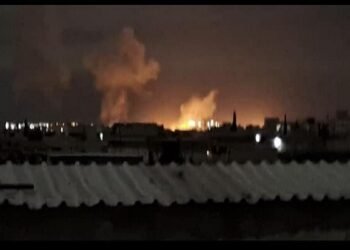
    Explosions were reported in Aleppo and its countryside, with the Syrian Observatory for Human Rights war monitor stating that “at least 4 missiles that came from the direction of the Mediterranean Sea” fell in the region.


    The background to these missile attacks includes a suicide bombing incident on January 3, where attackers targeted crowds near the tomb of the revered IRGC general Qasem Soleimani in Kerman, resulting in approximately 90 casualties. ISIS claimed responsibility for this attack.


    In December, an attack on a police station in Rask led to the deaths of at least 11 Iranian police officers. The jihadist group Jaish al-Adl, blacklisted by Iran as a “terrorist” group, claimed responsibility for this attack.


    Tensions in the region have escalated due to the ongoing conflict between Israel and the Palestinian militant group Hamas, drawing in Iran-backed armed groups in Lebanon, Iraq, Syria, and Yemen.


    Notably, in March 2022, the IRGC carried out missile attacks in Arbil, claiming to target a “strategic centre” belonging to its arch-foe, Israel. Additionally, on December 25, Iran reported that an Israeli strike killed the senior Guards commander Razi Moussavi.


    The recent missile attacks underscore the complex and volatile dynamics in the region, with Iran responding forcefully to perceived threats from terrorist organizations and external actors. The situation remains fluid, and further developments are closely monitored.

  • UN Confirms Death of 26/11 Mumbai Attacks Mastermind

    UN Confirms Death of 26/11 Mumbai Attacks Mastermind

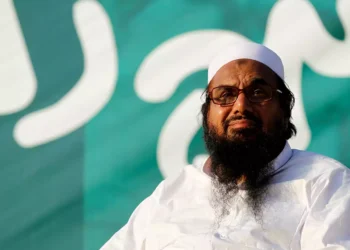
    The United Nations Security Council (UNSC) has officially confirmed the death of Hafiz Abdul Salam Bhuttavi, a founding member of Lashkar-e-Tayyiba (LeT) and the deputy to Hafiz Saeed, the mastermind behind the 26/11 Mumbai terror attacks. This revelation comes after the narrative summary about Bhuttavi was made available on the Committee’s website on March 14, 2012, with the latest update on December 19, 2023. Bhuttavi played a crucial role in the planning and execution of the Mumbai attacks, which resulted in over 150 casualties.


    Bhuttavi’s Role in LeT and Mumbai Attacks:

    According to the UNSC, Hafiz Abdul Salam Bhuttavi was not only a founding member of LeT but also served as the deputy to LeT emir Hafiz Muhammad Saeed. Bhuttavi took on the role of acting emir of LeT/Jamaat-ud-Dawa (JuD) on multiple occasions when Saeed was detained. Additionally, he was responsible for LeT/JuD’s madrassah network and served as the preeminent scholar, instructing leaders and members and issuing fatwas authorizing LeT/JuD operations.


    Bhuttavi’s involvement in preparing operatives for the November 2008 terrorist assault in Mumbai was significant. He delivered lectures on the merits of martyrdom operations, contributing to the devastating outcome of the attacks. The UNSC acknowledges Bhuttavi’s responsibility for LeT/JuD’s madrassah network, emphasizing his integral role in shaping the organization’s ideology and operational strategies.


    Establishment of LeT Organizational Base:

    In mid-2002, Bhuttavi was entrusted with the task of establishing an organizational base for LeT in Lahore, Pakistan. This underscores his leadership role and influence within the group’s hierarchy, contributing to its operational expansion.


    Association with Al-Qaida:

    The UNSC listed Hafiz Abdul Salam Bhuttavi on March 14, 2012, as being associated with Al-Qaida for participating in or supporting the activities of Lashkar-e-Tayyiba. This designation highlights Bhuttavi’s connections to broader terrorist networks and his involvement in facilitating or perpetrating acts on behalf of LeT.


    Handling Leadership During Detentions:

    Following the detention of Hafiz Saeed after the November 2008 Mumbai attacks, Bhuttavi assumed a crucial role in handling LeT’s day-to-day functions and making independent decisions on behalf of the organization. Saeed’s periodic detentions underscore the fluid leadership dynamics within the group, with Bhuttavi taking charge during crucial periods.


    Bhuttavi’s Death in Custody:

    On May 29, 2023, Hafiz Abdul Salam Bhuttavi, 26/11 mastermind passed away due to cardiac arrest while serving his sentence in a jail in Muridke, Punjab Province, Pakistan. The UNSC officially confirmed his death, highlighting that it occurred while he was in the custody of the Government of Pakistan. This revelation closes a chapter in the saga of individuals involved in orchestrating one of the deadliest terror attacks in recent history.


    Significance of UNSC’s Confirmation:

    The UNSC’s confirmation of 26/11 mastermind death holds significance in the context of counterterrorism efforts and the global fight against extremist ideologies. It reaffirms the international community’s commitment to addressing individuals associated with designated terrorist organizations and holding them accountable for their actions. The demise of a key figure like Bhuttavi marks a symbolic victory in the ongoing struggle against transnational terrorism.


    The official confirmation of Hafiz Abdul Salam Bhuttavi’s death by the UNSC sheds light on the intricate web of individuals involved in planning and executing acts of terrorism. Bhuttavi’s role in LeT, particularly during Saeed’s detentions, underscores the organization’s resilience and adaptability in the face of leadership challenges. As the international community continues its efforts to combat terrorism, such confirmations serve as reminders of the importance of sustained cooperation and vigilance in addressing threats posed by extremist groups worldwide.

  • ISIS Suspect Arrested in Joint Operation by Uttar Pradesh ATS

    ISIS Suspect Arrested in Joint Operation by Uttar Pradesh ATS

    In a significant joint operation, the Uttar Pradesh Anti-Terrorist Squad (ATS) and the Chhattisgarh police successfully apprehended a suspected ISIS terrorist in Durg district, Chhattisgarh. The individual, identified as Wajihuddin, hails from Aligarh, Uttar Pradesh, and was arrested in the Smriti Nagar area, falling under the jurisdiction of the Supela police station.


    Wajihuddin had come under the radar of law enforcement agencies as he was the subject of a case registered by the ATS in Lucknow, Uttar Pradesh. The case had been filed against him under various provisions of the Indian Penal Code and the Unlawful Activities (Prevention) Act, 1967.


    The collaboration between the Uttar Pradesh ATS and the Chhattisgarh police proved to be highly effective in tracking down and arresting the suspected terrorist. The operation extended over 24 hours and concluded with Wajihuddin’s capture, ensuring that he could no longer pose a threat to public safety.


    Following his arrest, Wajihuddin was handed over to the Uttar Pradesh ATS, where further legal procedures related to his case are underway. The preliminary interrogation of the suspect revealed troubling details about his affiliations and ideologies.


    According to the information gathered during the preliminary questioning, Wajihuddin had connections with an organization known as “Students of Aligarh Muslim University” (SAMU). Furthermore, he professed support for the extremist ideology propagated by ISIS, also referred to as the Islamic State of Iraq and Syria.


    ISIS is a well-known extremist group originating from the Middle East, notorious for its engagement in acts of terrorism, violence, and its pursuit of establishing a caliphate ruled by its own interpretation of Islamic law.


    Wajihuddin’s association with SAMU and his espousal of the ISIS ideology are subjects of concern for law enforcement agencies. It underscores the need for continued vigilance and collaborative efforts in countering extremist activities.


    Notably, the preliminary investigation into Wajihuddin’s case also revealed a link to an individual named Mohammad Rizwan, an active member of ISIS who had previously been apprehended by the Delhi police. These connections underscore the broader network that law enforcement agencies are actively monitoring and working to dismantle.


    The successful operation to arrest Wajihuddin underscores the dedication and effectiveness of law enforcement agencies in identifying and neutralizing potential threats related to extremist ideologies and terrorism. Collaborative efforts between different state ATS units and police forces are essential in maintaining national security and public safety.


    As investigations continue, it is imperative to remain vigilant and proactive in countering radicalization and extremist activities, ensuring that those who seek to disrupt peace and security are brought to justice and prevented from causing harm. The joint operation to apprehend Wajihuddin is a significant step in that direction, reflecting the commitment of law enforcement agencies to safeguard the well-being of citizens and the nation as a whole.

  • India Evacuates 1200 Citizens from Israel Amid Escalating Conflict

    India Evacuates 1200 Citizens from Israel Amid Escalating Conflict

    The Ministry of External Affairs (MEA) of India has disclosed that approximately 1200 Indian citizens have been successfully evacuated from Israel under Operation Ajay. This operation was initiated by the Indian Armed Forces in response to the escalating conflict with Hamas. The evacuation efforts come as a response to the growing threat to the safety of Indian nationals in the region. The conflict, which began on October 7, has been marked by an unfortunate toll on civilians and has led to the loss of more than a thousand lives.


    India has unequivocally condemned the recent horrific terrorist attack on Israel, which served as a catalyst for the outbreak of the hostilities. The attack, perpetrated by Hamas, resulted in a tragic loss of innocent lives. The Indian government, through its spokesperson Arindam Bagchi, expressed its strong condemnation of this attack. Bagchi stressed the importance of the international community uniting to combat terrorism in all its forms and manifestations.


    The stance taken by India regarding the Israel-Palestine conflict is notable. While firmly supporting Israel’s right to self-defense and condemning terrorist attacks on it, India also advocates for the establishment of a “sovereign, independent, and viable state of Palestine.” This dual approach reflects India’s commitment to a peaceful and just resolution of the conflict through direct negotiations, ultimately aiming for a two-state solution. The MEA has reiterated this position, emphasizing the need for direct negotiations as the most viable path to achieve lasting peace and stability in the region.


    Furthermore, the Ministry of External Affairs expressed deep concern about the rising number of civilian casualties in the conflict. It called for the strict adherence to international humanitarian laws to minimize harm to innocent individuals caught in the crossfire. The protection of civilians and respect for their rights during times of conflict is a fundamental principle of international law, and India underlines the importance of upholding these principles in the Israel-Hamas conflict.


    As the situation in the Middle East remains highly volatile, Arindam Bagchi urged the international community to stand together in the fight against terrorism in all its forms. The risk of a broader regional conflict remains a cause for concern, and global cooperation in combating terrorism is essential to maintain stability and security in the region and beyond.


    For the safety and assistance of Indian citizens in Israel, the MEA has established a 24-hour control room, and the Indian embassy in Israel has been actively engaged in providing support to Indian companies and citizens. Additionally, India has set up a helpline to assist its citizens in need of help.


    Operation Ajay, conducted by the Indian Armed Forces, has been instrumental in evacuating stranded Indian citizens from Israel. The operation has successfully brought back nearly 1200 people to their homeland. Registration is still ongoing, with plans to evacuate approximately 18,000 Indians in Israel. The Indian government is committed to ensuring the welfare and security of its citizens in the face of the ongoing conflict and remains steadfast in its efforts to provide support and assistance as required.

  • Prime Minister Modi Calls for Global Unity to Address Trust Crisis

    Prime Minister Modi Calls for Global Unity to Address Trust Crisis

    Prime Minister Narendra Modi delivered a powerful message during the inauguration of the ninth G20 parliamentary speakers summit, highlighting the urgent need to address the global trust crisis, promote peace, and ensure economic stability. His speech called for global cooperation to combat terrorism and emphasized the significance of broader participation in international decision-making.


    In his address to lawmakers from various countries, Prime Minister Modi expressed concern about the growing crisis of trust on the global stage. He acknowledged that ongoing conflicts and divisions among nations have contributed to this crisis, emphasizing the need to overcome these challenges for the greater good of humanity.


    Modi underlined the importance of cooperation among governments and the need for broader participation by nations in global decision-making. He emphasized that while governments are formed by the majority, the country is run by consensus. This commitment to fostering consensus reflects his vision of promoting collaboration and cooperation among nations to address pressing global issues.


    The global economy has faced significant challenges in recent times, including the war in Ukraine and conflicts in the Middle East, such as the ongoing tension between Israel and Hamas. These crises have led to increased price volatility and shortages of essential commodities, impacting global economic stability.


    Modi called for a world characterized by peace, unity, and collective progress. He urged the global community to overcome the trust crisis and embrace human-centric thinking. His vision for a united world was encapsulated in the phrase, “One Earth, One Family, One Future,” which reflects the idea of global unity and cooperation.


    During the G20 Leaders’ Summit held in New Delhi last month, the African Union was granted permanent membership in the Group of 20, marking a significant step toward more inclusive global governance. Prime Minister Modi has actively advocated for the concerns, difficulties, and aspirations of the Global South, positioning India as a prominent advocate for the region.


    Modi’s call for global unity to address trust issues and combat terrorism underscores India’s commitment to promoting peace, stability, and economic progress on the international stage. His message resonates with the ongoing efforts of nations to work together and find solutions to shared challenges, fostering a spirit of collaboration and consensus.

  • FIR For Funding and Recruiting for Tehreek-e-Taliban Pakistan

    FIR For Funding and Recruiting for Tehreek-e-Taliban Pakistan

    The National Investigation Agency (NIA) has taken a significant step in its efforts to counter terrorism by filing a charge sheet in a court in Karnataka against two individuals. The accused, Mohd Arif (42) from Uttar Pradesh’s Aligarh and Hamraz Worshid Shaikh (27) from Maharashtra’s Thane, are alleged to have been involved in raising funds and recruiting individuals for the Pakistan-based terror group Tehreek-e-Taliban Pakistan (TTP).


    According to a spokesperson for the NIA, both accused individuals have been charged under various sections of the Unlawful Activities (Prevention) Act (UAPA) and the Indian Penal Code (IPC). The agency’s investigations have revealed that the accused communicated using encrypted social media applications.


    The NIA alleges that the accused were part of a conspiracy with an online handler of Tehreek-e-Taliban Pakistan based in Syria. They identified young Muslims in India and attempted to radicalize and recruit them by propagating the ideology of the banned organization. The spokesperson stated that these youths were motivated to migrate and join the Tehreek-e-Taliban Pakistan for the purpose of carrying out violent Jihad.


    In a concerning revelation, it was also found that Mohd Arif had made preparations to illegally cross over to Afghanistan through the Iran-Afghanistan border, along with his family. He had applied for an Iranian visa for his entire family and booked flight tickets to Iran, as well as dummy return flight tickets to India for his family, including his wife and two minor children. Furthermore, he had reserved rooms in the Boshra Hotel in Mashhad city, Iran, as per instructions from the online handler.


    The NIA’s investigation has indicated that Hamraz Worshid Shaikh had sent money to Pakistan to support the activities of Tehreek-e-Taliban Pakistan. The agency alleges that the accused individuals had the intention of establishing Islamic rule in India through violent Jihad, with the aim of overcoming the democratically elected government.


    The NIA continues to work on this case, conducting further investigations into the activities of the accused persons and any potential suspects. The charge sheet marks a significant development in the agency’s efforts to combat terrorism and dismantle networks associated with banned terror groups.


    Tehreek-e-Taliban Pakistan, commonly referred to as the TTP, is a Pakistan-based militant organization known for its involvement in acts of violence and terrorism. The group has been responsible for numerous attacks in Pakistan and has links to other militant organizations in the region.


    The NIA’s actions underscore the importance of vigilance and robust counter-terrorism efforts to prevent the spread of extremist ideologies and the recruitment of individuals for violent activities. It also highlights the role of technology in enabling communication and recruitment efforts by terror organizations, necessitating enhanced measures to monitor and counter such online activities.


    NIA’s charge sheet against two individuals for alleged involvement in funding and recruiting for Tehreek-e-Taliban Pakistan highlights the ongoing efforts to combat terrorism in India. The agency’s investigations reveal the extent to which terror networks use technology to further their objectives and the need for proactive measures to prevent radicalization and recruitment for violent activities.

  • Hamas Attack: Israeli Ambassador Thanks India for Support

    Hamas Attack: Israeli Ambassador Thanks India for Support

    In response to India’s condemnation of the recent Hamas attack, the Ambassador of Israel to India, Naor Gilon, conveyed his appreciation for India’s support and understanding of the complex issue of terrorism. Gilon emphasized that India holds a significant position in the world and that its support for Israel is rooted in a profound comprehension of terrorism rather than ignorance.


    “We are heartfelt from the huge support we got from India, from the Prime Minister, through a few ministers who called me, businessmen, civil servants,” Ambassador Gilon expressed his gratitude. He went on to explain the significance of India’s support, stating, “Because India, first of all, is a very important country in the world. Secondly, India comes from the position of a country who knows terrorism. So it comes from a point of knowledge and not of ignorance.”


    Israel found itself in conflict with Hamas after the militant group’s fighters breached the border from Gaza in a surprise attack. Prime Minister Narendra Modi extended solidarity with Israel, condemning the rocket strikes launched by Hamas. He stated, “Deeply shocked by the news of terrorist attacks in Israel. Our thoughts and prayers are with the innocent victims and their families. We stand in solidarity with Israel at this difficult hour.”


    Addressing the media, Ambassador Naor Gilon outlined Israel’s approach to the situation, emphasizing that they will carefully consider when and how to react, with the primary focus currently on dealing with Hamas. He stressed that those supporting the terrorists will also be dealt with in due course.


    Gilon also acknowledged that the terrorist attack had claimed the lives of not only Israeli citizens but also non-Israeli individuals. The government of Israel is in the process of compiling and sharing the details of the casualties. He stated, “We have foreign casualties, but again we are not out yet with names. Also the Israeli casualties. We are not separating. We have both Israeli and non-Israeli casualties. We don’t have any information so far… But once we have the information, we will of course share it with the world.”


    The toll from the rocket attacks and ground assault by Hamas had already exceeded 400 by Sunday, with reports of approximately 2,000 people injured. Additionally, several Israelis were reported to have been taken hostage in Gaza, as reported by the Times of Israel, citing officials. The situation remains complex and fluid, with both Israel and India committed to addressing the threat posed by Hamas.

  • Minister Jaishankar Highlights Unique Goals At UNGA Address

    Minister Jaishankar Highlights Unique Goals At UNGA Address

    India’s External Affairs Minister, S Jaishankar, delivered a significant address at the United Nations General Assembly (UNGA), outlining India’s aspirations to become a “great power” and emphasizing its commitment to global welfare. Jaishankar stated that India’s goals in this pursuit would set it apart from previous rising powers and highlighted its dedication to representing the interests of under-represented nations on the global stage.


    In his speech, Jaishankar declared, “The days when a few nations set the agenda and expected others to fall in line are over, as the United Nations itself symbolizes.” This statement underlined India’s position as a nation that would act in the interest of countries that have been historically marginalized in international decision-making processes.


    Jaishankar pointed to several instances where India’s rise as a leading power would contribute to global well-being. He highlighted India’s focus on addressing the needs of struggling developing nations within the G20 and its commitment to providing immediate disaster relief. He emphasized that India’s pursuit of becoming a leading power was not driven by self-aggrandizement but by the desire to shoulder greater responsibilities and make significant contributions to the global community.


    The foreign minister also showcased India’s domestic achievements, such as poverty reduction, the successful Chandrayaan 3 moon mission, and the development of digital public infrastructure, as evidence of the country’s transformation at home.


    However, Jaishankar did not shy away from addressing critical issues, particularly terrorism and national security. He expressed concerns about the use of economic power to divert essential resources from the needy to the wealthy and emphasized that political convenience should not dictate responses to terrorism, extremism, and violence. He called for a consistent and principled approach to these challenges.


    Jaishankar also stressed the importance of respecting territorial integrity and non-interference in internal affairs and called for these principles to be consistently applied without cherry-picking. This remark came in the context of India’s diplomatic dispute with Canada, where India accused Canada of allowing political considerations to influence responses to terrorism and extremism.


    Highlighting India’s diplomatic achievements, Jaishankar mentioned the successful joint declaration secured at the G20 Summit in New Delhi. He emphasized that recognition and accommodation of different perspectives should not be seen as weaknesses but as strengths in global diplomacy.


    Finally, Jaishankar reiterated India’s long-standing call for the reform of international institutions like the United Nations. He emphasized that broad representation was essential for both effectiveness and credibility in these institutions. He cited the example of the African Union’s inclusion in the G20 during the New Delhi Summit as a positive step toward greater inclusivity in global governance.


    S Jaishankar’s address at the UN General Assembly outlined India’s unique path to becoming a “great power” and its commitment to acting in the global interest. He addressed critical issues, including terrorism and the need for international reform, underscoring India’s role as a responsible and forward-looking global player.