Tag: women’s rights

  • Rahul Gandhi: Freedom of Choice Amidst Hijab Controversy

    Rahul Gandhi: Freedom of Choice Amidst Hijab Controversy

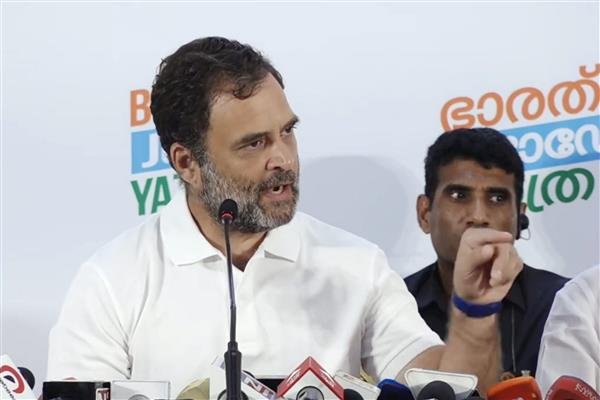
    In the midst of a growing debate surrounding the hijab controversy in India, Congress leader Rahul Gandhi has voiced his support for women’s autonomy in choosing their attire. During his Bharat Jodo Nyay Yatra, Gandhi emphasized the importance of allowing women to wear what they desire, whether it be a hijab or any other form of clothing. His remarks come at a time when several states in India are grappling with issues related to dress codes, particularly in educational institutions.


    In a video shared on YouTube, Rahul Gandhi can be seen engaging with female students at Aligarh Muslim University in Uttar Pradesh. When questioned about his views on the hijab and whether he believes that women who wear it do not feel free, Gandhi responded assertively. He stated, “What you wear is your responsibility, your decision, I don’t think anybody else should be deciding it.” This statement underscores his stance on individual freedom and the right to self-expression, particularly in matters concerning personal attire.


    The hijab controversy has gained significant attention in recent times, particularly in states like Rajasthan and Karnataka. In Rajasthan, a row erupted over government school students wearing the hijab, leading to warnings of strict action from state authorities. BJP MLAs expressed objections to girls wearing the hijab at a government school, prompting discussions about enforcing a ban on head coverings in both government and private schools. Similarly, in Karnataka, six students from a government college accused the administration of barring them from entering the premises while wearing the hijab, sparking a heated debate over religious attire and dress codes in educational institutions.


    The issue has raised broader questions about women’s rights, religious freedom, and the role of state institutions in regulating personal attire. While some argue for the preservation of secular values and uniformity in educational settings, others advocate for the protection of religious freedoms and individual choices. Rahul Gandhi’s intervention adds another dimension to the discourse by emphasizing the principle of autonomy and the importance of respecting women’s choices in matters of clothing.


    The Bharat Jodo Nyay Yatra, spearheaded by Rahul Gandhi, aims to address economic and social injustices across the country. As the yatra traverses through various states, Gandhi has reiterated the need to combat inequality and empower marginalized communities. By incorporating the theme of ‘nyay’ (justice) into the yatra, he seeks to draw attention to the prevailing injustices and inequities faced by ordinary citizens.


    In his address during the yatra’s entry into Rajasthan, Gandhi underscored the widening gap between the privileged few and the majority of the population. He highlighted the concentration of wealth and opportunities in the hands of a small fraction of society, while the vast majority struggle to access basic necessities and opportunities for progress. Through the Bharat Jodo Nyay Yatra, Gandhi aims to mobilize support for initiatives that promote social justice, economic equality, and inclusive development.


    The yatra holds significance not only as a political endeavor but also as a platform for dialogue and engagement with citizens from diverse backgrounds. By engaging with people at the grassroots level, Gandhi seeks to understand their concerns and aspirations, while also presenting his vision for a more just and equitable society. The inclusion of women’s voices, particularly on issues such as the hijab controversy, reflects a commitment to gender equality and women’s empowerment within the broader framework of social justice.


    As the Bharat Jodo Nyay Yatra progresses through Rajasthan, Gujarat, Madhya Pradesh, and Maharashtra, it is expected to generate further discussions on pressing socio-economic issues facing the country. From addressing disparities in access to education and healthcare to advocating for the rights of marginalized communities, the yatra serves as a platform for advocating for change and building solidarity among diverse sections of society.


    Rahul Gandhi’s support for women’s freedom to choose their attire amidst the hijab controversy underscores the principles of individual autonomy and personal expression. His intervention adds a nuanced perspective to the ongoing debate, highlighting the importance of respecting diverse choices and upholding the principles of secularism and gender equality. As the Bharat Jodo Nyay Yatra continues its journey across India, it remains a potent symbol of the quest for justice, equality, and inclusive development.

  • Taliban Tightens Restrictions on Women’s Freedoms in Afghanistan

    Taliban Tightens Restrictions on Women’s Freedoms in Afghanistan

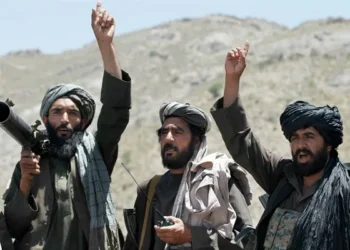
    The recent findings by the United Nations Assistance Mission in Afghanistan (UNAMA) highlight a distressing reality for women in Afghanistan as the Taliban tightens its grip on power. The UN report reveals a series of escalating restrictions that severely impact women’s freedoms, ranging from work and travel limitations to constraints on healthcare access. These measures signal a troubling regression from the initial promises of a more moderate governance that the Taliban had suggested in its earlier declarations.


    One of the most alarming aspects of the recent developments is the requirement for women to have a male guardian, known as a “mahram,” to engage in basic activities such as work, travel, and accessing healthcare. This imposition places a significant burden on women, restricting their autonomy and reinforcing traditional patriarchal norms.


    The UNAMA report highlights a specific incident involving the Taliban’s Vice and Virtue Ministry, which informed a female healthcare worker that her employment would only be valid after marriage. This demonstrates the intrusion of the Taliban into the personal and professional lives of women, dictating not only their public conduct but also their private choices.


    Education for girls has also been a target of the Taliban’s restrictive measures. The report notes that the Taliban has halted education for girls beyond the sixth grade, reneging on their earlier promises of allowing girls to continue their education. This move has far-reaching consequences for the intellectual and social development of young girls, perpetuating gender disparities in educational attainment.


    The enforcement of a strict dress code, including the mandatory wearing of the burqa, has led to the closure of beauty parlors, another blow to women’s economic opportunities. Those who fail to adhere to the Taliban’s hijab standards face arrest, further curbing their freedom of expression and individual choices regarding personal attire.


    In May 2022, a decree by the Taliban limited women’s visibility in public by advocating for the burqa and allowing only the eyes to be shown. This decree, in addition to other restrictive measures, contributes to the erasure of women from public spaces, reinforcing a regressive and oppressive narrative.


    The impact of these measures is felt acutely in various provinces, such as Paktia, where women without male guardians have been barred from accessing health facilities. The Vice and Virtue Ministry actively ensures compliance with these rules in public places, offices, and educational institutions, creating an atmosphere of surveillance and fear.


    Instances of women being detained for working without a mahram have been reported, illustrating the real-world consequences of these restrictive policies. In one case, three female health workers faced detention and were only released after family assurances of compliance. Similarly, in Kandahar, women are prevented from traveling long distances without a mahram, severely limiting their mobility and independence.


    A particularly controversial aspect of the restrictions is the arrest of women for purchasing contraceptives, even though the Taliban has not officially banned these. This highlights the intrusive nature of the Taliban’s governance into the private lives and reproductive choices of women, further exacerbating concerns about the erosion of women’s rights.


    The Taliban’s chief spokesman, Zabihullah Mujahid, has defended these actions as adherence to Shariah law, criticizing the UN report for allegedly misunderstanding and challenging Islamic law. He stated, “If UNAMA criticizes these cases or considers explicit Islamic rulings as an act against human rights, then it is an insult to the beliefs of a people.”


    The use of religious justifications to legitimize these restrictions raises questions about the interpretation of Islamic principles and their impact on the human rights of women. The UN report highlights the tension between the Taliban’s interpretation of Shariah law and internationally recognized standards of human rights and gender equality.


    The international community has expressed deep concern over the deteriorating situation for women in Afghanistan, and human rights organizations continue to call for urgent action to protect and promote women’s rights in the country. The restrictive measures imposed by the Taliban not only violate fundamental human rights but also undermine the potential for social progress and sustainable development in Afghanistan.


    As the international community grapples with how to respond to these concerning developments, it is crucial to prioritize the protection of women’s rights and ensure that Afghan women have the opportunity to live free from discrimination and violence. The UNAMA report serves as a critical document shedding light on the challenges faced by Afghan women and emphasizes the need for concerted efforts to address these issues and advocate for their rights on the global stage.

  • Iranian Woman Whipped 74 Times for “Violating Public Morals”

    Iranian Woman Whipped 74 Times for “Violating Public Morals”

    Iranian authorities have subjected a woman, Roya Heshmati, to 74 lashes for “violating public morals” and fined her for not wearing a headscarf, as reported by the country’s judiciary. The judiciary’s Mizan Online website stated that Heshmati “encouraged permissiveness” by appearing in busy public places in Tehran without adhering to the dress code.


    The incident is part of an ongoing crackdown on those defying strict dress codes in Iran, particularly the requirement for women to cover their neck and head since shortly after the 1979 Islamic Revolution. While whippings for breaching the dress code are uncommon, officials have intensified efforts to enforce the rules, especially after an increase in violations during anti-government protests that began in late 2022.


    The protests were triggered by the death of Mahsa Amini, a 22-year-old Iranian Kurd, in custody in September 2022. Amini was arrested for an alleged breach of the Islamic Republic’s strict dress code for women. Female demonstrators during the protests defied the dress code by casting off or burning their headscarves. This defiance led to an increased crackdown, and officials have installed surveillance cameras in public places to monitor violations. Additionally, businesses breaching the rules have faced closures.


    Roya Heshmati, identified as a 33-year-old woman of Kurdish origins by the Kurdish-focused rights group Hengaw, was arrested in April for publishing a photo on social media without wearing a headscarf, according to her lawyer, Maziar Tatai. In addition to the 74 lashes for “violating public morals,” Heshmati was ordered to pay a fine of 12 million rials (around $25) for not wearing the Muslim veil in public.


    The incident underscores the continued challenges faced by women in Iran who choose not to adhere strictly to the dress code. The enforcement of such rules has sparked debates and protests, with human rights activists advocating for greater freedom of choice regarding personal attire.


    In response to the dress code violations during the 2022 protests, Iran’s parliament discussed a bill aimed at toughening penalties for those breaching the dress code. The discussions indicate an intention to strengthen the legal framework for enforcing dress codes, posing concerns among those advocating for women’s rights and personal freedoms.


    The case of Roya Heshmati highlights the persistent struggle faced by women in Iran who challenge societal norms or express dissent through their attire. It also reflects the government’s determination to maintain strict control over public appearances, especially concerning the dress code for women. As debates continue regarding individual freedoms and the role of the state in regulating personal choices, incidents like Heshmati’s serve as poignant reminders of the ongoing complexities surrounding human rights and personal liberties in Iran.

  • US Special Envoy Advocate for Inclusive Government

    US Special Envoy Advocate for Inclusive Government

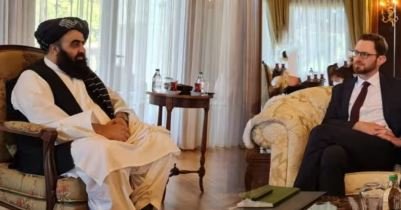
    US special envoy for Afghanistan, Thomas West, and Rina Amiri, the US special envoy for Afghan women, girls, and human rights, have once again emphasized the need for an inclusive government in Kabul, especially under the current rule of the Taliban. The Taliban’s takeover of Afghanistan has resulted in the curtailment of women’s rights and raised concerns about the country’s governance.


    In an effort to address the situation and foster regional cooperation, Thomas West and Rina Amiri held a crucial meeting with representatives from neighboring countries such as Kazakhstan, Kyrgyzstan, Tajikistan, Turkmenistan, and Uzbekistan in Astana. The meeting took place just two days prior to the Doha summit, which aimed to discuss Afghanistan’s future and address the challenges posed by the Taliban’s takeover.


    During the meeting, the participants engaged in significant discussions about the importance of upholding women’s rights and ensuring inclusive governance in Afghanistan. Rina Amiri underscored that inclusivity and women’s rights play a crucial role in establishing economic stability, security, and sustainable peace in the nation. The plight of Afghan women has been a major concern, as many have faced exclusion from public affairs, education, and employment opportunities. Women’s rights activist Surya Paykan stressed the need for the government to take responsibility for enabling women’s active participation in society, providing them with access to education and work opportunities, and ensuring their rightful place in public life.


    The convening of such summits has been regarded as a positive step towards addressing the challenges faced by Afghanistan, especially given the significant regime change that occurred with the Taliban’s takeover. Political analyst Tariq Farhadi expressed optimism about the potential positive impact of such efforts on Afghanistan’s stability and the broader region.


    Amidst these ongoing developments, a delegation led by the Taliban’s acting foreign minister, Amir Khan Muttaqi, traveled from Kabul to Qatar to participate in the Doha meeting and engage in discussions with US officials. The delegation is expected to address critical issues, including the lifting of sanctions and removal from international blacklists, the release of Afghanistan’s frozen bank reserves, and the resolution of airspace violations.


    The situation in Afghanistan remains complex and dynamic, and international efforts and dialogues are crucial to finding solutions to the country’s pressing challenges. The involvement of US envoys and regional representatives signals a commitment to addressing the issues and supporting Afghanistan during this critical phase of transition.

  • Central Bureau of Investigation Takes Over Manipur Violence

    Central Bureau of Investigation Takes Over Manipur Violence

    The Central Bureau of Investigation (CBI) has taken up the responsibility of investigating the disturbing incident depicted in the widely circulated video from Manipur. The video captured the appalling sight of two women being paraded naked by a group of Meitei men. The graphic nature of the video, which spread rapidly on social media platforms, drew swift reactions from both the Prime Minister and the Chief Justice of India. In response to the shocking visuals, the Manipur police had initially registered a case against unidentified armed individuals, charging them with heinous crimes, including abduction, gang rape, and murder. This incident was reported at the Nongpol Sekmai police station in Thoubal district on May 18. Following standard procedures, the Central Bureau of Investigation has now taken over the First Information Report (FIR) registered by the Manipur Police.


    To conduct a thorough and impartial investigation, the Central Bureau of Investigation has already deployed a Special Investigation Team (SIT) in Manipur, with a DIG-rank officer leading the efforts. The federal agency is no stranger to handling complex cases of violence in the northeastern state, as it is currently overseeing six other such cases. In an effort to ensure comprehensive examination and expert analysis, the CBI plans to augment the team with additional women officers and forensic experts.


    The gravity of the situation prompted Manipur Chief Minister N Biren Singh to make a formal request on July 26 for the CBI to take over the investigation into the sexual assault case. His plea received prompt approval from Union Home Minister Amit Shah on July 27, giving the CBI the mandate to lead the inquiry.


    In a parallel move, the central government has approached the Supreme Court to seek the transfer of the trial for the Manipur violence case outside of Manipur. The government’s plea includes a request for the completion of the trial for the entire case, encompassing the gang-rape incident, within a period of six months. Such a transfer of trial venue is intended to ensure an impartial and fair trial, free from any potential influence that may arise from local circumstances.


    The state of Manipur has been grappling with ethnic violence since May 3, when a ‘Tribal Solidarity March’ was organized in the hill districts to protest against the Meitei community’s demand for Scheduled Tribe status. The shocking video that emerged just ahead of the monsoon session of parliament sparked intense outrage in the legislative body, leading the opposition to demand an official statement from Prime Minister Narendra Modi on the matter. The incident has shone a spotlight on the urgent need to address violence against women and promote the safety and security of all citizens in the region.