Tag: water crisis

  • Reviving Bengaluru’s Water : The Art of Living Signs a Groundbreaking Tripartite MoU for the City’s Lifeline

    Reviving Bengaluru’s Water : The Art of Living Signs a Groundbreaking Tripartite MoU for the City’s Lifeline

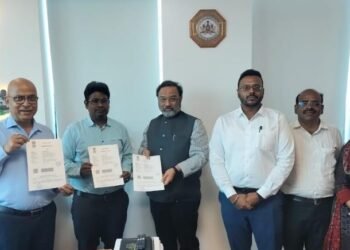
    Bengaluru, a city once renowned for its abundant lakes and natural water systems, is facing an escalating water crisis. Rapid urbanisation, erratic rainfall patterns, and over-extraction of groundwater have pushed the region into a precarious situation. Addressing this urgent challenge, a transformative partnership was forged on the 20th of March between the Rural Development & Panchayat Raj Department (Govt. of Karnataka), ITC Ltd., and The Art of Living Social Projects to rejuvenate the South Pennar River Basin.


    The MoU is set to bring sustainable water conservation and recharge solutions to Bengaluru Urban, Bengaluru Rural, Kolar, and Chikkaballapur. By combining scientific interventions, community participation, and government support, this project aims to revive depleting groundwater levels, enhance water availability, and create long-term rural livelihoods.


    A Multi-Pronged Approach to Water Security

    • Replenishing Groundwater

    One of the core objectives of this initiative is to construct water conservation and recharge structures that capture rainwater and direct it back into the earth. This will restore aquifers, reduce dependence on external water sources, and mitigate the impact of droughts.

    • Scientific Water Management: Managed Aquifer Recharge (MAR)

    Through the Managed Aquifer Recharge (MAR) technique, this project will scientifically enhance groundwater availability. MAR involves systematically directing surface water into underground reservoirs, ensuring that rainwater is stored efficiently and remains accessible even during dry months.

    • Empowering Rural Communities

    Sustainable water management goes hand in hand with economic upliftment. Under this initiative, employment opportunities will be created through MGNREGA (Mahatma Gandhi National Rural Employment Guarantee Act), enabling rural communities to earn livelihoods while actively participating in environmental restoration.

    • Community-Led, Sustainable Impact


    Water conservation is most effective when communities take ownership. This project will focus on capacity building, training local stakeholders, and involving villagers in long-term water stewardship. By encouraging awareness and participation, this initiative ensures that its impact extends far beyond infrastructure – creating a culture of water conservation for generations to come.


    A Model for Sustainable Water Management

    This collaboration between government leadership, corporate responsibility, and water conservation expertise serves as a model for large-scale water conservation efforts. By integrating policy support, scientific advancements, and community-driven action, the South Pennar River Basin rejuvenation is set to secure water for the community while creating a ripple effect of environmental and socio-economic benefits. This initiative holds the potential to inspire more such partnerships across India, ensuring that water – one of our most precious resources – is safeguarded for future generations.


    About The Art of Living Social Projects

    The Art of Living, a global non-profit organisation dedicated to peace, well-being, and humanitarian service founded in 1981 by the world-renowned humanitarian and spiritual leader Gurudev Sri Sri Ravi Shankar, collaborates with various organisations and the Government of India to combat water scarcity through numerous water conservation projects.

  • From Water Crisis to Water Security with The Art of Living

    From Water Crisis to Water Security with The Art of Living

    While India’s water crisis may seem like an insurmountable challenge, The Art of Livings approach offers a refreshing and transformative perspective that transcends mere data and statistics. Focusing on the enormity of the problem, the initiative places a powerful emphasis on empowering communities to lead the charge in water conservation. Gurudev Sri Sri Ravi Shankar, the visionary founder of The Art of Living, encapsulates this approach with his profound insight: “Our survival depends on water. It is the basis of our life force. We need to protect and nurture the source of water.” This philosophy underpins the organisations River Rejuvenation Projects, which are designed not just to restore water sources but to inspire local stewardship.


    Empowering communities, reviving water resources

    Spanning over 20,000 villages and impacting more than 34.5 million lives, The Art of Living has mobilised communities to take ownership of their water resources. By actively engaging in the construction of 92,000 groundwater recharge structures, the removal of 270 lakh cubic metres of silt, and the revitalisation of 59,000 square kilometres of land; 174.02 billion litres of water is safeguarded annually.


    One of the many farmers thriving thanks to JalTara

    The organisation’s focus on sustainable, community-driven solutions transforms water conservation from a distant ideal into an actionable reality, ensuring long-term resilience and security for Indias water resources.


    Reviving Maharashtra’s agricultural heartland

    Water scarcity and soil erosion have long posed challenges to Maharashtra’s agricultural heartland, threatening the livelihoods of countless farmers and the region’s ecological balance. However, The Art of Living’s wave of transformative initiatives is emerging to tackle these issues head on. By revitalising ancient water bodies and implementing innovative conservation techniques across 24 districts, the stage is set for a sustainable future; restoring vital water resources, and enhancing agricultural resilience. Ancient nalas and canals long buried under silt are coming back to life. This revitalisation not only mitigates flood risks but also reignites agricultural productivity, offering a lifeline to farmers and ensuring sustainable water management for the future. By uncovering hidden waterways and restoring their function, The Art of Living is turning the tide on water scarcity, fostering a new era of resilience and prosperity for communities.


    JalTara’s Groundbreaking Triumph

    Perhaps one of the most striking examples of The Art of Living’s positive water impact is the JalTara programme in Jalna, Maharashtra. Faced with Jalna’s severely depleting water levels, the organisation initiated a pilot project in 2021, and another in 2022 in 37 villages of Jalna district by building 20,000 recharge structures. Recharge structures were created per acre of farmland considering the slope to enhance groundwater recharge. The result Increase in groundwater recharge levels, zero water logging in farmer’s fields, increased crop production and economic benefits. The water levels in wells went up by 14 feet in the area and crop yield increased by 42% enabling farmers to go in for multiple cropping. Buoyed by success, the JalTara initiative has been scaled up to include more than 80 villages, with ambitious plans to add 25,000 more structures by next year.


    The organisation’s JalTara approach has been validated across multiple projects with the construction of 57,480+ structures, 90,000+ trees planted, 140 villages impacted and 2,01,200 acres area covered. Amidst escalating challenges and obstacles, The Art of Living’s work demonstrates the remarkable power of unity. Each village that learns to manage its water better creates a positive ripple effect, spreading hope and resilience through the community. By creating and supporting these local successes, The Art of Living is not just solving immediate water problems but also building a more secure future for India. These collective efforts lay the groundwork for lasting environmental care and stronger communities, setting the stage for a brighter, more sustainable tomorrow.


    About The Art of Living Social Projects

    Inspired by the world renowned humanitarian and spiritual leader Gurudev Sri Sri Ravi Shankar; The Art of Living is a global non-profit organisation dedicated to peace, well-being, and humanitarian service. Committed to holistic development, The Art of Living champions various initiatives, including water conservation, sustainable agriculture, afforestation, free education, skill development, women empowerment, integrated village development, renewable energy and waste management. Through these multifaceted efforts, The Art of Living strives to create positive social and environmental impact, fostering a more sustainable and harmonious future for all. This is part 4 of a 5 part exploration into The Art of Livings transformative water conservation work across India.

  • Karnataka CM Siddaramaiah Addresses Bengaluru Water Crisis

    Karnataka CM Siddaramaiah Addresses Bengaluru Water Crisis

    Karnataka Chief Minister Siddaramaiah’s recent meeting with officials from the Bangalore Water Supply and Sewerage Board (BWSSB), Bruhat Bengaluru Mahanagara Palike (BBMP), and the energy department sheds light on the pressing water crisis in Bengaluru. With 50% of borewells dried up in the city and lakes facing severe depletion, urgent measures are required to ensure a sustainable water supply for residents.


    During the meeting, Chief Minister Siddaramaiah emphasized the gravity of the situation by highlighting that out of 14,000 borewells in Bengaluru, nearly 6,900 have run dry. Additionally, the city’s lakes, once vital sources of water, have almost completely dried up. To put things into perspective, Bengaluru requires 2,600 megalitres per day (MLD) of water to meet its daily needs.


    In response to this crisis, the Karnataka government has formulated a plan to address the water scarcity issue. One significant initiative involves providing water to all 110 villages surrounding Bengaluru by June. Siddaramaiah reassured that there’s sufficient water available in the Kabini and Krishna Raja Sagar (KRS) reservoirs to support this endeavor. This proactive approach aims to alleviate the hardships faced by residents in the surrounding areas who are grappling with water shortages.


    Furthermore, the impending monsoon, expected in the first or second week of June, offers a ray of hope for the parched city. The arrival of rainfall could potentially replenish groundwater sources and provide some relief to the water-stressed region.


    To tackle the immediate challenges posed by the drying lakes and depleting borewells, the Bangalore Water Supply and Sewerage Board (BWSSB) has devised a comprehensive strategy. The civic body plans to refill the drying lakes with treated water at a rate of 1,300 million litres per day. This initiative aims to replenish groundwater sources and restore the ecological balance of these water bodies. Additionally, filter borewells and water plants utilizing innovative technology will be installed near the restored lake beds to ensure a sustainable supply of clean water. Collaborating with the Indian Institute of Science (IISc) in Bengaluru, the BWSSB seeks to implement scientifically-backed solutions to address the water crisis effectively.


    Moreover, the Karnataka government has taken decisive action to curb the influence of the water mafia and ensure equitable distribution of water resources. By taking control of thousands of private water tankers, the government aims to regulate the supply of water from sources outside the city. The deployment of unused milk tankers to ferry water underscores the government’s commitment to finding innovative solutions to the pressing water scarcity issue.


    While these initiatives represent significant strides in addressing the water crisis in Bengaluru, sustained efforts and proactive measures will be required to ensure long-term water security for the city and its surrounding areas. The government, in collaboration with various stakeholders, must prioritize water conservation, invest in sustainable water management practices, and explore alternative water sources to mitigate the impact of future water shortages.


    The water crisis in Bengaluru demands urgent attention and concerted efforts from all stakeholders. By implementing innovative solutions, leveraging available resources, and adopting sustainable practices, the Karnataka government can effectively address the water scarcity issue and ensure a reliable water supply for the residents of Bengaluru and its surrounding regions.

  • Water Crisis: BJP Announces Protest at Freedom Park

    Water Crisis: BJP Announces Protest at Freedom Park

    Due to severe water shortage plaguing Bangalore, the capital city of Karnataka and India’s tech hub, residents are facing daily cuts and some areas receive water only on alternate days. This crisis has prompted the opposition Bharatiya Janata Party (BJP) to announce a protest at Freedom Park on March 11, aiming to draw attention to the water woes and hold the ruling Congress government accountable.


    Leader of the opposition R Ashoka has alleged that government inefficiency has exacerbated the situation, leading to concerns that multinational companies may consider relocating from the city. The BJP’s protest at Freedom Park is intended to highlight these issues and press for immediate action from the authorities.


    The crisis has sparked a political blame game, with the BJP accusing the Congress government of mismanagement. R Ashoka criticized the government for failing to prioritize real issues and accused them of attempting to divert attention from critical matters. He highlighted the plight of many apartments in the city that lack sufficient drinking water and warned of potential economic consequences if the situation persists.


    In response to these allegations, Bangalore Water Supply and Sewerage Board (BWSSB) chairman Ram Prasath Manohar attributed the water shortage to drought conditions. He explained that Bangalore receives only 1,450 million liters per day (MLD) of water, falling short of the city’s daily requirement of 2,100 MLD.


    Following a meeting with BWSSB officials, Tejasvi Surya, a BJP leader, expressed dissatisfaction with the response to the water crisis. He warned that if the issue is not resolved within a week, the Karnataka BJP would escalate its protest by demonstrating at Vidhana Soudha, the state’s legislative assembly.


    Ram Prasath Manohar elaborated on the water situation, emphasizing the need to clarify the facts to Bengaluru’s residents and the global community. He outlined the city’s population and its water consumption requirements, highlighting the sources of water and the current supply from the Cauvery River.


    In response to the crisis, Tejasvi Surya offered several suggestions to address the issue effectively. He emphasized the importance of providing treated water for non-potable usage in industries and construction sectors and advocated for redistributing drinking water to areas facing stress. Additionally, he proposed diverting treated water towards lake recharging and consulting geologists to identify suitable locations for new borewells.


    Furthermore, Surya recommended a proactive approach to redrilling existing borewells and efficiently managing water tanker distribution to avoid disruptions. He also urged for the completion of the Cauvery Stage-5 project to enhance water availability in the proposed regions.


    The water crisis in Bangalore underscores the urgent need for effective management and sustainable solutions to ensure access to clean and reliable water for all residents. As political parties engage in protests and debates in Freedom Park, it is essential for the government to prioritize infrastructure development and water management strategies to mitigate the impact of drought and meet the city’s growing water demands.

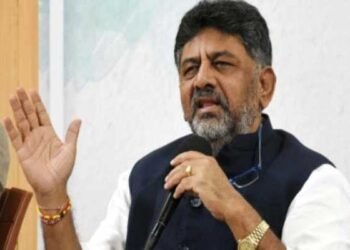
  • Deputy CM DK Shivakumar Addresses Bengaluru Water Crisis

    Deputy CM DK Shivakumar Addresses Bengaluru Water Crisis

    As Bengaluru grapples with a severe water crisis, Karnataka’s Deputy Chief Minister DK Shivakumar has stepped up to address the pressing issue head-on. In a recent statement to the media, Shivakumar acknowledged the dire situation, revealing that even his own home’s borewell has dried up due to the lack of rainfall. Despite the challenges, he has vowed to ensure adequate water supply to the city at any cost.


    The water scarcity in Bengaluru has reached alarming levels, with borewells across the city running dry and residential societies cautioning residents to conserve water. Private water tankers, capitalizing on the crisis, have been charging exorbitant rates, some demanding up to ₹3,000 for water delivery. This exploitation of the situation has further exacerbated the plight of Bengaluru’s residents.


    In response to the crisis, Shivakumar has announced measures to mitigate the water shortage and regulate tanker prices. He emphasized the need for standardizing pricing to prevent exploitation, stating that prices will be fixed based on the distance traveled by the tankers. This move aims to ensure fair and affordable access to water for all residents, regardless of their financial status.


    Moreover, Shivakumar criticized the Central government for stalling the Mekedatu reservoir project, which he believes could significantly alleviate Bengaluru’s water woes. The project, aimed at securing water supply for the city, has faced opposition and delays at the national level. Despite efforts by the state government to push for its approval, the project remains pending, highlighting the challenges in addressing water scarcity through large-scale infrastructure initiatives.


    In addition to addressing immediate concerns, Shivakumar outlined plans to utilize water sources within a 15-kilometer periphery of cities to supply water to urban areas. This strategy involves fetching water from nearby towns such as Ramanagara, Hosakote, Channapatna, and Magadi using water tankers. By diversifying water sources and distribution channels, the government aims to enhance resilience against future water shortages and ensure a reliable water supply for Bengaluru’s residents.


    The water crisis in Bengaluru underscores broader challenges related to water management, urbanization, and environmental sustainability. Rapid population growth and urban development have strained existing water resources, leading to increased demand and vulnerability to supply disruptions. Climate change-induced variability in rainfall patterns has further exacerbated water scarcity, highlighting the need for proactive measures to enhance water security and resilience in urban areas.


    Efforts to address the water crisis require a multi-pronged approach, encompassing water conservation, infrastructure development, and policy reforms. Sustainable water management practices, such as rainwater harvesting, wastewater recycling, and groundwater recharge, can help reduce dependency on external water sources and enhance resilience to droughts and water shortages.


    Furthermore, investments in water infrastructure, including reservoirs, pipelines, and treatment plants, are essential to improve water supply reliability and quality. Integrated water resource management approaches, involving collaboration between government agencies, communities, and stakeholders, can facilitate more efficient and equitable water allocation and usage.


    Public awareness and participation are also crucial in fostering a culture of water conservation and responsible usage. Education campaigns, community engagement initiatives, and incentives for water-saving practices can help instill a sense of collective responsibility and encourage behavioral changes that contribute to long-term water sustainability.


    The water crisis in Bengaluru underscores the urgent need for concerted action to address water scarcity and ensure access to clean and reliable water for all residents. By implementing comprehensive strategies that combine infrastructure development, conservation efforts, and policy reforms, Karnataka can work towards building a more resilient and sustainable water future for its cities and communities.

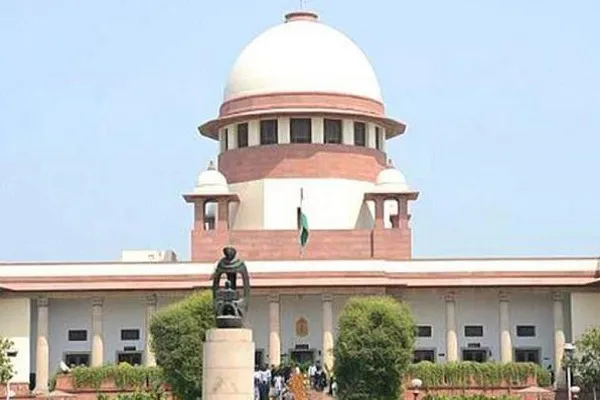
  • SC Dismisses Money Laundering Case Against DK Shivakumar

    SC Dismisses Money Laundering Case Against DK Shivakumar

    The Supreme Court’s decision to dismiss the long-pending money laundering case against Karnataka’s Deputy Chief Minister, DK Shivakumar, on March 5, brought significant relief to the veteran politician. The case, which originated from actions taken by the Enforcement Directorate (ED) in September 2019, had cast a shadow over Shivakumar’s political career and personal reputation. His subsequent arrest and subsequent bail granted by the Delhi High Court only added to the tumultuous legal battle he faced.


    Throughout the protracted legal proceedings, Shivakumar steadfastly maintained his innocence, vehemently denying any involvement in money laundering activities. He consistently attributed the charges against him to political vendetta and expressed unwavering confidence in the judicial process to uphold justice.


    The apex court’s verdict on March 5 marked the culmination of a legal saga that commenced in 2018 when Shivakumar first found himself under scrutiny over alleged financial irregularities. The case centered around a substantial sum of ₹8.59 crore (approximately $1.1 million) reportedly seized from Shivakumar’s residence in Safdarjung Enclave, New Delhi, in August 2017. The Income Tax (I-T) department levied accusations against Shivakumar and his associates, alleging their involvement in the clandestine transportation of unaccounted cash.


    The dismissal of the case by the Supreme Court brought relief not only to Shivakumar but also to his supporters and well-wishers who had stood by him during the tumultuous legal battle. It underscored the significance of due process and judicial impartiality in upholding the rule of law and safeguarding individuals’ rights against arbitrary prosecution.


    Meanwhile, amid the legal proceedings, Karnataka Chief Minister Siddaramaiah, along with Deputy Chief Minister DK Shivakumar and other cabinet ministers, convened a crucial meeting to address the pressing issue of drinking water shortage in Bengaluru. The meeting highlighted the government’s commitment to addressing essential public services and ensuring the well-being of citizens.


    In another development, DK Shivakumar took proactive measures to tackle the looming water crisis in Karnataka. He issued a stern warning to water tanker owners in the state, emphasizing the importance of registering their tankers with the authorities before the March 7 deadline. Shivakumar’s directive aimed to streamline the management of water resources and enhance accountability in the distribution of water supplies across the state.


    Addressing a press conference at the Bruhat Bengaluru Mahanagara Palike (BBMP) head office, Shivakumar reiterated the government’s stance on water governance, emphasizing that water resources belong to the public and must be managed responsibly. He underscored the government’s prerogative to seize unregistered tankers to ensure compliance with regulations and mitigate the impact of the impending water crisis.


    Furthermore, Shivakumar’s proactive approach to addressing the water shortage demonstrated his leadership and commitment to safeguarding the interests of the people. By prioritizing essential services and taking decisive action to tackle pressing challenges, he reaffirmed his dedication to serving the citizens of Karnataka.


    The Supreme Court’s dismissal of the money laundering case against DK Shivakumar provided a reprieve for the seasoned politician, marking the end of a tumultuous legal battle. Meanwhile, his proactive measures to address the water crisis underscored his leadership and commitment to addressing pressing challenges facing the state. As Karnataka navigates through these challenging times, Shivakumar’s resilience and determination serve as a beacon of hope for a brighter future.

  • Water Crisis: Housing Society Imposes Fines

    Water Crisis: Housing Society Imposes Fines

    Bengaluru, often dubbed the Silicon Valley of India, is grappling with a pressing issue – a severe water crisis. The city, known for its rapid urbanization and burgeoning population, is facing a dire shortage of water due to insufficient rainfall and dwindling resources. One of the primary sources of water for Bengaluru is the Cauvery River, but the water levels have significantly dropped, exacerbating the crisis.


    In the midst of this water scarcity, residents in Bengaluru’s Whitefield area are feeling the pinch. The Palm Meadows housing society, situated in Whitefield, has recently taken proactive measures to address the crisis. With no water supply from the Bangalore Water Supply and Sewerage Board (BWSSB) for the past four days, the society has resorted to utilizing borewells to meet its water needs. However, this poses the risk of depleting groundwater reserves rapidly.


    To mitigate the situation and prevent further depletion of groundwater, the Apartment Owners Association (AOA) of Palm Meadows has implemented strict measures. They have issued a notice to residents, emphasizing the importance of water conservation. Each unit is required to reduce water consumption by 20%, failing which residents will incur a fine of ₹5,000. This fine serves as a deterrent to discourage wastage and promote responsible water usage.


    The decision to impose fines underscores the seriousness of the water crisis and the urgent need for conservation efforts. With water being a precious resource, every drop counts, especially in times of scarcity. By cutting back on water usage, residents can contribute significantly to alleviating the strain on available resources and safeguarding against potential shortages.


    Moreover, the AOA has outlined plans to escalate penalties for repeated violations and increase monitoring through the deployment of additional security personnel. These measures aim to ensure compliance and reinforce the importance of conservation practices within the community.


    The situation in Whitefield is indicative of a larger issue affecting Bengaluru as a whole. Several other areas in the city, including Yelahanka and Kanakpura, are also grappling with water shortages. The crisis underscores the urgent need for sustainable water management practices and proactive measures to address the growing demand for water in urban areas.


    In response to the escalating crisis, Karnataka Chief Minister Siddaramaiah and Deputy Chief Minister DK Shivakumar have taken decisive action. A crucial meeting was convened to devise strategies for tackling the water shortage in Bengaluru. Deputy Chief Minister DK Shivakumar has assured that the government is actively working to identify alternative water sources and address the pressing needs of affected areas.


    One significant step taken by the government is the enforcement of regulations on water tanker operators. Deputy Chief Minister Shivakumar has warned that tankers operating without proper registration will face seizure by authorities. This measure aims to regulate the distribution of water and prevent exploitation of scarce resources by unauthorized entities.


    As the summer months approach, the severity of the water crisis is expected to escalate further. With thousands of villages and wards vulnerable to shortages, concerted efforts are needed to mitigate the impact and ensure access to clean and reliable water sources for all residents. Through collective action, responsible water management, and effective governance, Bengaluru can overcome its water challenges and build a more sustainable future for generations to come.