Tag: Truck Drivers

  • Trump-Supporting Truckers Refuse Shipments to NYC

    Trump-Supporting Truckers Refuse Shipments to NYC

    In a dramatic turn of events, truckers who are vocal supporters of former US President Donald Trump have reportedly taken a stand by refusing to transport shipments to New York City. This decision comes in response to a recent legal ruling against Trump and his businesses, which has stirred controversy and sparked outrage among his supporters.


    According to reports from the Daily Mail, a truck driver using the online handle “Chicago Ray” took to social media platform X to announce the collective action. He revealed that several truckers had expressed their intention to start turning down loads destined for New York City starting on Monday. In his post, Chicago Ray stated, “I’ve been on the radio for over an hour and I’ve talked to at least (10) Truckers who are gonna start refusing loads on Monday for (NYC) … I talked to (3) guys that I work with who texted the boss and told him no (NYC).”


    The decision to refuse shipments to New York City stems from a recent legal development in which a judge ruled against Donald Trump in a civil fraud suit. The judge ordered Trump to pay a staggering $355 million in damages and banned him from running any businesses in the state of New York for a period of three years. This ruling came after Trump was found liable for unlawfully inflating his wealth and manipulating property values to secure favorable bank loans and insurance terms.


    In response to this ruling, Chicago Ray issued a warning, asserting that Trump deserves to be left alone and characterizing the investigation against him as “election interference.” He emphasized the overwhelming support for Trump among truckers, estimating that “95%” of them align with the former president. Despite acknowledging the possibility of an appeal overturning the ruling, Chicago Ray expressed his frustration with the prospect of navigating the complexities of transporting goods to New York City amidst the legal controversy.


    The legal ruling against Trump and his businesses represents a significant blow to the former president and his family. In addition to the substantial financial penalties imposed by the court, Trump’s sons, Eric and Donald Trump Jr., were also found liable and ordered to pay millions in damages. Furthermore, the Trump Organization will be required to comply with the appointment of an independent compliance director, answerable to the court, as part of the ruling’s provisions.


    The severity of the penalties levied against Trump underscores the gravity of the allegations against him and the court’s assessment of his conduct. Judge Arthur Engoron, who presided over the case, justified the hefty fines and business restrictions as necessary consequences of Trump’s actions. While the ruling does not entail criminal charges or imprisonment, it carries significant implications for Trump’s business interests and personal reputation.


    Trump himself has denounced the legal ruling, likening the ban on conducting business in New York state to a “corporate death penalty.” His vocal criticism of the judgment reflects his ongoing defiance in the face of legal challenges and his determination to combat what he perceives as political persecution.


    The decision by truckers to refuse shipments to New York City serves as a tangible manifestation of the support Trump continues to enjoy among certain segments of the population. It highlights the extent to which political allegiances can influence individual behavior and business decisions, even in sectors as seemingly apolitical as transportation and logistics.


    As the legal battle between Trump and his detractors rages on, the ramifications of the court’s ruling will reverberate throughout the political and business spheres. Trump’s enduring influence and the steadfast loyalty of his supporters ensure that his legal troubles will remain a focal point of contention and debate in the public discourse for the foreseeable future.

  • Karnataka Truck Drivers Launch Indefinite Strike Against Law

    Karnataka Truck Drivers Launch Indefinite Strike Against Law

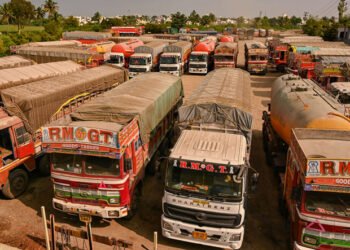
    Karnataka truck drivers have commenced an indefinite strike starting January 17, protesting against the new hit-and-run law proposed under the Bharatiya Nyaya Sanhita. This law, set to replace the Indian Penal Code, suggests severe penalties for drivers causing significant accidents through negligent driving and fleeing the scene without informing authorities. Under the new provisions, such drivers could face up to 10 years in prison or a fine of ₹7 lakh. This marks a substantial increase from the earlier punishment of two years specified in the British-era Indian Penal Code (IPC).


    The truckers’ strike is not isolated to Karnataka, as earlier this month, similar protests erupted in multiple states, including Maharashtra, Punjab, Madhya Pradesh, Uttar Pradesh, Himachal Pradesh, and others. The proposed changes have sparked widespread discontent among truck drivers and transport associations across the country.


    C. Naveen Reddy, the President of the Federation of Karnataka Lorry Owners’ Association, expressed dissatisfaction with the unilateral decision by the union government. Despite calls for discussions, Reddy claimed that officials did not provide any written assurances to address concerns raised by the trucking community. He labeled the decision as hasty and emphasized the lack of consultation with stakeholders before finalizing the new law.


    “We already informed all the truck drivers in the state, and we will be going on a strike. All heavy vehicles will go off-road from January 17,” stated Reddy, underlining the unanimous decision to withdraw services until their grievances are addressed.


    The new hit-and-run law has led to disruptions in the transportation sector, impacting fuel supplies and causing panic-buying at fuel stations. Additionally, the slowdown in truck movements has affected the supply chain, leading to concerns about essential commodities’ availability in various regions. Massive queues were witnessed at fuel stations, and traders reported a 10-15% rise in vegetable prices in Delhi due to supply chain disruptions.


    The protests by truck drivers highlight the broader challenges faced by the transportation industry, where stringent regulations and sudden policy changes can have cascading effects on logistics, commerce, and daily life. The All India Motor Transport Association (AIMTC) had earlier led nationwide protests against the new hit-and-run law. After a meeting with Union Home Secretary Ajay Bhalla on January 2, AIMTC decided to temporarily halt the protests.


    During the meeting, the government assured AIMTC members that the new laws had not been implemented yet and emphasized the need for consultations before their enforcement. The decision to suspend the protests reflected a tentative truce between the government and transport associations. However, with the initiation of a fresh strike in Karnataka, tensions have reignited, and the trucking community’s concerns continue to be a focal point of discussion.


    The trucking industry plays a pivotal role in the country’s economic ecosystem, facilitating the movement of goods and ensuring the supply of essential commodities. Any disruptions in this sector can have immediate and far-reaching consequences, affecting businesses, consumers, and the overall functioning of the economy.


    As the strike unfolds in Karnataka, it draws attention to the need for comprehensive dialogues between the government and stakeholders in the transportation sector. Balancing road safety concerns with the practical challenges faced by truckers requires a nuanced approach that considers the diverse perspectives within the industry.


    The ongoing protests underscore the importance of collaborative decision-making processes, where the concerns of truck drivers are taken into account while formulating and implementing policies related to road safety and transportation. Striking a balance between stringent regulations and the operational realities faced by the trucking community is crucial for maintaining the smooth functioning of the transportation network and ensuring the timely delivery of goods across the country.