Tag: transportation

  • Noida Man Receives Rs. 7.66 Crore Uber Bill for ₹26 Auto Ride

    Noida Man Receives Rs. 7.66 Crore Uber Bill for ₹26 Auto Ride

    The peculiar incident of a man from Noida, Uttar Pradesh, receiving a mind-boggling Uber bill of ₹7.66 crore for a ₹26 auto ride has sparked widespread attention and humor on social media platforms. The viral video, shared by Ashish Mishra on Twitter, showcased the incredulous moment when Deepak, a regular Uber customer, discovered the astronomical fare on his app.


    In the video, Deepak can be heard confirming the exorbitant amount he received in the Uber bill, which stood at ₹7,66,83,762, excluding Goods and Services Tax (GST). The breakdown of the bill revealed that ₹1,67,74,647 was charged as the “Trip fare,” while an astonishing ₹5,99,09189 was attributed to the waiting time cost. Despite a nominal promotional discount of ₹75, the total fare remained staggering.


    The humorous reactions on social media further amplified the absurdity of the situation. Some users jokingly speculated if Deepak had traveled from Mars, given the astronomical fare, while others quipped that even a lunar mission wouldn’t incur such expenses. The irony of the situation was not lost on netizens, with comparisons drawn to the magnitude of financial scandals and corruption.


    Amidst the jest and disbelief, the underlying question remained: How did such an exorbitant fare come to be? While billing errors are not unheard of, the sheer magnitude of this discrepancy raised eyebrows and generated curiosity among online audiences. Despite the apparent incredulity, the incident prompted discussions on the reliability of digital payment systems and the need for vigilance while using online services.


    The incident also shed light on the role of technology in modern transportation and the reliance on ride-hailing platforms like Uber for everyday commuting. While these platforms offer convenience and accessibility, they are not immune to glitches or technical malfunctions, as evidenced by this incident. The viral video served as a reminder of the potential pitfalls of digital transactions and the importance of double-checking invoices and receipts for accuracy.


    Furthermore, the episode underscored the power of social media in amplifying and disseminating unusual occurrences. Within moments of Ashish Mishra sharing the video, it garnered widespread attention and became a trending topic on various platforms. The collective amusement and astonishment expressed by users reflected the internet’s ability to transform mundane incidents into viral sensations.


    As the video continued to circulate online, speculation arose regarding the authenticity of the fare and whether it was a genuine billing error or a staged prank. While some questioned the plausibility of such an exorbitant charge for a simple auto ride, others remained skeptical, citing previous instances of elaborate hoaxes and internet pranks.


    Despite the ambiguity surrounding the incident, it served as fodder for online banter and lighthearted amusement. Netizens shared memes, jokes, and witty remarks, turning a bizarre billing error into a source of entertainment. The incident also prompted discussions on the intricacies of digital transactions, billing discrepancies, and the need for enhanced consumer protection measures in the digital age.


    The viral saga of the ₹7.66 crore Uber bill for a ₹26 auto ride captured the imagination of online audiences and sparked a wave of humor and incredulity. While the authenticity of the incident remains uncertain, it highlighted the potential risks and pitfalls of digital transactions and the power of social media in shaping public discourse. As the internet continues to be a platform for sharing and consuming content, even the most bizarre incidents can become overnight sensations, uniting people in laughter and amusement.

  • Bengaluru Techie Describes ‘Bad Experience’ with Uber Driver

    Bengaluru Techie Describes ‘Bad Experience’ with Uber Driver

    On a Saturday evening in Bengaluru, a techie had an unpleasant experience with an Uber cab driver, prompting him to share his ordeal on social media. In a post on X (formerly Twitter), user @striver_79 recounted how he and his friend were left stranded in the middle of the road during a 1.5-hour journey after an altercation with the driver.


    According to the user’s account, the trouble began when they noticed that the cab driver was continuously talking on the phone on loudspeaker mode. After enduring the noise for 30 minutes, they politely requested the driver to use headphones or speak later. However, their request was met with verbal abuse, and the driver demanded that they exit the vehicle, citing discomfort with riding with them.


    Expressing his disappointment, the techie described it as his first bad experience in Bengaluru. The incident unfolded when they booked an Uber for a journey with an estimated duration of 1.5 hours. However, the driver’s behavior soured the experience, leading to their premature ejection from the cab.


    Promptly, other netizens chimed in, sharing their own encounters with Uber drivers. One user even managed to identify the driver based on the description provided by the original poster. The collective sentiment echoed the frustration of dealing with unprofessional behavior from cab drivers, ranging from incessant phone calls to the refusal to switch on the air conditioning.


    In response to the outcry, Uber India acknowledged the incident and assured the affected user that such behavior was unacceptable. They pledged to prioritize safety and requested the user to provide their registered Uber account contact details for further investigation by their safety team.


    The incident shed light on the challenges faced by passengers when using ride-sharing services like Uber. While these platforms offer convenience and affordability, instances of driver misconduct or negligence can mar the overall experience and compromise passenger safety.


    The techie’s experience highlighted the importance of addressing issues related to driver behavior and ensuring adherence to service standards. Customers expect a certain level of professionalism and courtesy from drivers, and incidents like these erode trust in the platform and can deter users from utilizing such services in the future.


    Moreover, the incident underscored the need for effective communication channels between passengers and service providers. Prompt and responsive customer support is essential for addressing grievances and resolving disputes in a timely manner. By offering a platform for users to voice their concerns and facilitating swift action, companies like Uber can enhance customer satisfaction and loyalty.


    Additionally, the incident sparked a broader conversation about the quality of service provided by ride-sharing companies. While these platforms have revolutionized transportation and made commuting more convenient, issues such as driver behavior, vehicle maintenance, and adherence to safety protocols remain areas of concern.


    In light of these challenges, there is a growing demand for stricter regulations and oversight to ensure the safety and well-being of passengers. Government authorities and regulatory bodies play a crucial role in enforcing standards and holding companies accountable for lapses in service delivery.


    Furthermore, incidents like these highlight the importance of empowering passengers with the knowledge and tools to protect themselves. Educating users about their rights, safety features within the app, and how to report incidents can empower them to navigate challenging situations effectively.


    Ultimately, the incident with techie serves as a reminder that while technology has transformed the way we travel, ensuring a safe and reliable experience requires collaboration between service providers, regulatory authorities, and passengers themselves. By addressing issues proactively and fostering a culture of accountability, companies like Uber can continue to improve the quality and safety of their services.

  • New Jalpaiguri-Patna Vande Bharat Express

    New Jalpaiguri-Patna Vande Bharat Express

    The inauguration of the New Jalpaiguri-Patna Vande Bharat Express marks a significant development in the realm of railway connectivity, offering enhanced transportation services between these two important cities. Prime Minister Narendra Modi flagged off this semi-high-speed train on Tuesday, and it is scheduled to commence operations from March 14.


    Operating from both ends, the New Jalpaiguri-Patna Vande Bharat Express will depart from New Jalpaiguri at 5:15 a.m. and arrive at Patna Junction at 12:10 p.m. on the same day. On its return journey, the train will leave Patna at 1:00 p.m. and reach New Jalpaiguri at 8:00 p.m., covering a distance of 471 km via Kishanganj and Katihar. The train is expected to complete the journey in approximately 7 hours on each leg of the trip, providing commuters with a swift and efficient mode of transportation.


    Equipped with eight coaches, including one executive class, five chair cars, and two driver trail coaches, the New Jalpaiguri-Patna Vande Bharat Express boasts a seating capacity of 530 passengers. This state-of-the-art train aims to offer a comfortable and convenient travel experience for passengers traversing between these key cities.


    The introduction of the New Jalpaiguri-Patna Vande Bharat Express is poised to significantly improve connectivity and accessibility for residents of Kishanganj, Katihar, and surrounding areas. By providing seamless transportation services, the train will facilitate easier movement of people and goods, contributing to economic growth and development in the region.


    With the launch of this new service, West Bengal now boasts a total of six Vande Bharat trains, further enhancing the state’s connectivity and transportation infrastructure. This expansion of railway services reflects the government’s commitment to improving connectivity and facilitating travel for citizens across various regions.


    In addition to the New Jalpaiguri-Patna route, Prime Minister Narendra Modi also inaugurated another Vande Bharat Express train that will operate between Patna and Gomti Nagar. These initiatives underscore the government’s focus on modernizing and upgrading India’s railway network to meet the evolving needs of passengers and enhance the overall travel experience.


    Looking ahead, the Tripura chief minister, Manik Saha, expressed optimism about the prospect of Vande Bharat Express trains operating in Tripura once the electrification work on rail lines is completed. He emphasized the transformative impact of such infrastructure projects on the region’s development and highlighted the government’s commitment to transparency and accountability in governance.


    Overall, the launch of the New Jalpaiguri-Patna Vande Bharat Express signifies a significant milestone in India’s railway modernization efforts, promising improved connectivity, efficiency, and comfort for passengers traveling between these important cities.

  • PM Narendra Modi Inaugurates Signature Bridge

    PM Narendra Modi Inaugurates Signature Bridge

    PM Narendra Modi is set to inaugurate the Signature Bridge linking Okha and Beyt in Dwarka, a significant event scheduled for February 25. Spanning approximately 2.32 kilometers, it stands as the nation’s longest cable-stayed bridge, connecting the Okha mainland with Beyt Dwarka. This infrastructure project, constructed at a cost of ₹978 crore, holds profound importance for residents and pilgrims alike, particularly those visiting the revered Dwarkadhish temple.


    Initiated by the Centre in 2017 and inaugurated by PM Narendra Modi, the construction of the Signature Bridge began with a groundbreaking ceremony, marking a pivotal step towards enhancing connectivity in the region. The primary objective behind the bridge’s development is to streamline access for devotees commuting between Okha and Bet Dwarka. Prior to its construction, pilgrims had to rely on boat transport to reach the Dwarkadhish Temple in Beyt, Dwarka, making the journey arduous and time-consuming.


    Here are key highlights about the bridge:

    • Length and Cost: The Signature Bridge boasts a length of 2.5 kilometers and was constructed at a cost of ₹978 crore, making it a significant infrastructure investment aimed at bolstering connectivity in the region.


    • Initiation: The project was initiated by the Central government in 2017, underscoring its commitment to improving transportation infrastructure and facilitating easier access for pilgrims and residents alike.


    • Purpose: One of the primary objectives behind the construction of the Signature Bridge is to simplify the journey for devotees traveling between Okha and Bet Dwarka. By providing a direct link between the two locations, the bridge aims to streamline transportation and enhance accessibility to the revered Dwarkadhish Temple.


    • Enhanced Connectivity: The completion of the bridge marks a significant milestone in improving connectivity in the region. Previously, pilgrims had to rely on boat transport, which was often subject to weather conditions and posed challenges in terms of reliability and convenience.


    • Symbol of Progress: The inauguration of the Signature Bridge symbolizes progress and development in the region, reflecting the government’s commitment to infrastructure development and improving the quality of life for residents.


    • Tourism Boost: The enhanced connectivity provided by the bridge is expected to give a significant boost to tourism in the area. With easier access to the Dwarkadhish Temple, pilgrims and tourists alike can now visit the sacred site more conveniently, contributing to the local economy and promoting religious tourism.


    • Engineering Marvel: As the longest cable-stayed bridge in the country, the Signature Bridge stands as an engineering marvel, showcasing India’s prowess in infrastructure development and construction technology.


    • Aesthetic Appeal: In addition to its functional significance, the bridge is also expected to enhance the aesthetic appeal of the region, serving as a landmark structure and attracting visitors from far and wide.


    • Government Initiative: The construction of the Signature Bridge underscores the government’s commitment to investing in critical infrastructure projects that benefit the public and contribute to the overall development of the region.


    • Inauguration Ceremony: The inauguration of the Signature Bridge by Prime Minister Narendra Modi is a momentous occasion that highlights the significance of the project and its potential to transform transportation and connectivity in the region.
  • Delhi Metro to Commence Early Services at 4 am on Republic Day

    Delhi Metro to Commence Early Services at 4 am on Republic Day

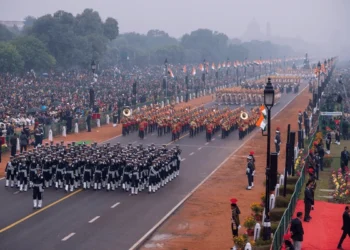
    Delhi Metro is gearing up to provide early services on January 26, Republic Day, facilitating public access to Kartavya Path for the 75th Republic Day ceremony. The Delhi Metro Rail Corporation (DMRC) has announced that services will commence at 4 am across all lines, allowing commuters to reach the venue in time for the event. The initiative aims to accommodate individuals attending the Republic Day ceremony, ensuring convenient transportation options.


    According to the DMRC statement, train services will be available at intervals of 30 minutes from 4 am to 6 am. After 6 am, the regular timetable will be followed for the rest of the day. Passengers in possession of bona fide e-invitation cards or e-tickets for the Republic Day ceremony will be issued coupons upon presenting government-issued identity cards at stations. These coupons will be valid for exits from Central Secretariat and Udyog Bhawan stations, enabling attendees to reach Kartavya Path. The same coupons will facilitate return journeys from these two stations.


    Delhi Metro has advised passengers to deboard at Udyog Bhawan for specific enclosures (Enclosures 1 to 9, V1 & V2) and at Central Secretariat for other enclosures (Enclosures 10 to 24 and VN). Announcements within the trains will guide passengers to ensure a smooth journey to their designated enclosures.


    The DMRC statement highlights that the cost associated with these special event coupons (tickets) will be reimbursed to the Delhi Metro by the Ministry of Defence, indicating collaborative efforts to facilitate the transportation of attendees to the Republic Day ceremony.


    This year’s Republic Day celebrations will witness French President Emmanuel Macron as the chief guest, attending the event at the invitation of Prime Minister Narendra Modi. Macron’s presence reflects the strong diplomatic ties between India and France, with French armed forces participating in the Republic Day parade and flypast alongside their Indian counterparts.


    In anticipation of the Republic Day festivities, Delhi Police have implemented extensive security arrangements to ensure the safety and security of the expected 77,000 invitees at Kartavya Path. Approximately 14,000 security personnel will be deployed in and around Kartavya Path, the venue for the Republic Day parade, to manage the event effectively and maintain a secure environment.


    The early morning Metro services on Republic Day align with efforts to enhance public transportation accessibility during significant national events, promoting the efficient movement of attendees and contributing to the success of the celebrations.

  • Karnataka Truck Drivers Launch Indefinite Strike Against Law

    Karnataka Truck Drivers Launch Indefinite Strike Against Law

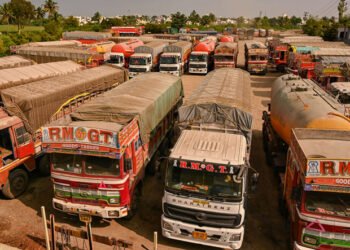
    Karnataka truck drivers have commenced an indefinite strike starting January 17, protesting against the new hit-and-run law proposed under the Bharatiya Nyaya Sanhita. This law, set to replace the Indian Penal Code, suggests severe penalties for drivers causing significant accidents through negligent driving and fleeing the scene without informing authorities. Under the new provisions, such drivers could face up to 10 years in prison or a fine of ₹7 lakh. This marks a substantial increase from the earlier punishment of two years specified in the British-era Indian Penal Code (IPC).


    The truckers’ strike is not isolated to Karnataka, as earlier this month, similar protests erupted in multiple states, including Maharashtra, Punjab, Madhya Pradesh, Uttar Pradesh, Himachal Pradesh, and others. The proposed changes have sparked widespread discontent among truck drivers and transport associations across the country.


    C. Naveen Reddy, the President of the Federation of Karnataka Lorry Owners’ Association, expressed dissatisfaction with the unilateral decision by the union government. Despite calls for discussions, Reddy claimed that officials did not provide any written assurances to address concerns raised by the trucking community. He labeled the decision as hasty and emphasized the lack of consultation with stakeholders before finalizing the new law.


    “We already informed all the truck drivers in the state, and we will be going on a strike. All heavy vehicles will go off-road from January 17,” stated Reddy, underlining the unanimous decision to withdraw services until their grievances are addressed.


    The new hit-and-run law has led to disruptions in the transportation sector, impacting fuel supplies and causing panic-buying at fuel stations. Additionally, the slowdown in truck movements has affected the supply chain, leading to concerns about essential commodities’ availability in various regions. Massive queues were witnessed at fuel stations, and traders reported a 10-15% rise in vegetable prices in Delhi due to supply chain disruptions.


    The protests by truck drivers highlight the broader challenges faced by the transportation industry, where stringent regulations and sudden policy changes can have cascading effects on logistics, commerce, and daily life. The All India Motor Transport Association (AIMTC) had earlier led nationwide protests against the new hit-and-run law. After a meeting with Union Home Secretary Ajay Bhalla on January 2, AIMTC decided to temporarily halt the protests.


    During the meeting, the government assured AIMTC members that the new laws had not been implemented yet and emphasized the need for consultations before their enforcement. The decision to suspend the protests reflected a tentative truce between the government and transport associations. However, with the initiation of a fresh strike in Karnataka, tensions have reignited, and the trucking community’s concerns continue to be a focal point of discussion.


    The trucking industry plays a pivotal role in the country’s economic ecosystem, facilitating the movement of goods and ensuring the supply of essential commodities. Any disruptions in this sector can have immediate and far-reaching consequences, affecting businesses, consumers, and the overall functioning of the economy.


    As the strike unfolds in Karnataka, it draws attention to the need for comprehensive dialogues between the government and stakeholders in the transportation sector. Balancing road safety concerns with the practical challenges faced by truckers requires a nuanced approach that considers the diverse perspectives within the industry.


    The ongoing protests underscore the importance of collaborative decision-making processes, where the concerns of truck drivers are taken into account while formulating and implementing policies related to road safety and transportation. Striking a balance between stringent regulations and the operational realities faced by the trucking community is crucial for maintaining the smooth functioning of the transportation network and ensuring the timely delivery of goods across the country.

  • PM Modi Unveils ₹5,000 Crore Worth of Projects in Rajasthan

    PM Modi Unveils ₹5,000 Crore Worth of Projects in Rajasthan

    Prime Minister Narendra Modi unveiled a series of development projects worth ₹5,000 crore in Rajasthan, a state gearing up for upcoming elections. These projects span various sectors, including transportation, healthcare, and education, and are expected to significantly contribute to the state’s continued development.


    During an event in the region, PM Modi initiated a range of development initiatives and also laid the foundation stone for some of them. The projects encompass critical areas of infrastructure and public services, and PM Modi emphasized their role in furthering Rajasthan’s development.


    In his address, PM Modi stated, “The projects started today will lead to further development. Together we have to make Rajasthan a developed and prosperous state.”


    PM Modi also took a swipe at the Aam Aadmi Party (AAP) during his speech, mentioning the “lal diary” that allegedly contains records of corruption by Congress. This reference comes in the context of recent arrests related to the revoked liquor excise policy in the national capital.


    The Prime Minister highlighted the significant progress in electrifying railway lines in Rajasthan, comparing the achievements of the last nine years to the period before 2014. He noted that while only 600 km of railway line had been electrified in Rajasthan until 2014, more than 3,700 km of railway tracks have been electrified in the state over the past nine years.


    Among the projects inaugurated, PM Modi initiated a 350-bed trauma center and a critical care hospital block at the All India Institute of Medical Sciences (AIIMS) in Jodhpur. This facility, with a budget of over ₹350 crore, will provide comprehensive care to trauma and emergency patients.


    Additionally, the Prime Minister launched seven critical care blocks as part of the Pradhan Mantri Ayushman Bharat Health Infrastructure Mission (PM-ABHIM) to be established across Rajasthan. These critical care blocks are expected to bolster critical care infrastructure at the district level.


    PM Modi also inaugurated the Indian Institute of Technology (IIT) Jodhpur campus, a state-of-the-art facility constructed at a cost exceeding ₹1,135 crore. The expansion of educational infrastructure also extended to the Central University of Rajasthan, where the Prime Minister initiated several projects, including a central instrumentation laboratory, staff accommodations, and facilities for yoga and sports sciences.


    Moreover, road development projects with a total budget of approximately ₹1,475 crore were initiated, including the notable Jodhpur Ring Road, which aims to alleviate traffic congestion and reduce emissions within the city.


    These development projects hold particular significance as Rajasthan prepares for elections later this year. The Bharatiya Janata Party (BJP) aims to challenge the incumbent Congress government in the state, making these initiatives an essential part of their electoral campaign.

  • Bus Drivers on Wet Lease Strike in Mumbai

    Bus Drivers on Wet Lease Strike in Mumbai

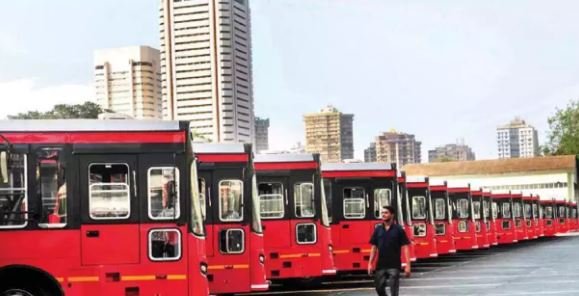
    On 2 August, bus drivers on wet lease went on strike at the Vikroli, Mulund, and Ghatkopar bus depots in Mumbai, impacting the bus services of Brihanmumbai Electric Supply and Transport (BEST) on multiple routes. The strike was called by employees of the private bus operator SMT, also known as the Daga Group, who demanded a salary hike. As a result, services on several bus routes were disrupted.


    BEST, which operates the bus services in Mumbai and neighboring areas, has hired buses from various contractors, including the Daga Group, on a wet lease model. Under this model, private operators own the vehicles and are responsible for maintenance, fuel, and drivers’ salaries.


    This is not the first time such a strike has occurred. On 18 July, 30 drivers of wet lease buses at the Wadala bus depot had also gone on a flash strike, according to a report by Hindustan Times.


    BEST is a crucial transportation lifeline in Mumbai, ferrying approximately 30 lakh passengers per day in various parts of the city and its neighboring regions like Thane, Mira-Bhayander, and Navi Mumbai.


    In contrast, on 28 July, BEST took a positive step towards improving its fleet by adding 10 new double-decker electric buses to its existing fleet of 24. These electric buses arrived at the undertaking’s Colaba depot after a gap of two months and are set to be deployed for public service once they complete RTO registration and other formalities, as reported by PTI.


    The addition of these electric buses brings the total number of double-decker electric buses to 24, surpassing the count of conventional double-decker buses, which has fallen below 20 due to the scrapping of older vehicles. As of now, BEST’s fleet size stands at 3,100, with several buses being taken on a wet lease, a mechanism where private contractors handle fuel, maintenance, and driver salaries.


    The ongoing strike by bus drivers on wet lease highlights the challenges and issues faced by public transport services in Mumbai. The demands of the striking drivers and the response of the authorities will be crucial in resolving the situation and ensuring the smooth functioning of the city’s bus services, which are vital for daily commuters.

  • The future of transportation and self driving

    The future of transportation and self driving

    Self-Driving Cars

    – Self-driving cars are becoming more and more common, with many companies investing in the technology.


    – While there are still some concerns about safety and reliability, many experts believe that self-driving cars will eventually become the norm.


    – Self-driving cars could have a number of benefits, including reducing the number of accidents caused by human error and making transportation more efficient.


    – However, there are also concerns about the impact of self-driving cars on employment, as many jobs could be lost if self-driving cars become widespread.


    Public Transportation

    – Public transportation is also likely to change in the future, with more emphasis on electric and hybrid vehicles.


    – Many cities are investing in electric buses and trains, which could help to reduce air pollution and make transportation more sustainable.


    – There are also a number of new technologies being developed that could make public transportation more efficient, such as real-time tracking and scheduling systems.


    – However, there are still concerns about the cost and accessibility of public transportation, particularly in rural areas.


    Hyperloop

    – The hyperloop is a new form of transportation that could revolutionize the way we travel.


    – The hyperloop involves traveling in a high-speed pod through a vacuum-sealed tube, which could allow for travel speeds of up to 700 miles per hour.


    – While the technology is still in the early stages of development, many experts believe that it could eventually become a viable form of transportation.


    – The hyperloop could have a number of benefits, including reducing travel times and making transportation more efficient.


    Drones

    – Drones are already being used for a variety of purposes, including package delivery and aerial photography.


    – In the future, drones could also be used for transportation, particularly in areas that are difficult to access by traditional means.


    – However, there are still concerns about safety and privacy when it comes to the use of drones for transportation.


    – There are also questions about the feasibility of using drones for transportation on a large scale, particularly in heavily populated areas.


    Flying Cars

    – Flying cars have been a staple of science fiction for decades, but they could become a reality in the near future.


    – There are a number of companies working on developing flying cars, which could allow for faster and more efficient transportation.


    – However, there are still many challenges to overcome when it comes to the development of flying cars, including safety concerns and the need for new infrastructure.


    – Flying cars are a fascinating concept that could change the way we travel in the future.


    – These vehicles could allow for faster and more efficient transportation, particularly in areas with heavy traffic.


    – However, there are still many challenges to overcome when it comes to the development of flying cars.


    – Safety is a major concern, as flying cars would need to be able to operate safely in a crowded airspace.


    – There are also questions about the need for new infrastructure, as flying cars would require takeoff and landing areas that are separate from traditional roads.


    – Despite these challenges, many experts believe that flying cars could eventually become a reality, particularly as new technologies continue to be developed.