Tag: TMC

  • WB Elections: Battle Lines Drawn Between TMC and BJP

    WB Elections: Battle Lines Drawn Between TMC and BJP

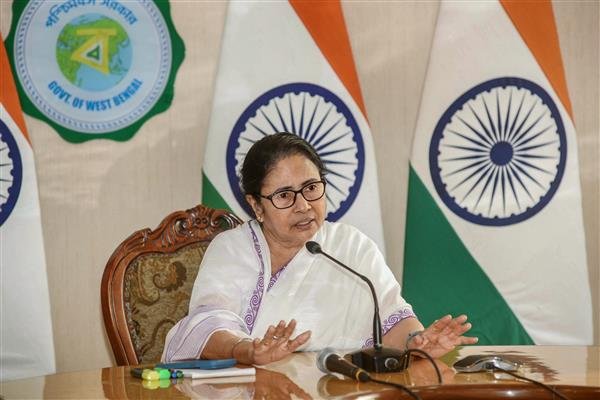
    The battleground for the Lok Sabha elections in West Bengal is set, with the Trinamool Congress (TMC) led by Mamata Banerjee and the Bharatiya Janata Party (BJP) gearing up for a high-stakes political showdown battle. With 42 Lok Sabha seats at stake, West Bengal holds significant electoral importance, making it a crucial battleground for both parties.


    The political landscape in West Bengal has undergone significant shifts in recent years, with the BJP emerging as the principal challenger to the ruling TMC. While the opposition ‘INDIA bloc’ failed to materialize in Bengal, the state Pradesh Congress is still exploring the possibility of forming an alliance with the Left parties, with whom it had partnered during the 2021 state polls. However, an official alliance for the upcoming Lok Sabha elections is yet to be announced.


    In the upcoming elections, the BJP is expected to rely heavily on the popularity and persona of Prime Minister Narendra Modi to woo voters in the state. Meanwhile, the TMC, led by Mamata Banerjee, is seeking to defend its turf and consolidate its position amidst growing opposition from the BJP, hence the battle.


    Several key issues are likely to dominate the electoral discourse in West Bengal:

    • Corruption: Allegations of widespread corruption within the Trinamool ranks have emerged as a potent weapon for the BJP. The party has accused the TMC of indulging in corrupt practices, leading to the arrest of several top TMC leaders on charges ranging from recruitment scams to irregularities in food grain distribution.


    • Sandeshkhali and women voters: The recent violence and protests in Sandeshkhali, coupled with allegations of sexual abuse against TMC leaders, have tarnished the ruling party’s image. Mamata Banerjee, who has enjoyed strong support from women voters, now faces the challenge of addressing these allegations and retaining their trust.


    • The ‘Bohiragoto’ tag: The TMC’s narrative of portraying the BJP as ‘outsiders’ and ‘Bengal-haters’ has been a recurring theme in the state’s political discourse. The BJP, on the other hand, seeks to counter this narrative by emphasizing its commitment to the state’s development and welfare.


    • Central funds: The TMC has accused the central government of withholding funds earmarked for development projects in Bengal, leading to financial distress in rural areas. Mamata Banerjee has pledged to disburse funds from state coffers to address this issue, while challenging the BJP to a debate on the matter.


    • Citizenship Amendment Act (CAA): Mamata Banerjee has vehemently opposed the CAA, accusing the central government of using it as a tool to target immigrants. The BJP, however, sees the CAA as a potential electoral advantage, especially among the Matua community in Bengal.


    • Setting theory: The Left and Congress are likely to revive the theory of a “tacit understanding” between Modi and Mamata, alleging that the central agencies have been lenient in their investigations against TMC leaders. This issue is expected to feature prominently in their campaign.


    In addition to these issues, both parties are likely to focus on other contentious issues such as the misuse of central agencies, law and order, and the politicization of the police and administration in Bengal. As the election campaign heats up, West Bengal is poised for a fierce electoral battle that will shape the state’s political landscape for years to come.

  • West Bengal CM Mamata Banerjee Suffers Injury in Accident

    West Bengal CM Mamata Banerjee Suffers Injury in Accident

    West Bengal Chief Minister Mamata Banerjee’s recent accident has sparked concerns and well-wishes from across the political spectrum. The Trinamool Congress (TMC) revealed that Banerjee sustained “major injuries” in the accident, which occurred at her residence in Kalighat, South Kolkata. The 69-year-old leader was admitted to the Woodburn Ward of the state-run SSKM Hospital, where she received medical attention for injuries to her forehead that required stitches.


    Images shared by the TMC on social media showed Banerjee lying in a hospital bed with a visible cut on her forehead and blood on her face. According to her family, Banerjee fell inside her home shortly after returning from a public event.


    “We wish for the speedy recovery of the chief minister,” said West Bengal State Bharatiya Janata Party (BJP) President Sukanta Majumdar, echoing sentiments expressed by others across the political spectrum, including TMC national general secretary Abhishek Banerjee and State Congress president Adhir Ranjan Chowdhury.


    The accident has drawn attention to Banerjee’s vocal opposition to the Citizenship Amendment Act (CAA), which she has described as a “gimmick” and vowed not to implement in West Bengal. Banerjee has been outspoken in her criticism of the CAA, warning residents against applying for citizenship under the act and cautioning that it could lead to their categorization as “illegal migrants” and the loss of their rights. She has also linked the CAA to the National Register of Citizens (NRC), further heightening tensions surrounding the controversial legislation.


    Union Home Minister Amit Shah has countered Banerjee’s stance on the CAA, accusing her of misunderstanding the difference between refugees and infiltrators. Shah has called on Banerjee to reconsider her opposition to the CAA, emphasizing that the legislation aims to provide refuge to persecuted minorities from neighboring countries, particularly Bengali Hindus from Bangladesh. He has urged Banerjee to clarify which specific clause of the CAA threatens the citizenship rights of individuals and accused her of exploiting communal divisions for political gain.


    Banerjee’s accident has occurred against the backdrop of heightened political tensions in West Bengal, where the ruling TMC and the BJP have been engaged in a fierce electoral battle. The incident has elicited expressions of concern and solidarity from political rivals, highlighting the importance of unity and civility in times of crisis.


    As Banerjee recovers from her injuries, the incident serves as a reminder of the need for political leaders to prioritize dialogue and cooperation over confrontation. Regardless of ideological differences, the well-being of public officials should be a shared concern, underscoring the value of compassion and empathy in the political arena.

  • TMC Drops Nusrat Jahan, Fields Nurul Islam

    TMC Drops Nusrat Jahan, Fields Nurul Islam

    The Trinamool Congress (TMC) made significant announcements regarding its candidates for the upcoming Lok Sabha elections in West Bengal. Among the notable decisions was the dropping of MP Nusrat Jahan from contesting the Basirhat Lok Sabha seat, a move that garnered attention amid the Sandeshkhali row. Instead, the party has fielded Nurul Islam as the candidate for the Basirhat seat.


    Mamata Banerjee-led TMC revealed its list of 42 candidates from West Bengal, comprising several high-profile names. Notable inclusions are former cricketer Yousuf Pathan, who will contest from the Baharampur seat, and Shatrughan Sinha, who will represent the party in Asansol. Additionally, Kirti Azad has been fielded from Durgapur, among others.


    The decision to drop Nusrat Jahan and field Nurul Islam reflects the party’s strategic considerations amidst ongoing controversies. Nusrat Jahan’s exclusion comes in the wake of the Sandeshkhali row, suggesting a response to internal and external pressures within the party.


    The TMC’s decision to nominate candidates for all 42 seats in West Bengal puts an end to speculation regarding seat-sharing pacts with other parties, particularly the Congress. Despite not forming an alliance with the Congress, the TMC maintains its affiliation with the grand old party in the INDIA bloc.


    Abhishek Banerjee, the nephew of West Bengal Chief Minister Mamata Banerjee, made the official announcement of the TMC candidates in Kolkata. The move demonstrates the party’s assertiveness and autonomy in decision-making, signaling a departure from potential collaborative arrangements with other political entities.


    The announcement of candidates by the TMC prompted reactions from various quarters, including Congress MP Jairam Ramesh. Ramesh emphasized the importance of mutual negotiations and collective decision-making in seat-sharing talks. He expressed the Congress’s willingness to strengthen the INDIA alliance in West Bengal while advocating for a respectful and collaborative approach to seat allocation.


    The decision-making process within the TMC reflects the party’s strategy to consolidate its position and assert its dominance in West Bengal politics. By nominating candidates for all 42 seats, the TMC aims to project strength and unity, sending a message of readiness to contest the upcoming elections independently.


    The exclusion of Nusrat Jahan and the nomination of Nurul Islam underscore the party’s focus on addressing internal rifts and external challenges effectively. It also highlights the TMC’s commitment to adapting to changing political dynamics and responding to emerging controversies proactively.


    While the TMC’s decision may have disappointed some quarters, particularly those hoping for a seat-sharing pact with the Congress, it reaffirms the party’s resolve to chart its own course and pursue its political agenda independently.


    As the Lok Sabha elections draw nearer, the TMC’s candidate list sets the stage for a fiercely contested electoral battle in West Bengal. With high-profile candidates and strategic maneuvering, the TMC aims to retain its stronghold in the state and secure a significant victory in the upcoming polls.


    Overall, the TMC’s announcement of candidates for all 42 Lok Sabha seats in West Bengal reflects its assertive approach, strategic calculations, and readiness to navigate the complex political landscape of the state.

  • Calcutta HC: Continuance of Suspended Shahjahan Sheikh

    Calcutta HC: Continuance of Suspended Shahjahan Sheikh

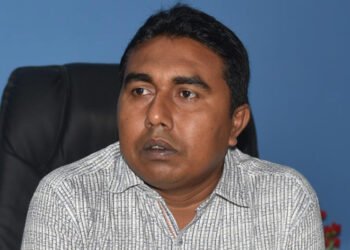
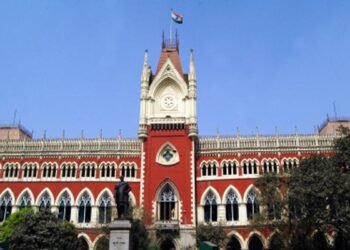
    The recent developments surrounding suspended TMC leader Shahjahan Sheikh have brought significant attention to the corridors of power in West Bengal. With allegations of land grabbing and sexual assault hanging over him, the Calcutta High Court has stepped in to question his continued role as the Pradhan of the Zilla Parishad in Sandeshkhali.


    Just a day after Shahjahan Sheikh was handed over to the Central Bureau of Investigation (CBI) in connection with the alleged crimes, the High Court raised pertinent questions about his status. Additional Solicitor General Ashok Kr Chakraborty, representing the government, highlighted that despite his suspension from the Trinamool Congress, Sheikh still retains powers akin to a state cabinet minister. This revelation has sparked concerns about the appropriateness of his position as the chief of Zilla Parishad.


    During the court proceedings, the bench comprising Chief Justice TS Sivagnanam and Justice Hiranmay Bhattacharyya sought clarity from Advocate General Kishore Datta regarding Sheikh’s tenure. The question posed was direct and crucial: Should Shahjahan Sheikh be allowed to continue as the chief of Zilla Parishad given the serious allegations against him? While Datta pointed out Sheikh’s suspension from TMC, the bench appeared skeptical and decided to defer the matter for further deliberation on April 4. Moreover, the Chief Justice emphasized the need to ensure that Sheikh refrains from exercising any powers until the next hearing date.


    The backdrop against which these legal proceedings unfold is one of public outcry and grassroots activism. Sandeshkhali, the epicenter of the controversy, has witnessed widespread demonstrations, particularly led by women, demanding justice for the alleged victims of sexual assault and land grabbing. The District Magistrate (DM) and Block Development Officer (BDO) of Sandeshkhali have begun the process of reclaiming the lands grabbed by Sheikh and his associates, returning them to their rightful owners. However, the court has mandated that this restoration process must ensure the lands are returned only after being restored to their original state, underscoring the gravity of the situation.


    The turmoil in Sandeshkhali has not gone unnoticed on the national stage, particularly in the context of the upcoming Lok Sabha elections in 2024. The Bharatiya Janata Party (BJP), keen to make inroads into West Bengal’s political landscape, has seized upon this issue to corner the ruling Trinamool Congress (TMC). Prime Minister Narendra Modi’s recent visit to Sandeshkhali, where he met with the victims of sexual assault, served as a stark indictment of the Mamata Banerjee-led government’s handling of the matter. PM Modi minced no words in accusing the state government of shielding Shahjahan Sheikh and condemning it as an “act of shame.”


    The political ramifications of this controversy extend beyond the borders of West Bengal, resonating across the country. The TMC, facing mounting pressure and scrutiny, finds itself on the defensive, forced to address allegations of corruption and criminality within its ranks. Meanwhile, the BJP, emboldened by its electoral gains in the state, is capitalizing on the opportunity to portray itself as the champion of justice and accountability.


    At the heart of this saga lies the quest for justice and accountability. The residents of Sandeshkhali, particularly the victims of alleged crimes, are looking to the judiciary and law enforcement agencies to deliver swift and impartial justice. The proceedings in the Calcutta High Court represent a crucial step towards addressing their grievances and restoring faith in the rule of law.


    As the legal battle unfolds and the political rhetoric escalates, one thing remains clear: the fate of Shahjahan Sheikh and the broader implications of this case will have far-reaching consequences for the socio-political landscape of West Bengal. Whether justice is served and accountability upheld will ultimately shape the narrative of governance and democracy in the state.

  • Former Calcutta HC Judge Abhijit Gangopadhyay Joins BJP

    Former Calcutta HC Judge Abhijit Gangopadhyay Joins BJP

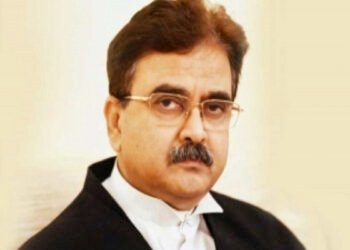
    Former Calcutta High Court Judge Abhijit Gangopadhyay made headlines on Tuesday as he announced his decision to join the Bharatiya Janata Party (BJP) just hours after tendering his resignation from his judicial post. This move marks a significant shift for Gangopadhyay, signaling his entry into active politics in West Bengal, a state known for its fiercely contested political landscape.


    During a press conference, Gangopadhyay cited the BJP’s status as a national party and its commitment to combating corruption as the primary reasons for his decision to join. He expressed his alignment with the BJP’s vision and emphasized the need to counter the alleged corruption of the ruling Trinamool Congress (TMC) in Bengal. His move is seen as a notable development in the state’s political dynamics, particularly amidst the upcoming assembly elections.


    Gangopadhyay revealed that he would formally join the BJP on March 7, indicating a clear timeline for his transition into his new political role. While there has been speculation about his candidacy in the forthcoming Lok Sabha polls, particularly from Bengal’s Tamluk constituency, Gangopadhyay maintained that the party leadership would decide on such matters. Tamluk has historically been a stronghold of the TMC, adding intrigue to Gangopadhyay’s potential electoral bid.


    His resignation from the Calcutta High Court was submitted to President Droupadi Murmu, with copies sent to Chief Justice of India DY Chandrachud and Calcutta HC Chief Justice TS Sivagnanam. This move came as a surprise to many, sparking speculation about the motivations behind Gangopadhyay’s decision and its potential implications for Bengal’s political landscape.


    Gangopadhyay’s tenure as a judge was marked by several controversial rulings, particularly in cases related to education issues in the state. His decisions often led to heated political debates, with critics accusing him of bias and political motivations. In February, the Supreme Court received a plea from Trinamool Congress leader Abhishek Banerjee, urging action against Gangopadhyay for alleged politically motivated statements and interviews on sub-judice cases.


    Speaking to the media, Gangopadhyay explained that his resignation was prompted by a sense of duty and conscience, particularly in light of the corruption scandals that have plagued the education sector in Bengal. He highlighted the ongoing trials of prominent individuals involved in these scandals as evidence of the systemic corruption that he aimed to address through his decision to enter politics.


    Gangopadhyay’s transition from the judiciary to active politics underscores the growing influence of the BJP in West Bengal and its efforts to expand its presence in the state. His entry into the political arena adds another dimension to the already intense electoral competition, with the BJP seeking to challenge the TMC’s dominance in the region.


    As Gangopadhyay embarks on this new chapter in his career, all eyes will be on his role within the BJP and his potential impact on the upcoming elections. His decision to join the party reflects broader shifts in Bengal’s political landscape and sets the stage for a fiercely contested electoral battle in the state.

  • Delhi HC Dismisses Mahua Moitra’s Plea in Cash for Query Case

    Delhi HC Dismisses Mahua Moitra’s Plea in Cash for Query Case

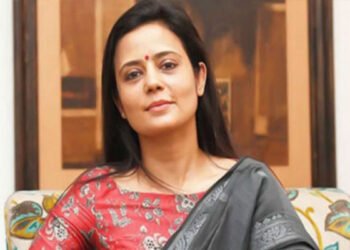
    The Delhi High Court’s dismissal of expelled Trinamool Congress (TMC) MP Mahua Moitra’s plea seeking to restrict BJP MP Nishikant Dubey and lawyer Jai Anant Dehadrai from posting defamatory content against her marks a significant development in the ongoing controversy surrounding the cash for query scam case.


    In its ruling, the bench of Justice Sachin Datta observed that Moitra’s injunction application was dismissed, indicating a setback for the former TMC MP in her legal battle against the allegations leveled against her.


    The backdrop of the plea is Moitra’s challenge to her expulsion by the Ethics Committee of Lok Sabha in December 2023. She was expelled on allegations of accepting a bribe from businessman Darshan Hiranandani in exchange for asking questions in the Lok Sabha. The Ethics Committee cited Moitra’s sharing of her Lok Sabha login credentials with another individual as ‘Unethical Conduct’ and ‘Contempt of the House.’


    The committee’s report called for a thorough investigation into the alleged cash transaction between Moitra and Hiranandani, terming it a ‘quid pro quo’ arrangement. It recommended an intense legal inquiry against Moitra by the central government.


    Subsequently, the Central Bureau of Investigation (CBI) initiated a preliminary investigation into the accusations against Moitra. In response, Moitra provided her statements to the agency in February. The CBI is currently scrutinizing these responses and is expected to compile a report for submission to the anti-corruption ombudsman, Lokpal.


    Moreover, the CBI has reportedly conducted interviews with Jai Anant Dehadrai and Darshan Hiranandani, indicating progress in the investigative process.


    Moitra has vehemently denied the allegations against her and has taken legal action against Nishikant Dubey, Jai Anant Dehadrai, and several media outlets. She has also written to Lok Sabha Speaker Om Birla, alleging that Dubey is exploiting the situation for political gain.


    The dismissal of Moitra’s plea by the Delhi High Court adds another layer of complexity to the controversy, highlighting the legal battles and the intense scrutiny surrounding the cash for query scam case. As the investigation progresses and legal proceedings unfold, the case continues to attract attention and speculation, underscoring the challenges and intricacies of political ethics and accountability.

  • Governor Urges CM Mamata Banerjee to Arrest Shahjahan Sheikh

    Governor Urges CM Mamata Banerjee to Arrest Shahjahan Sheikh

    West Bengal Governor CV Ananda Bose’s recent directive to Chief Minister Mamata Banerjee to arrest absconding Trinamool Congress (TMC) leader Shahjahan Sheikh within the next 72 hours has escalated the political tension in the state. Sheikh has been accused of serious offenses including land-grab and sexual assault in Sandeshkhali, a region situated in the Sundarbans area.


    The governor’s intervention comes amidst mounting pressure from various quarters, including the Calcutta High Court, which has directed immediate action against Sheikh and other accused parties involved in the alleged atrocities and land-grabbing incidents. The court’s directive to implead Sheikh, along with the Enforcement Directorate, the Central Bureau of Investigation (CBI), the superintendent of police, and the state’s home secretary, reflects the seriousness of the matter.


    Sandeshkhali, a locality in the North 24 Parganas district of West Bengal, has been witnessing widespread protests and unrest over the past few weeks. The allegations of land-grab and sexual violence perpetrated by Sheikh and his associates have sparked outrage among local residents and activists. Several individuals, including Shibaprasad Hazra and Uttam Sardar, believed to be associated with Sheikh, have already been arrested in connection with the case.


    However, Sheikh himself has remained elusive, evading authorities since January 5, when Enforcement Directorate officials were attacked during a raid on his premises in Sandeshkhali. Despite efforts by law enforcement agencies to apprehend him, Sheikh’s continued evasion has only intensified the calls for his immediate arrest and prosecution.


    Governor Ananda Bose’s letter to Chief Minister Mamata Banerjee underscores the urgency of the situation and the need for swift action to restore law and order in Sandeshkhali. The governor has also urged the state government to investigate reports of a child being thrown by miscreants in the area, emphasizing the importance of ensuring the safety and security of all residents, especially vulnerable populations such as children.


    The escalating tensions in Sandeshkhali have also drawn the attention of political leaders from various parties, with members of the West Bengal Bharatiya Janata Party (BJP) vocally condemning the alleged atrocities committed by Sheikh and his associates. Leaders such as Agnimitra Paul, Suvendu Adhikari, and Sukanta Majumdar have been actively participating in protests and demanding justice for the victims.


    The involvement of high-profile personalities and leaders from across the political spectrum has further heightened the scrutiny surrounding the case. Reports suggesting the presence of prominent figures like Bill Gates and Meta Platforms Chief Executive Mark Zuckerberg on the guest list for Anant Ambani’s upcoming wedding have added another dimension to the unfolding events in West Bengal.


    As the deadline set by Governor Ananda Bose approaches, all eyes are on the Mamata Banerjee-led state government to see whether they will be able to comply with the directive and apprehend Shahjahan Sheikh within the stipulated timeframe. The outcome of this development is likely to have far-reaching implications for the political landscape of West Bengal and could potentially influence the dynamics of the upcoming state elections.


    The directive issued by Governor Ananda Bose to arrest absconding TMC leader Shahjahan Sheikh within 72 hours has intensified the ongoing political turmoil in West Bengal. With the Calcutta High Court also pressing for immediate action, the pressure is mounting on the state government to ensure the swift apprehension and prosecution of the accused. The outcome of this situation remains uncertain, but its implications are likely to reverberate across the state’s political landscape in the days to come.

  • Calcutta HC Clears Arrest of TMC Leader Shahjahan Sheikh

    Calcutta HC Clears Arrest of TMC Leader Shahjahan Sheikh

    In a significant development, the West Bengal police have received clearance from the Calcutta High Court for the arrest of Shahjahan Sheikh, a prominent leader of the Trinamool Congress (TMC). Sheikh is accused of heinous crimes including raping women at gunpoint and extorting tribal lands in Sandeshkhali, a region in West Bengal known for its complex socio-political dynamics. The court’s decision marks a pivotal moment in the ongoing legal battle against Sheikh, who has long been a controversial figure in the state’s political landscape.


    During the court proceedings, Justice T S Sivagnanam of the Calcutta High Court clarified that there is no stay on Sheikh’s arrest in the criminal cases registered against him. This directive effectively empowers the West Bengal police to take necessary action against the accused politician, who stands accused of committing grave offenses against vulnerable individuals in the Sandeshkhali area.


    Additionally, the Calcutta High Court directed key enforcement agencies such as the Enforcement Directorate (ED) and the Central Bureau of Investigation (CBI), along with the state home secretary, to be impleaded as parties in the suo motu matter initiated to address the multiple criminal charges against Shahjahan Sheikh. This move underscores the gravity of the allegations against the TMC leader and signals a concerted effort to ensure justice and accountability in the legal proceedings.


    The court’s decision comes against the backdrop of longstanding allegations of atrocities and criminal activities perpetrated by Shahjahan Sheikh and his associates in Sandeshkhali. Reports of rape, extortion, and land grabbing have plagued the region for years, leading to widespread concern among local residents and civil society organizations. The court’s intervention is seen as a critical step towards addressing these systemic issues and holding accountable those responsible for perpetrating violence and exploitation in the community.


    One of the key observations made by the court during the proceedings was the delay in addressing the incidents of atrocities in Sandeshkhali. Despite numerous complaints and reports filed with the state police over the past four years, progress in investigating and prosecuting these cases has been slow. The court expressed surprise at the prolonged delay in bringing charges against the perpetrators, highlighting the need for swift and decisive action to deliver justice to the victims and their families.


    In particular, the court emphasized the urgency of addressing the case against Sheikh, noting that there is no existing order that stays his arrest. This clear directive from the court leaves no room for ambiguity and underscores the imperative of holding individuals accountable for their actions, regardless of their political affiliations or influence.


    Moving forward, the involvement of key enforcement agencies such as the ED and the CBI signals a heightened focus on the broader implications of the case beyond the immediate criminal charges. The investigation is expected to delve into issues of corruption, financial impropriety, and abuse of power, shedding light on the nexus between politics, crime, and governance in the region.


    For the people of Sandeshkhali and the broader community in West Bengal, the court’s decision represents a ray of hope in their quest for justice and accountability. By upholding the rule of law and ensuring that those responsible for heinous crimes are brought to justice, the court sends a powerful message that impunity will not be tolerated and that the rights and dignity of all individuals must be respected and protected.


    As the legal proceedings unfold, it is essential for all stakeholders, including law enforcement agencies, civil society organizations, and the judiciary, to work together to ensure a fair and transparent process. Only through collective efforts and a steadfast commitment to upholding the principles of justice and equality can the victims of violence and exploitation in Sandeshkhali find closure and healing.

  • Rahul Gandhi’s ‘Bharat Jodo Nyay Yatra’ Enters West Bengal

    Rahul Gandhi’s ‘Bharat Jodo Nyay Yatra’ Enters West Bengal

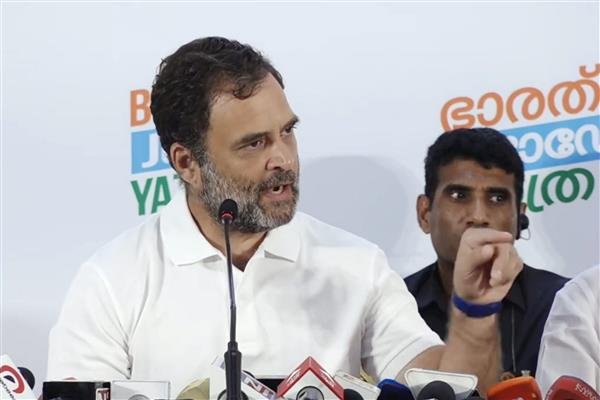
    Congress leader Rahul Gandhi’s ‘Bharat Jodo Nyay Yatra’ has entered West Bengal, receiving a warm welcome from Congress president Adhir Chowdhury. The yatra, which began in Manipur on January 14, aims to unite India against injustice. Rahul Gandhi expressed confidence in the opposition INDIA bloc’s ability to fight against injustice and criticized the BJP and RSS for spreading hatred and violence.


    Gandhi’s visit to Bengal comes amid the state’s Chief Minister Mamata Banerjee’s decision to break ties with the INDIA bloc, an alliance of 28 opposition parties. Mamata Banerjee announced that her Trinamool Congress Party (TMC) would contest the upcoming Lok Sabha polls in Bengal independently, severing its relationship with the Congress in the state.


    Despite the political dynamics in Bengal, Rahul Gandhi continues his ‘Bharat Jodo Nyay Yatra,’ emphasizing the need to address prevailing injustices across the country. The yatra, covering 523 km across six districts and six Lok Sabha constituencies in Bengal, aims to unite opposition parties against perceived injustices and the divisive policies of the BJP and RSS.


    Rahul Gandhi interacted with people during his visit to a tea stall, engaging with individuals from the economically backward sections. The yatra, which commenced in Manipur, will conclude on March 20 in Mumbai, covering various states and addressing issues related to justice and equality.


    The ongoing yatra reflects the Congress leader’s commitment to building a united opposition against the policies and actions of the ruling BJP government. The political landscape in West Bengal, with Mamata Banerjee’s decision to go solo, adds an interesting dimension to the Congress’s efforts to rally opposition forces against the BJP.


    As Rahul Gandhi’s yatra progresses through different states, it remains to be seen how the political dynamics evolve and whether the opposition can present a united front in the face of the upcoming Lok Sabha elections. The decision of various regional parties, especially in states like West Bengal, will play a crucial role in shaping the contours of opposition unity. The ‘Bharat Jodo Nyay Yatra’ serves as a platform for the Congress leader to connect with people, understand their concerns, and mobilize support for a united opposition front.

  • Amit Malviya Condemns Attack on Sadhus in West Bengal

    Amit Malviya Condemns Attack on Sadhus in West Bengal

    Amit Malviya, the head of the Bharatiya Janata Party’s (BJP) IT Cell, ignited a political controversy with his remarks on the alleged assault of sadhus in West Bengal’s Purulia district. Malviya took to social media to express his outrage, describing the incident as “absolutely shocking” and accusing the Trinamool Congress (TMC)-led government of failing to protect Hindus in the state.


    The incident, captured in a video circulating on social media, purportedly shows a group of sadhus being stripped and assaulted by a mob. The sadhus were reportedly traveling to Gangasagar for Makar Sankranti, a Hindu festival, when the incident occurred. Malviya drew a parallel to the Palghar lynching incident and criticized the TMC for alleged complicity in the attack.


    “Absolutely shocking incident reported from Purulia in West Bengal. In a Palghar kind lynching, sadhus traveling to Gangasagar for Makar Sankranti were stripped and beaten by criminals affiliated with the ruling TMC,” Malviya tweeted from his official handle.


    “In Mamata Banerjee’s regime, a terrorist like Shahjahan Sheikh gets state protection and sadhus are being lynched. It is a crime to be a Hindu in West Bengal,” he added, escalating the political narrative.


    The ruling TMC did not immediately respond to Amit Malviya’s post or the incident. The political rivalry between the TMC and BJP has been escalating, particularly with an eye on the upcoming 2024 Lok Sabha Elections.


    The Gangasagar Mela, a religious congregation during Makar Sankranti, has been a focal point of contention. West Bengal Chief Minister Mamata Banerjee wrote to Prime Minister Narendra Modi, urging him to declare it a “national fair.” She expressed regret that the Centre wasn’t giving due recognition to the event.


    “Considering the uniqueness, significance, magnitude, and spiritual depth associated with the Gangasagar Mela, I would earnestly appeal to you to kindly consider declaring Gangasagar Mela a National Fair,” she wrote to Modi, also inviting him to visit the event.


    While the BJP accused the Mamata Banerjee government of failing to maintain law and order, the TMC claimed that the locals responded to provocations from Enforcement Directorate (ED) teams conducting raids in connection with an alleged ration scam in the state.


    The incident involving the sadhus adds fuel to the ongoing political battle in West Bengal, raising questions about religious freedom, security, and the larger law and order situation in the state. As political tensions intensify, both parties are likely to leverage the incident to rally support and shape the narrative leading up to the elections.

  • Shashi Tharoor Denounces Cropped Photo Controversy

    Shashi Tharoor Denounces Cropped Photo Controversy

    Senior Congress leader Shashi Tharoor has expressed his disapproval of the controversy surrounding the circulation of cropped photos featuring him and Trinamool Congress (TMC) leader Mahua Moitra. Tharoor, in response to reporters’ questions about the issue, dismissed it as “not a serious issue” and decried the “cheap politics” of trolls who have shared these photos.


    The controversy revolves around photos taken during Moitra’s birthday party, where approximately 15 people were present, including Shashi Tharoor. Trolls have disseminated cropped versions of these photos to create a misleading narrative. Tharoor emphasized that the cropped images do not represent the full context of the event.


    “My life is dedicated to the people. These types of trolls are a part of cheap politics. In my opinion, this is not a serious issue,” Tharoor stated in response to the controversy.


    He further clarified, “It was her birthday party, in which around 15 people, including my sister, participated. Instead of showing the full image, they are spreading the cropped one.” Moitra had previously commented on the controversy, expressing her preference for the green dress over the white blouse and suggesting that the full context of the event should be shown.


    This controversy unfolds amid allegations of a cash-for-query scandal in which Moitra has been accused by a Supreme Court advocate and a Bharatiya Janata Party (BJP) lawmaker of accepting a “bribe” from businessman Darshan Hiranandani to raise questions in Parliament against the Adani Group. Nishikant Dubey, the BJP MP who submitted a complaint against Moitra to the Lok Sabha Speaker, has requested her suspension from the House pending an investigation.


    Mahua Moitra has vehemently denied the allegations, asserting that they are an attempt to silence her in Parliament. She has expressed her readiness to face an investigation by the Central Bureau of Investigation (CBI) to address the matter. The controversy remains a subject of political debate and scrutiny in Indian politics.