Tag: tensions

  • Fintech Sector Urges Self-Regulation Amid Rising Tensions

    Fintech Sector Urges Self-Regulation Amid Rising Tensions

    In the dynamic landscape of financial technology (fintech), the relationship between industry players and regulatory authorities like the Reserve Bank of India (RBI) has come under scrutiny. Recent events, particularly actions taken against Paytm Payments Bank, have stirred tensions within the fintech sector and prompted discussions on the importance of self-regulation.


    The escalation of tensions between the RBI and certain industry stakeholders has highlighted the need for mutual trust and cooperation to ensure the stability and integrity of the financial system. Experts believe that self-regulation within the fintech sector could be a key solution to avoiding conflicts and fostering a productive relationship with regulatory authorities.


    The recent actions taken against Paytm Payments Bank have raised concerns within the fintech industry about the regulatory environment and its impact on sectoral growth. Some fintech firms have expressed their support by reaching out to the finance minister and RBI governor, underscoring the importance of regulatory clarity and consistency.


    Two self-regulatory organizations (SROs) within the fintech sector, namely the Digital Lenders Association of India (DLAI) and the Fintech Association for Consumer Empowerment (FACE), have emerged as key stakeholders in addressing regulatory challenges. While these organizations lack enforcement powers, they play a crucial role in promoting industry best practices and compliance with regulatory norms.


    DLAI, which represents a significant portion of fintech firms, maintains a code of conduct and works to standardize norms within the sector. Despite the absence of enforcement powers, DLAI hopes to gain regulatory approval for its self-regulatory initiatives in the near future, thereby enhancing its legitimacy and credibility.


    The RBI has been vocal about the importance of self-regulation within the fintech sector and has encouraged industry players to establish SROs. Governor Shaktikanta Das has emphasized the need for fintech firms to evolve industry best practices and standards to protect consumers and promote ethical business practices.


    In line with RBI’s recommendations, both DLAI and FACE have implemented oversight mechanisms for their members. These mechanisms involve monitoring members’ activities and identifying deficiencies in customer protection norms, such as consent, disclosures, and complaint resolution. By leveraging customer complaint data and industry insights, these organizations strive to address customer challenges and promote industry-wide compliance.


    Despite the challenges posed by regulatory scrutiny, the fintech sector continues to experience significant growth and innovation. In the third quarter of FY24, FACE members disbursed loans amounting to ₹35,999 crore, a substantial increase from the previous year. This growth underscores the importance of fostering a regulatory environment that balances innovation with consumer protection and market integrity.


    Looking ahead, industry stakeholders must continue to collaborate with regulatory authorities to address regulatory challenges and promote responsible innovation. By embracing self-regulation and adhering to industry best practices, fintech firms can build trust with regulators and contribute to the sustainable growth of the sector.


    The fintech sector faces regulatory challenges that require proactive and collaborative efforts from industry players and regulatory authorities. Self-regulation has emerged as a viable solution to avoid conflicts and foster trust between regulators and fintech firms. By working together to establish industry best practices and standards, the fintech sector can navigate regulatory complexities and continue to drive innovation and growth in the financial services industry.

  • Tragic Death Sparks Tensions on Punjab-Haryana Border

    Tragic Death Sparks Tensions on Punjab-Haryana Border

    The resumption of protests on the Punjab-Haryana border took a tragic turn as a 21-year-old farmer, identified as Subhkaran Singh, succumbed to a head injury, reigniting tensions in the region. Opposition parties, notably the Aam Aadmi Party (AAP) and Congress, have launched scathing criticisms against the Central government, accusing it of neglecting the demands of the farmers. Meanwhile, the BJP-ruled Haryana government extended the ban on mobile internet and bulk SMS services in seven districts until February 23 in response to the ongoing protests. Despite the escalating tensions, Union Minister Anurag Thakur reiterated the government’s willingness to engage in discussions with the farmers, recognizing them as the nation’s ‘Annadatas’.


    Farmer leader Sarwan Singh Pandher announced the suspension of the ‘Delhi Chalo’ march for two days, indicating a temporary halt in the protest activities. The decision comes as farmer unions deliberate on the next course of action, with further updates expected by Friday evening.


    Farmer leaders condemned the alleged use of force by Central and Haryana security personnel against protesters at the Shambhu and Khanauri borders. Reports surfaced of security personnel entering the protest camp in Punjab territory and deploying tear gas shells, resulting in injuries to nearly 100 farmers.


    Last week, the farmers temporarily halted their protest and engaged in discussions near the Shambhu border. However, talks with government ministers failed to yield significant progress, prompting the farmers to resume their march on Wednesday.


    Central to the farmers’ demands is the enactment of legislation guaranteeing minimum prices for 23 crops, aimed at stabilizing their income. Additionally, they seek the fulfillment of promises made by the government, including loan waivers and withdrawal of legal cases stemming from previous protests.


    Information and Broadcasting Minister Anurag Thakur reiterated the government’s commitment to doubling farmers’ income, citing measures such as doubling the Minimum Support Price (MSP) and increasing procurement. Thakur highlighted the significant investments made by the government in agricultural procurement over the past decade.


    The Haryana government extended the suspension of mobile internet and bulk SMS services in seven districts, including Ambala, Kurukshetra, and Hisar, until Friday, citing concerns over security and public safety.


    Clashes between protesting farmers and Haryana police at the Data Singh-Khanauri border resulted in injuries to at least 12 police personnel, according to reports from the Haryana administration.


    NCP founder Sharad Pawar criticized the government’s handling of farmer issues, highlighting the disparity between Prime Minister Narendra Modi’s assurances and the realities faced by farmers, including growing debt and suicides.


    Uttar Pradesh Chief Minister Yogi Adityanath ordered the formation of a committee to address the concerns of farmers protesting against local authorities in Gautam Buddh Nagar, emphasizing the government’s commitment to resolving grievances through dialogue and mediation.


    The developments surrounding the farmers’ protests underscore the deep-rooted challenges facing agricultural communities and the urgent need for comprehensive reforms to address their grievances and ensure their well-being.


    As tensions persist and protests continue, the plight of farmers remains a pressing issue, demanding attention and concerted efforts from all stakeholders to achieve meaningful resolutions and address systemic concerns within the agricultural sector.

  • Tensions Rise As Talks Fail to Break Deadlock: Farmer Protests

    Tensions Rise As Talks Fail to Break Deadlock: Farmer Protests

    The ongoing farmer protests in India have entered a critical juncture, marked by a series of discussions, demonstrations, and escalating tensions between farmers and security forces. The latest round of talks between farmer leaders and Union ministers, which lasted over five hours on Thursday, failed to yield any significant breakthrough, further prolonging the standoff. With the next round of discussions scheduled for Sunday, both sides are grappling with mounting pressure to find a viable resolution to the impasse.


    During the meeting, farmer leaders expressed their apprehensions about the actions taken by security forces against protesters, emphasizing their commitment to dialogue and a peaceful resolution. Sarwan Singh Pandher, coordinator of the Kisan Mazdoor Morcha (KMM), highlighted concerns regarding the suspension of social media accounts and the use of tear gas during otherwise peaceful interactions. Despite their grievances, the farmers reiterated their desire for a peaceful resolution to the ongoing standoff.


    Jagjit Singh Dallewal, president of the Bharatiya Kisan Union (Ekta Sidhupur), indicated that the government requested additional time to thoroughly discuss the farmers’ demands. While acknowledging the need for dialogue on issues such as minimum support price (MSP) and shared debts, the government cited the complexity of the demands, necessitating further deliberation. Consequently, the next round of discussions has been scheduled for Sunday, reflecting the urgency to address the farmers’ grievances and de-escalate tensions.


    The farmers’ protests, spearheaded by the Samyukta Kisan Morcha (SKM) and other farmer unions, have garnered widespread support across the country. The agitation, which began in response to contentious agricultural laws passed by the government, has evolved into a broader movement demanding reforms in agricultural policies and greater support for farmers’ welfare. Central to the farmers’ demands is the enactment of a law ensuring MSP for crops, along with measures to alleviate agricultural debt and safeguard farmers’ rights.


    The protests have also underscored the broader socioeconomic challenges faced by farmers, including mounting debt, dwindling agricultural incomes, and agrarian distress. With agriculture serving as the backbone of the Indian economy and employing a significant portion of the population, the plight of farmers has emerged as a pressing concern with far-reaching implications for food security, rural livelihoods, and socioeconomic stability.


    In response to the protests, the government has attempted to engage in dialogue with farmer leaders to address their grievances and find a mutually acceptable solution. However, previous rounds of discussions have failed to produce tangible outcomes, leading to a protracted stalemate. The government’s decision to request additional time for deliberation underscores the complexity of the issues at hand and the challenges inherent in finding a resolution that satisfies the demands of all stakeholders.


    Meanwhile, the protests have led to heightened tensions at key border points, particularly along the Punjab-Haryana border, where clashes between farmers and security forces have occurred. The use of tear gas and other measures to disperse protesters has further inflamed tensions, underscoring the need for restraint and de-escalation on both sides. Amidst the escalating tensions, concerns have been raised about the impact of the protests on essential services, including transportation and access to healthcare, underscoring the need for a swift and peaceful resolution to the impasse.


    As the protests enter a critical phase, both farmers and the government face mounting pressure to find a viable resolution that addresses the underlying issues and restores peace and stability. The upcoming round of discussions presents an opportunity for both sides to engage in constructive dialogue, explore potential solutions, and work towards a mutually acceptable agreement. Ultimately, the resolution of the farmers’ protests will require concerted efforts, compromise, and a genuine commitment to addressing the grievances of India’s farming community.

  • India and Maldives Hold Talks on Military Personnel Withdrawal

    India and Maldives Hold Talks on Military Personnel Withdrawal

    India and Maldives engaged in the second round of talks in New Delhi on February 2 to address the longstanding issue of the withdrawal of Indian military personnel from the Indian Ocean archipelago. The talks come against the backdrop of increasing tensions between the two nations, with Maldives expressing the desire for the removal of all Indian military personnel from its territory.


    A joint statement released after the meeting emphasized that both sides agreed on a set of mutual workable solutions to enable the continued operation of Indian aviation platforms providing humanitarian and medevac services to the people of Maldives. However, the statement did not provide specific details regarding the withdrawal of military personnel.


    The next meeting of the High-Level Core Group, established by India and Maldives to address this issue, is scheduled to take place in Male on a mutually convenient date. The statement reflected the diplomatic nature of the discussions but did not elaborate on the specifics of the agreed-upon solutions.


    Maldivian President Mohamed Muizzu had previously set a deadline of March 15 for the withdrawal of Indian military personnel. This demand was initially discussed during the first meeting of the High-Level Core Group held in Male on January 14. While the two sides agreed to expedite the withdrawal at that time, further discussions were deemed necessary by the Indian delegation.


    The establishment of the High-Level Core Group was a result of a meeting between Prime Minister Narendra Modi and President Muizzu on the sidelines of the COP28 summit in Dubai in December. The group was formed to address and resolve issues affecting bilateral relations between the two countries.


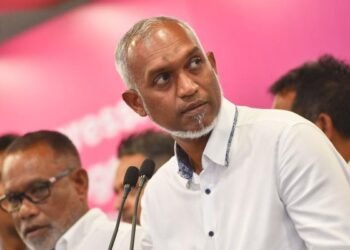
    President Muizzu, who assumed office in November, has been perceived as a leader with pro-China inclinations. His stance on the eviction of Indian military personnel from the Maldives has strained ties between the two nations. Shortly after taking office, Muizzu called for the withdrawal of Indian military personnel, citing it as a commitment he intended to fulfill.


    Currently, approximately 80 Indian military personnel are stationed in the Maldives, primarily tasked with operating two helicopters and an aircraft. These assets have been instrumental in conducting numerous medical evacuations and humanitarian missions, contributing to the close cooperation between the two nations.


    As the discussions continue between India and Maldives, the diplomatic landscape remains complex, with the need for strategic considerations to balance regional interests and maintain stability in the Indian Ocean region. The upcoming meetings of the High-Level Core Group will likely play a crucial role in determining the future course of action and the resolution of the issues at hand.

  • India Refrains from Commenting on Maldives Internal Matters

    India Refrains from Commenting on Maldives Internal Matters

    Amid rising tensions between India and the Maldives and reports of the opposition party’s intention to impeach Maldivian President Mohammed Muizzu, India’s Ministry of External Affairs (MEA) has chosen not to make any comments on the internal matters of the Maldives.


    MEA spokesperson Randhir Jaiswal addressed a press conference on Wednesday, stating, “These are internal matters of the Maldives, and we would not like to comment on that.”


    Meanwhile, the Maldivian Democratic Party (MDP), which holds a majority in Parliament, is planning to submit a motion to impeach President Mohamed Muizzu, who is considered pro-China. However, the ruling party, the Progressive Party of Maldives (PPM), and People’s National Congress (PNC) have strongly opposed the move.


    “We will not allow them any opportunity to go ahead with this. They will have to kill us all first before they can even think of removing the President from office,” said Ahmed Saleem, the PPM Parliamentary Group leader and Eydhafushi constituency MP.


    Clashes erupted in Parliament on Sunday between pro-government MPs and opposition lawmakers over differences concerning the approval of four members of the pro-China president’s cabinet. On Monday, the Maldives’ Parliament only approved one of the four cabinet members against whom the main opposition MDP had issued a three-line red whip.


    According to a report by The Edition.mv, the decision to submit an impeachment motion was taken unanimously in the parliamentary group meeting of the MDP on Monday. To remove a sitting president, a minimum of 53 votes is required. The Maldives Parliament, with 87 members, recently amended its standing orders to facilitate the submission of an impeachment motion.


    Leader of the Jumhoori Party Gasuim Ibrahim urged President Muizzu on January 30 to formally apologize to India and Prime Minister Narendra Modi for recent controversial remarks. He also advocated for diplomatic reconciliation to mend bilateral relations. On January 13, President Muizzu, known for his pro-China stance, made remarks about not allowing bullying, causing tensions between the two nations.


    Amid rising tensions between India and the Maldives and reports of the opposition party’s intention to impeach Maldivian President Mohammed Muizzu, India’s Ministry of External Affairs (MEA) has chosen not to make any comments on the internal matters of the Maldives.


    MEA spokesperson Randhir Jaiswal addressed a press conference on Wednesday, stating, “These are internal matters of the Maldives, and we would not like to comment on that.”


    Meanwhile, the Maldivian Democratic Party (MDP), which holds a majority in Parliament, is planning to submit a motion to impeach President Mohamed Muizzu, who is considered pro-China. However, the ruling party, the Progressive Party of Maldives (PPM), and People’s National Congress (PNC) have strongly opposed the move.


    “We will not allow them any opportunity to go ahead with this. They will have to kill us all first before they can even think of removing the President from office,” said Ahmed Saleem, the PPM Parliamentary Group leader and Eydhafushi constituency MP.


    Clashes erupted in Parliament on Sunday between pro-government MPs and opposition lawmakers over differences concerning the approval of four members of the pro-China president’s cabinet. On Monday, the Maldives’ Parliament only approved one of the four cabinet members against whom the main opposition MDP had issued a three-line red whip.


    According to a report by The Edition.mv, the decision to submit an impeachment motion was taken unanimously in the parliamentary group meeting of the MDP on Monday. To remove a sitting president, a minimum of 53 votes is required. The Maldives Parliament, with 87 members, recently amended its standing orders to facilitate the submission of an impeachment motion.


    Leader of the Jumhoori Party Gasuim Ibrahim urged President Muizzu on January 30 to formally apologize to India and Prime Minister Narendra Modi for recent controversial remarks. He also advocated for diplomatic reconciliation to mend bilateral relations. On January 13, President Muizzu, known for his pro-China stance, made remarks about not allowing bullying, causing tensions between the two nations.

  • ‘Illegal’ Constructions: Mumbai Takes Action

    ‘Illegal’ Constructions: Mumbai Takes Action

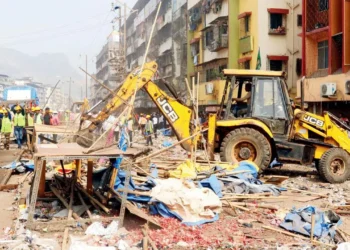
    Amid heightened tensions in Mumbai following clashes during Ayodhya Ram Mandir Pran Pratishtha celebrations, the city witnessed the demolition of ‘illegal’ constructions on Monday. Heavy security deployment accompanied the bulldozer action in the Mira Road area, mere hours after violence erupted. The clashes prompted a flag march by the police in the Naya Nagar area.


    Bulldozers were deployed to dismantle the illegal structures in the Mumbai Metropolitan Region (MMR) suburb. Deputy Chief Minister Devendra Fadnavis had issued a warning of strict action against rioters a day earlier. Online visuals depicted a large team of police and security personnel escorting the vehicles of the Mira Bhaindar Municipal Corporation as they tore down makeshift stores and structures along the pavement. Prior notices had been served, instructing the removal of these illegal constructions.


    The clashes that triggered this response occurred on the night of January 21, leading to the arrest of thirteen individuals. The scuffle erupted when members of the Hindu community raised slogans in the Naya Nagar area of Mira Road around 11 pm on Sunday.


    A separate incident on Monday evening involved a stone-pelting attack on a procession passing through the Thane district. An unspecified number of procession participants and policemen providing security were injured in the assault.


    Deputy Chief Minister Devendra Fadnavis expressed his commitment to maintaining law and order in Maharashtra, stating, “Anyone trying to disrupt law and order in Maharashtra will not be tolerated.” He revealed that he had been in constant communication with the Mira-Bhyander Police Commissioner until the early hours of Monday. Thirteen individuals were detained in connection with the Naya Nagar incident, and efforts were underway to identify additional suspects through CCTV footage analysis.


    Fadnavis urged residents not to succumb to rumors and assured that strict action would be taken against those attempting to disturb the peace. The situation remains under investigation as authorities work to identify and apprehend individuals involved in the clashes and subsequent incidents. The demolition of ‘illegal’ constructions is part of the broader effort to address issues contributing to the unrest in Mumbai.

  • Iran’s Unprecedented Missile Strikes: Tensions and Escalations

    Iran’s Unprecedented Missile Strikes: Tensions and Escalations

    Jaish al-Adl, founded in 2012, is a Sunni militant group that operates primarily in Pakistan. The group has been designated as a terrorist organization by Iran and has been involved in multiple attacks on Iranian security forces, particularly in the border province of Sistan-Baluchistan. Relations between Iran and Pakistan have often been strained due to allegations of each country harboring militants who launch missile strikes attacks from the other’s territory.


    In recent years, Jaish al-Adl has claimed responsibility for attacks on Iranian security forces, including a deadly assault on a police station in Rask, near the Pakistan border, in December 2023. The group’s activities have been a source of tension between Tehran and Islamabad.


    While Iran has not officially declared the reasons behind its missile strikes on Pakistan, it is widely speculated that the attacks could be a retaliatory move. The targeting of Jaish al-Adl’s bases might be in response to the group’s previous attacks on Iranian security forces. The Iranian Interior Minister had previously stated that at least 11 Iranian police officers were killed in an attack claimed by Jaish al-Adl in December 2023.


    Iran has consistently accused Pakistan of allowing militants to operate from its territory to launch attacks on Iranian forces. The missile strikes might be viewed as a strong message from Tehran, indicating its willingness to take direct action against groups it perceives as a threat, even beyond its borders.


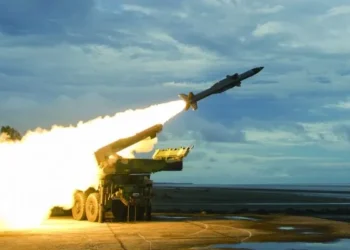
    The missile strikes on Pakistan come in the aftermath of Iran’s attacks in Iraq and Syria. In Syria, the strikes were aimed at alleged Islamic State (IS) targets, responding to a suicide bombing near the tomb of the revered IRGC general Qasem Soleimani. In Iraq, the Iranian Revolutionary Guards claimed to have targeted an alleged Israeli intelligence headquarters in the Kurdistan region in retaliation for Israeli assassinations of Iranian and pro-Iranian commanders.


    The coordinated missile strikes in multiple countries suggest a broader strategy by Iran to assert its influence and respond forcefully to perceived threats. However, this approach also risks escalating tensions in an already volatile region.


    Iran’s unprecedented missile strikes have raised concerns about the potential consequences for regional stability. The Middle East is already grappling with various conflicts, including the Israeli-Palestinian conflict and the ongoing war in Yemen. Iran’s actions could further fuel tensions and complicate efforts to find diplomatic solutions to existing crises.


    The global community, particularly major powers and international organizations, will closely monitor the situation. Any escalation in tensions could have far-reaching implications, impacting not only the countries directly involved but also contributing to a more unstable Middle East.


    As the situation unfolds, the international community must remain vigilant and work towards diplomatic solutions to prevent further escalation. The fragile regional landscape, marked by longstanding conflicts and geopolitical rivalries, necessitates careful diplomacy to avoid a broader crisis.


    The missile strikes on Pakistan, in particular, highlight the complexities of regional dynamics and the challenges in addressing cross-border security threats. It remains to be seen how the involved parties, especially Iran and Pakistan, will navigate the aftermath of these unprecedented events and whether diplomatic channels can be utilized to de-escalate tensions in the Middle East.

  • Iran: U.S. Conflicts Continues Unwavering Support For Israel

    Iran: U.S. Conflicts Continues Unwavering Support For Israel

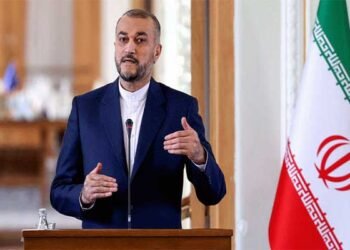
    Iran’s foreign minister, Hossein Amirabdollahian, has issued a warning that new conflicts could emerge against the United States if it continues to unequivocally support Israel. This statement comes amid rising tensions and a rhetorical standoff that has raised concerns that the Israel-Hamas conflict could escalate into a wider regional war.


    While Amirabdollahian did not provide specific details regarding the potential consequences Iran might have in store, he emphasized that the United States, by firmly siding and providing support with Israel, was fueling the violence. He strongly refuted any claims that Iran had instructed groups in Syria and Iraq to target U.S. forces in recent days, maintaining that Washington’s actions were the primary drivers of the escalating situation.


    In an interview with Bloomberg Television from Iran’s mission to the United Nations in New York, Amirabdollahian expressed his concerns: “The U.S. is advising others to show self-restraint, but it has sided with Israel totally. If the United States continues what it has been doing so far, then new fronts will be opened up against the United States.”


    He went on to issue a warning about the potential consequences: “I would like to warn right here that the continuation of the situation, the continuation of the killing of the people in Gaza – women and children – will make the situation get out of control in the region. The American side should decide – does it really want to escalate, intensify the war?”


    This statement from Iran’s foreign minister followed the U.S.’s announcement of military strikes on two Syrian facilities with links to Iran’s Islamic Revolutionary Guard Corps, which the U.S. asserted had been used for attacks against its troops in the region. While U.S. officials have stated that they lack concrete evidence implicating Iran in ordering these attacks, they hold Iran responsible due to its support for the groups that carried them out.


    Amirabdollahian made it clear that the groups responsible for the attacks on U.S. forces in Syria and Iraq are acting independently and have not received any directives from Tehran. He stated, “They’re not receiving any orders from us, any instructions. The American side claims that these are linked to Iran. These groups decide for themselves independently.”


    A significant concern in the region is the possible outcome if Israel proceeds with a full ground invasion of the Gaza Strip to root out Hamas following an attack by the group on October 7. Airstrikes in Gaza have already resulted in numerous casualties, and the UN General Assembly passed a resolution calling for a ceasefire on Friday.


    Western officials are particularly worried about the potential response from Iran-backed Hezbollah fighters in Lebanon, who could launch a barrage of attacks that might overwhelm Israeli air defenses. John Kirby, the spokesperson for the U.S. National Security Council, indicated that the U.S. has communicated its concerns to Israel regarding the support and the civilian casualties and collateral damage.


    Amirabdollahian issued a warning that a ground invasion could have dire consequences for Israel. As the Israel Defense Forces intensified their attacks in recent days, they announced their preparations for “future stages of the operation” involving expanded ground operations.


    “Opening of new fronts will be unavoidable, and that will put Israel in a new situation that will make it regret its actions,” Amirabdollahian stated. “This has reached the point of explosion. Anything is possible, and any front can be opened up.”


    Amirabdollahian also revealed that he had advised Hamas to release civilian prisoners held by the militant group, emphasizing the need for a peaceful resolution. While Hamas has released four hostages so far, negotiations for the release of dozens of others appear to have stalled. In response, Israel has cautioned against placing too much trust in reports of progress.


    He made it clear that Iran had not deployed additional troops to Syria or other parts of the region. Still, it was closely monitoring developments and would take appropriate action based on its national interests.

    Follow Us:  X (Twitter) | Google News | LinkedIn | Pinterest | Facebook | Sharechat | Kooapp | YouTube

  • US and Britain ‘Concerned’ Over India-Canada Tensions

    US and Britain ‘Concerned’ Over India-Canada Tensions

    The diplomatic row between India and Canada has drawn the attention of the United States and Britain, with both nations expressing concerns over the escalating tensions and urging India not to insist on reducing Canada’s diplomatic presence. This dispute stems from Canada’s allegations that India was involved in the murder of a prominent Sikh activist, Hardeep Singh Nijjar, in Canada.


    On September 18, Canadian Prime Minister Justin Trudeau accused India of being connected to the killing of Nijjar in suburban Vancouver. Canada’s allegations have strained diplomatic relations, leading to Canada’s decision to recall 41 diplomats from India.


    In response to this situation, the United States and Britain issued statements expressing their concern. The U.S. State Department’s spokesperson, Matthew Miller, said, “We are concerned by the departure of Canadian diplomats from India, in response to the Indian government’s demand of Canada to significantly reduce its diplomatic presence in India.” The United States called for diplomatic cooperation and urged India to uphold its obligations under the 1961 Vienna Convention on Diplomatic Relations.


    Britain’s Foreign Office also cited the Vienna Convention and stated that the “unilateral removal of the privileges and immunities that provide for the safety and security of diplomats is not consistent with the principles or the effective functioning of the Vienna Convention.” It emphasized that disagreements should be resolved with diplomats on the ground.


    While the United States and Britain have expressed concerns and urged cooperation between India and Canada, they maintain their close ties with India. This diplomatic dispute highlights the complex nature of international relations, as nations aim to address their concerns while maintaining diplomatic relations with multiple countries.


    As the situation between India and Canada continues to develop, diplomatic efforts and negotiations are crucial to finding a resolution and preserving international relations. The allegations and tensions between the two countries will likely remain in the spotlight as diplomatic discussions and investigations unfold.


    It is important for nations to navigate diplomatic challenges with diplomacy, adhering to established conventions and norms, such as the Vienna Convention on Diplomatic Relations, to ensure the safety and security of diplomats and maintain international cooperation. As the United States and Britain express their concerns and encourage cooperation, the hope is that this situation will eventually be resolved through diplomatic means.

  • Tensions Escalate as Sikh for Justice Calls for Protests

    Tensions Escalate as Sikh for Justice Calls for Protests

    Tensions between India and Canada have reached a new level as Sikh for Justice, a Khalistani group, has called for protests outside Indian embassies in Canadian cities. This escalation follows Canadian Prime Minister Justin Trudeau’s recent allegations of a “potential link” between New Delhi and the murder of Khalistani terrorist Hardeep Singh Nijjar in British Columbia in June.


    Hardeep Singh Grewal, a director for Sikh for Justice in Canada, announced on Sunday that his organization would lead protests outside Indian embassies and consulates in major Canadian cities such as Toronto, Ottawa, and Vancouver. Their primary grievance centers around the murder of Hardeep Singh Nijjar. Additionally, Grewal emphasized the group’s demand for Canada to expel the Indian ambassador in response to the perceived injustice.


    These developments have led to heightened diplomatic tensions between the two nations. India has vehemently rejected the allegations made by Canada, deeming them both “absurd” and “motivated.” As a result, reciprocal actions have been taken, with both countries expelling diplomats, and New Delhi suspending the issuance of visas for Canadian nationals.


    The core of the dispute revolves around the murder of Hardeep Singh Nijjar, a Canadian citizen, who was fatally shot outside a gurdwara in Surrey, a suburb of Vancouver with a substantial Sikh population, on June 18. In a significant move in 2020, India officially designated Nijjar as a terrorist, citing his links to Khalistani separatist movements.


    Prime Minister Justin Trudeau’s recent statement, in which he spoke of “credible allegations” connecting Indian government agents to Nijjar’s murder, has further inflamed the situation. The Canadian government, deploying a combination of human and signals intelligence, has been actively investigating Nijjar’s murder, as reported by CBC News, citing unnamed sources.


    Canada is home to a significant Sikh population, with over 770,000 Sikhs residing in the country. In contrast, in India, Sikhs make up just 2% of the total population, which numbers 1.4 billion.


    Adding another layer of complexity to the ongoing tensions, Canadian lawmaker Chandra Arya, a member of Justin Trudeau’s party, openly criticized his government’s perceived inaction against Khalistani extremists. He expressed concerns about the threats issued by these extremists against Hindu Canadians and urged the Hindu community to remain calm and vigilant.


    The situation remains fluid, with diplomatic relations between India and Canada strained, and internal tensions within Canada reflecting broader geopolitical complexities. The protests outside Indian embassies in Canada serve as a visible manifestation of the deep-seated issues at play, highlighting the importance of diplomatic resolution and dialogue to defuse the escalating tensions.

  • Indian Consulate General in Toronto Expands Consular Services

    Indian Consulate General in Toronto Expands Consular Services

    The Consulate General of India in Toronto has announced the expansion of its consular services for Indian citizens residing in Canada. These enhanced services include passport issuance, passport renewal, police clearance certificate issuance, and attestation services.


    In a post shared on social media, the Consulate General of India in Toronto stated, “Consular services for Indian nationals in Canada, e.g. Passport issuance, Passport renewal, Police Clearance Certificate, Attestation etc. continue to be extended.”


    This move to expand consular services comes in the context of recent tensions in bilateral relations between India and Canada. The Ministry of External Affairs (MEA) issued a cautionary advisory on September 20 to Indian citizens in Canada, particularly students and those planning to visit the country, due to the heightened tensions.


    According to the MEA statement, Indian citizens and Indian students residing in Canada are advised to exercise caution and avoid areas and locations in Canada that have seen an increase in anti-India activities. The statement noted that there have been threats targeting Indian diplomats and sections of the Indian community who oppose the anti-India agenda.


    The MEA has strongly recommended that Indian nationals and students in Canada complete the registration process with either the High Commission of India in Ottawa or the Consulates General of India in Toronto and Vancouver. This registration can be done through their official websites or the MADAD portal at madad.gov.in. Registering is crucial as it allows the High Commission and Consulates General to establish effective communication with Indian citizens in Canada in case of emergencies or adverse situations.


    Given the deteriorating security environment in Canada, the MEA has urged Indian students, in particular, to exercise extreme caution and remain vigilant.


    The recent tensions between India and Canada began when Canadian Prime Minister Justin Trudeau made allegations against the Indian government, suggesting its involvement in the fatal shooting of Hardeep Singh Nijjar. Nijjar, designated as a terrorist by the Indian government, was fatally shot in Surrey, British Columbia, Canada, on June 18.


    India has rejected these allegations, calling them “absurd” and “motivated.” In response, a senior Canadian diplomat was expelled from India.


    The situation continues to evolve, and both countries are closely monitoring developments in their bilateral relationship.