Tag: technology

  • Sony India Announces the Next-generation ZV-E10 II Vlogging Camera

    Sony India Announces the Next-generation ZV-E10 II Vlogging Camera

    Sony India launches the ZV-E10 II, the second generation of the ZV-E10 camera. The original ZV-E10 is a staple APS-C camera in Sony’s ZV content creation camera series, designed to provide an easy, compact, and versatile tool for content creators of any level. The new ZV-E10 II maintains all the features creators love about the original, such as Creative Looks, Product Showcase Setting, Background Defocus function and the vari-angle flip screen and builds on it to increase sophistication and ease of use.


    Sony ZV-E10

    “The ZV-E10 II is a testament to our commitment to empowering content creators, vloggers, and photographers with cutting-edge technology. Featuring a new cinematic vlog setting, advanced autofocus capabilities, and enhanced image quality, this camera equips creators with the tools to effortlessly bring their vision to life. Whether capturing video or stills, the ZV-E10 II delivers exceptional quality, stunning visuals, and intuitive controls. Its versatility allows creators to capture every moment with precision and creativity, elevating their content to unparalleled heights,” said Mukesh Srivastava, Head of Digital Imaging Business at Sony India.


    The ZV-E10 II’s internal hardware has been improved from its predecessor with an upgraded 26-megapixel (MP) (approx. effective) Exmor R™ CMOS sensor and adoption of Sony’s latest BIONZ XR™ image processing engine. A few additional updates to this model include improved autofocus and video capturing capabilities: Cinematic Vlog Setting2, a new vertical format user interface (UI), an upgraded large-capacity battery Sony Z battery for improved stamina and improved connectivity for easy live streaming and data transfer. It is compact and lightweight, and fits into a creator’s hand with ease, weighing in at approximately 377 grams3.


    In addition, the E PZ 16-50mm F3.5-5.6 OSS II (SELP16502), a compact APS-C power zoom lens will be available separately (to be announced soon) or as part of the ZV-E10 II’s lens kit. The upgraded kit lens is lightweight and offers improved autofocus (AF) and video performance compared to the first-generation model.


    Create your own photos and video aesthetics

    The ZV-E10 II features two key functions designed to produce premium-looking content straight from the camera, Creative Looks and Cinematic Vlog Setting. When shooting videos and still images, users can instantly enhance their images by selecting from ten Creative Look options: Standard (ST), Portrait (PT), Neutral (NT), Vivid (VV), Vivid 2 (VV2), Film (FL), Instant (IN), Soft Highkey (SH), Black & White (BW), and Sepia (SE). Each of these looks are further customisable and can be edited through eight different parameters, allowing creators to fine-tune their content. Once customised, a creator can save six personal custom styles directly in camera for easy and reuse.


    The ZV-E10 II allows creators to producer premium, cinematic video content with a single touch using the Cinematic Vlog Setting. This feature automatically adjusts the aspect ratio, frame rate, and AF transition speed to optimal settings for cinematic video capture. Additionally, Creators can enhance their footage by selecting from five “Looks” such as S-Cinetone™ that enhances skin tones, and applying one of four “Moods”4, that emphasise specific colours, offering extensive options to maximise creative expression.


    Key camera specifications

    759-point Focal Plane Phase-detection AF with Real-time Eye AF5 for Human/Animal/Bird and Real-time Tracking

    Backside illuminated Exmor R CMOS sensor offering an ideal combination of high sensitivity and low noise with an ISO range from 100 to 320006

    APS-C interchangeable lens camera compatible with over 70 Sony E-mount lenses

    High-speed readout, 5.6K oversampling compresses a vast amount of information into stunning 4K footage at up to 60p7

    Active Mode8 electronic image stabilisation employs a precision gyroscope and advanced algorithm to accurately measure and compensate for camera shake, providing highly effective stabilisation without sacrificing mobility, even when shooting 4K

    Upgraded large-capacity Z battery (NP-FZ100), allowing continuous movie recording9 for up to 195 minutes per charge.

    Additional Features to Streamline Content Creation

    New Vertical User Interface (UI) that auto rotates from horizontal to vertical orientation to streamline vertical content creation. When paired with the vari-angle LCD monitor users can create and view their content from any angle.

    With 4K 60p capture and up to 120p capture in clear XAVC-S Full HD quality, the user can record stunning motion sequences using the S&Q mode10 at 5x slow motion (24p playback)

    Product Showcase Setting which delivers convenient shooting of product review videos with smooth focus transitions from your face to the item being highlighted.

    Background Defocus Function to adjust the depth of field and create bokeh within the background with a single touch.

    Face Priority Auto-Exposure immediately detects faces and adjusts the exposure to optimise facial brightness, even while actively recording in changing lighting scenarios.

    Soft Skin Effect smooths the appearance and reduces blemishes on the subject’s skin.

    Stress-free connectivity with the USB 3.2 Type-C (SuperSpeed USB 5 Gbps) port also allows high-speed wired transfer to a compatible smartphone or PC through the Creators App for easy post-production and sharing on social media11.

    Time-lapse sequences12 can be created in-camera and the exposure interval can be set from 1 second to 60 seconds13.

    Advanced, onboard 3-capsule microphone with selectable directivity (previously debuted in the ZV-E1) for capturing clear, high-quality audio. Users can select “Auto” or choose from “Front,” “Rear,” or “All Directions” for the audio directivity depending on the environment and recording scenario settings.

    Supplied with the camera, is a windscreen to reduce noise when shooting in windy conditions.

    Multi-Interface (MI Shoe) allows for simple connection to an external microphone for additional audio options, if needed.

    Livestream through the support of 5 GHz14 Wi-Fi connectivity.

    Sony’s Screen Reader function15, which reads menus and video playback screens aloud to assist operations, and a menu Magnify Display function are included to provide accessibility solutions.


    Designed with environmentally friendly principles in mind

    The ZV-E10 II camera body is made from recycled materials, including SORPLAS™16, reducing environmental impact without sacrificing functionality. The individual packaging is made from Sony’s unique recycled paper “Original Blended Material” that uses materials such as bamboo, sugar cane fibre, and recycled paper collected from the market. Over the past 11 years, Sony has replaced approximately 395 tons17 of virgin plastic with recycled plastic in digital cameras and digital video cameras.


    Main features of the versatile E PZ 16-50mm F3.5-5.6 OSS II18

    The E PZ 16-50mm F3.5-5.6 OSS II is Sony’s 75th E-mount lens and an ideal kit lens solution for the new ZV-E10 II due to its compact size and versatile range (35 mm full-frame equivalent focal length: 24-75 mm). High resolution performance is achieved by four aspherical elements and one ED (Extra low Dispersion) element in an effective optical design. With a minimum focusing distance of 9.8 inch (0.25 m) (wide)/ 11.8 inch (0.30 m) (tele) and maximum magnification of 0.215x, the E PZ 16-50mm F3.5-5.6 OSS II offers versatile close-up performance to capture details. The E PZ 16-50mm F3.5-5.6 OSS II retracts to a total length of approximately 1.25 inches (31.3mm) when camera power is turned off. Due to its diminutive size and low weight of approximately 3.8 oz. (107 grams), it is a portable lens that can support day-to-day shooting.


    Smooth, useful power zoom is ideal for movie shooting, and AF is available even while zooming. Built-in optical stabilisation works with in-body stabilisation19, including Active Mode, to minimise blur in movies. The E PZ 16-50mm F3.5-5.6 OSS II supports in-body breathing compensation20 to minimise shifts in angle of view while focusing for smooth, stable footage.


    Availability and Price

    The new ZV-E10 II camera and E PZ 16-50mm F3.5-5.6 OSS II Lens Kit (to be announced soon) will be available across all Sony Centers, Alpha Flagship stores, www.ShopatSC.com portal, major electronic stores and ecommerce websites (Amazon and Flipkart.

    Model : ZV-E10M2 (Body only), MRP (in INR) : 94,990/-, Availability Date : Available Now

    Model : ZV-E10M2K (Body + 16-50mm Power Zoom Lens, SELP16502), MRP (in INR) : 104,990/-, Availability Date : Available Now


    As part of a special offer, Sony is offering additional benefits, including an extended 3-year warranty (2 years standard + 1 year additional warranty on product registration), a complimentary SD card (SF-E64A), carry bag (MII-HD1) and easy on pocket finance schemes.

  • India-France to Launch Fund for Startups and Climate Innovation

    India-France to Launch Fund for Startups and Climate Innovation

    New Delhi and Paris are poised to unveil a groundbreaking initiative later this year aimed at bolstering startups and fostering climate-focused innovations across the Indo-Pacific region, according to sources familiar with the matter. The fund agreement, along with the allocated funding, has already been finalized, with anticipated projects set to span the Western Indian Ocean and the broader Indo-Pacific area.


    The genesis of this collaborative endeavor traces back to Prime Minister Narendra Modi’s visit to France for Bastille Day celebrations in July 2023. During this visit, the two nations agreed to establish the Indo-Pacific Triangular Cooperation (IPTDC) Fund, marking a significant milestone in their bilateral partnership. The fund, rooted in a unique model of Triangular Development Cooperation, is designed to support initiatives that promote climate resilience and advance the Sustainable Development Goals (SDGs) in third countries across the Indo-Pacific region.


    The ‘Horizon 2047’ joint vision statement released during Modi’s visit underscored the strategic importance of this initiative. By facilitating the scaling up of green technologies and fostering innovation, the IPTDC Fund aims to address pressing environmental challenges while driving sustainable development in the region. Through this collaborative effort, India and France aim to harness the transformative potential of technology and entrepreneurship to catalyze positive change across the Indo-Pacific.


    France, with its significant presence in the Indo-Pacific region through overseas territories such as La Reunion, New Caledonia, and French Polynesia, emerges as a natural partner for India in this endeavor. Leveraging their shared commitment to fostering innovation and combating climate change, the two countries are poised to jointly identify and support projects that align with the objectives of the IPTDC Fund.


    The establishment of the IPTDC Fund represents a significant step forward in providing viable funding alternatives to innovators and entrepreneurs in the Indo-Pacific region. By nurturing a conducive ecosystem for innovation and entrepreneurship, the fund aims to unlock the region’s potential and drive inclusive growth.


    While the specifics of the projects to be supported by the IPTDC Fund are yet to be disclosed, the initiative holds immense promise for fostering collaboration and driving positive change in the region. Through strategic partnerships and targeted investments, the fund has the potential to catalyze innovation, spur economic development, and address pressing environmental challenges across the Indo-Pacific.


    In addition to the IPTDC Fund, India has been actively engaged in triangular cooperation mechanisms with other strategic partners, including Germany, the United States, and the United Kingdom. These partnerships aim to promote trade, connectivity, and sustainable development in the region through innovative initiatives and collaborative projects.


    For instance, India is collaborating with Japan and Bangladesh to enhance trade and connectivity through the Bay of Bengal Northeast Industrial Value Chain concept, aimed at creating a new regional supply chain and boosting economic growth in the Northeastern states of India. Similarly, India has initiated projects with Germany in several African nations, focusing on areas such as agribusiness and agricultural technology.


    Furthermore, under the Global Innovation Partnership with the United Kingdom, India is exploring opportunities to leverage Indian innovation to drive development in strategically important third countries. Discussions are underway to identify potential collaboration on renewable energy projects in Sri Lanka, highlighting the diverse range of initiatives aimed at fostering sustainable development and addressing regional challenges.


    Overall, the launch of the IPTDC Fund underscores the growing momentum towards collaborative efforts to promote innovation, entrepreneurship, and sustainable development in the Indo-Pacific region. As India and France forge ahead with this ambitious initiative, they are poised to play a pivotal role in driving positive change and building a more resilient and prosperous future for the region.

  • US House Passes Bill to Ban TikTok for National Security

    US House Passes Bill to Ban TikTok for National Security

    In a significant move, the US House of Representatives has passed a bill aimed at banning the popular Chinese social media application TikTok. The bill, which received a substantial majority vote of 352 to 65, is now set to progress to the US Senate, where further deliberations will take place before it can be sent to the White House for the President’s signature, ultimately transforming it into law.


    The renewed debate surrounding the ban on TikTok stems from persisting concerns regarding national security, particularly in relation to its Chinese parent company, ByteDance. Lawmakers have raised apprehensions about the potential implications of ByteDance’s ties to the Chinese government and the risk it poses in terms of data privacy and security.


    Under the provisions of the bill, TikTok would only be permitted to continue operating in the US if ByteDance chooses to divest its ownership stakes in the platform. Additionally, ByteDance would be required to relinquish control over TikTok’s algorithm, which is instrumental in curating content for users based on their preferences. Failure to comply with these conditions would result in TikTok’s prohibition from prominent US app stores, including Google and Apple.


    Named the Protecting Americans from Foreign Adversary Controlled Applications Act, the bill signifies a concerted effort to safeguard national interests and prevent potential exploitation by foreign entities. By imposing stringent regulations on TikTok’s operations within the US, lawmakers aim to mitigate the perceived risks associated with its ownership and data management practices.


    The decision to ban TikTok has sparked significant debate among policymakers, tech experts, and users alike. While proponents of the ban argue that it is a necessary step to safeguard national security interests and protect user data from potential exploitation by foreign governments, opponents contend that such measures could have adverse implications for businesses and users who rely on the platform for various purposes.


    TikTok CEO Shou Zi Chew has vehemently opposed the ban, asserting the company’s commitment to safeguarding user data and ensuring compliance with relevant regulations. In a video message to TikTok’s users, Chew reiterated the platform’s dedication to maintaining a secure and transparent environment, free from external manipulation or interference.


    Despite TikTok’s assurances, concerns persist among lawmakers and government officials regarding the platform’s susceptibility to external influence and potential data breaches. The heightened scrutiny surrounding TikTok reflects broader anxieties about the growing influence of foreign-owned tech companies and their impact on national security and privacy.


    The bill’s passage through the House of Representatives marks a significant milestone in the ongoing debate over TikTok’s future in the US. With bipartisan support for the legislation, it is likely to garner further momentum as it progresses through the Senate and eventually reaches the White House for consideration.


    While the ban on TikTok may be viewed as a necessary precaution to mitigate national security risks, it also raises questions about the broader implications for free speech, innovation, and global tech competition. As the US government takes decisive action to address these concerns, it underscores the need for greater transparency and accountability in the tech industry, particularly concerning foreign-owned platforms operating within the country.


    As the debate surrounding TikTok’s fate continues to unfold, stakeholders from all sides will closely monitor developments to assess the potential impact on users, businesses, and the broader digital ecosystem. With the ban on TikTok looming on the horizon, the outcome of these deliberations will undoubtedly shape the future of social media and online communication in the US and beyond.

  • Role of Institutions in Upholding Constitutional Confidence

    Role of Institutions in Upholding Constitutional Confidence

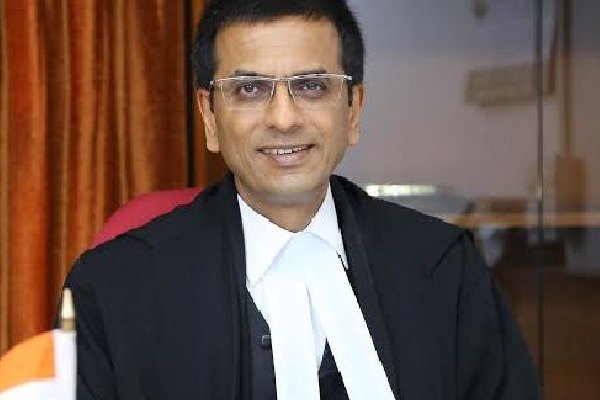
    Chief Justice of India D Y Chandrachud delivered a significant address on Saturday, highlighting the pivotal role played by institutions such as Parliament, the Supreme Court, and the Election Commission in fostering public confidence in the Constitution. Speaking at the valedictory function of a two-day legal conference in Bangladesh’s capital, Dhaka, Chandrachud underscored the importance of addressing ambiguity and uncertainty through decisive action by these institutions.


    Chandrachud emphasized that constitutions, by their very nature, serve as blueprints rather than exhaustive guides for all potential scenarios. Unlike statutes like the Income Tax Act, which delineate specific rules, constitutions provide broad frameworks that require interpretation and application in various contexts. The Chief Justice emphasized that it is the responsibility of institutions to translate constitutional principles into tangible benefits for the people, who are the ultimate source of authority.


    The legitimacy of governance institutions, including the judiciary, is intricately tied to their adherence to constitutional norms and principles. Chandrachud stressed that public confidence in the Constitution is reinforced when these institutions effectively navigate situations characterized by ambiguity and uncertainty. It is during such challenging circumstances that institutions must rise to the occasion, demonstrating their commitment to upholding the rule of law and protecting fundamental rights.


    In his address titled “Post-Colonial Constitutional Development in South Asia,” Chandrachud highlighted the significance of securing principles such as liberty, equality, non-discrimination, and due process. He underscored the mandate of the judiciary to safeguard these principles and ensure their meaningful implementation in society. Chandrachud’s remarks resonated with the conference attendees, which included prominent legal figures from both India and Bangladesh.


    Prime Minister Sheikh Hasina graced the occasion as the chief guest, alongside Chief Justice of Bangladesh Obaidul Hassan. Chandrachud praised the collaborative efforts between India and Bangladesh in fostering constitutional development and strengthening judicial systems. He emphasized the need for greater utilization of technology to enhance access to justice and bridge the digital divide.


    The Chief Justice advocated for leveraging technology to facilitate communication between the judiciary and citizens. He emphasized the importance of courts reaching out to citizens, rather than expecting the public to initiate contact. Chandrachud highlighted initiatives undertaken in India to harness technology for legal empowerment, including the allocation of significant funds to modernize the judiciary and improve digital infrastructure.


    One notable initiative mentioned by Chandrachud was the establishment of a national judicial database, which maps cases across India and enhances transparency and efficiency in the judicial process. Additionally, efforts are underway to establish “e-seva kendras” in every court and judicial establishment, ensuring that citizens without smartphones can access essential services.


    Chandrachud’s address underscored the evolving nature of constitutional and judicial systems in India and Bangladesh. Both countries recognize their constitutions as living documents that evolve with societal changes. By embracing technological advancements and upholding constitutional principles, India and Bangladesh aim to ensure stability, promote justice, and safeguard fundamental rights for all citizens.


    Chief Justice D Y Chandrachud’s address reaffirmed the critical role of institutions in upholding constitutional confidence and advancing the rule of law in South Asia. His remarks underscored the importance of adaptability, transparency, and technological innovation in strengthening judicial systems and promoting access to justice.

  • Insights from S Jaishankar’s Raisina Dialogue Address

    Insights from S Jaishankar’s Raisina Dialogue Address

    In his recent address at the Raisina Dialogue 2024, India’s External Affairs Minister, S Jaishankar, delivered a compelling message highlighting the crucial role of India on the global stage. He emphasized the need for individuals, both within India and abroad, to understand the significance of India’s trajectory in the coming decade and century. Jaishankar’s address was not only about geopolitics but also served as an invitation for people to grasp the importance of India’s rise in shaping their own lives.


    Central to his message was the idea encapsulated in his book, “Why Bharat Matters.” Jaishankar underscored the importance of comprehending why India, referred to as Bharat, holds such significance in the contemporary world. He emphasized that globalization, while offering immense promise, also brings forth challenges and vulnerabilities. The COVID-19 pandemic and the conflict in Ukraine served as poignant examples of how global events have direct and tangible impacts on individual lives, regardless of geographical boundaries.


    Jaishankar’s personal experiences further elucidated the relevance of foreign policy in everyday life. As he traversed different regions of India, he witnessed firsthand how global events resonated with ordinary citizens. The pandemic, initially perceived as a distant issue, swiftly infiltrated homes and disrupted livelihoods. Similarly, the conflict in Ukraine led to energy hikes, price increases, and food shortages, demonstrating the interconnectedness of the world and the far-reaching consequences of foreign policy decisions.


    Addressing the broader audience beyond the realm of foreign policy experts, Jaishankar emphasized the need for individuals to recognize the importance of foreign policy in shaping their lives. He stressed that understanding foreign policy is not solely the concern of policymakers but has implications for everyone. Through his book, “Why Bharat Matters,” Jaishankar aimed to bridge the gap between foreign policy and the general populace, elucidating how global dynamics directly impact individuals’ daily existence.


    Jaishankar’s subsequent mention of his second book during the Dialogue, “The India Way,” further highlighted the evolution of India’s approach on the global stage. While “Why Bharat Matters” delves into the significance of India’s trajectory, “The India Way” explores India’s unique ethos and approach to global affairs. By using the term “Bharat” instead of “India,” Jaishankar aimed to capture the transformative changes occurring within Indian society, politics, and mindset.


    Moreover, Jaishankar underscored that India’s current thought processes are deeply rooted in its culture, traditions, and heritage. This authentic approach, he argued, forms the bedrock of India’s engagement with the world, distinguishing it from conventional geopolitical strategies. By embracing its cultural heritage, India seeks to forge meaningful partnerships and contribute positively to global affairs.


    S Jaishankar’s address at the Raisina Dialogue 2024 provided valuable insights into India’s global significance and the evolving nature of its foreign policy. Through his books and speeches, Jaishankar encourages individuals to recognize the interconnectedness of global events and underscores the pivotal role of India in shaping the future trajectory of the world. As India continues to assert its position on the global stage, understanding its trajectory becomes increasingly essential for individuals worldwide.

  • Ministry of Electronics to Issue Notice to Google Over Bias

    Ministry of Electronics to Issue Notice to Google Over Bias

    The Ministry of Electronics and Information Technology is reportedly gearing up to issue a notice to Google regarding its AI platform Gemini, amidst allegations of bias in its responses related to Prime Minister Narendra Modi, as per a report by The Indian Express.


    The Gemini AI chatbot, developed by Google, has recently faced criticism for its perceived bias against PM Narendra Modi. A user on the social media platform X raised concerns about the apparent partiality of Google’s Gemini AI tool.


    The complaint revolves around the AI model’s responses to queries about PM Modi, former US President Donald Trump, and Ukrainian President Volodymyr Zelenskyy. It was claimed that while the AI tool provided a suitable response regarding PM Modi when asked about fascism, it refused to offer a clear answer when questioned about Trump and Zelenskyy.


    This discrepancy has prompted the government to consider issuing a notice to Google. A senior government official highlighted previous instances where the Gemini AI platform had generated objectionable responses, prompting regulatory action. The recent responses pertaining to PM Modi have heightened concerns, leading to the decision to issue a formal notice.


    Union Minister Rajeev Chandrasekhar also weighed in on the matter, alleging violations of Information Technology (IT) rules and other pertinent laws. The Ministry of Electronics pointed out specific provisions that he believes have been contravened and indicated that further action would be taken by flagging the issue to both Google and the Ministry of Electronics and IT.


    In response to the growing scrutiny, Google has decided to temporarily suspend the Gemini AI chatbot’s capability to generate images of individuals. This decision comes after the tech giant apologized for inaccuracies in historical depictions created by the AI tool.


    The issue underscores the increasing importance of ensuring fairness and impartiality in AI technologies, especially those with widespread usage like Google’s Gemini AI platform. As AI continues to play a significant role in various aspects of our lives, it is crucial to address concerns regarding bias and ensure that these technologies adhere to ethical standards and regulatory guidelines.


    Moreover, the incident highlights the need for robust oversight and accountability mechanisms to address instances of bias or discrimination in AI systems. Regulatory bodies and policymakers must work collaboratively with tech companies to develop frameworks and guidelines that promote fairness, transparency, and accountability in AI development and deployment.


    As the use of AI becomes more pervasive across different sectors, it is essential to prioritize the ethical and responsible use of these technologies to safeguard against potential biases and ensure that they benefit society as a whole. By addressing these challenges proactively, we can harness the full potential of AI while minimizing any negative impacts on individuals and communities.

  • The Future Heroes of India’s Digital Evolution

    The Future Heroes of India’s Digital Evolution

    India is a unicorn. Change here starts at a billion people. The countrys digital transformation journey, marked by initiatives like Aadhaar and UPI have proven this repeatedly. We have written the DPI playbook for the world. We delve into 5 less-publicised yet pivotal developments that will shape Indias sustainable and technologically advanced future using the 3 levers of Samaj, Sarkaar and Bazaar.


    Architects of Indias Digital Future :

    1. Beckn Protocol : Decentralised Foundations

    The Beckn Protocol, very unlike the Ghost Protocol, but very much on a Mission Impossible – crafting Indias decentralised future. It embodies the visions of web inventor Tim Berners-Lee and blockchain pioneer Satoshi Nakamoto. Heres why its a game-changer:


    Open & Interoperable

    Its open-source nature fosters universal participation, powering platforms like ONDC that challenge monopolies and empower social sectors by creating significant opportunities for MSMEs and artisans. Recent estimates suggest ONDC transactions can potentially generate $250-300 Bn in GMV (gross merchandise value) by 2030, driving Indias internet economy to $1 Tn.


    Unbundling the Ecosystem

    Beckn is a set of lightweight, open, and interoperable specifications, much like SMTP for emails but for digital transactions. It is designed to create peer-to-peer decentralised networks for pan-sector economic transactions and empower buyers and sellers to transact without intermediaries or apps. This empowers small businesses and gives consumers greater control, a crucial aspect in Indias diverse market.


    Trust & Transparency

    By integrating Discovery, Order, Fulfilment, and Post-fulfilment into the internets core, Beckn supercharges the digital economy, creating a seamless synergy between buyers and sellers. This empowers small businesses and gives consumers greater control, a crucial aspect in Indias diverse market.


    Real-world Impact

    Beyond e-commerce, Beckns applications extend to education, healthcare, mobility, and governance, impacting millions nationwide. Beckn powers. Namma Yatri, a peer-to-peer autorickshaw booking app in Bengaluru, India, challenges ride-hailing giants (45,000 autorickshaws already onboarded).. Open Kochi is a multimodal mobility network built on Beckn, offering citizens a seamless transportation experience. OGa is an open network in Gambia leveraging Beckn for a variety of services, from agriculture to logistics


    2. Bhashini : Multi-lingual AI Breaking Barriers

    Captain Kirk and the crew of the USS Enterprise all carried communicators. These were also Universal Translators and (as per the story) were first used in the late 22nd century on Earth for instant translation of well-known Earth languages. Bhashini may have proved them wrong.


    Inclusive Development

    Bhashini is a multi-lingual AI platform currently under development by the Ministry of Electronics and Information Technology (MeitY). It aims to provide accessible and inclusive AI tools for Indian languages, breaking down language barriers and fostering broader participation in the digital economy.


    Citizen Participation

    Every Indian can help build an open data repository to digitally enrich their language through Bhasha Daan – the Suno India, Bolo India, Likho India, and Dekho India initiatives. This participatory approach ensures that Bhashini reflects the true diversity of the Indian language. Just recently, Prime Minister Modi utilised Bhashini to address the Tamil-speaking audience at the Kashi Tamil Sangam, showcasing its potential for national communication.


    3. Digilocker : Authentic Digital Documents

    A Monster.com survey shows 82% of Indian employers encountered fake resumes in 2022, and the average cost per bad hire is ₹4.2 lakh. Digilocker addresses this pervasive issue of fake resumes and degrees, providing every Indian citizen and entity access to authentic digital documents.


    Combating Fraud

    Digilocker ensures citizens can access authentic digital documents. Digilocker tackles the widespread issue of fake documents, verifying credentials for over 240 million registered users and issuing over 6 billion documents as of January 2024.


    Benefits beyond Individuals

    Digilocker streamlines bureaucratic processes for government agencies, enabling secure document exchange and reducing administrative overhead. Some examples:

    During income tax filing, integration with Digilocker enables the Income Tax department to pull PAN card details, reducing verification time seamlessly. Over 30 million taxpayers have linked their PAN with Digilocker.

    For public sector bank recruitments, Digilocker APIs allow candidate identity and document verification by banks in real-time, cutting processing time from 4 days to 4 hours.

    The Central Board of Secondary Education uses Digilocker to deliver exam certificates to over 34 million students electronically. This has reduced certificate printing and logistics costs.


    4. Societal Platforms : Digital Solutions for Social Challenges

    I was totally intrigued by this concept when I first heard Sanjay Purohit discuss the analogy of the forest versus the farm to illustrate two fundamentally different approaches to systems organisation and governance. The forest is a decentralised, self-regulating, and resilient system, while the farm represents a centralised, controlled, and uniform system. This is also the basis for Societal Thinking and Societal Platforms – an EkStep-backed initiative.


    This approach involves a set of values, frameworks, and principles that have been developed through iterative cycles of building Societal Platforms in collaboration with over 150 change leaders, thinkers, and enablers across 25 countries. The emphasis is on empowering individuals to address their diverse problems with agency, dignity, and choice.


    Shifting the Paradigm

    Societal Platforms move beyond technology, adopting a systemic approach to social issues through open innovation and shared infrastructure. This philosophy is evident in platforms like the Maternal Care: The “Improving maternal care by making midwifery mainstream” platform, has trained over 10,000 midwives in India, reaching 3.6 million women and 1.2 million children with essential healthcare. This has led to a 25% reduction in maternal mortality rates in target regions.


    Societal Platforms in Action

    Water Security: The “Water Resilience for 100 Million” platform, has provided access to safe drinking water for over 5 million people in rural India. This has resulted in a 30% decrease in waterborne illnesses and a 20% increase in agricultural productivity in targeted areas.

    The “100 Million Farmers School” has empowered over 10 million farmers with financial literacy and business skills, leading to a 25% increase in income for participants.


    5. Diksha : Scaling Education Access

    The most well-established, Diksha, the EKStep Foundations education platform, is pivotal in scaling education and making it accessible to a broader audience in India. It brought 600 million textbooks alive for 180+ million students and 7+ million teachers via QR codes to deliver education at scale.


    Addressing the Content Gap

    Diksha offers over 60 billion minutes of learning across diverse subjects, catering to educational needs in all 28 states and 8 union territories.


    Overcoming the Digital Divide

    Dikshas offline accessibility and partnerships with mobile network operators ensure education continuity even in remote areas, bridging the digital divide and reaching previously underserved communities.


    Personalized Learning for All

    Diksha utilises AI-powered algorithms to personalise learning pathways, leading to improved test scores and increased student engagement. This focus on individual needs makes education more effective and engaging for all. My personal vision for the platform is the possibility of students to learn any course in any language from any university (online or offline) and bring it all together as a degree/certificate via a nationally accepted credit system.


    These 5 innovations are not just technological marvels; they represent a paradigm shift in how public infrastructure is designed, perceived and utilised. By focusing on inclusivity, accessibility, and self-sustainability, India is showcasing to the world that technology, when thoughtfully implemented, can be a powerful catalyst for societal transformation and global integration.

  • Digitization of Land Records to Boost India’s GDP

    Digitization of Land Records to Boost India’s GDP

    The Indian government’s ambitious initiative to digitize land records and registrations is poised to deliver significant economic and developmental benefits. Rural Development and Panchayati Raj Minister Giriraj Singh highlighted the potential impact of this digitization effort, projecting a boost of about 1.5% to India’s Gross Domestic Product (GDP). Speaking at the Bhumi Samvaad VIII conference, Singh emphasized the transformative role of modern technologies, particularly Blockchain, in revolutionizing land management practices.


    One of the key objectives of digitizing land records is to address the extensive backlog of land dispute cases in courts. By streamlining and digitizing land records, the government aims to expedite dispute resolution processes, thereby reducing the burden on the judicial system and providing timely justice to citizens. Additionally, Singh noted that this initiative would significantly enhance India’s ease of doing business ranking, making the country a more attractive destination for investors and businesses.


    The minister highlighted several key initiatives under the government’s digitization agenda. These include the introduction of the Unique Land Parcel Identification Number (Bhu-Aadhaar) and the Transliteration of Land Records, which aims to provide land records in multiple languages to facilitate ease of doing business across linguistic barriers. Furthermore, the National Generic Document Registration System (NGDRS) initiative seeks to establish a unified registration system, enabling seamless transactions and eliminating bureaucratic hurdles.


    Discussions at the Bhumi Samvaad VIII conference underscored the transformative potential of digitalization in land management. Participants deliberated on the impact of digitalization on reducing litigation, streamlining process times, and cutting costs associated with land transactions. Moreover, the digitization of land records is expected to facilitate greater access to credit for farmers and landowners, thereby unlocking economic opportunities and promoting inclusive growth.


    Nidhi Khare, Land Resources Secretary, emphasized the importance of sharing best practices and exploring scalable innovations in land governance. Conferences such as Bhumi Samvaad provide a platform for stakeholders to exchange ideas, identify challenges, and devise strategies for effective implementation of digitization initiatives. Khare reiterated the government’s commitment to transparent governance and ensuring that the benefits of digitization reach citizens at the grassroots level.


    Minister of State for Steel and Rural Development, Faggan Singh Kulaste, reiterated the government’s focus on transparency and accountability in governance. He emphasized that the digitalization of land records and registrations would not only reduce the backlog of court cases but also ensure transparency in identifying beneficiaries for land acquisition. By leveraging technology, the government aims to mitigate land disputes and facilitate fair and efficient land transactions.


    The government’s initiative to digitize land records and registrations represents a significant step towards modernizing land management practices in India. By harnessing the power of technology and innovative initiatives, such as Blockchain and NGDRS, the government aims to improve governance, enhance transparency, and stimulate economic growth. As discussions at the Bhumi Samvaad VIII conference highlighted, collaboration and knowledge sharing among stakeholders are crucial for the successful implementation of digitization efforts and realizing the full potential of India’s land resources.

  • Moody’s Predicts Global Generative AI Spending

    Moody’s Predicts Global Generative AI Spending

    Moody’s, the financial services firm, predicts that global enterprise spending on generative artificial intelligence (AI) will surpass $150 billion by 2027, contributing to the estimated $500 billion global AI spending in the next three years. The positive outlook for generative AI adoption could present significant business prospects for India’s IT services industry, which has been gearing up to meet the rising demand for this transformative technology.


    Despite challenges such as the availability of quality data and cybersecurity concerns, Moody’s anticipates that enterprise adoption of generative AI will continue to grow. The rating agency notes that rapid innovation in AI technologies, coupled with the development of fundamental technologies, will drive increased spending and implementation of generative AI in the coming years.


    In a note to investors, Moody’s highlighted the potential impact of generative AI on various industries, identifying banking and insurance, as well as manufacturing, as sectors where deployment is expected to accelerate faster than others. The agency pointed out that sectors with substantial staff costs and large datasets are likely to benefit the most from generative AI adoption.


    The positive projections align with the efforts of India’s IT services industry to build capabilities and train employees in generative AI. Despite a challenging financial year, top IT services firms have been investing in the development of generative AI expertise, anticipating increased demand for this innovative technology.


    Moody’s emphasized that while the AI industry is growing rapidly among tech companies, progress among non-tech firms will be gradual. The note mentioned that most issuers may not experience significant changes in their credit quality before 2026, as firms need time to identify use cases, build expertise, test new technologies, and navigate evolving regulations.


    The rating agency expects the adoption of generative AI to pick up momentum beyond 2026, highlighting that sectors with sizeable staff costs and extensive datasets will witness substantial benefits. However, Moody’s also cautioned that enterprises failing to embrace generative AI adoption may face potential credit rating impacts in the long term.


    As generative AI continues to evolve as a transformative force in the technology landscape, its growing prominence is anticipated to contribute to the resilience and innovation of enterprises worldwide. The positive outlook provided by Moody’s suggests a promising future for generative AI, reinforcing its significance in shaping the global business landscape.

  • Nora Fatehi Latest Victim of Deepfake Video

    Nora Fatehi Latest Victim of Deepfake Video

    Deepfake technology has become a growing concern globally, impacting individuals from various fields, and the latest victim is Bollywood actor and dancer Nora Fatehi. The actor took to Instagram to share her shock as a deepfake video of her was allegedly used by a technical apparel and athletic shoes website for promotional purposes. This incident once again highlights the challenges posed by deepfake technology and raises questions about privacy, consent, and the potential misuse of manipulated content.


    Nora Fatehi’s Instagram story featured her response to the unauthorized use of the deepfake video, expressing her disbelief, “SHOCKED!!! This is not me!” The incident underscores the increasing prevalence of deepfake content on the internet, where artificial intelligence (AI) is employed to manipulate videos and create realistic-looking but entirely fabricated clips.


    Deepfakes involve the use of sophisticated AI algorithms to alter or superimpose existing images or videos, often replacing the likeness of one person with another. This technology has the potential to create highly convincing and deceptive content that can be used for various purposes, from harmless fun to more malicious activities.


    The Bollywood industry has witnessed several instances of celebrities falling victim to deepfake videos. Earlier, cricket legend Sachin Tendulkar had also faced a similar situation where a deepfake video featuring him promoting a mobile application circulated on social media. Other celebrities such as Rashmika Mandanna, Alia Bhatt, Kajol, Katrina Kaif, and Priyanka Chopra have also been targeted, with manipulated videos of them surfacing online.


    Deepfake technology poses significant challenges in terms of privacy infringement and the potential for misinformation. Celebrities and public figures are particularly vulnerable to such manipulations, as their images and videos are widely available on the internet. The impact of deepfakes goes beyond mere entertainment or harmless pranks, as the technology can be misused for defamation, spreading false information, or creating content with malicious intent.


    In response to the rising threat of deepfakes, authorities have taken steps to address the issue. Recently, Delhi Police arrested a B-Tech graduate from Andhra Pradesh in connection with a deepfake video featuring actor Rashmika Mandanna. The accused, identified as Eemani Naveen, was reportedly trying to increase followers on his fan page of Rashmika Mandanna on Instagram. The incident led to the arrest of the individual responsible for creating and circulating the manipulated video.


    Union Minister of State for Information Technology, Rajeev Chandrasekhar, emphasized the need for tighter rules under the Information Technology Act to ensure compliance by platforms in the country. He acknowledged that deepfakes and misinformation powered by AI pose a threat to the safety and trust of Indian users. The government is considering measures to address the challenges posed by deepfake technology, recognizing the importance of protecting individuals from potential harm.


    The incident involving Nora Fatehi adds to the ongoing conversation about the ethical implications of deepfake technology and the need for comprehensive regulations. While AI advancements offer numerous benefits, there is a pressing need to strike a balance and mitigate the negative consequences associated with the misuse of such technologies.


    As the entertainment industry and individuals grapple with the impact of deepfakes, there is a growing awareness of the importance of safeguarding personal images and videos. Celebrities are increasingly advocating for measures to combat deepfake threats, including legal actions against those responsible for creating and spreading manipulated content.


    The Nora Fatehi deepfake incident serves as a reminder of the challenges posed by advancing AI technologies. Striking a balance between innovation and regulation is crucial to addressing the ethical concerns surrounding deepfakes and ensuring the protection of individuals’ privacy and reputations. As technology continues to evolve, it is imperative to stay vigilant and implement effective measures to prevent the misuse of AI for malicious purposes.

  • Chinese Entities Continue to Acquire Banned Nvidia Chips

    Chinese Entities Continue to Acquire Banned Nvidia Chips

    Chinese military bodies, state-run artificial intelligence research institutes, and universities have been acquiring Nvidia semiconductors banned by the United States, according to a Reuters review of tender documents. Despite export restrictions, Chinese entities have been purchasing Nvidia chips, including the A100 and H100, which were banned from export to China and Hong Kong in September 2022. The ban extended to the A800 and H800 chips developed by Nvidia for the Chinese market in October 2022. The continued demand for and access to these banned chips underline the challenges faced by Washington in cutting off China’s access to advanced U.S. chips, crucial for AI and sophisticated computers for its military.


    Persistent Demand for Nvidia Chips in China

    Chinese entities, including military organizations, universities, and research institutes, have been purchasing Nvidia semiconductors, particularly the A100 and H100 chips, despite export restrictions imposed by the United States. The ban on these chips was implemented in September 2022, with additional bans on the A800 and H800 chips in October 2022.


    Importance of Nvidia Chips for AI Work

    Nvidia’s graphic processing units (GPUs), including the A100 and H100 chips, are highly regarded for their efficiency in processing large amounts of data required for machine learning and AI tasks. Before the bans, Nvidia held a dominant 90% share of China’s AI chip market.


    Lack of Alternatives for Chinese Firms

    The review highlights the challenges faced by Chinese firms in finding alternatives to Nvidia chips despite the development of rival products by companies like Huawei. The demand for banned Nvidia chips underscores their significance in powering AI advancements in China.


    Purchasers Include Elite Universities and Entities under U.S. Restrictions

    The purchasers of Nvidia chips include elite universities and entities subject to U.S. export restrictions, such as the Harbin Institute of Technology and the University of Electronic Science and Technology of China. These entities have been accused of involvement in military matters or affiliation with military bodies contrary to U.S. national interest.


    Challenges in Enforcing Export Restrictions

    Despite U.S. export restrictions, an underground market for Nvidia chips has emerged in China. Chinese vendors reportedly acquire excess stock from the market after Nvidia ships large quantities to U.S. firms or import through companies locally incorporated in various locations.


    Lack of Clarity on Chip Suppliers

    The review found that neither Nvidia nor retailers approved by the company were among the suppliers identified in tender documents. The sources of these chips and how suppliers procure them remain unclear.


    U.S. Efforts to Tighten Restrictions

    U.S. authorities have pledged to close loopholes in export restrictions and limit access to chips by units of Chinese companies located outside China. However, the challenges in enforcing watertight restrictions on the export of small and easily transportable chips persist.


    Impact on China’s AI Development

    The main aim of U.S. export restrictions is to hinder China’s AI development by making it difficult to build large clusters of advanced chips capable of training AI systems. While the quantities purchased may not be sufficient for extensive AI projects, a handful of Nvidia chips can still run complex machine-learning tasks and enhance existing AI models.


    Nvidia’s Response

    Nvidia stated that it complies with all applicable export control laws and requires its customers to do the same. The company emphasized its commitment to taking immediate and appropriate action if it learns that a customer has made an unlawful resale to third parties.


    Future Developments

    The Reuters review indicates the persistence of demand for Nvidia chips in China despite export restrictions. As the U.S. seeks to tighten controls, the chip war between the two countries is likely to continue, with implications for AI development and technological advancements in China. The lack of viable alternatives to Nvidia chips further complicates the landscape, highlighting the ongoing challenges in managing chip supply chains and export controls in the global semiconductor industry.