Tag: Security Measures

  • Security Measures to Halt Farmers’ ‘Delhi Chalo’ March

    Security Measures to Halt Farmers’ ‘Delhi Chalo’ March

    Authorities are on high alert as farmers from Punjab, Haryana, and Uttar Pradesh gear up for the ‘Delhi Chalo’ march, marking a significant resurgence in the farmers’ protest movement. Following inconclusive talks with Union ministers, over 200 unions have mobilized under the leadership of Jagjeet Singh Dallewal and Sarwan Singh Pandher to press their demands, chiefly clarity on legal guarantees for the Minimum Support Price (MSP) and implementation of the Swaminathan report. The Haryana government has extended the ban on mobile internet and bulk SMS services in seven districts till February 15, citing the ‘Delhi Chalo’ agitation.


    These measures aim to control the flow of information and communication among protesters. At border points, tensions have escalated, with farmers from Punjab facing resistance from the Haryana Police as they attempted to breach barricades, resulting in clashes and the use of tear gas shells. Farmer leaders have accused the central government of orchestrating attacks on protesters, alleging injuries to around 60 individuals during clashes at the Punjab-Haryana border.


    Efforts to fortify border points are evident, with videos circulated by news agencies showing the pouring of concrete between slabs at the Tikri border. Legal actions and petitions have also ensued, with the Supreme Court Bar Association urging Chief Justice of India D Y Chandrachud to address the situation, while the Punjab and Haryana High Court has issued notices in response to petitions related to the march. Union Agriculture Minister Arjun Munda emphasizes the need for structured discussions with stakeholders before enacting laws guaranteeing MSP.


    Despite the protesters not yet reaching Delhi, traffic disruptions are evident in the region due to barricades and heightened security measures. Farmer organizations and political entities like the Samyukta Kisan Morcha and All India Forward Bloc have condemned the government’s use of force to suppress the protests.


    Farmers in Tamil Nadu stage ‘road roko’ protests in solidarity with the Delhi-bound farmers, demanding the fulfillment of promises made by the government. Leaders like P Ayyakannu and P R Pandian emphasize the need for dialogue and fulfillment of promises to address the concerns of protesting farmers. The ‘Delhi Chalo’ march reflects the resolute determination of farmers to secure their rights and fair treatment, setting the stage for continued dialogue and action between the government and agricultural stakeholders.


    The situation remains tense as both sides stand firm on their positions, with farmers adamant on their demands and the government stressing the need for structured discussions and legal considerations before implementing reforms. As the protests continue to garner support and attention both nationally and internationally, the onus lies on the authorities to address the grievances of the farmers and work towards a mutually beneficial resolution.

  • Farmers Protest 2.0: Delhi Chalo March Resumes

    Farmers Protest 2.0: Delhi Chalo March Resumes

    The resurgence of the Farmers Protest, now termed “Farmers Protest 2.0” or “Delhi Chalo,” marks a renewed agitation by farmers from Punjab, Haryana, and Uttar Pradesh. This movement comes nearly two years after the previous protests at Delhi borders, which ultimately led to the repeal of three contentious farm laws in 2021. However, despite the government’s concessions, unresolved issues, particularly concerning the legal guarantees for the Minimum Support Price (MSP), have prompted farmers to mobilize once again.


    Scheduled to commence at 10 am, the Delhi Chalo march has garnered significant attention, with over 200 unions spearheading the movement. However, the Haryana government’s preemptive measures, such as erecting fences around the state, reflect attempts to prevent a recurrence of the 2020-21 protests, signaling the contentious nature of the impending demonstrations.


    Comparing Farmers Protest 2.0 to the previous agitation reveals several noteworthy differences and similarities:


    • Agenda: While the 2020 protests primarily focused on opposing the three farm laws, which were subsequently repealed, Farmers Protest 2.0 seeks additional demands. These include legal guarantees for MSP across all crops, full debt waiver for farmers, pension benefits, implementation of the Swaminathan Commission’s formula, and withdrawal of cases against farmers from the 2020 protests.


    • Leadership and Union Representation: Unlike the unified leadership of Bhartiya Kisan Union and Samyukt Kisan Morcha in 2020, Farmers Protest 2.0 sees a more diversified representation from various unions. Prominent leaders like Rakesh Tikait and Gurnam Singh Charuni have been joined by figures like Jagjit Singh Dallewal and Sarwan Singh Pandher in leading the current agitation.


    • Government Response and Negotiations: While the previous protests resulted in the withdrawal of cases against protesters, the absence of legal MSP guarantees remained unresolved. In contrast, the government has initiated negotiation processes even before the commencement of Delhi Chalo 2.0. Meetings between farmer leaders and Union ministers have already taken place, indicating a proactive approach to addressing grievances.


    • Security Measures: The administration’s response to Farmers Protest 2.0 reflects heightened security measures compared to 2020. Stringent measures, including the installation of barbed wire, cement barricades, and restrictions on entry into Delhi, underscore the government’s efforts to maintain law and order. Additionally, the Haryana government’s decision to close borders with Punjab further highlights the seriousness of the situation.


    The resurgence of the Farmers Protest in the form of Delhi Chalo 2.0 underscores the persistent challenges faced by farmers and the unresolved nature of key agricultural reforms. As farmers mobilize once again to assert their demands, the government’s response and willingness to engage in meaningful dialogue will determine the trajectory of this renewed agitation and its implications for India’s agricultural sector.

  • Delhi Police: Security Ahead of Farmers Delhi Chalo March

    Delhi Police: Security Ahead of Farmers Delhi Chalo March

    Amidst the looming threat of the farmers’ ”Delhi Chalo March”, the Delhi Police has significantly heightened security measures at Singhu, Ghazipur, and Tikri borders. In a bid to deter protesters from entering the city, nails have been installed along with barricades, aimed at puncturing the tires of vehicles carrying demonstrators, officials revealed on Sunday.


    Delhi Police Commissioner Sanjay Arora conducted an inspection of various borders between Haryana-Delhi and Uttar Pradesh-Delhi alongside police officials to assess the security arrangements. Over 5,000 security personnel have been deployed, and cranes and earthmovers with large containers have been stationed to block the roads effectively.


    Multiple security barricades have already been erected at the borders to impede the entry of farmers into the national capital. Nails have been strategically placed on the roads to thwart any attempt by protesters to breach the barricades using vehicles.


    Furthermore, several teams have been mobilized to maintain strict vigilance at bus stands, metro stations, railway stations, and roads to prevent farmers from entering the city through alternative modes of transportation.


    Farmers’ associations, primarily from Uttar Pradesh, Haryana, and Punjab, have announced plans for a protest on February 13, demanding legislation guaranteeing Minimum Support Price (MSP) for crops, a condition they had stipulated when withdrawing their agitation in 2021.


    Meanwhile, prohibitory orders under Section 144 of the Criminal Procedure Code (CrPC) have been imposed in the northeast district of Delhi to uphold law and order.


    The ‘Delhi Chalo March’, organized by around 200 farmers’ unions and a substantial number of farmers, is scheduled to converge on the national capital on February 13 from Uttar Pradesh, Haryana, and Punjab.


    The imposition of Section 144 of the CrPC aims to preempt any breach of law and order, as farmers are expected to stage sit-ins at the borders of Delhi until their demands are met.


    Given the past behavior of farmers during protests, characterized by defiance and determination, the authorities anticipate mobilization activities from various districts to Delhi, potentially involving tractors, trolleys, and arms. Therefore, the precautionary imposition of Section 144 is deemed necessary to safeguard lives and property in the area.


    The directive prohibits the gathering of the general public at all borders between Delhi and Uttar Pradesh and neighboring areas in the northeast district. It also bars the entry of vehicles carrying protesters from Uttar Pradesh, including tractors, trolleys, buses, trucks, and personal vehicles, into Delhi.


    The order instructs the northeast district police to take all necessary measures to prevent protesters from entering Delhi and prohibits individuals from bearing arms, including firearms, swords, tridents, spears, and rods.


    The police force is in close coordination with counterparts in Haryana, Punjab, and Uttar Pradesh to ascertain the number of farmers’ organizations participating in the protest and anticipate the scale of the march. Stringent security plans, including multi-layered checkpoints and proper vehicle inspections, have been devised to maintain law and order and ensure public safety.

  • Stringent Measures to Block Farmer’s March to Delhi

    Stringent Measures to Block Farmer’s March to Delhi

    The looming farmers’ protest, with its potential to echo the intensity of the 2020 Farmers’ Protest, has put the Haryana government on high alert. As farmer organizations gear up to march to the national capital on February 13, Chief Minister Manohar Lal Khattar-led administration is leaving no stone unturned to thwart their efforts.


    Preparation for the protest takes a formidable shape as the government braces for the impending demonstration. Cement barricades, iron nails, suspension of internet services, and a heavy police presence are among the measures being deployed to block the farmers’ march. Reports indicate that route diversions and a seven-tier security cordon are also part of the elaborate arrangements.


    Haryana government authorities have been seen diligently drilling iron nails on the roads, intending to deter or delay the progress of the protesting farmers. Additionally, all borders between Haryana and Punjab have been sealed with imposing cement barricades and barbed wires, a stark visual reminder of the government’s resolve to maintain law and order.


    Further intensifying the security apparatus, Section 144 has been imposed in many districts of Haryana, curtailing public gatherings and demonstrations. The deployment of CRPF and other security agencies, in addition to the police force, underscores the seriousness with which the government is approaching the situation.


    To impede communication and coordination among the protestors, mobile internet services have been suspended in seven districts of Haryana. This move aims to disrupt any attempts to organize or mobilize support for the march digitally. Bulk SMS services have also been suspended, further restricting the channels through which information can be disseminated.


    The Haryana-Punjab border at Shambhu has been effectively shut down for vehicular movement towards Ambala and Delhi. The closure has resulted in significant traffic congestion, inconveniencing commuters and travelers. Even the Ghaggar river bed has not been spared, as officials have dug it up to prevent farmers from reaching the highway through tractors.


    The suspension of mobile internet services and bulk SMS in the seven designated districts is a preventive measure adopted by the government to preempt any potential unrest or escalation of the situation. By cutting off digital communication channels, the authorities aim to disrupt the protestors’ ability to organize and coordinate their activities effectively.


    Despite these stringent measures, farmers remain resolute in their determination to march to Delhi. Tractor trolleys are being readied, and farmers are gearing up for the journey ahead. In Rajpura, a tractor march was organized as part of the preparations for the impending march to Delhi.


    Amidst the preparations and heightened tensions, authorities have issued advisories urging people to remain vigilant and report any untoward incidents. The helpline number ‘112’ has been made available for immediate assistance during emergencies, underscoring the government’s commitment to maintaining peace and order.


    The upcoming farmers’ march is fueled by a myriad of demands, including the enactment of a law to guarantee minimum support prices (MSP) for crops, implementation of the Swaminathan Commission’s recommendations, pensions for farmers and farm laborers, farm debt waivers, withdrawal of police cases, and justice for victims of the Lakhimpur Kheri violence.


    As the standoff between the government and farmers continues, all eyes are on the unfolding events leading up to February 13. The outcome of this confrontation will not only shape the trajectory of the farmers’ movement but also have far-reaching implications for India’s agrarian landscape and political dynamics.

  • Riots in Haldwani: Uttarakhand Police Registers Cases

    Riots in Haldwani: Uttarakhand Police Registers Cases

    Following the recent outbreak of violence in the Banbhoolpura area of Haldwani, Uttarakhand Police has taken decisive action, registering a case against 19 named individuals and 5,000 unidentified suspects, as revealed by SSP Nainital Prahalad Narayan Meena in a media briefing on Saturday. The aftermath of the riots has prompted heightened security measures in the region, with significant deployments of local police and Central Armed Police Forces (CAPF) to maintain order.


    Providing updates on the situation, SSP Meena assured the public that law enforcement agencies are actively pursuing the identification and apprehension of miscreants involved in the violence. While curfew restrictions have been lifted from outer areas of Haldwani, Banbhoolpura remains under curfew as authorities work to restore calm and security.


    In response to the tragic events, Chief Secretary Radha Raturi and Chief Minister Pushkar Singh Dhami visited the affected areas to assess the situation firsthand. Condemning the violence, CM Dhami emphasized that such acts of lawlessness undermine the sanctity of Uttarakhand, known as ‘Dev Bhoomi,’ and vowed to uphold the rule of law.


    Describing the sequence of events that led to the unrest, CM Dhami reiterated that the anti-encroachment drive was conducted in compliance with court directives. However, the situation escalated when violent elements attacked law enforcement personnel, including women officers, with petrol bombs and stones. He denounced the assault on journalists and the destruction of public property, promising accountability through thorough investigation and legal action.


    With an emphasis on restoring peace and order, CM Dhami underscored the retrieval of video footage to identify perpetrators and hold them accountable for their actions. He assured support for the injured and reiterated the government’s commitment to ensuring justice for all affected parties.


    In response to the escalating tensions, the state government issued a high alert across Uttarakhand, intensifying security measures in Banbhoolpura and beyond. Additionally, internet services were suspended, and educational institutions were ordered to remain closed to prevent further escalation of violence.


    The incidents in Haldwani serve as a stark reminder of the fragility of peace and the importance of robust law enforcement measures to safeguard communities. As investigations continue and efforts to restore normalcy unfold, the state government remains steadfast in its commitment to upholding the rule of law and ensuring the safety and security of all citizens.


    As Uttarakhand grapples with the aftermath of the riots, collective efforts are imperative to foster reconciliation, address grievances, and prevent the recurrence of such tragic events. In the spirit of unity and resilience, the people of Uttarakhand stand united in their resolve to overcome challenges and rebuild trust and harmony in their communities.

  • Noida Police Heightens Security Amid Farmers’ March

    Noida Police Heightens Security Amid Farmers’ March

    On February 8, the Noida Police took proactive measures to enhance security along its borders with Delhi in anticipation of a farmers’ march to the Parliament. Traffic movement at various routes, including the Noida-Greater Noida Expressway and DND, was reported to have slowed down due to the ongoing protest. To manage the situation effectively, barriers were installed at all borders of Delhi, and senior officials were deployed at various locations to control traffic.


    The Gautam Buddh Nagar Police had already imposed CrPC section 144 as a precautionary measure. Additionally, a traffic advisory was issued to caution commuters about diversions on certain routes within the twin cities, considering the farmers’ movement on tractors.


    A police spokesperson emphasized the need for heightened security measures, stating that barriers had been installed at all Delhi borders and key locations like Kisan Chowk. Each vehicle was subjected to thorough checks, leading to slower traffic movement. Continuous monitoring of traffic was ensured to mitigate any potential disruptions.


    The farmers, led by the Bharatiya Kisan Parishad (BKP), planned to assemble at the Mahamaya Flyover in Noida before proceeding towards the Parliament in Delhi. Their objective was to press for long-pending demands related to compensation and land acquisition issues.


    The farmers’ agitation in Noida and Greater Noida has been ongoing since December 2023, with demands for increased compensation and developed plots against land acquired by local development authorities in the past. Groups such as the Sanyukt Kisan Morcha and Akhil Bharatiya Kisan Sabha have been advocating for 10% of abadi land for affected farmers.


    The protest has seen farmers from more than 40 villages camping in Noida for the past five months, with a particular focus on the Noida Authority’s Sector 6 office, where they have been staging demonstrations for two months.


    In light of the farmers’ movement, specific traffic routes in Noida were affected. Traffic was completely banned on certain stretches, including from Golchakkar Chowk Sector 15 to Sector 06 Chowki Chowk and from Sandeep Paper Mill Chowk to Harola Chowk. Diversions were implemented to minimize inconvenience for commuters, with alternative routes suggested for reaching various destinations.


    Emergency vehicles were given priority during diversions to ensure their swift movement. Additionally, commuters were advised to contact the traffic helpline number provided in case of any inconvenience.


    The decision to strengthen security measures and regulate traffic flow reflects the authorities’ commitment to maintaining law and order while respecting the farmers’ right to peaceful protest. By implementing proactive measures and issuing timely advisories, the Noida Police aimed to minimize disruptions and ensure the safety and security of all citizens during the farmers’ march.

  • Delhi Leaders Under House Arrest Ahead of Polls

    Delhi Leaders Under House Arrest Ahead of Polls

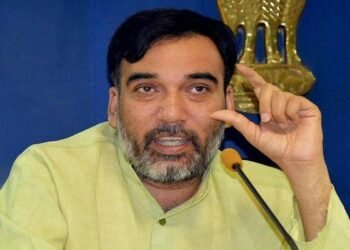
    The political landscape in Delhi is currently marked by tension and controversy as Aam Aadmi Party (AAP) leaders, including Delhi Speaker Ram Niwas Goel and Deputy Mayor Aaley Mohd Iqbal, find themselves under house arrest. AAP leader Gopal Rai announced this development during a press conference on February 2. Several other AAP MLAs and councillors have also reportedly been subjected to house arrest in anticipation of the planned protest outside the BJP headquarters.


    The list of leaders allegedly under house arrest includes the MLA of Rajouri Garden, MLA of Janakpuri, councillors of Harinagar, Bijwasan MLA, Chhatarpur MLA, Krishna Nagar MLA, Deputy Mayor, Laxmi Nagar Councillor, RK Puram Councillor, Badli Councillor, Motinagar, Trinagar, Timarpur, and Seemapuri.


    The reason behind this preemptive action is the AAP’s scheduled protest against what they claim to be “cheating” in the Chandigarh mayoral polls, ultimately won by the BJP. Manoj Sonkar, a BJP councillor, secured victory in the elections and was appointed as the new mayor. The outcome saw Sonkar amassing 16 votes, while Kuldeep Singh, a combined nominee of the Congress and the AAP, received 12 votes.


    Security measures have been significantly heightened in Central Delhi, with police barricading several roads leading to the Pandit Deen Dayal Upadhyaya Marg. Additional personnel have been deployed in anticipation of both the AAP’s demonstration and a separate protest by the BJP against alleged “corruption” in the Kejriwal government.


    Roads leading to the Pandit Deen Dayal Upadhyaya Marg have been closed since the morning, and barricades have been set up near the BJP and AAP headquarters. The political standoff is unfolding against the backdrop of heightened tensions, leading to concerns about potential clashes.


    Delhi Minister and AAP leader Atishi expressed her observations on social media platform X, noting, “Heavy barricading all across Delhi. Buses full of AAP volunteers being detained. Hundreds of paramilitary forces outside the AAP office.” She questioned the motive behind the heightened security measures, asking why the BJP appeared to be fearful of a protest regarding the Chandigarh mayoral elections.


    Saurabh Bharadwaj, another AAP leader and cabinet colleague, released a video statement addressing the situation. He questioned whether the BJP was afraid of Arvind Kejriwal, the Chief Minister of Delhi. Bharadwaj alleged that the entire country witnessed how votes were allegedly stolen in the Chandigarh mayoral polls by the BJP. He emphasized that the protest was an opportunity for elected chief ministers, Arvind Kejriwal and Bhagwant Mann, to voice their concerns and stand against what they perceive as electoral malpractice.


    As the political tension escalates, the capital city remains on edge, with the focus on both the AAP’s planned demonstration and the BJP’s counter-protest against the Kejriwal government. The unfolding events are a testament to the complex and often confrontational nature of Indian politics.

  • Devotees:  Throng Ayodhya’s Ram Mandir for Darshan

    Devotees: Throng Ayodhya’s Ram Mandir for Darshan

    Devotees from across the country continued to pour into Ayodhya for darshan at the newly inaugurated Ram Mandir, three days after the grand ‘Pran Pratishtha’ ceremony. Despite the cold weather, the enthusiasm among the devotees remained high as they lined up patiently to catch a glimpse of Ram Lalla. The Chief Priest of Shri Ram Janmabhoomi Teerth Kshetra, Acharya Satyendra Das, expressed satisfaction with the devotees’ disciplined behavior, stating that they are following the appeal to have darshan patiently.


    “This is the fourth day since the Pran Pratishtha of Ram Lalla. Darshan has been open for devotees since January 22. There was a heavy turnout on the first two days. Now, people are having darshan patiently. An appeal was made to have the darshan patiently, calmly, and devotees are following it,” said Acharya Satyendra Das.


    The ‘Pran Pratishtha’ ceremony, held on Monday, marked the consecration of the idol of Ram Lalla at the Ram Mandir, and it witnessed the presence of Prime Minister Narendra Modi. The event was attended by around 8,000 invitees, including 1,500-1,600 eminent guests, and garnered global attention as the entire Ayodhya was illuminated with earthen lamps and crackers lit up the night sky.


    IG Range Ayodhya, Praveen Kumar, shared insights into the crowd management arrangements to ensure devotees’ safety and security. “Today is the festival of Paush Poornima, in which people take a holy dip first. People from the surrounding areas are coming on foot. There are two queues, each one kilometer long. Any belongings have to be kept in the Public Facilitation Centre (PFC), and baggage scanners are installed. There is also a physical frisking center,” explained Praveen Kumar.


    The IG Range Ayodhya emphasized the improvements made to the public transport system for the safe travel of outsiders. He praised the disciplined behavior of devotees, saying, “There is enthusiasm among people, but there is no haphazard. The administration and police personnel are working well on the orders of Honourable Chief Minister Yogi Adityanath.”


    As the flow of devotees continued, Praveen Kumar appealed to people to reduce their luggage to enhance the overall experience at the Ram Mandir. “We appeal to people to bring fewer belongings to save time,” he added.


    Despite the large number of devotees, the administration has implemented strict crowd management measures to ensure a smooth and safe experience for everyone visiting the holy site. With two queues stretching one kilometer each, baggage scanners, and physical frisking centers, the authorities are leaving no stone unturned to maintain order and security.


    The Pran Pratishtha of Ram Lalla marked a significant milestone in the construction of the Ram Mandir, and the ongoing influx of devotees highlights the deep-rooted spiritual connection people have with the revered site. The disciplined conduct of the devotees and the elaborate arrangements made by the administration reflect the seamless integration of spiritual fervor and effective crowd management, creating an atmosphere of reverence and harmony in Ayodhya.

  • Republic Day 2024: Flight and Traffic Restrictions in Delhi

    Republic Day 2024: Flight and Traffic Restrictions in Delhi

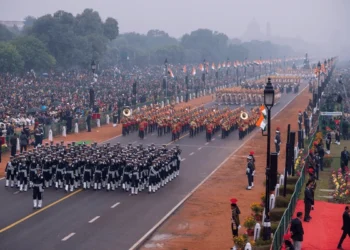
    As India prepares to celebrate its 75th Republic Day, elaborate security measures and traffic restrictions have been put in place in the national capital, Delhi. Authorities have announced various curbs to ensure the smooth conduct of the Republic Day celebrations at Kartavya Path. From flight operations to road traffic, here’s a list of restrictions and guidelines for Republic Day 2024 in Delhi:


    Flight Restrictions:

    • No flights will be allowed to take off or arrive at Delhi Airport between 10:20 am and 12:45 pm on January 26.
    • Domestic airlines, including Air India, IndiGo, and others, have canceled over 700 scheduled flights between
    • January 19 and January 26 due to restrictions on aircraft movement.


    Road Traffic Restrictions:

    • Vehicular traffic is expected to be disrupted in central Delhi on Republic Day.
    • The parade will commence from Vijay Chowk and pass through Kartavya Path, C-Hexagon, the Netaji Subhas  Chandra Bose statue roundabout, Tilak Marg, Bahadur Shah Zafar Marg, and Netaji Subhas Marg before concluding at the Red Fort.
    • C-Hexagon-India Gate will be closed until the parade crosses Tilak Marg.
    • Commuters are advised to plan their journeys in advance and avoid the parade route from 9:30 am to 1 pm.


    Delhi Metro Rules:

    • Delhi Metro services will commence at 4 am on all its lines on January 26 to facilitate public transportation to Kartavya Path for the Republic Day celebrations.
    • Train services will be available at intervals of 30 minutes until 6 am, after which the regular timetable will be followed for the rest of the day.


    General Advisory:

    • Authorities encourage people to plan their travel in advance, considering the traffic and transportation restrictions.
    • For those attending the Republic Day parade, it’s recommended to reach the venue well in advance to ensure hassle-free entry.
    • Commuters are urged to follow traffic advisories, use alternate routes, and cooperate with the instructions from law enforcement.


    These measures are implemented to ensure the security and smooth conduct of the Republic Day celebrations, a significant event that showcases India’s rich cultural heritage, military prowess, and democratic traditions. It is advisable for residents and visitors in Delhi to stay updated on the latest advisories and plan their activities accordingly to avoid inconveniences during this important national event.

  • Delhi Imposes 29-Day Curfew and Flight Restrictions

    Delhi Imposes 29-Day Curfew and Flight Restrictions

    Delhi is currently experiencing a 29-day curfew from January 18 to February 15, enforced by the Delhi Police, as part of heightened security measures for the Republic Day celebration. The curfew may be withdrawn earlier based on the security situation. This decision is aimed at ensuring public safety and preventing potential threats during significant events.


    One of the key aspects of the curfew is the prohibition of flying sub-conventional aerial platforms, including paragliders, paramotors, UAVs (unmanned aerial vehicles), and other related devices. The Delhi Police issued an official statement expressing concerns about the possible misuse of these aerial platforms by criminal or anti-social elements. The ban encompasses a wide range of devices, such as para-gliders, hang gliders, micro-light aircraft, hot air balloons, quadcopters, and even para-jumping from aircraft.


    The order, issued by Sanjay Arora, Commissioner of Police, Delhi, is aligned with the guidelines of the Ministry of Home Affairs, Govt. of India. It invokes Section 144 of the Criminal Procedure Code, 1973, and Govt. of India, Ministry of Home Affairs’ Notification No. U-11036/3/1978 (i) UTL, dated 01.07.1978. These legal measures empower law enforcement agencies to maintain public order and security.


    In addition to the curfew, flight operations at Delhi Airport are also impacted by restrictions during specific hours. The Delhi International Airport Limited (DIAL) has issued a separate order restricting flight movements between 10:20 am and 12:45 pm from January 19 to January 26. This is part of an integrated effort to enhance security protocols during the Republic Day period.


    The comprehensive security arrangements extend beyond the curfew and flight restrictions. More than 8,000 police personnel have been deployed across the city to monitor and manage security during the Republic Day celebrations and the upcoming Ram temple event. Night patrol teams are actively overseeing establishments such as hotels, guest houses, and dharamshalas, with a particular focus on areas near railway stations and inter-state bus terminals.


    The overarching goal of these security measures is to safeguard public safety, prevent potential threats or disturbances, and ensure the smooth conduct of significant events. The duration of the curfew, set for 29 days, reflects the importance attached to maintaining a secure environment during this period. However, the withdrawal of the curfew may be considered earlier based on the evolving security situation.


    As Delhi residents navigate the curfew, law enforcement agencies remain vigilant to address any emerging challenges and maintain a high level of preparedness. The collaborative efforts between the Delhi Police, aviation authorities, and other stakeholders underscore the commitment to creating a secure environment for residents and visitors alike.

  • ED to Question Jharkhand CM Hemant Soren at His Residence

    ED to Question Jharkhand CM Hemant Soren at His Residence

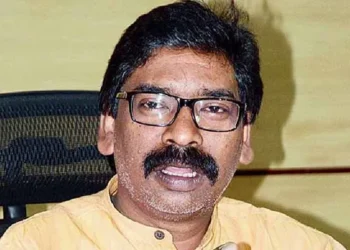
    In a significant development, the Enforcement Directorate (ED) has intensified its investigation into the ‘illegal mining case’ involving Jharkhand Chief Minister Hemant Soren. The ED has summoned the Chief Minister for the eighth time, marking a week of heightened scrutiny. Recent reports indicate that the central probing agency is set to question him at his official residence in Ranchi on January 20. This move has sparked reactions, with increased security measures and protests by Jharkhand Mukti Morcha (JMM) workers outside the Chief Minister’s residence.


    The Background:

    The ‘illegal mining case’ has been a persistent concern, leading to multiple summonses for Chief Minister Hemant Soren. The ED has been actively investigating alleged money laundering linked to this case, raising questions about the financial aspects surrounding the mining activities.


    ED’s Approach:

    The ED, which has previously summoned Chief Minister Soren’s press advisor, Abhishek Prasad, is now shifting its focus to question the Chief Minister directly. The central agency had issued a summons for Prasad to join the investigation on January 16. However, the attention has now turned to Chief Minister Soren, with the ED teams entering his official residence in Ranchi on Saturday.


    Security Measures:

    The anticipation of the ED’s visit has prompted heightened security measures in and around CM Soren’s official residence and various areas in Ranchi. Rajkumar Mehta, Superintendent of Police in Ranchi, emphasized the deployment of heavy forces in key locations, ensuring the safety of citizens and cautioning against any untoward incidents. The move indicates the sensitivity and potential impact of the ongoing investigation on the state’s political landscape.


    JMM Worker Protests:

    As news of the ED’s visit to the Chief Minister’s residence spread, several JMM workers gathered and raised slogans against the ED probe. The political ramifications of the investigation are becoming evident, with party supporters expressing their solidarity with Chief Minister Soren. The protests underscore the tense atmosphere surrounding the case and its implications for the political landscape in Jharkhand.


    Chief Minister’s Response:

    In response to the summons, Chief Minister Hemant Soren wrote to the ED, offering to have his statement recorded in the land scam case at his official residence on January 20. This strategic move could be seen as an attempt to manage the optics of the situation while cooperating with the investigation. The Chief Minister has consistently maintained his innocence and cooperation with the legal processes.


    ED’s Investigation Trajectory:

    The ED’s investigation has been unfolding in stages, with the central agency focusing on various individuals connected to the case. The summoning of the Chief Minister and his press advisor indicates a widening scope of the probe, delving into financial transactions and potential money laundering activities related to the alleged illegal mining.


    Legal and Political Implications:

    The repeated summons and the ED’s scrutiny of top political figures in Jharkhand have legal and political implications. The investigation could impact the political landscape in the state, potentially influencing public perception and electoral dynamics. The legal outcomes will also determine the future trajectory of the ‘illegal mining case’ and its consequences for those involved.


    As the Enforcement Directorate continues its questioning and investigation into the ‘illegal mining case’ involving Jharkhand Chief Minister Hemant Soren, the political and legal landscape in the state undergoes significant shifts. The heightened security measures, protests by party workers, and the Chief Minister’s cooperation with the ED indicate the gravity of the situation. The unfolding events will shape the narrative around the case, with potential ramifications for Jharkhand’s political scenario. As the investigation progresses, it remains to be seen how the legal proceedings and political responses evolve, creating a dynamic environment with implications beyond the immediate case at hand.