Tag: Russia

  • Ukraine Rejects Pope’s Call for Negotiation with Russia

    Ukraine Rejects Pope’s Call for Negotiation with Russia

    On March 11, Ukraine responded firmly to Pope Francis’s call for negotiation to end the war with Russia, with President Volodymyr Zelenskiy dismissing the pontiff’s remarks as “virtual mediation.” The pope’s suggestion to show the “courage of the white flag” and engage in negotiations was met with resistance from Ukrainian leaders, who reiterated their commitment to resisting Russian aggression.


    While Pope Francis’s remarks were interpreted as a call for dialogue and peace talks, Ukrainian officials rejected the notion of capitulation or compromise with Russia. President Zelenskiy, without directly referencing the pope’s comments, emphasized the support received from religious figures within Ukraine and stressed the importance of unity in the face of adversity.


    Foreign Minister Dmytro Kuleba echoed Zelenskiy’s sentiment, asserting that Ukraine would never raise any flag other than its national flag, symbolizing the country’s resilience and determination. Kuleba also alluded to historical grievances, referencing allegations against Pope Pius XII for failing to act against the Nazis during World War II. He urged the Vatican to support Ukraine’s just struggle and avoid repeating past mistakes.


    The head of Ukraine’s Eastern Rite Catholic Church, Archbishop Sviatoslav Shevchuk, echoed the sentiment of national resilience, emphasizing Ukraine’s determination to withstand the ongoing conflict. He reiterated Ukraine’s unwavering stance against surrender, underscoring the country’s resolve to defend its sovereignty and territorial integrity.


    In response to Pope Francis’s remarks, Ukrainian President Zelenskiy reiterated his call for the withdrawal of all Russian troops and the restoration of Ukraine’s post-Soviet borders. However, the Kremlin has consistently rejected Kyiv’s terms for negotiations, exacerbating tensions and prolonging the conflict.


    Pope Francis’s comments have drawn criticism from European officials supportive of Ukraine’s efforts to repel Russian aggression. Polish Foreign Minister Radoslaw Sikorski called for a balanced approach, urging the pope to encourage Putin to withdraw Russian forces from Ukraine. Latvian President Edgars Rinkevics emphasized the importance of resilience in the face of evil, advocating for continued resistance until the aggressor capitulates.


    Overall, Pope Francis’s call for negotiation has sparked debate and differing interpretations among Ukrainian officials and European leaders. While the pope’s intention may have been to promote peace and dialogue, Ukrainian leaders remain steadfast in their refusal to compromise on matters of sovereignty and territorial integrity. As the conflict continues to unfold, the importance of diplomatic efforts and international solidarity in resolving the crisis remains paramount.

  • India Acknowledges Indians Deployed in Russian Army

    India Acknowledges Indians Deployed in Russian Army

    The Indian government on Friday acknowledged the presence of Indian nationals deployed in Russia’s ongoing conflict with Ukraine, revealing efforts to coordinate with Russian authorities for their release. External Affairs Ministry spokesperson Randhir Jaiswal confirmed that some Indians have taken up support roles with the Russian army, urging all Indian nationals to steer clear of the conflict zone in Ukraine.


    Jaiswal emphasized that the Indian embassy in Moscow has been actively engaging with Russian authorities to facilitate the early discharge of Indian nationals involved in support roles with the Russian army. The ministry reiterated its call for caution, urging Indian citizens to avoid involvement in the conflict.


    Reports have surfaced indicating that several Indians working as security assistants in the Russian military have been compelled to participate in combat activities alongside Russian soldiers along the Ukraine border. In response, All India Majlis-E-Ittehadul Muslimeen (AIMIM) leader Asaduddin Owaisi urged the external affairs ministry to take swift action to rescue these individuals, highlighting the risk to their lives and the concerns of their families.


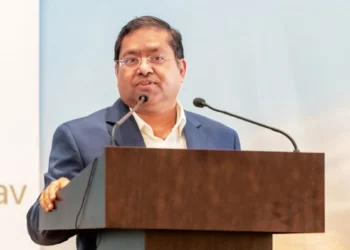
    Meanwhile, External Affairs Minister S Jaishankar addressed the geopolitical implications of Russia’s actions during an interactive session at the Raisina Dialogue. Jaishankar acknowledged Russia’s deep-rooted tradition of statecraft and noted its shifting focus towards Asia and non-Western regions. He emphasized the importance of engaging with Russia on multiple fronts rather than restricting it to a single option, suggesting that such an approach would be more conducive to fostering constructive relationships.


    Jaishankar’s remarks underscored the need for broader international engagement with Russia, particularly in the Asian context. He cautioned against limiting Russia’s options and advocated for a more inclusive approach that acknowledges its evolving geopolitical priorities.


    Overall, India’s response to the situation reflects a balanced approach that prioritizes diplomatic engagement and underscores the importance of caution and restraint amid escalating tensions in the region. As efforts continue to facilitate the release of Indian nationals and navigate the complex geopolitical landscape, dialogue and diplomacy remain crucial for promoting peace and stability.

  • Biden’s Remarks on Putin Spark Diplomatic Tensions

    Biden’s Remarks on Putin Spark Diplomatic Tensions

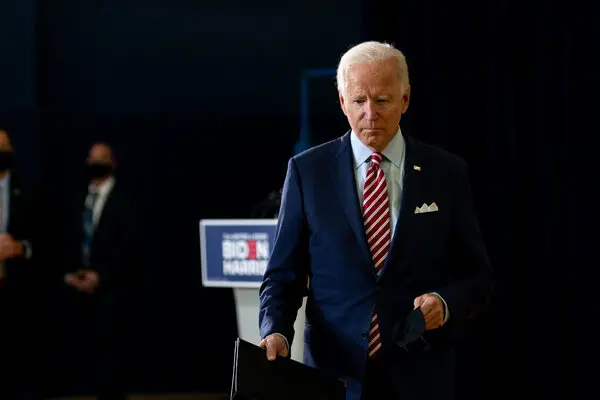
    US President Joe Biden’s recent comments about Russian President Vladimir Putin have sparked diplomatic tensions between the United States and Russia, adding to the already strained relationship between the two countries. During a fundraiser event in San Francisco, Biden referred to Putin as a “crazy Son of a Bitch,” drawing strong criticism from the Kremlin.


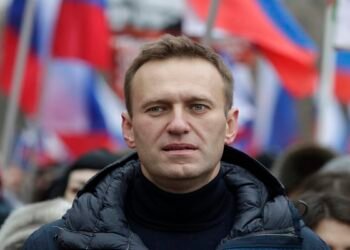
    The remarks came amidst a series of events that have heightened international scrutiny of Putin’s regime. The mysterious death of Russian opposition leader Alexei Navalny, who was declared dead by Russian authorities following a sudden illness in prison, has drawn condemnation from around the world. Navalny’s death followed the suspicious plane crash of Yevgeny Prigozhin, a mercenary boss who had recently led a coup against Putin, raising questions about the stability and safety of Putin’s leadership.


    Furthermore, the ongoing conflict between Russia and Ukraine, which has entered its third year, continues to escalate tensions between Russia and Western nations, including the United States. Against this backdrop, Biden’s characterization of Putin as a “crazy SOB” reflects the growing frustration and distrust between the two countries.


    Biden’s remarks are not unprecedented. He has previously called Putin a “killer,” a “pure thug,” a “war criminal,” and a “butcher,” signaling his tough stance against Putin’s authoritarian regime. This rhetoric underscores the deep-seated animosity and mistrust that has characterized US-Russia relations in recent years.


    However, Biden’s comments have drawn sharp rebuke from the Kremlin, which accused him of debasing himself and disgracing his country. Kremlin spokesman Dmitry Peskov denounced Biden’s language as inappropriate for a head of state and suggested that it reflected a Hollywood-style attempt to portray toughness.


    The diplomatic fallout from Biden’s remarks highlights the delicate balance of power and rhetoric in international relations, especially between major powers like the United States and Russia. While verbal sparring is not uncommon between adversarial nations, the use of such inflammatory language by a sitting US president underscores the severity of the tensions between Washington and Moscow.


    Meanwhile, former US President Donald Trump weighed in on the situation, drawing parallels between Navalny’s death and his own legal troubles in the United States. Trump, who was recently fined for financial misstatements, likened the judicial ruling against him to “communism or fascism,” echoing his longstanding criticism of perceived political persecution.


    Biden’s verbal attacks against Putin have become increasingly frequent, reflecting his administration’s confrontational approach to Russian aggression and human rights abuses. Following Navalny’s death, Biden blamed Putin and his “thugs” for the tragedy, signaling a willingness to hold the Russian leadership accountable for its actions.


    The deteriorating relationship between the United States and Russia has broader implications for global stability and security. As two nuclear-armed superpowers, their interactions shape the geopolitical landscape and influence the behavior of other nations. Biden’s tough stance against Putin reflects a broader strategy of reasserting US leadership on the world stage and defending democratic values against authoritarian threats.


    However, the risk of escalating tensions and potential military conflict looms large, underscoring the need for diplomatic engagement and strategic dialogue to manage differences and prevent misunderstandings. Despite the heated rhetoric, both sides remain committed to avoiding a direct confrontation and seeking diplomatic solutions to their disputes.


    Biden’s recent remarks about Putin have inflamed tensions between the United States and Russia, highlighting the deep-seated mistrust and animosity that characterizes their relationship. As geopolitical tensions continue to rise, diplomatic efforts to de-escalate tensions and promote dialogue are more important than ever to prevent a dangerous spiral into conflict.

  • Death of Navalny’s: The Aftermath on Russia

    Death of Navalny’s: The Aftermath on Russia

    On February 16, Russia announced the death of Alexei Navalny, a prominent critic of President Vladimir Putin, sparking international condemnation and further straining diplomatic relations between Russia and Western countries. In response to Navalny’s death, the United Kingdom took swift action by freezing the assets of six Russian prison officials allegedly involved in overseeing the penal colony where Navalny was held.


    The six sanctioned individuals, including the head and five deputy heads of the penal colony, have also been banned from traveling to the UK under human rights regulations. Among them is Vadim Konstantinovich Kalinin, who was responsible for the management of the prison camp where Navalny endured solitary confinement and harsh conditions.


    Western nations, particularly the UK, have squarely blamed Russian authorities, including President Putin, for Navalny’s death, viewing it as a deliberate attempt to silence dissent. British Foreign Secretary David Cameron emphasized the UK’s commitment to holding those responsible for Navalny’s mistreatment and death to account. Navalny’s ordeal included being denied medical treatment and subjected to extreme weather conditions, with temperatures plummeting to minus 32 degrees Celsius.


    The UK’s actions against the sanctioned individuals reflect a broader international pushback against Russia’s perceived human rights abuses and aggressive foreign policies. This sentiment is echoed by the European Union, which is considering imposing additional sanctions on Moscow in response to Navalny’s death. Navalny’s widow, Yulia Navalnaya, has also called for accountability, demanding that Putin be held responsible.


    The UK’s imposition of sanctions against Russian individuals and entities is not new, as it has previously targeted over 1,700 individuals and entities under its Russia sanctions regime since Russia’s invasion of Ukraine in 2022. This demonstrates the UK’s ongoing commitment to addressing Russian aggression and human rights violations.


    Navalny’s death adds to a troubling pattern of violence and intimidation against Putin’s critics. Many have faced assassination attempts, poisoning, or suspicious deaths, leading to accusations of state-sponsored persecution. Despite Kremlin denials, critics argue that these incidents reflect a systematic effort to eliminate opposition voices and maintain Putin’s grip on power.


    The circumstances surrounding Navalny’s death have raised suspicions of state involvement, with some observers suggesting that Putin may have orchestrated the assassination to silence a prominent dissenting voice. This theory aligns with a pattern of targeting critics and dissidents, casting a shadow over Russia’s political landscape.


    The international community’s response to Navalny’s death underscores the gravity of the situation and the urgent need for accountability. As calls for justice grow louder, pressure mounts on Russia to conduct a thorough and transparent investigation into Navalny’s death and to address concerns about human rights abuses and political repression.


    Navalny’s death represents a tragic escalation in the ongoing tensions between Russia and the West, highlighting the high stakes involved in the struggle for democracy and human rights in Russia. The UK’s decisive action sends a clear message that those responsible for human rights violations will face consequences, but the road to justice and accountability remains fraught with challenges in the face of Russian defiance and denial.

  • S Jaishankar Discusses India’s Diplomatic Standpoints

    S Jaishankar Discusses India’s Diplomatic Standpoints

    In a recent interview with German economic daily Handelsblatt, India’s External Affairs Minister, S Jaishankar, shed light on various aspects of India’s diplomatic stance, particularly in light of recent global developments. Here’s a breakdown of the key points discussed:


    1. Shifting Dynamics in Arms Trade:
    Jaishankar highlighted a significant shift in the dynamics of arms trade over the past decade. He noted that many Western countries used to prefer supplying arms to Pakistan rather than India. However, this trend has changed, with India diversifying its arms procurement from suppliers like the USA, Russia, France, and Israel. This shift underscores India’s growing importance in the global arms market and its evolving role as a major defense player.


    2. Stable Ties with Russia:
    Despite recent geopolitical tensions stemming from Russia’s invasion of Ukraine and subsequent sanctions by Western nations, Jaishankar reaffirmed India’s “stable and friendly ties” with Russia. He emphasized that Moscow has never harmed India’s interests and that the bilateral relationship is built on a foundation of trust and mutual respect. India’s continued purchases of Russian crude oil, despite Western sanctions, reflect the depth of this relationship and India’s pragmatic approach to energy security.


    3. Energy Procurement Challenges:
    Jaishankar addressed the challenges India faced in procuring energy resources, particularly in the wake of the conflict between Russia and Ukraine. With Europe shifting its energy procurement to the Middle East, India was left grappling with potential supply shortages and increased costs. In response, India opted to continue purchasing Russian crude oil, leveraging its longstanding relationship with Moscow and securing favorable terms to meet its energy needs. This decision underscores India’s strategic priorities and its ability to navigate complex geopolitical realities to safeguard its energy security.


    4. Diplomatic Autonomy:
    India’s foreign policy decisions, including its stance on Russia and energy procurement, underscore its commitment to maintaining diplomatic autonomy and pursuing its national interests. Jaishankar emphasized that India cannot be expected to align its views on Russia or China with those of Europe or the West entirely. He highlighted the need for mutual understanding and respect for differing perspectives in international relations, emphasizing that each country operates within its own geopolitical context and strategic imperatives.


    5. Critique of Global Economic Model:
    Jaishankar criticized the existing global economic model, describing it as unstable and unfair. He pointed out the over-concentration of production in a limited number of countries, leading to economic imbalances and hollowing out of economies in other regions. This critique reflects India’s push for a more equitable and inclusive global economic order, where all nations have the opportunity to thrive and benefit from international trade and cooperation.


    Jaishankar’s interview provides valuable insights into India’s diplomatic priorities and strategic considerations in the face of evolving global challenges. It underscores India’s commitment to maintaining stable and mutually beneficial relationships with key partners like Russia, while also asserting its autonomy and pursuing its national interests on the world stage. As India continues to navigate a rapidly changing geopolitical landscape, its diplomatic engagements and foreign policy decisions will play a crucial role in shaping its future trajectory on the global stage.

  • Nikki Haley Criticizes Trump’s Foreign Policy Stance on Russia

    Nikki Haley Criticizes Trump’s Foreign Policy Stance on Russia

    In the realm of the 2024 US Presidential Polls, Nikki Haley, former South Carolina Governor and Trump’s ex-ambassador to the UN, has taken a bold stance by assailing Donald Trump’s foreign policy. In particular, she criticized his failure to denounce the death of Russian opposition figure Alexei Navalny, calling attention to Trump’s perceived indifference or tacit approval of Putin’s actions.


    Haley’s remarks, aired on ABC’s This Week, underscored the gravity of Trump’s statements regarding Russia and NATO. She condemned Trump’s apparent willingness to support Russia’s actions, stating that such rhetoric only serves to embolden Putin and undermine global security. Haley’s condemnation of Trump’s foreign policy aligns with her broader strategy to distinguish herself from her former boss as she vies for the GOP presidential nomination.


    The former ambassador’s criticism of Trump’s approach to Russia and NATO comes at a critical juncture in her political career. With the South Carolina Republican primary looming on February 24, Haley faces a formidable challenge in her bid for the presidency. Recent polls suggest that she trails significantly behind Trump, highlighting the uphill battle she faces within her own party.


    Haley’s critique of Trump’s foreign policy extends beyond his stance on Russia and NATO. She has pledged to adopt a more assertive stance towards adversaries like China while emphasizing the importance of upholding commitments to NATO allies. This approach sets her apart from Trump’s isolationist tendencies and may appeal to a broader spectrum of voters, including Democrats and independents.


    Despite facing resistance within the GOP, Haley remains steadfast in her criticism of Trump’s foreign policy. During a recent town hall event, she reiterated her commitment to holding NATO allies accountable while advocating for a more diplomatic approach. Her willingness to challenge Trump’s positions reflects her determination to carve out her own path in the political arena.


    As Haley continues to navigate the complex landscape of US politics, her stance on foreign policy will undoubtedly play a pivotal role in shaping her candidacy. By positioning herself as a principled leader with a distinct vision for America’s role in the world, she hopes to garner support from across the political spectrum and emerge as a formidable contender in the race for the presidency.

  • Yulia Navalnaya Breaks Silence After Alexei Navalny’s Death

    Yulia Navalnaya Breaks Silence After Alexei Navalny’s Death

    On a somber note, Yulia Navalnaya, the wife of the late Kremlin critic Alexei Navalny, has broken her silence following his mysterious death in prison. In a poignant Instagram post shared two days after his passing, Navalnaya posted a picture capturing a cherished moment with her late husband. The caption accompanying the image simply read, “I Love You.”


    The post comes amidst a wave of grief and outrage surrounding Navalny’s untimely demise. Kira Yarmysh, the spokesperson for the late Russian opposition leader, confirmed Navalny’s death and demanded the immediate release of his body to his family. Yarmysh accused Russian officials of lying and causing delays in the process, as reported by CNN.


    Navalny’s death has raised numerous questions and sparked widespread condemnation, particularly from Western leaders. The circumstances surrounding his passing remain unclear, further fueling suspicions of foul play. The Russian prison service claimed that Navalny died on Friday after feeling unwell during a walk in prison and subsequently falling unconscious. However, the exact cause of death has yet to be determined.


    Navalny’s return to Russia in 2021 from Germany, where he was undergoing treatment after being poisoned with Novichok, marked the beginning of a tumultuous period. Upon his arrival, Navalny was promptly arrested on charges he dismissed as politically motivated. His subsequent imprisonment and subsequent death have drawn global attention and condemnation.


    US President Joe Biden expressed outrage at Navalny’s reported death and squarely placed the blame on Russian President Vladimir Putin. Similar sentiments were echoed by other world leaders, including British Prime Minister Rishi Sunak, French President Emmanuel Macron, and European Union President Ursula von der Leyen. The international community has mourned Navalny’s passing while condemning the actions of the Russian government.


    Amidst the turmoil, Yulia Navalnaya’s resilience and determination have not gone unnoticed. She is set to meet with European foreign ministers in Brussels on Monday, according to Josep Borrell, the European Union’s foreign policy chief. Borrell announced that Navalnaya would be welcomed at the EU Foreign Affairs Council, where ministers will send a strong message of support to freedom fighters in Russia and honor Navalny’s memory.


    Navalnaya’s appearance at the Munich Security Conference on Friday also garnered attention. Despite her grief, she addressed an audience of leaders, diplomats, and officials, delivering a powerful message of defiance against the Russian government. Navalnaya emphasized that Putin and his allies would bear responsibility for their actions, expressing determination to seek justice for her family and her country.


    The tragic events surrounding Navalny’s death have reignited concerns about human rights and political freedom in Russia. The Kremlin’s crackdown on dissent and opposition voices has faced renewed scrutiny, prompting calls for accountability and transparency. Navalny’s passing serves as a stark reminder of the risks faced by those who dare to challenge authoritarian regimes.


    As the world mourns the loss of a prominent advocate for democracy and human rights, Yulia Navalnaya’s steadfastness and courage serve as a beacon of hope. Her unwavering commitment to seeking justice for her husband’s death embodies the resilience of those who continue to fight for freedom and democracy in the face of adversity.


    In the wake of Navalny’s passing, the international community must stand in solidarity with Navalnaya and all those who strive for a more just and equitable world. As calls for accountability grow louder, it is imperative that those responsible for Navalny’s death are held to account, and that his legacy of courage and determination lives on.

  • Legacy of Alexei Navalny: Champion of Democracy

    Legacy of Alexei Navalny: Champion of Democracy

    The death of Alexei Navalny, a prominent Russian opposition leader, has sent shockwaves through Russia and the international community, raising serious questions about democracy, human rights, political repression, and the rule of law in the country. Navalny, a fierce critic of Russian President Vladimir Putin, died in a Russian prison at the age of 47, prompting outrage and condemnation from Western leaders, human rights organizations, and his supporters around the world.


    Navalny’s death, which occurred under suspicious circumstances, has reignited concerns about the lack of political freedoms and the prevalence of human rights abuses in Russia. His demise comes at a critical time for the country, just weeks before parliamentary elections that are widely expected to further consolidate Putin’s grip on power. Navalny’s absence leaves a significant void in Russia’s opposition movement and deprives his supporters of a key figurehead in their struggle for democracy and accountability.


    The circumstances surrounding Navalny’s death are deeply troubling. According to reports, he died in an Arctic prison after spending more than three years behind bars on politically motivated charges. His supporters have accused Russian authorities of complicity in his death, alleging that they are attempting to cover up evidence by refusing to release his body. Despite widespread speculation about foul play, the Kremlin has remained silent, fueling suspicions and raising questions about its involvement.


    Navalny’s widow, Yulia Navalnaya, has vowed to hold Putin and his regime accountable for their actions. In a passionate statement, she called on the international community to unite against the oppressive regime in Russia and demanded justice for her husband. Her words reflect the anger and frustration felt by millions of Russians who are tired of living under Putin’s authoritarian rule and yearn for freedom and democracy.


    Navalny’s death has also sparked protests and demonstrations across Russia, with thousands taking to the streets to demand answers and accountability. In Moscow, protesters laid flowers and lit candles at makeshift memorials in honor of Navalny, while in other cities, clashes broke out between demonstrators and police. The Russian authorities responded with force, arresting hundreds of protesters and cracking down on dissent.


    The international community has also condemned Navalny’s death and called for a thorough investigation into the circumstances surrounding it. Western leaders, including US President Joe Biden, have explicitly blamed Putin and his regime for Navalny’s demise, signaling a new level of diplomatic tension between Russia and the West. The G7 foreign ministers held a minute of silence for Navalny at their meeting in Munich, underscoring the gravity of the situation.


    Navalny’s death is a stark reminder of the dangers faced by those who dare to speak out against the Putin regime. Throughout his life, Navalny was a vocal advocate for democracy, human rights, and the rule of law in Russia, often at great personal risk. He faced repeated arrests, harassment, and physical attacks for his activism but remained undeterred in his pursuit of justice and accountability.


    Navalny’s legacy will live on in the hearts and minds of those who continue to fight for freedom and democracy in Russia. His courage, determination, and unwavering commitment to his principles have inspired millions of people around the world to stand up against tyranny and oppression. As his supporters mourn his loss and demand justice, they must also heed his call to action and continue the struggle for a free and democratic Russia.


    In his final message to the Russian people, Navalny urged them not to give up in the face of adversity. He reminded them that the power to effect change lies in their hands and that they must not remain silent in the face of injustice. His words serve as a rallying cry for all those who believe in the fundamental values of democracy, human rights, and the rule of law.


    Navalny’s death is a tragedy for Russia and the world, but it must also serve as a wake-up call for those who value freedom and democracy. The international community must stand in solidarity with the Russian people and hold Putin and his regime accountable for their actions. Only by working together can we hope to honor Navalny’s memory and realize his vision of a free and democratic Russia.

  • Russia Claims Control of Avdiivka in Eastern Ukraine

    Russia Claims Control of Avdiivka in Eastern Ukraine

    In a significant development in the ongoing conflict between Russia and Ukraine, the city of Avdiivka, located in eastern Ukraine, has become a focal point of intense combat. On Saturday, Russia claimed full control of Avdiivka, marking a significant shift in the dynamics of the conflict. This announcement from the Russian Defense Ministry coincided with Ukraine’s military chief announcing the withdrawal of troops from the city, where defenders had been facing a relentless assault from Russian forces for the past four months.


    Russian Defense Minister Sergei Shoigu conveyed to the Kremlin that Russian forces were in the process of clearing the final pockets of resistance at the Avdiivka Coke and Chemical Plant. Videos circulating on social media depicted soldiers raising the Russian flag over one of the plant’s buildings, signaling the apparent victory for Russian forces in the city. Additionally, Russian President Vladimir Putin personally sent congratulatory messages to the troops involved in the operation, underscoring the significance of the event from Russia’s perspective.


    The capture of Avdiivka represents a strategic milestone for Russia in the ongoing conflict. Heavily fortified with a network of tunnels and concrete fortifications, Avdiivka is situated in the northern suburbs of Donetsk, a city that has been partially occupied by Russian forces. With its strategic location, capturing Avdiivka could provide Moscow with a launching point for further advances in the region, potentially altering the dynamics of the conflict in eastern Ukraine.


    However, while the capture of Avdiivka may seem like a significant victory for Russia, some analysts argue that its strategic significance may be limited. The Institute for the Study of War, a Washington-based think tank, has assessed that taking Avdiivka would primarily yield symbolic rather than operational gains for the Kremlin. Despite its symbolic value, the capture of Avdiivka is unlikely to bring about significant changes to the front line, which has remained relatively static in recent months.


    Furthermore, Avdiivka’s importance extends beyond its strategic value on the battlefield. The city holds symbolic significance as a testament to the ongoing struggle between Russia and Ukraine. Once home to a population of 31,000, Avdiivka now has fewer than 1,000 residents remaining, underscoring the toll that the conflict has taken on the civilian population. The city serves as a poignant reminder of the human cost of war and the resilience of those who continue to endure its consequences.


    Meanwhile, Ukrainian President Volodymyr Zelenskyy has emphasized the need for artillery and long-range weapons to bolster Ukraine’s defenses against Russian aggression. Speaking at the Munich Security Conference, Zelenskyy highlighted the challenges faced by Ukraine in confronting Russian forces, including low ammunition supplies and a shortage of personnel. Despite these challenges, Zelenskyy expressed confidence in Ukraine’s ability to defend itself and push back against Russian incursions.


    Russia’s claim of full control over Avdiivka marks a significant development in the ongoing conflict in eastern Ukraine. While the capture of the city may provide Russia with some strategic advantages, its long-term impact remains uncertain. Avdiivka’s symbolic significance underscores the broader human cost of the conflict and the resilience of the Ukrainian people in the face of adversity. As the situation continues to evolve, the international community will closely monitor developments in the region and assess their implications for regional stability and security.

  • Alexei Navalny’s Death Sparks Outrage and Censorship

    Alexei Navalny’s Death Sparks Outrage and Censorship

    Amidst the frosty landscapes of the Arctic Circle, the death of Alexei Navalny, Russia’s most prominent opposition leader, sent shockwaves across the globe. Navalny, a fierce critic of President Vladimir Putin’s regime, had survived multiple assassination attempts, only to meet his demise while serving a 19-year sentence in a Russian penal colony.


    The circumstances surrounding Navalny’s death remain shrouded in mystery, prompting widespread suspicion and outrage. While the global media extensively covered Navalny’s life and the questionable circumstances of his death, Russia’s state-controlled television channels offered minimal coverage. Channels like Channel One and Rossiya 1 reportedly provided only brief updates on Navalny’s death, lacking context about his political activism and significance as an opposition figure. Some reports even refrained from mentioning his full name, referring to him simply as “Navalny.”


    The muted response from Russian media outlets underscores the extent of censorship and control exerted by the Kremlin over information dissemination. Rather than engaging in meaningful dialogue or investigation into Navalny’s death, Russian state media seemed intent on downplaying the event and diverting attention elsewhere. During discussions about Navalny’s death, panelists expressing condolences were abruptly silenced by anchors, indicating a deliberate effort to suppress dissenting voices.


    However, while traditional media outlets in Russia remained subdued, social media platforms like Twitter and Telegram erupted with outrage and condemnation. Citizens of Russia took to these platforms to express their shock and grief over Navalny’s death, with many holding President Putin’s government responsible for the tragedy. The hashtags #Navalny and #PutinKiller trended widely, reflecting the widespread discontent and frustration among the Russian populace.


    The Kremlin’s response to the allegations of its involvement in Navalny’s death was predictable. Pro-government factions in Russia dismissed accusations against Putin and his administration, arguing that orchestrating Navalny’s death would only serve to bolster the opposition’s influence and undermine the government’s credibility. They questioned the logic of such a move, particularly in the lead-up to elections, suggesting that it would be politically counterproductive for the Kremlin.


    Meanwhile, outside Russia, liberal protestors gathered in front of Russian embassies, demanding justice for Alexei Navalny and condemning Putin’s regime. Western leaders wasted no time in blaming the Kremlin for Navalny’s death, citing a pattern of persecution and violence against political dissidents in Russia. Calls for sanctions and diplomatic pressure on the Russian government intensified, as world leaders sought to hold Putin’s administration accountable for its alleged human rights abuses and suppression of dissent.


    The death of Alexei Navalny marks a somber chapter in Russia’s ongoing struggle for democracy and freedom of expression. Navalny’s unwavering commitment to exposing corruption and advocating for political reform made him a symbol of resistance against authoritarianism. His tragic demise serves as a grim reminder of the perils faced by those who dare to challenge entrenched power structures and speak truth to power.


    As investigations into Navalny’s death continue, the international community must remain vigilant in demanding transparency and accountability from the Russian government. The voices of Navalny’s supporters, both within Russia and abroad, must not be silenced or ignored. Only through sustained pressure and solidarity can justice be served for Navalny and others who have sacrificed their lives in the pursuit of freedom and democracy.

  • Alexei Navalny Dies in Russian Penal Colony

    Alexei Navalny Dies in Russian Penal Colony

    In a shocking turn of events, Russian opposition leader Alexei Navalny has tragically died after falling ill in an Arctic penal colony, where he was serving a lengthy 19-year sentence. Navalny’s death was confirmed by Russia’s Federal Penitentiary Service on Friday, sparking widespread outcry and condemnation from international observers and human rights advocates.


    The Arctic penal colony where Navalny was incarcerated is located approximately 1,900 kilometers northeast of Moscow, in the town of Kharp, within the Yamalo-Nenets region. Known for its harsh and unforgiving winters, the prison has gained notoriety for its severe conditions and remote location. Navalny was transferred to this facility in December after being convicted of extremism, marking a significant escalation in the Kremlin’s crackdown on dissent.


    Navalny’s first appearance from the Kharp penal colony was through a video link on January 10, where he appeared with a shaven head and dressed in standard-issue black prison attire. Images of him circulated widely in Russian media, offering a glimpse into the conditions he faced behind bars.


    During his appearance before the Supreme Court in Moscow, Navalny provided harrowing details of the inhumane treatment and conditions he endured at the Arctic prison. Despite the gravity of his situation, Navalny maintained his characteristic wit and humor, using sarcasm and irony to highlight the absurdity of his circumstances.


    In his testimony, Navalny revealed the extreme limitations imposed on inmates, including severely restricted meal times lasting only ten minutes. He humorously remarked on the impracticality of eating within such a short timeframe, highlighting the challenges faced by prisoners in maintaining their health and well-being under such constraints.


    “It is impossible to eat in 10 minutes,” Navalny told the Supreme Court judge, as reported by CNN. “If you eat every day within 10 minutes, then this meal turns into a rather complex process.”


    Navalny also shed light on the living conditions within the prison, describing cramped and frigid punishment cells where inmates are forced to endure freezing temperatures. He recounted how prisoners resorted to using newspapers as makeshift blankets to keep warm, underscoring the lack of adequate heating and insulation in the facility.


    “Do you know why people choose a newspaper there?” Navalny quipped. “To protect or cover themselves because it is much warmer to sleep with a newspaper than it is without one.”


    In addition to the physical hardships, Navalny raised concerns about violations of his religious rights, citing restrictions on the number of religious texts he was allowed to possess. According to prison regulations, Navalny was only permitted a limited number of books, which he argued infringed upon his ability to practice his faith freely.


    “The regulations say that I am allowed to have 10 books,” Navalny explained. “I need 2 books to practice my religion. One book is not enough for me, it directly violates my religious rights.”


    “I want to have 10 books in my cell for education and religious practice,” he asserted, emphasizing the importance of access to religious materials for spiritual nourishment and solace.


    Navalny’s testimony shed light on the harsh realities faced by inmates within Russia’s penal system, exposing systemic flaws and human rights abuses. His courageous defiance and outspoken criticism of the Kremlin’s authoritarian regime made him a symbol of resistance and defiance against oppression.


    The circumstances surrounding Navalny’s death have raised serious questions about the Russian government’s treatment of political dissidents and prisoners of conscience. Many have called for a thorough and independent investigation into the circumstances of Navalny’s death, demanding accountability for those responsible for his untimely demise.


    As the world mourns the loss of Alexei Navalny, his legacy as a fearless advocate for democracy and human rights will endure, inspiring future generations to stand up against tyranny and injustice.