Tag: Robotics

  • Arrow Electronics Launches Robotics Solutions Resources

    Arrow Electronics Launches Robotics Solutions Resources

    Arrow Electronics has developed and launched a set of resources to help members of the electronics community better understand the advancements in the rapidly evolving robotics landscape.


    Building upon its existing wealth of resources, Arrow has created a robotics playbook, containing insights and component recommendations to help companies get products to market faster, as well as a series of webinars that will be taking place over the coming weeks. The Robotics Solutions landing page also allows users to dive into supplier offerings and discover the solutions that best fit their needs.


    Robots and autonomous machines are transforming industries by enhancing efficiency, improving safety and reducing costs across a wide range of applications. Arrow works with leading suppliers to provide innovative robotic technologies, including autonomous mobile robots with AI-driven navigation, collaborative robots (cobots) designed to safely work alongside humans and drones for tasks, such as aerial surveillance and delivery.


    Two webinars are currently available on demand. The first, Industrial Evolution: How to Leverage the Power of AI/ML and Robotics presented by Arrow and Microchip, explores how Microchips cutting edge technologies in secure authentication, predictive maintenance, smart embedded vision and multi-axis motor control are revolutionizing design processes.


    The second, Advance Edge AI and Robotics Development with NVIDIA Full-Stack Accelerated Computing Platform presented by Arrow and NVIDIA, demonstrates how NVIDIAs Jetson platform, foundational AI models and Isaac ROS workflows are transforming robotics with edge AI. It also shares practical frameworks for building autonomous systems and explores real-world case studies showcasing rapid development.


    Arrow will also be hosting two further webinars, the first on 19th March with Qualcomm, and the second on 25th March with NXP.

  • Beta Tank Robotics to Expand Portfolio of Robotic Solutions for Petrochemical Industry

    Beta Tank Robotics to Expand Portfolio of Robotic Solutions for Petrochemical Industry

    Buoyed by robust and niche enquiries for various robotic applications in the petroleum industry, Beta Tank Robotics Pvt. Ltd. (BetaTANK) has decided to expand on its portfolio of robotic solutions for oil industry tanks. BetaTANK petroleum tank robots are specialised robots, using hydraulics to control and power the robot, and does not use electronics and servo motors.


    These robots are made to meet the stringent Oil industry safety and Explosion proof Standards. Besides petrochemical industry tanks, BetaTANK is aiming at providing Robotic solutions for shipboard tank cleaning. As per DC Sekhar, MD of BetaTANK, and an ex Merchant Navy Oil Tanker Captain himself, since the initial crude oil robot project was a challenging project, the core knowhow achieved by the company so far is enough to adapt and customise these robots to meet these varied application demands. Sekhar also shared that the company had a very good exhibition at Indian Energy Week in Feb this year and won the Best Start Up Award. BetaTANK has received many enquiries for robotic solutions since then, to cater to varied applications in the petroleum industry.


    The company has already prototyped two robotic solutions so far – (1) For cleaning bottom sludge of large crude oil storage tanks in refineries and (2) To clean retail outlet underground tanks. The crude oil tank robot is in an advanced stage of safety approvals and launch. As per DC Sekhar, this robot is superior to available technologies worldwide on two counts i.e its compact size, enabling it to move under heating coils and secondly having a pump on the robot. This pump discharge pressure is more effective in moving thick sludge, as compared to prevailing approach of vacuuming the oil sludge using a vacuum truck.


    As per DC Sekhar, his main focus remains to de-risk the human risks in tank cleaning operations for the petrochemical industry. The faster tank cleaning turnaround using robots is just the collateral benefit.

  • The role of robotics in agriculture

    The role of robotics in agriculture

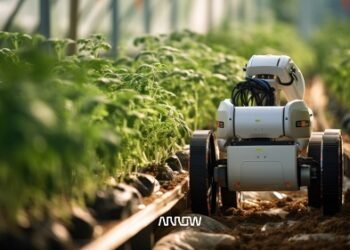
    Robotics in Agriculture : Robotics has revolutionized many industries, and agriculture is no exception. The use of robots in agriculture has been increasing over the years, and it is expected to continue to grow in the future. The benefits of robotics in agriculture range from increased productivity and efficiency to reduced labor costs and improved plant health. In this article, we will explore the role of robotics in agriculture and its impact on the industry.


    The Benefits of Robotics in Agriculture

    1. Increased Productivity

    Robots can work around the clock, which means that they can do more work in less time. They can also work in harsh conditions that are not suitable for humans. This means that they can increase productivity and efficiency, leading to higher yields and profits.


    2. Reduced Labor Costs

    Agriculture is a labor-intensive industry, and labor costs can be a significant portion of the overall cost of production. Robots can help reduce labor costs by performing tasks that would otherwise require human labor. This can help farmers save money and increase their profits.


    3. Improved Plant Health

    Robots can be used to monitor plant health and detect diseases and pests early. This can help farmers take action before the problem becomes too severe, which can help reduce crop losses. Robots can also be used to apply pesticides and fertilizers precisely, which can help reduce the amount of chemicals used and improve plant health.


    Types of Robots Used in Agriculture

    1. Drones

    Drones are unmanned aerial vehicles that can be used to monitor crops and collect data. They can be equipped with cameras and sensors that can detect plant health, soil moisture, and other important information. This data can be used to make informed decisions about irrigation, fertilization, and pest control.


    2. Autonomous Tractors

    Autonomous tractors are self-driving vehicles that can be used to perform tasks such as planting, harvesting, and tilling. They use GPS and other sensors to navigate fields and perform tasks with precision. This can help reduce labor costs and increase efficiency.


    3. Harvesting Robots

    Harvesting robots can be used to pick fruits and vegetables. They use sensors and cameras to detect ripe produce and pick it without damaging it. This can help reduce labor costs and increase efficiency.


    4. Weeding Robots

    Weeding robots can be used to remove weeds without damaging crops. They use cameras and sensors to detect weeds and apply herbicides precisely. This can help reduce the amount of chemicals used and improve plant health.


    Challenges of Using Robotics in Agriculture

    1. Cost

    The cost of robotics technology can be a significant barrier for farmers, especially small-scale farmers who may not have the financial resources to invest in expensive equipment. However, as the technology becomes more widespread and production costs decrease, it is expected that the cost of robotics in agriculture will become more affordable.


    2. Adaptability to Different Crops

    Robots must be designed to work with specific crops, and it can be challenging to create robots that can adapt to different crops and growing conditions. This means that farmers may need to invest in multiple types of robots to work with different crops, which can be costly.


    3. Maintenance and Repair

    Like any technology, robots require maintenance and repair. This can be challenging for farmers who may not have the technical expertise or resources to maintain and repair the equipment. This can lead to downtime and lost productivity.


    4. Data Management

    Robots generate a lot of data, and it can be challenging to manage and analyze this data effectively. Farmers may need to invest in data management systems to make the most of the data generated by robots.


    The Future of Robotics in Agriculture

    The use of robotics in agriculture is expected to continue to grow in the future. As the technology becomes more affordable and adaptable, it is expected that more farmers will adopt robotics technology to improve productivity and efficiency. Robotics technology is also expected to become more advanced, with robots that can perform more complex tasks and work with a wider range of crops.


  • The role of robotics in elder care

    The role of robotics in elder care

    The Role of Robotics in Elder Care

    As the global population continues to age, the demand for elder care is increasing. In many countries, there are not enough caregivers to meet this demand, leading to concerns about the quality of care that elderly people are receiving. Robotics is one technology that is being explored as a potential solution to this problem. In this article, we will explore the role of robotics in elder care, looking at the benefits and challenges of using robots to care for elderly people.


    Benefits of Robotics in Elder Care

    1. 24/7 Care

    One of the most significant benefits of using robots for elder care is that they can provide 24/7 care. Unlike human caregivers, robots do not need to take breaks or sleep, meaning that they can be available to provide care whenever it is needed. This can be particularly beneficial for elderly people who require constant monitoring or assistance.


    2. Reduced Cost

    Another benefit of using robots for elder care is that it can be more cost-effective than hiring human caregivers. While the upfront cost of purchasing and installing robots can be high, over time, the cost of maintaining and operating robots can be significantly lower than the cost of paying human caregivers. This can make it easier for elderly people and their families to afford high-quality care.


    3. Improved Safety

    Robots can also help to improve the safety of elderly people. For example, robots can be used to monitor elderly people for falls or other accidents, alerting caregivers if an incident occurs. They can also be used to remind elderly people to take their medication or perform other important tasks, reducing the risk of health complications.


    4. Increased Independence

    Using robots for elder care can also help to increase the independence of elderly people. For example, robots can be used to help elderly people with mobility issues to move around their homes more easily, reducing the need for human assistance. They can also be used to help elderly people with cognitive impairments to perform tasks such as cooking or cleaning, helping them to maintain their independence for longer.


    Challenges of Robotics in Elder Care

    1. Lack of Human Connection

    One of the biggest challenges of using robots for elder care is that they lack the human connection that is often important for elderly people. Many elderly people value the companionship and emotional support that human caregivers can provide, and robots may not be able to replicate this experience. This can lead to feelings of loneliness and isolation among elderly people.


    2. Technical Challenges

    Technical challenges of using robots for elder care include issues such as the need for reliable and robust sensors and software, as well as the need for robots that are easy to use and maintain. For example, robots used in elder care need to be able to navigate complex environments, such as homes with narrow hallways or stairs. They also need to be able to recognize and respond to human gestures and facial expressions, which can be challenging for robots.


    Another technical challenge is the need for robots that are easy to use and maintain. Elderly people may not have the technical expertise to operate complex robots, and robots that are difficult to use may not be effective in providing care. Additionally, robots that require frequent maintenance may be expensive and time-consuming to maintain, which can limit their effectiveness in providing care.


    3. Ethical and Legal Issues

    There are also ethical and legal issues that need to be considered when using robots for elder care. For example, there may be concerns about the privacy and security of elderly people’s data, particularly if robots are used to monitor their health or activities. Additionally, there may be concerns about the use of robots in situations where human caregivers would be more appropriate, such as in cases where elderly people require emotional support or companionship.


    Conclusion

    While there are challenges associated with using robots for elder care, there are also significant benefits that should not be overlooked. By providing 24/7 care, reducing costs, improving safety, and increasing independence, robots can help to improve the quality of care that elderly people receive. However, it is important to address the technical, ethical, and legal issues associated with using robots for elder care, to ensure that they are used in a way that is safe, effective, and respectful of elderly people’s needs and preferences.

  • The role of robotics in surgery

    The role of robotics in surgery

    Over the past few decades, there has been a significant shift in the way that surgery is performed. Advances in technology have led to the development of robotic surgical systems, which are now being used in hospitals around the world. These systems offer a number of benefits over traditional surgical methods, including greater precision, less scarring, and faster recovery times. In this article, we will explore the role of robotics in surgery, including its history, current applications, and future potential.


    The history of robotic surgery dates back to the 1980s, when the first robotic surgical system was developed by the US military. This system, known as the PUMA 560, was designed to help surgeons perform delicate operations with greater precision. Since then, robotic surgical systems have become increasingly sophisticated, with new systems being developed by a number of companies around the world.


    Today, robotic surgical systems are used in a wide range of surgical procedures, including urology, gynecology, and general surgery. These systems offer a number of benefits over traditional surgical methods, including greater precision, less scarring, and faster recovery times. For example, in prostate surgery, robotic systems have been shown to reduce blood loss, shorten hospital stays, and improve recovery times.


    One of the key advantages of robotic surgical systems is their ability to provide greater precision than traditional surgical methods. This is because robotic systems are able to provide surgeons with a 3D view of the surgical site, as well as greater control over surgical instruments. This allows surgeons to perform delicate operations with greater accuracy, reducing the risk of damage to surrounding tissues and organs.


    Another advantage of robotic surgical systems is that they can be used to perform minimally invasive surgery. This is because robotic systems use small incisions, which can result in less scarring and faster recovery times. In addition, robotic systems can be used to perform surgery in areas that are difficult to access using traditional surgical methods, such as the back of the throat or the base of the skull.


    Despite these benefits, there are also some challenges associated with the use of robotic surgical systems. One of the main challenges is the cost of these systems, which can be prohibitively expensive for many hospitals. In addition, there is a steep learning curve associated with the use of robotic systems, which can make it difficult for surgeons to become proficient in their use.


    Looking to the future, it is clear that robotic surgical systems will continue to play an important role in surgery. As these systems become more sophisticated, they will be able to perform increasingly complex operations, such as brain surgery and heart surgery. In addition, new robotic systems are being developed that can be used to perform surgery remotely, allowing surgeons to operate on patients who are located in different parts of the world.


    Despite these advances, there are also some concerns about the use of robotic surgical systems. For example, some critics have argued that the use of these systems could lead to a de-skilling of surgeons, as they rely more on technology to perform surgery. Others have raised concerns about the potential for technical malfunctions and the need for backup systems in case of failure.


    In conclusion, the use of robotic surgical systems has revolutionized the field of surgery, providing greater precision, less scarring, and faster recovery times. While there are some challenges associated with the use of these systems, the benefits they offer are clear. Looking to the future, it is likely that robotic surgical systems will continue to play an important role in surgery, as new systems are developed that can perform increasingly complex operations and allow surgeons to operate remotely.