Tag: Rajeev Chandrasekhar

  • MeitY Designates PIB’s Fact Check Unit as Official Checker

    MeitY Designates PIB’s Fact Check Unit as Official Checker

    The Ministry of Electronics and Information Technology (MeitY) recently took a significant step by notifying the Press Information Bureau’s (PIB) fact-check unit as the official fact-checking entity for the central government under the IT Rules of 2021. This move marks a crucial development in the government’s efforts to address misinformation and ensure the dissemination of accurate information to the public.


    According to the official notification issued by MeitY, the PIB unit has been designated as the fact-check unit of the Central Government. This decision underscores the government’s commitment to combatting the spread of misinformation and fake news, particularly in the digital sphere where such content can proliferate rapidly.


    The establishment of a dedicated fact-checking unit by MeitY within the PIB highlights the recognition of the growing challenges posed by misinformation in today’s digital age. With the widespread use of social media and online platforms, false information can easily circulate and impact public perception, leading to confusion and mistrust.


    The fact-check unit’s role is crucial in verifying the accuracy of information disseminated by government agencies and addressing any false or misleading claims promptly. By leveraging their expertise and resources, the unit aims to identify and debunk misinformation, thereby promoting transparency and accountability in government communication.


    This initiative aligns with the broader objectives of the IT Rules of 2021, which seek to regulate digital content and promote responsible online behavior. The rules emphasize the importance of fact-checking and mandate digital platforms to take measures to curb the spread of misinformation on their platforms.


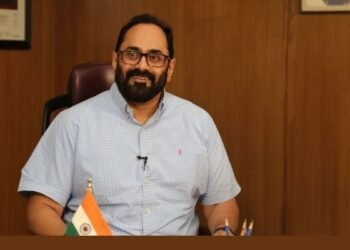
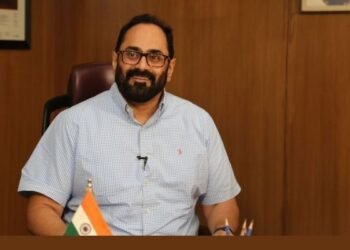
    In a statement earlier this year, Minister of State for Electronics and IT, Rajeev Chandrasekhar, emphasized that the fact-check unit is not a form of censorship but rather a tool to assist platforms in dealing with disputed government information. He clarified that when the fact-check unit verifies information, platforms are required to label it accordingly, ensuring transparency without infringing on freedom of expression.


    However, the designation of the PIB fact-check unit has not been without controversy. The Editors’ Guild of India raised concerns about the implications of the IT Rules on press freedom, alleging that the amendments could stifle independent journalism and infringe on editorial autonomy. The Guild filed a challenge against the amendments, arguing that they could have adverse effects on media freedom in the country.


    In response to these concerns, Chandrasekhar reiterated that the government’s intention is not to censor or control the media but rather to hold digital platforms accountable for addressing consumer grievances. He emphasized the need for an independent regulatory mechanism to resolve disputes between consumers and platforms, ensuring a fair and transparent process.


    The government’s decision to designate the PIB fact-check unit reflects a broader trend towards greater scrutiny of online content and efforts to combat misinformation. With the proliferation of fake news and misinformation campaigns, there is a growing recognition of the need for robust fact-checking mechanisms to maintain public trust and confidence in information disseminated by government agencies.


    Moving forward, the effectiveness of the PIB fact-check unit will depend on its ability to operate impartially and transparently, adhering to established standards of accuracy and accountability. By collaborating with digital platforms and media organizations, the unit can play a crucial role in promoting information integrity and combating the spread of misinformation in the digital space.


    The designation of the PIB fact-check unit as the central government’s official fact-checking entity represents a significant step towards addressing the challenges posed by misinformation in the digital age. By leveraging its expertise and resources, the unit can contribute to fostering a more informed and responsible online environment, ultimately strengthening public trust in government communication.

  • Concerns Over Monopolistic Control of Ad-Tech Giants

    Concerns Over Monopolistic Control of Ad-Tech Giants

    The monopolistic dominance of ad-tech giants like Google and Facebook has become a growing concern for governments worldwide, including India. During the Digital News Publishers Association of India (DNPA) Conclave and Awards 2024, Minister of State for Electronics and Information Technology, Rajeev Chandrasekhar, expressed apprehension over the revenue-sharing model between digital news publishers and Big Tech, emphasizing that it heavily favors the latter and poses challenges for the government.


    Chandrasekhar acknowledged India’s remarkable transformation in the digital and tech space, highlighting the country’s evolution from being perceived as a hub for cost-effective back offices to becoming a significant partner in shaping the future. However, he raised concerns about the imbalance between content creators and platforms responsible for monetizing their content. In his view, a few major tech companies control the monetization gateways, creating asymmetries that need to be addressed through legislation or regulation.


    The minister referenced the pre-consultation draft of the Digital India Act as a step towards rectifying these imbalances. He emphasized the importance of ensuring fair revenue sharing between big tech companies and content creators, indicating that the government aims to legislate or regulate this aspect in the future. Chandrasekhar expressed optimism that addressing these concerns would be a priority for the government, particularly after Prime Minister Narendra Modi’s assumed third term.


    Joining the discussion, Information and Broadcasting Minister Anurag Thakur echoed Chandrasekhar’s sentiments, emphasizing the government’s commitment to addressing digital advertising issues. Thakur highlighted the need to prevent revenue loss and combat challenges such as fake news, paid news, and clickbait content, which can undermine the credibility of the news media.


    S. Krishnan, Secretary of the Ministry of Electronics and Information Technology (MeiTY), delved into the emergence of artificial intelligence (AI) and underscored the necessity of updating laws to address new challenges. He emphasized the importance of categorizing internet intermediaries and implementing different regulatory regimes for them to ensure accountability and transparency in the digital ecosystem.


    The DNPA, representing India’s top 18 publishers from both print and electronic media, serves as a significant industry group advocating for the interests of digital news publishers. The discussions at the DNPA Conclave shed light on the pressing issues facing the digital news publishing landscape in India and the government’s efforts to address them through legislative and regulatory measures.


    In recent years, concerns about the dominance of tech giants in various sectors, including advertising and digital publishing, have garnered attention globally. These companies wield significant influence over online platforms and advertising revenue, raising questions about competition, data privacy, and the concentration of power. Governments and regulatory bodies are increasingly scrutinizing their practices and exploring ways to promote fair competition and protect consumer interests.


    In India, where the digital ecosystem is rapidly evolving, policymakers are grappling with the complex challenges posed by the growing influence of Big Tech. By engaging in discussions with industry stakeholders and proposing legislative frameworks like the Digital India Act, the government aims to create a level playing field and foster a more equitable digital environment for content creators, publishers, and consumers alike.

  • Indian Government to Amend IT Rules to Regulate Deepfakes

    Indian Government to Amend IT Rules to Regulate Deepfakes

    The Indian government is gearing up to amend the Information Technology (Intermediary Guidelines and Digital Media Ethics Code) Rules, 2021, to include regulations addressing deepfakes, algorithmic bias on technology platforms, and the advertisement of instant loan mobile applications. Union Minister of State for Information Technology, Rajeev Chandrasekhar, announced that the amended rules would be notified shortly, marking an effort to enhance digital media ethics and accountability.


    Chandrasekhar highlighted that the amendments would specifically address issues related to misinformation and deepfakes. He emphasized the need for platforms to refrain from employing algorithms that lead to bias and artificial intelligence (AI) models prone to bias. The government aims to hold platforms accountable for ensuring unbiased algorithms and AI models, putting the onus on them to adopt comprehensive measures to prevent bias.


    The upcoming amendments are a response to an advisory issued by the government last year regarding deepfakes. Chandrasekhar stated that the advisory had been issued with the intention of guiding platforms on addressing deepfakes, and the decision to amend the IT Rules was contingent on the level of compliance from the platforms. The impending amendments signify the government’s commitment to regulating digital media practices and enhancing ethical standards.


    In addition to addressing deepfakes and algorithmic bias, the amended rules will incorporate provisions related to the advertisement of instant loan mobile applications on intermediary platforms. The government is concerned about the proliferation of such applications and their potential impact on users. By including regulations in the IT Rules, the authorities aim to curb misleading advertisements and practices associated with instant loan apps.


    The Centre is also set to release draft rules for the Digital Personal Data Protection (DPDP) Act, 2023, alongside the amendments to the IT Rules. The DPDP Act is a significant legislative framework focused on safeguarding individuals’ personal data and ensuring responsible data handling practices by businesses and organizations. The draft rules are expected to complement the government’s efforts to strengthen data protection and privacy in the digital realm.


    Rajeev Chandrasekhar provided insights into the India AI Program, a comprehensive initiative with a budget exceeding ₹10,000 crore. The program aims to build databases for multiple domestic languages and develop indigenous computing infrastructure for various AI use cases. Chandrasekhar highlighted plans to create India’s own graphics processing units (GPUs) infrastructure, facilitating the scaling of domestic applications. The program envisions private-public partnerships with data centers in the private sector and public partnerships with the Centre for Development of Advanced Computing (C-DAC), emphasizing a twofold strategy.


    As the Indian government moves forward with these regulatory and programmatic initiatives, it underscores the evolving landscape of digital governance, data protection, and AI development in the country. The amendments to the IT Rules and the introduction of the India AI Program reflect a proactive approach to address emerging challenges and opportunities in the digital ecosystem.

  • Verbal Spat Erupts Over NITI Aayog’s Poverty Reduction Report

    Verbal Spat Erupts Over NITI Aayog’s Poverty Reduction Report

    The recent NITI Aayog report claiming a substantial reduction in multidimensional poverty in India from 2013-14 to 2022-23 has triggered a heated verbal exchange among political leaders, primarily between Congress General Secretary Jairam Ramesh and BJP’s Rajeev Chandrasekhar.


    In a press statement, Jairam Ramesh dismissed the NITI Aayog report, stating, “The report of NITI Aayog is absolutely wrong. NITI Aayog is not an independent organization; it is the cheerleader of PM Modi. No one is going to believe the report of NITI Aayog.”


    Chandrasekhar, countering the criticism, targeted the Congress party, asserting that the entire country is aware of the alleged mistreatment of the poor by the grand old party over the last 65 years. He claimed that around 25 crore people moved out of poverty only after Prime Minister Modi came to power, emphasizing the positive impact of the current government’s policies.


    The political exchange escalated with Chandrasekhar addressing the Congress Bharat Jodo Nyay Yatra, saying, “We don’t have any problem if they want to call their Yatra ‘Nyay Yatra’… it doesn’t matter if Congress attend Ram temple inauguration or not; it is a matter of faith, and we all will go.”


    Responding to this, Jairam Ramesh questioned Chandrasekhar’s authority to comment on the Bharat Jodo Nyay Yatra, asking, “Who is Rajeev Chandrasekhar to say anything on the yatra.”


    The NITI Aayog’s discussion paper, which sparked this controversy, highlighted a significant decline in multidimensional poverty in India. The report indicated that the percentage of multidimensional poverty decreased from 29.17% in 2013-14 to 11.28% in 2022-23. According to the paper, approximately 24.82 crore people moved out of this multidimensional poverty bracket during the specified period.


    Multidimensional poverty, as measured by NITI Aayog, considers simultaneous deprivations across three equally weighted dimensions: health, education, and standard of living. These dimensions are represented by 12 sustainable development goals-aligned indicators, including nutrition, child and adolescent mortality, maternal health, years of schooling, school attendance, cooking fuel, sanitation, drinking water, electricity, housing, assets, and bank accounts.


    The report underscores the progress made in improving various aspects of well-being for a significant portion of the population. However, it has become a focal point for political disagreements, reflecting the broader ideological and partisan divisions within Indian politics.


    Critics argue that such reports should be scrutinized for their methodology, independence, and potential political influence. The skepticism is not limited to a specific party, as both major political entities in India have questioned the credibility of institutions depending on the political context.


    The dispute over the NITI Aayog report highlights the ongoing polarization in Indian politics, where even data-driven assessments become a battleground for political narratives. While constructive debates and scrutiny are essential for a healthy democracy, the intensity of the verbal exchanges often overshadows the nuanced discussion needed to understand the complexities of poverty reduction and development policies.


    As the political discourse continues, it is crucial for policymakers, experts, and the public to engage in a balanced and evidence-based analysis of such reports. Poverty reduction is a multifaceted challenge that requires comprehensive strategies, and any progress in this direction should be objectively assessed and celebrated, keeping the well-being of the people at the forefront of the discussion.

  • Rajeev Calls 1962 India-China War Dark and Humiliating Chapter

    Rajeev Calls 1962 India-China War Dark and Humiliating Chapter

    Union Minister Rajeev Chandrasekhar has described the 1962 India-China war as a “dark and humiliating chapter” in the history of Independent India, attributing the setback to the political leadership at the time, led by the Congress party. The Union Minister of State for Electronics and IT made this statement on October 20, marking the anniversary of the war, which lasted from October 20 to November 21, 1962.


    Rajeev Chandrasekhar placed blame on the “Hindi-Chini bhai bhai” policy that was followed during that period, asserting that it was the delusional nature of this policy that led to India’s defeat in the war.


    During this time, Pt. Jawaharlal Nehru was India’s Prime Minister, and Krishna Menon served as the Leftist Defence Minister. Chandrasekhar pointed out that this policy ultimately cost the lives of thousands of Indians and numerous members of the armed forces. He stated that the war inflicted global humiliation on India and was a moment of national disgrace.


    The weak and delusional leadership, as described by Chandrasekhar, resulted in the loss of approximately 38,000 square kilometers of Indian territory during the 1962 conflict. Despite being ill-equipped, Indian armed forces fought valiantly, even resorting to using bayonets and bare hands, and inflicted heavy casualties on the enemy. Many heroes sacrificed their lives in the defense of India.


    Chandrasekhar pledged to continue reminding the nation about the costs borne due to weak leadership. His comments come at a time when there is ongoing political debate surrounding the India-China standoff along the Line of Actual Control (LAC) in eastern Ladakh. This border dispute, which began in April-May 2020, remains unresolved despite multiple rounds of military and diplomatic discussions.


    The 1962 India-China war was a significant conflict between the two nations, resulting in a defeat for India. The war had far-reaching consequences, both in terms of territorial losses and the impact it had on India’s national psyche. The conflict served as a stark reminder of the need for strong leadership and a well-prepared defense infrastructure.


    While political parties in India continue to debate the handling of contemporary border tensions, it’s important to remember the lessons from history, such as the 1962 war, and work toward ensuring the nation’s security and the well-being of its armed forces.


    Rajeev Chandrasekhar’s statement serves as a reminder of the historical context of the India-China relationship and the importance of leadership and policies that safeguard the nation’s interests. It is a call to action to learn from history and strengthen the nation’s capabilities to protect its territorial integrity and sovereignty.

  • Union Minister Warns India’s Enemies

    Union Minister Warns India’s Enemies

    Amidst heightened tensions between India and Pakistan in the Kashmir border region, Union Minister Rajeev Chandrasekhar has issued a stern warning to India’s adversaries, emphasizing the dire consequences that could result from engaging in war with India. Chandrasekhar’s message underscores the modernization and high-tech capabilities of the Indian Military and serves as a strong deterrent to those seeking to disrupt India’s progress and security.


    In a tweet, Chandrasekhar stated, “India has enemies – These enemies want to stop India’s rise. But they should know this: Indian Military is now a modernized high-tech and lethal machine – make no mistake about it. You will be wise to avoid it.” He went on to add, “This is New India – India will not be intimidated, India will not back down. India has seen war and does not want war, but if you go to war with India, someone else will raise your children.”


    These words carry significant weight, highlighting India’s commitment to peace and stability in the region while also making it abundantly clear that any aggression towards the nation will be met with a powerful and technologically advanced response.


    The recent escalation in tensions between India and Pakistan comes amidst ongoing encounters with terrorists in the region. Four security personnel, including Colonel Manpreet Singh, Commanding Officer of the 19 Rashtriya Rifles, Major Ashish Dhonchak, Deputy Superintendent of Jammu and Kashmir Police Humayun Bhat, and rifleman Ravi Kumar Rana, were martyred in an operation in Anantnag that began on Tuesday. Additionally, three terrorists were killed in Baramulla.


    The Indian Army, in conjunction with the Jammu and Kashmir Police, has resumed operations against terrorists who are “holed up” in the forest area of Gadole in the Kokernag area of Anantnag district. This operation has been ongoing for the fourth consecutive day, with security forces facing the challenging terrain of the region. Drones and helicopters have been deployed to track the terrorists in the forest, highlighting the use of advanced technology in counter-terrorism operations.


    Chandrasekhar’s warning reflects India’s commitment to peace but also its preparedness to defend its sovereignty and security when faced with external threats. The Indian Military’s transformation into a modernized, high-tech, and lethal force underscores the nation’s determination to protect its interests and maintain regional stability.


    As the situation continues to evolve in the Kashmir region, the world watches closely, hoping for a peaceful resolution and the preservation of stability in this sensitive area. Chandrasekhar’s message serves as a reminder that India is prepared to defend itself and its interests if necessary, while also emphasizing the importance of maintaining peace and avoiding conflict in the region.