Tag: Raigad

  • MTHL Speed Limit Rules Announced by Mumbai Police

    MTHL Speed Limit Rules Announced by Mumbai Police

    With the much-anticipated inauguration of the Mumbai Trans Harbour Link (MTHL), also known as Atal Setu, approaching, the Mumbai Police has released rules regarding the speed limits for vehicles on the bridge. The infrastructure project, set to be inaugurated by Prime Minister Narendra Modi on January 12, holds significant promise for improving connectivity in and around Mumbai.


    According to the guidelines issued by the Mumbai Police, the maximum speed limit for four-wheelers on the Atal Setu bridge is set at 100 kmph. However, speed restrictions of 40 kmph will be enforced on the ascent and descent of the bridge. Notably, two-wheelers and three-wheelers are prohibited from accessing the sea bridge.


    In a statement, the Mumbai Police stated, “There will be no entry for vehicles like motorcycles, mopeds, three-wheelers, autos, tractors, animal-drawn vehicles, and slow-moving vehicles.” Additionally, multi-axle heavy vehicles, trucks, and buses heading towards Mumbai are not permitted on the Eastern Freeway. These vehicles must use the Mumbai Port-Sewri Exit (Exit 1C) and take the MBPT Road near ‘Gadi Adda’ for further movement.


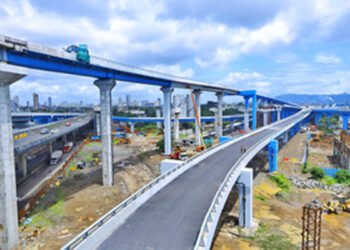
    The Mumbai Trans Harbour Link, named after former Prime Minister Atal Bihari Vajpayee, is set to be the longest sea bridge in the country. The 6-lane sea link spans 16.50 kilometers over the sea, with an additional 5.5 kilometers on land. The project, constructed at a cost of ₹18,000 crore, has been in progress since 2018 and faced delays due to the COVID-19 pandemic.


    The bridge, originating from Sewri in Mumbai and terminating at Nhava Sheva in Uran taluka in Raigad district, is expected to significantly reduce travel time between Mumbai and Navi Mumbai. The Maharashtra government anticipates that the MTHL or Atal Setu could cover the distance between Mumbai and Navi Mumbai in just 20 minutes, compared to the current 2-hour journey. Furthermore, the bridge will enhance connectivity between Mumbai and Pune Expressway, Goa Highway, Vasai, Virar, Navi Mumbai, and Raigad districts.


    As Prime Minister Narendra Modi inaugurates the Mumbai Trans Harbour Link on January 12, the city awaits the positive impact of this infrastructure marvel on its transportation landscape.

  • JSW Infrastructure Acquires Stake in PNP Maritime Services

    JSW Infrastructure Acquires Stake in PNP Maritime Services

    JSW Infrastructure, a prominent entity within the JSW Group, has announced the acquisition of a stake in PNP Maritime Services, strategically located in Maharashtra’s Raigad. The acquisition, facilitated through its subsidiary JSW Dharamtar Port, underscores JSW’s commitment to expanding its cargo handling capacity and volume.


    The share-purchase agreement was entered into with SP Port Maintenance, a Shapoorji Pallonji Group Company, wherein JSW acquired 10,00,001 shares. The completion of the transaction is contingent upon meeting conditions specified in the agreement. The Nrupal Patil family is expected to hold the remaining equity in PNP Port.


    PNP Port, an operational port, is situated approximately 20 nautical miles from Mumbai Anchorage. It plays a vital role with multi-purpose jetties and robust road and rail connections to industries in Maharashtra, Madhya Pradesh, Karnataka, and other states. The port currently operates at a capacity of 5 million tonnes per annum (MTPA) with the potential for expansion to 19 MTPA.


    In a statement, JSW Infrastructure highlighted its intention to enhance and upgrade the facilities and capacity of PNP Port in a phased manner. The estimated enterprise value of PNP Port is around ₹700 crore, and the acquisition aligns with JSW’s strategic vision to strengthen its presence in key industrial areas.


    JSW’s move to acquire PNP Port is considered strategic due to its advantageous location on the west coast. This acquisition provides JSW with direct access to major cargo centers such as Mumbai, Pune, Palghar, Thane, Solapur, Bhiwandi, and Nasik. The port’s connectivity to the Central & Konkan Railway network further enhances efficient cargo evacuation for the company.


    JSW Infrastructure has been actively pursuing strategic port acquisitions through its subsidiaries. Recently, its subsidiary Masad Infra Services Private Limited entered a concession agreement with the Karnataka Maritime Board for the development of an all-weather, deep-water, greenfield port at Keni through a public-private partnership.


    Furthermore, JSW Infrastructure issued a corporate guarantee of $126 million for term facilities availed by its wholly-owned subsidiary, JSW Terminal (Middle East) FZE, supporting the subsidiary’s acquisition of shares in Marine Oil Terminal Corp.


    In November, JSW Infrastructure received a letter of award for the development of the Keni greenfield port in Karnataka. The project, with a total cost of ₹4,119 crore and an initial capacity of 30 million tonnes per year, reflects JSW’s commitment to advancing its port infrastructure capabilities.

  • Yellow Alert Issued as Heavy Rainfall Lashes Mumbai

    Yellow Alert Issued as Heavy Rainfall Lashes Mumbai

    As the monsoon season continues to envelop Mumbai and its neighboring regions, the Indian Meteorological Department (IMD) has issued a yellow alert, signaling caution due to heavy rainfall. This alert, in effect until Thursday, serves as a reminder of the unpredictable nature of the monsoon and the need for residents and authorities to be prepared for potential disruptions.


    Over the next 48 hours, Mumbai and its suburbs are expected to experience generally cloudy skies with intermittent episodes of moderate rain or thundershowers. The Regional Meteorological Department in Mumbai has provided temperature forecasts, indicating that maximum temperatures are likely to reach around 32 degrees Celsius, while minimum temperatures will hover around 25 degrees Celsius during this period.


    However, the impact of heavy rainfall extends beyond just wet streets and umbrellas. Flight operations at Chatrapati Shivaji Maharaj International Airport (CSMIA) have been affected, leading to complaints from travelers about delays. Social media, particularly platform X (formerly Twitter), has been abuzz with reports of flight disruptions and passenger inconveniences.


    Despite the complaints on social media, CSMIA had not made an official announcement regarding flight delays at the time of the reports. However, it’s not uncommon for heavy rainfall to disrupt airport operations. Rainfall can lead to poor visibility, waterlogging on runways, and challenging conditions for takeoffs and landings, all of which necessitate precautionary measures and, at times, temporary suspensions of flight operations.


    Airport authorities and airlines typically prioritize passenger safety and operational integrity, and any delays or disruptions are part of the measures to ensure that travelers arrive safely at their destinations.


    For Mumbai, heavy rainfall during the monsoon season is a recurring challenge. The city is known for its resilience in the face of such weather events, with infrastructure improvements aimed at mitigating the impact of heavy rains. These efforts include better drainage systems, improved flood control mechanisms, and enhanced disaster preparedness.


    Residents and travelers are advised to stay updated with the latest weather forecasts and official announcements from relevant authorities during periods of adverse weather conditions. Additionally, individuals are encouraged to exercise caution, avoid unnecessary travel during heavy rainfall, and follow safety guidelines provided by local authorities.


    While the monsoon brings much-needed relief from the scorching summer heat and replenishes water reserves, it also presents challenges that communities and authorities must navigate together. Mumbai, with its experience in monsoon management, continues to adapt and evolve to meet these challenges, ensuring that life goes on even during heavy downpours.