Tag: protests

  • Pakistani Protesters: Arvind Kejriwal Slams BJP Over Support

    Pakistani Protesters: Arvind Kejriwal Slams BJP Over Support

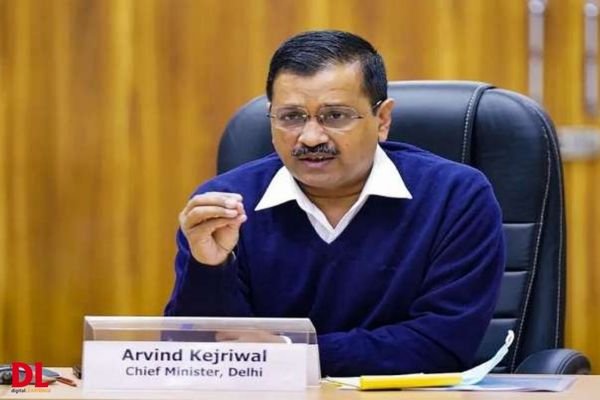
    Delhi Chief Minister Arvind Kejriwal made headlines on Thursday when he criticized the Bharatiya Janata Party (BJP) for allegedly supporting Pakistani refugees who protested outside his residence. The Aam Aadmi Party (AAP) leader’s remarks came in response to demonstrations by Pakistani Hindu refugees protesting against his stance on the implementation of the Citizenship Amendment Act (CAA).


    In a strongly worded post on social media platform X (formerly Twitter), Kejriwal expressed his outrage at the incident. He accused the protesters of causing a disturbance and questioned the BJP’s support for them. Kejriwal emphasized that as the elected Chief Minister of Delhi, he was accountable to the people of the city and would not apologize to individuals, especially those from outside the country.


    The protest outside Kejriwal’s residence occurred amid ongoing tensions surrounding the implementation of the CAA, which has been a contentious issue in Indian politics. The Act aims to provide Indian citizenship to persecuted minorities from neighboring countries, including Hindus, Sikhs, Buddhists, Jains, Parsis, and Christians, who arrived in India before December 31, 2014. However, critics argue that the law discriminates against Muslims and undermines the secular principles of India’s constitution.


    Kejriwal’s comments against the protesters reflect his broader criticism of the CAA and its potential implications. He warned that the Act could lead to an influx of refugees from Pakistan and create social unrest across the country. The Chief Minister accused the BJP of attempting to exploit these refugees for political gain, alleging that the party aimed to secure their votes by supporting their cause.


    This latest salvo from Kejriwal comes in the wake of his previous criticism of the Union Government’s handling of the CAA issue. He had raised concerns about the safety of women in Delhi in the presence of Pakistani migrants from Pakistan and questioned the government’s decision to grant them citizenship. His remarks had triggered a backlash from the BJP and members of the migrant community, who accused him of playing divisive politics.


    In response to Kejriwal’s criticism, Union Home Minister Amit Shah accused him of engaging in “vote-bank politics” and targeting minorities. Shah argued that the refugees mentioned by Kejriwal had already taken refuge in India and were entitled to citizenship under the CAA. He also questioned Kejriwal’s silence on issues related to Bangladeshi infiltrators and Rohingyas, suggesting that the Chief Minister was selectively raising concerns for political gain.


    The exchange between Kejriwal and Shah underscores the deep divisions within Indian politics over the CAA and immigration issues. While the BJP sees the Act as a humanitarian gesture towards persecuted minorities, critics like Kejriwal view it as discriminatory and potentially destabilizing. The issue has become a rallying point for political parties seeking to mobilize support among different communities and voter demographics.


    As the debate over the CAA continues to simmer, leaders like Kejriwal are likely to play a significant role in shaping public opinion and influencing the direction of Indian politics. Their statements and actions will be closely watched as the country grapples with complex issues of identity, citizenship, and social justice.

  • Arif Mohammed Khan, Kerala Governor Stirs Controversy

    Kerala Governor Arif Mohammed Khan’s recent remarks regarding the Citizenship Amendment Act (CAA) have reignited the debate surrounding the controversial legislation. According to Khan, eminent leaders of India, including Mahatma Gandhi and Jawaharlal Nehru, had pledged to grant citizenship to persecuted religious minorities from neighboring countries. He asserted that the ongoing outrage against the CAA was merely an attempt to create a political issue.


    Arif Mohammed Khan’s statement underscores the historical context of the CAA, tracing back to the post-independence era when India’s founding fathers envisioned providing refuge to religious minorities facing persecution in neighboring nations. He cited the support for this cause from prominent leaders across the political spectrum, highlighting a consensus on the moral imperative of safeguarding the rights of persecuted communities.


    However, despite the historical precedent, the CAA has sparked widespread controversy and protests, particularly among opposition parties and civil society groups. The Kerala Pradesh Congress Committee recently organized a protest in front of the Raj Bhavan, expressing their opposition to the central government’s decision to enforce the CAA. Leaders like VD Satheesan criticized the BJP-led government for allegedly exploiting communal sentiments for political gain.


    The agitation against the CAA reflects broader concerns about the legislation’s potential impact on India’s secular fabric and constitutional principles. Critics argue that the law discriminates against Muslims and undermines the country’s secular ethos by linking citizenship to religious identity. They accuse the government of pursuing a divisive agenda that threatens to polarize society along religious lines.


    The participation of prominent political figures, including Mamata Banerjee, in the anti-CAA movement underscores the widespread opposition to the legislation across different states. Banerjee, the Chief Minister of West Bengal, has been vocal in her criticism of the CAA, framing it as a precursor to the National Register of Citizens (NRC) and alleging that it aims to target specific religious communities for exclusion.


    The timing of the CAA rule notification, issued by the BJP-led government just before the Lok Sabha polls, has further fueled suspicions about the government’s motives behind the legislation. Critics argue that the delayed implementation of the rules raises questions about the government’s sincerity in addressing the concerns raised by the opposition and civil society regarding the discriminatory nature of the law.


    The CAA expedites the citizenship process for non-Muslim migrants from Pakistan, Bangladesh, and Afghanistan who entered India before December 31, 2014. While supporters argue that the law offers protection to persecuted religious minorities, opponents view it as a violation of the secular principles enshrined in the Indian Constitution.


    The contentious nature of the CAA highlights the deep divisions within Indian society over issues of identity, citizenship, and religious freedom. The debate surrounding the legislation underscores the need for a nuanced and inclusive approach to address the legitimate concerns of marginalized communities while upholding the country’s democratic values and constitutional principles.


    The ongoing controversy over the Citizenship Amendment Act reflects broader tensions within Indian society regarding questions of identity, citizenship, and religious freedom. While proponents argue that the law fulfills a moral obligation to protect persecuted minorities, opponents view it as a threat to India’s secular ethos and constitutional ideals. As the debate continues because of Arif Mohammed Khan, it is essential for policymakers to engage in constructive dialogue and seek inclusive solutions that address the concerns of all stakeholders while upholding the principles of democracy and pluralism.

  • MHA to Launch Helpline for CAA Applicants

    The Union Ministry of Home Affairs (MHA) has taken a significant step towards assisting applicants of the Citizenship Amendment Act (CAA) by announcing the launch of a dedicated helpline. This move comes just two days after the notification of rules for implementing the CAA on March 11.


    In an official announcement shared via Twitter, the government stated that the helpline number would be available soon to provide assistance to CAA applicants. Individuals seeking information related to the new law can make free calls from anywhere in India. The helpline will operate from 8 am to 8 pm, offering support and guidance to those navigating the citizenship application process.


    This initiative aims to streamline the application procedure and address any queries or concerns that applicants may have regarding the CAA. By establishing a helpline, the government seeks to ensure that individuals seeking Indian citizenship under the provisions of the CAA receive the necessary assistance and information.


    The announcement of the helpline follows the notification of the CAA rules by the MHA. The CAA, passed by Parliament in December 2019, provides a pathway to Indian citizenship for refugees belonging to six religious communities – Hindu, Sikh, Jain, Buddhist, Christian, and Parsi – from Afghanistan, Bangladesh, and Pakistan. These refugees, who entered India before December 31, 2014, are eligible to apply for citizenship under the CAA, even if they lack valid passports from their countries of origin or Indian visas.


    Despite the enactment of the CAA, concerns and protests have emerged regarding its implications, particularly regarding its impact on Muslim communities in India. In response to these concerns, the MHA issued a statement emphasizing that the CAA does not affect the citizenship status of Indian Muslims. The ministry reiterated that all Indian citizens, regardless of religious affiliation, enjoy equal rights under the law and are not required to produce any documents to prove their citizenship.


    Furthermore, the government clarified that the CAA is aimed at addressing the persecution faced by religious minorities in certain Muslim-majority countries. By providing a pathway to citizenship for these persecuted communities, the CAA seeks to uphold the principles of compassion and protection for those facing religious persecution.


    The launch of the helpline for CAA applicants reflects the government’s commitment to facilitating the citizenship process and addressing concerns related to the implementation of the law. Through this initiative, individuals seeking Indian citizenship under the CAA will have access to assistance and guidance to navigate the application process smoothly.


    Additionally, the government’s efforts to reassure Indian Muslims and dispel misconceptions about the CAA demonstrate its commitment to upholding the rights and equality of all citizens. By affirming that the CAA does not discriminate against any religious community and is aimed at providing relief to persecuted minorities, the government seeks to promote understanding and unity among all sections of society.


    Overall, the launch of the helpline and the clarification provided by the MHA regarding the CAA underscore the government’s commitment to ensuring transparency, fairness, and inclusivity in the implementation of the law. As the helpline becomes operational, it is expected to serve as a valuable resource for CAA applicants, offering support and guidance at every step of the citizenship application process.

  • CAA: Union Home Minister Notifies Rules

    `The Citizenship Amendment Act (CAA) has been a contentious issue in India since its passage by the Parliament in 2019. On Monday, the Union Home Minister notified the rules for its implementation, marking a significant development in the ongoing debate surrounding the legislation.


    The CAA expedites the citizenship process for six religious minorities – Hindu, Sikh, Buddhist, Jain, Parsi, and Christian – who migrated to India due to religious persecution in their countries. These minorities primarily hail from neighboring nations like Afghanistan, Pakistan, and Bangladesh.


    Here are five key facts about the CAA and its implementation rules:


    • Eligibility Criteria: The rules dictate that individuals belonging to the six specified religious minorities, who faced persecution in Afghanistan, Pakistan, and Bangladesh, and migrated to India before December 31, 2014, are eligible to apply for Indian citizenship under the CAA. This provision aims to provide relief to those who have been subjected to religious discrimination and violence in their home countries.


    • Residency Requirement: The CAA reduces the residency requirement for eligible individuals from these religious minorities from 11 years to 5 years. This means that those who migrated to India before December 31, 2014, and have lived in the country for at least five years are eligible to seek Indian citizenship. By shortening the residency period, the CAA aims to facilitate the integration of persecuted minorities into Indian society.


    • Online Application Process: The implementation rules specify that applications for citizenship under the CAA will be submitted entirely online through a designated web portal. This digital platform streamlines the application process and ensures efficiency and transparency in the citizenship-granting procedure. It also reflects the government’s efforts to modernize administrative processes and embrace digital governance practices.


    • Protection of Indian Citizenship: The Home Ministry clarified that the CAA does not affect the citizenship status of any Indian citizen. It emphasizes that the legislation is intended to assist individuals who have faced religious persecution and have sought refuge in India. This assurance aims to alleviate concerns about the legislation’s impact on the citizenship rights of Indian nationals and reaffirms the government’s commitment to upholding constitutional principles of equality and justice.


    • Controversies and Protests: Despite the government’s assertions, the CAA has been met with widespread protests and criticism across India. Critics argue that the legislation discriminates against Muslims by excluding them from its purview, thereby violating the principles of secularism and equality enshrined in the Indian Constitution. The exclusion of Muslims from the list of eligible religious minorities has sparked concerns about communal polarization and discrimination.


    The implementation of the CAA has been a subject of intense debate and legal scrutiny, with various petitions challenging its constitutionality pending before the courts. Critics contend that the legislation undermines India’s secular fabric and discriminates against marginalized communities, particularly Muslims. On the other hand, supporters argue that the CAA fulfills a humanitarian objective by providing refuge to persecuted religious minorities facing persecution in neighboring countries.


    The notification of rules for implementing the Citizenship Amendment Act represents a significant step in the government’s efforts to address the concerns of persecuted religious minorities. However, the CAA remains a contentious issue, reflecting broader debates about identity, citizenship, and secularism in India. As the legislation continues to face legal challenges and public scrutiny, its impact on India’s social fabric and political landscape remains a subject of ongoing discussion and debate.

  • Kejriwal Urges Delhi Residents to Disregard Incorrect Water Bills

    Kejriwal Urges Delhi Residents to Disregard Incorrect Water Bills

    Amidst a surge of protests and discontent over inflated water bills in Delhi, Chief Minister Arvind Kejriwal has stepped in, urging residents not to pay erroneous bills and assuring corrective action. The issue stems from the period during the COVID-19 pandemic when water meter readings were not taken for several months. Subsequently, bills were generated based on estimated or fabricated readings, resulting in exorbitant charges for many households across the city.


    Kejriwal’s visit to the Govindpuri area of Delhi, where he met with affected residents, underscores the gravity of the situation. Addressing the public, he condemned the practice of fabricating readings and emphasized that the Delhi government is committed to rectifying the erroneous bills. He assured residents that corrective measures are underway and pledged that 95% of the inflated bills would soon be reduced to zero. Additionally, he urged residents not to pay incorrect bills and encouraged them to tear them up instead.


    The Chief Minister’s proactive stance comes amidst mounting pressure from AAP MLAs who have been vocal in their demands for a one-time settlement for unpaid water bills. The Delhi Assembly passed a resolution urging Lieutenant Governor VK Saxena to intervene and implement a one-time settlement mechanism to address the issue. The resolution reflects the widespread concern among legislators and underscores the urgency of finding a resolution to the problem.


    AAP MLA Kuldeep Kumar highlighted the severity of the situation by citing instances where residents received bills amounting to lakhs of rupees for minimal water usage. He underscored the need for urgent action, emphasizing that many residents are unable to afford such exorbitant bills, which far exceed their financial capacity.


    However, Kejriwal expressed frustration over the lack of cooperation from government officials, alleging that they are hesitant to implement the proposed settlement scheme due to pressure from the BJP-led central government. He accused officials of prioritizing political allegiances over the welfare of Delhi’s residents and criticized their reluctance to comply with the directives of the AAP government.


    Kejriwal’s accusations shed light on the political undercurrents at play and underscore the challenges of governance in a politically charged environment. The Chief Minister’s efforts to address the issue head-on demonstrate his commitment to serving the interests of Delhi’s residents and his determination to confront bureaucratic inertia.


    Moreover, Kejriwal’s assurance that corrective action is underway provides a glimmer of hope for residents grappling with exorbitant water bills. By advocating for a one-time settlement and actively engaging with affected residents, the Delhi government is taking proactive steps to address the issue and alleviate the financial burden on households.


    The issue of inflated water bills in Delhi underscores the challenges of governance and the importance of effective leadership in addressing the concerns of citizens. Kejriwal’s proactive stance and commitment to resolving the issue are commendable, and his efforts to hold government officials accountable for their actions reflect a commitment to transparency and accountability in governance. As the Delhi government works towards finding a lasting solution to the problem, residents can take solace in the fact that their concerns are being heard and addressed at the highest levels of government.

  • Alexei Navalny’s Death Sparks Outrage and Censorship

    Alexei Navalny’s Death Sparks Outrage and Censorship

    Amidst the frosty landscapes of the Arctic Circle, the death of Alexei Navalny, Russia’s most prominent opposition leader, sent shockwaves across the globe. Navalny, a fierce critic of President Vladimir Putin’s regime, had survived multiple assassination attempts, only to meet his demise while serving a 19-year sentence in a Russian penal colony.


    The circumstances surrounding Navalny’s death remain shrouded in mystery, prompting widespread suspicion and outrage. While the global media extensively covered Navalny’s life and the questionable circumstances of his death, Russia’s state-controlled television channels offered minimal coverage. Channels like Channel One and Rossiya 1 reportedly provided only brief updates on Navalny’s death, lacking context about his political activism and significance as an opposition figure. Some reports even refrained from mentioning his full name, referring to him simply as “Navalny.”


    The muted response from Russian media outlets underscores the extent of censorship and control exerted by the Kremlin over information dissemination. Rather than engaging in meaningful dialogue or investigation into Navalny’s death, Russian state media seemed intent on downplaying the event and diverting attention elsewhere. During discussions about Navalny’s death, panelists expressing condolences were abruptly silenced by anchors, indicating a deliberate effort to suppress dissenting voices.


    However, while traditional media outlets in Russia remained subdued, social media platforms like Twitter and Telegram erupted with outrage and condemnation. Citizens of Russia took to these platforms to express their shock and grief over Navalny’s death, with many holding President Putin’s government responsible for the tragedy. The hashtags #Navalny and #PutinKiller trended widely, reflecting the widespread discontent and frustration among the Russian populace.


    The Kremlin’s response to the allegations of its involvement in Navalny’s death was predictable. Pro-government factions in Russia dismissed accusations against Putin and his administration, arguing that orchestrating Navalny’s death would only serve to bolster the opposition’s influence and undermine the government’s credibility. They questioned the logic of such a move, particularly in the lead-up to elections, suggesting that it would be politically counterproductive for the Kremlin.


    Meanwhile, outside Russia, liberal protestors gathered in front of Russian embassies, demanding justice for Alexei Navalny and condemning Putin’s regime. Western leaders wasted no time in blaming the Kremlin for Navalny’s death, citing a pattern of persecution and violence against political dissidents in Russia. Calls for sanctions and diplomatic pressure on the Russian government intensified, as world leaders sought to hold Putin’s administration accountable for its alleged human rights abuses and suppression of dissent.


    The death of Alexei Navalny marks a somber chapter in Russia’s ongoing struggle for democracy and freedom of expression. Navalny’s unwavering commitment to exposing corruption and advocating for political reform made him a symbol of resistance against authoritarianism. His tragic demise serves as a grim reminder of the perils faced by those who dare to challenge entrenched power structures and speak truth to power.


    As investigations into Navalny’s death continue, the international community must remain vigilant in demanding transparency and accountability from the Russian government. The voices of Navalny’s supporters, both within Russia and abroad, must not be silenced or ignored. Only through sustained pressure and solidarity can justice be served for Navalny and others who have sacrificed their lives in the pursuit of freedom and democracy.

  • Events Unfolding Across India on February 15

    Events Unfolding Across India on February 15

    On February 15, India witnesses a confluence of significant events, spanning various spheres of societal, political, and economic activities. From ongoing farmer protests to crucial legal verdicts, educational examinations, political rallies, and business deals, the day unfolds with a multitude of developments that reflect the diverse dynamics of the nation.


    First and foremost, the farmer protests continue to dominate headlines as numerous prominent farmers’ unions participate in ongoing demonstrations at Shambhu border and Khanauri border in Punjab. The Bharatiya Kisan Union (Ugrahan) and BKU Dakaunda (Dhaner faction) have announced plans for a ‘rail roko’ (train stoppage) in the state, garnering support from the Samyukt Kisan Morcha. At the core of their demands lies the issue of minimum support price (MSP) for agricultural produce, highlighting the persistent struggles of farmers across the country.


    Simultaneously, the Central Board of Secondary Education (CBSE) examinations for 10th and 12th grades are scheduled to commence on February 15. As students gear up for these crucial exams, there is palpable tension surrounding preparations and time management amidst hectic study schedules. The outcomes of these examinations hold immense significance for students’ academic futures, adding to the anticipation and anxiety surrounding the day.


    Legal matters also take center stage on February 15, as the Supreme Court prepares to decide on the legal validity of the Central government’s ‘Electoral Bond’ scheme. This scheme, which allows anonymous funding to political parties, faces scrutiny over concerns of transparency and potential corruption. The court’s verdict on this matter will have far-reaching implications for the electoral process and political financing in India.


    In the political arena, Union Home Minister Amit Shah’s scheduled Maharashtra tour stands canceled due to the escalating situation at the Delhi border, where farmers are attempting to enter the national capital. This development underscores the ongoing tensions between the government and protesting farmers, highlighting the political challenges facing the country.


    Meanwhile, the Delhi Assembly Budget Session 2024 commences on February 15, with the Arvind Kejriwal-led government expected to table the city government’s budget for 2024-25 on February 17. The budget’s focus on health, education, roads, and infrastructure will shape the capital’s development trajectory, making it a significant milestone in Delhi’s governance.


    Furthermore, the retirement of 56 members of the Rajya Sabha from 15 states in April prompts the commencement of polling on February 27, with results declared on the same day. This electoral process holds significance for the composition of the upper house of parliament and the balance of power within India’s legislative framework.


    In the realm of defense, General Upendra Dwivedi emerges as the frontrunner for the post of army chief, poised to succeed General Manoj Pande upon his retirement on May 31. This transition in leadership reflects the continuity and evolution of India’s defense strategy amid evolving security challenges.


    Additionally, cultural and social initiatives unfold across the country on February 15, with students in Rajasthan’s government schools performing “Surya Namaskar” as part of a state-wide program promoting healthy habits and cultural understanding. However, controversies surrounding the initiative underscore the complexities of integrating cultural practices with educational mandates.


    In business news, the Delhi High Court’s order for low-cost carrier SpiceJet to pay $4 million to engine lessors by February 15 underscores the legal and financial challenges facing the aviation industry. Failure to comply could result in the grounding of leased engines, further complicating the airline’s operations.


    Moreover, various other events, including visits by delegations, political developments, and business transactions, add to the day’s diverse tapestry of activities. From the Global Pulse Confederation’s convention to autorickshaw strikes and film festival registrations, February 15 encapsulates the vibrancy and dynamism of India’s socio-economic landscape.


    February 15 serves as a microcosm of India’s multifaceted reality, with events spanning protests, legal proceedings, educational examinations, political maneuvers, budget sessions, retirements, appointments, records, demonstrations, conferences, strikes, festivals, business deals, and more. As the day unfolds, it reflects the complexities and contradictions inherent in India’s journey towards progress and development.

  • Maratha Community’s Candle March for Reservation Rights

    Maratha Community’s Candle March for Reservation Rights

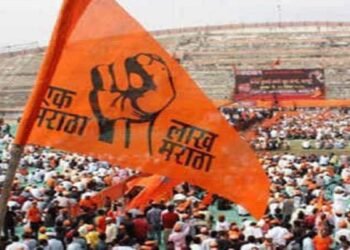
    Members of the Maratha community in Pune, Maharashtra, are engaged in a series of protests and a candle march to advocate for their reservation rights. The protests are in solidarity with quota activist Manoj Jarange Patil, who is on a hunger strike to intensify the agitation over the Maratha reservation issue.


    The chain of protests began with a candle march, commencing from the Chhatrapati Shivaji Maharaj Statue in Shivajinagar and concluding at the Chhatrapati Sambhaji Maharaj Statue in Deccan. This demonstration aims to draw attention to the long-standing demand for Maratha reservation in education and government jobs.


    As part of their protest efforts, members of the Maratha community temporarily blocked the Pune-Nashik highway near Chakan, causing disruptions to vehicular traffic. However, local law enforcement later cleared the road.


    The issue of Maratha reservation has been a significant and contentious one in Maharashtra politics. It gained prominence during activist Manoj Jarange Patil’s hunger strike protest in September, where supporters of Jarange faced a police baton charge in Jalna district.


    In response to the ongoing agitation, Maharashtra Chief Minister Eknath Shinde expressed his understanding of the pain and sorrow experienced by the Maratha community. He mentioned that a curative petition has been filed in the Supreme Court after the court’s previous decision to strike down the Maratha quota. This development offers a glimmer of hope for the community’s quest for reservation rights.


    The state government has taken steps to address the concerns of the Maratha community. A government resolution was issued offering certificates to Marathas in Marathwada with historical records dating back to the Nizam era. However, Jarange Patil has remained steadfast in his hunger strike until all Marathas are granted Kunbi certificates by the Maharashtra government.


    The Maratha reservation issue has been marred by tragedy, as activist Sunil Kawale was found dead, hanging from a lamp post in Mumbai’s Bandra area on October 19. In a suicide note, he had expressed his desire for quota rights for the Maratha community.


    The state government has made efforts to communicate its initiatives for the Maratha community through newspaper advertisements. These initiatives include provisions for employment and educational admissions under the Economically Weaker Section (EWS) reservation.


    As the Maratha’s community continues its protests and advocacy for reservation rights, the issue remains a focal point of concern and debate in Maharashtra’s political landscape.


    Follow Us:  X (Twitter) | Google News | LinkedIn | Pinterest | Facebook | Sharechat | Kooapp | YouTube

  • Protests and Boos Greet Trudeau During Visit to Toronto Mosque

    Protests and Boos Greet Trudeau During Visit to Toronto Mosque

    Canadian Prime Minister Justin Trudeau faced protests and boos during his visit to a Toronto mosque on October 21 in response to the Israel-Hamas war. The visit to the International Muslims Organization of Toronto was intended to show support for the Muslim community in Canada amid ongoing tensions in the Middle East.


    The protests and heckling come as a reflection of the deep divide and emotional responses to the Israel-Hamas conflict within Canada. While Liberal MPs have joined calls by Muslim groups for Canada to push for a ceasefire in the region, major Canadian Jewish organizations have demanded Trudeau to retract an earlier comment in which he lent credence to the claim by Hamas that Israel was responsible for an attack on a hospital in Gaza city.


    The video footage from the visit to the Toronto mosque shows that some attendees voiced their displeasure, shouting “shame” and urging the facilitator not to let the Canadian PM speak at the podium. In the video, Trudeau can be seen addressing the gathered crowd, thanking them for allowing him to “pray alongside you in this difficult time.”


    Amid these protests and divisive stances on the Israel-Hamas conflict, Canadian political leaders are grappling with how to address the situation. The federal New Democrats, who entered into a confidence-and-supply agreement with the minority Liberal government last year, also call for a ceasefire. The situation highlights the complexity of addressing international conflicts in a diverse and multicultural country like Canada, where various communities have strong feelings and perspectives on the matter.


    The divide within the Canadian Parliament is evident, with Chair of the Canada-Palestine Parliamentary Friendship Group and Toronto-area Liberal MP Salma Zahid penning a letter to the Canadian Prime Minister, outlining demands on behalf of 33 MPs. The letter calls for Canada to join the call for an immediate ceasefire, help facilitate the opening of a humanitarian corridor, and stand up for international law.


    The letter emphasizes that international law is clear on the protection of innocent civilians and non-combatants during conflicts. It condemns attacks on civilians and demands that they be spared and protected, in accordance with international law. The letter is signed by 23 backbench Liberal MPs, eight NDP MPs, and both Green Party MPs, showing that this issue has led to collaboration across party lines in the Canadian Parliament.


    The protests and disagreements related to the Israel-Hamas conflict have put the Canadian government in a challenging position. As a country that values diversity, inclusivity, and freedom of expression, addressing these disagreements within the domestic context while recognizing international dynamics is a complex task for political leaders like Justin Trudeau.


    In the midst of this, it is important for Canadian leaders to find a balanced approach that upholds human rights, promotes dialogue, and encourages peaceful solutions to conflicts. The protests at the Toronto mosque serve as a reminder of the deep emotional impact of international events on local communities and the need for constructive engagement and understanding in the face of global crises.

  • Journalists Protest Delhi Police Crackdown on NewsClick

    Journalists Protest Delhi Police Crackdown on NewsClick

    Journalists from across India have taken to the streets to protest against the recent Delhi Police crackdown on NewsClick, a news portal. The journalists, along with prominent media groups, have also jointly written a letter to Chief Justice DY Chandrachud, urging the Supreme Court to take “cognisance and intervene” in the matter. The protests and the letter come in response to the arrest of NewsClick’s founder, Prabir Purkayastha, and its HR head, Amit Chakravarty, following raids at more than 50 locations. The case against them has been filed under the Unlawful Activities (Prevention) Act (UAPA), an anti-terror law.


    In the joint letter, the media organizations and press clubs express their concerns about the state of journalism in India and the threats faced by journalists. They emphasize that many journalists in the country are currently working under the threat of reprisal. The letter also underscores the importance of the judiciary in upholding the principles of democracy and the constitution.


    The letter outlines the events leading up to the arrests, including the raids on NewsClick’s offices and the seizure of digital devices and documents. It raises serious questions about the use of the UAPA in this case, describing it as “especially chilling.” The media groups argue that journalism cannot and should not be equated with terrorism.


    One of the central points made in the letter is the impact of intimidation and legal action against the media on the democratic fabric of society. The letter suggests that subjecting journalists to a criminal process because the government disapproves of their coverage is an attempt to suppress the press through the threat of reprisal, which goes against the principles of press freedom.


    The media organizations put forth several recommendations for the judiciary to consider. These recommendations include the framing of norms to discourage the arbitrary seizure of journalists’ phones and laptops, as well as guidelines for the interrogation of journalists. The goal is to protect the rights and freedoms of journalists and ensure that their work can continue without fear of reprisal or intimidation.


    The joint letter and the protests by journalists highlight the growing concerns about press freedom in India. The use of anti-terror laws against journalists and media organizations has raised alarm bells among press associations and civil society groups. The role of the judiciary in safeguarding press freedom and upholding democratic values is seen as crucial in addressing these concerns.


    The case against NewsClick and its employees is likely to be closely watched as it unfolds, with implications for the state of journalism and media freedom in India. Journalists and media organizations continue to advocate for the protection of their rights and the principles of a free and independent press.

  • TMC Leaders Detained After Protests in Delhi Over Funds Release

    TMC Leaders Detained After Protests in Delhi Over Funds Release

    Trinamool Congress (TMC) general secretary Abhishek Banerjee and several other party leaders were detained on Tuesday night after staging a dharna at the Union Rural Development Ministry office in Delhi. They were demanding a meeting with the minister to discuss the release of funds to West Bengal. This development follows a growing tug-of-war between the Centre and the West Bengal government over the allocation of funds.


    Earlier, Abhishek Banerjee and other TMC leaders had accused the Centre of attempting to intimidate protesters who had gathered in the national capital to press for the release of funds to West Bengal. The TMC leaders, along with state ministers and supporters, had staged a protest at Jantar Mantar, a day after their two-hour dharna at Rajghat on Mahatma Gandhi’s birth anniversary was forcefully dispersed by the police.


    Banerjee, addressing the gathering, criticized the massive police presence and security measures, stating that it seemed as if an India-China war was taking place. He accused the central government of trying to threaten the protesters but emphasized that despite these efforts, the TMC would not be deterred.


    The root of the conflict lies in the TMC’s claim that the BJP-led NDA government has withheld ₹15,000 crore in dues to West Bengal under the Mahatma Gandhi National Rural Employment Guarantee Act (MGNREGA) and PM Awas Yojana. The BJP, on the other hand, has rejected these allegations and accused the TMC of staging a “drama” in Delhi to divert attention from scams in West Bengal.


    Mahua Moitra, a Lok Sabha MP from Krishnanagar, alleged that the Centre was collecting taxes from West Bengal but not releasing the state’s dues. She highlighted that the protest was not about begging but asserting their rights. Moitra emphasized that Mamata Banerjee, the Chief Minister of West Bengal, was fighting not only for the state but for the entire country.


    West Bengal’s Minister of Rural Development, Pradip Mazumdar, pointed out that Rural Development Minister Giriraj Singh had assured him during a meeting on November 7, 2022, that the funds would be released. However, despite their efforts, the funds were still withheld. TMC leaders were scheduled to meet Minister of State for Rural Development Sadhvi Niranjan Jyoti, as Giriraj Singh was not in Delhi.


    Giriraj Singh, in his constituency Begusarai, had alleged on Monday that the Centre’s money was being “siphoned off” by the state government. He claimed that over 25 lakh job cards had been deleted in the state, and the Centre was considering ordering a CBI probe.


    The standoff between the Centre and West Bengal over fund allocation has escalated, with TMC leaders taking their protest to the national capital. The detention of Abhishek Banerjee and other TMC leaders further underscores the growing tension between the two governments over financial matters.