Tag: protest

  • PTI Calls Nationwide Protest Amidst Delayed Results

    PTI Calls Nationwide Protest Amidst Delayed Results

    Pakistan Tehreek-e-Insaf (PTI) has called for a nationwide protest on Sunday to safeguard the integrity of the vote, as independent candidates lead with 100 seats, according to ARY News. This decision was made after a core committee meeting of the party, which announced plans for “peaceful protests” across the country at 2:00 pm.


    Amidst the turmoil in Pakistan over delayed election results, reports indicate Pakistan Muslim League-Nawaz (PML-N) candidates leading or winning. Allegations of ‘rigging’ prompted many to move courts, contesting their defeat. PTI-affiliated Independent candidates also challenged results in PP-164 and NA-118 at the Lahore High Court (LHC), where Shehbaz Sharif and Hamza Shehbaz secured victory.


    Bilawal Bhutto-Zardari acknowledged that his party wouldn’t be able to form a government alone. Regarding meetings with PML-N’s Shehbaz Sharif, he stated confirmation would come once all results were available. The former Foreign Minister clarified that no independent candidate from the PTI bloc had contacted PPP leaders. He noted ongoing communication with some independents but no outreach from PTI independents.


    Shehbaz Sharif met PPP leaders Asif Ali Zardari and Bilawal Bhutto-Zardari at the residence of Punjab’s caretaker Chief Minister Mohsin Naqvi. Nawaz Sharif tasked Shehbaz Sharif with reaching out to major parties like PPP and MQM-P for potential alliances.


    Tariq Fazal Chaudhry of PML-N emerged victorious with 102,502 votes, followed by PTI-backed independent candidate Shoaib Shaheen with 86,396 votes, and independent candidate Mustafa Nawaz Khokhar with 17,916 votes. Khurram Shahzad Nawaz, a joint candidate of PML-N and Istehkam-i-Pakistan Party (IPP), won NA-48 (Islamabad-III) with 69,699 votes. PML-N clinched all three National Assembly seats in Islamabad after 16 years.


    Pakistan, with a population of 241 million, voted in a general election on Thursday amidst economic challenges and militant violence in a politically polarised environment. PML-N and PPP were the major parties in the ruling coalition post-Imran Khan’s ouster. Despite a heated electoral campaign, no party has secured a majority, necessitating potential coalition-building efforts.

  • Noida Police Heightens Security Amid Farmers’ March

    Noida Police Heightens Security Amid Farmers’ March

    On February 8, the Noida Police took proactive measures to enhance security along its borders with Delhi in anticipation of a farmers’ march to the Parliament. Traffic movement at various routes, including the Noida-Greater Noida Expressway and DND, was reported to have slowed down due to the ongoing protest. To manage the situation effectively, barriers were installed at all borders of Delhi, and senior officials were deployed at various locations to control traffic.


    The Gautam Buddh Nagar Police had already imposed CrPC section 144 as a precautionary measure. Additionally, a traffic advisory was issued to caution commuters about diversions on certain routes within the twin cities, considering the farmers’ movement on tractors.


    A police spokesperson emphasized the need for heightened security measures, stating that barriers had been installed at all Delhi borders and key locations like Kisan Chowk. Each vehicle was subjected to thorough checks, leading to slower traffic movement. Continuous monitoring of traffic was ensured to mitigate any potential disruptions.


    The farmers, led by the Bharatiya Kisan Parishad (BKP), planned to assemble at the Mahamaya Flyover in Noida before proceeding towards the Parliament in Delhi. Their objective was to press for long-pending demands related to compensation and land acquisition issues.


    The farmers’ agitation in Noida and Greater Noida has been ongoing since December 2023, with demands for increased compensation and developed plots against land acquired by local development authorities in the past. Groups such as the Sanyukt Kisan Morcha and Akhil Bharatiya Kisan Sabha have been advocating for 10% of abadi land for affected farmers.


    The protest has seen farmers from more than 40 villages camping in Noida for the past five months, with a particular focus on the Noida Authority’s Sector 6 office, where they have been staging demonstrations for two months.


    In light of the farmers’ movement, specific traffic routes in Noida were affected. Traffic was completely banned on certain stretches, including from Golchakkar Chowk Sector 15 to Sector 06 Chowki Chowk and from Sandeep Paper Mill Chowk to Harola Chowk. Diversions were implemented to minimize inconvenience for commuters, with alternative routes suggested for reaching various destinations.


    Emergency vehicles were given priority during diversions to ensure their swift movement. Additionally, commuters were advised to contact the traffic helpline number provided in case of any inconvenience.


    The decision to strengthen security measures and regulate traffic flow reflects the authorities’ commitment to maintaining law and order while respecting the farmers’ right to peaceful protest. By implementing proactive measures and issuing timely advisories, the Noida Police aimed to minimize disruptions and ensure the safety and security of all citizens during the farmers’ march.

  • Delhi Leaders Under House Arrest Ahead of Polls

    Delhi Leaders Under House Arrest Ahead of Polls

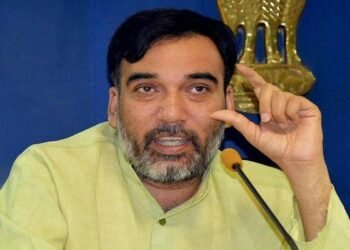
    The political landscape in Delhi is currently marked by tension and controversy as Aam Aadmi Party (AAP) leaders, including Delhi Speaker Ram Niwas Goel and Deputy Mayor Aaley Mohd Iqbal, find themselves under house arrest. AAP leader Gopal Rai announced this development during a press conference on February 2. Several other AAP MLAs and councillors have also reportedly been subjected to house arrest in anticipation of the planned protest outside the BJP headquarters.


    The list of leaders allegedly under house arrest includes the MLA of Rajouri Garden, MLA of Janakpuri, councillors of Harinagar, Bijwasan MLA, Chhatarpur MLA, Krishna Nagar MLA, Deputy Mayor, Laxmi Nagar Councillor, RK Puram Councillor, Badli Councillor, Motinagar, Trinagar, Timarpur, and Seemapuri.


    The reason behind this preemptive action is the AAP’s scheduled protest against what they claim to be “cheating” in the Chandigarh mayoral polls, ultimately won by the BJP. Manoj Sonkar, a BJP councillor, secured victory in the elections and was appointed as the new mayor. The outcome saw Sonkar amassing 16 votes, while Kuldeep Singh, a combined nominee of the Congress and the AAP, received 12 votes.


    Security measures have been significantly heightened in Central Delhi, with police barricading several roads leading to the Pandit Deen Dayal Upadhyaya Marg. Additional personnel have been deployed in anticipation of both the AAP’s demonstration and a separate protest by the BJP against alleged “corruption” in the Kejriwal government.


    Roads leading to the Pandit Deen Dayal Upadhyaya Marg have been closed since the morning, and barricades have been set up near the BJP and AAP headquarters. The political standoff is unfolding against the backdrop of heightened tensions, leading to concerns about potential clashes.


    Delhi Minister and AAP leader Atishi expressed her observations on social media platform X, noting, “Heavy barricading all across Delhi. Buses full of AAP volunteers being detained. Hundreds of paramilitary forces outside the AAP office.” She questioned the motive behind the heightened security measures, asking why the BJP appeared to be fearful of a protest regarding the Chandigarh mayoral elections.


    Saurabh Bharadwaj, another AAP leader and cabinet colleague, released a video statement addressing the situation. He questioned whether the BJP was afraid of Arvind Kejriwal, the Chief Minister of Delhi. Bharadwaj alleged that the entire country witnessed how votes were allegedly stolen in the Chandigarh mayoral polls by the BJP. He emphasized that the protest was an opportunity for elected chief ministers, Arvind Kejriwal and Bhagwant Mann, to voice their concerns and stand against what they perceive as electoral malpractice.


    As the political tension escalates, the capital city remains on edge, with the focus on both the AAP’s planned demonstration and the BJP’s counter-protest against the Kejriwal government. The unfolding events are a testament to the complex and often confrontational nature of Indian politics.

  • Protest Attempt at Jamia Millia Islamia Prompts Swift Action

    Protest Attempt at Jamia Millia Islamia Prompts Swift Action

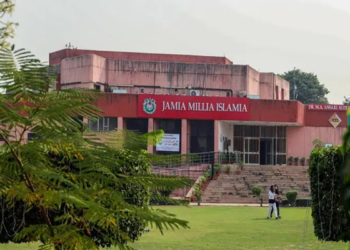
    On the evening of January 22, an attempt to stage a protest unfolded on the campus of Jamia Millia Islamia in Delhi. The incident involved 2-3 students who raised slogans and displayed placards. Promptly responding to the situation, the university administration swiftly removed the participants from the premises. In an official statement, the university mentioned, “There were 2-3 students who raised slogans and showed placards yesterday. When we got knowledge, the students were removed from the place. The university is further looking into the matter.”


    The university emphasized that academic activities were not disrupted due to the incident, and the situation is currently under control. Despite the brief disruption caused by the small group of students engaging in sloganeering, classes and examinations continued without further disturbance, as confirmed by a senior police officer and a university official.


    Earlier on the same day, heightened security measures were observed as police personnel were stationed outside the Jamia Millia Islamia campus. This precautionary measure was taken following the circulation of an online video depicting two to three students raising slogans like “Strike for Babri.” The video raised concerns, leading to increased vigilance in light of the consecration ceremony of the new idol of Ram Lalla at the Ram temple in Ayodhya and the upcoming Republic Day.


    In response to the incident, the Delhi Police issued a statement saying, “In a viral video, some people at Delhi’s Jamia Millia Islamia tried to protest on the University campus on the evening of 22 January. After getting the information, the administration removed all of them. No action was initiated because the protest happened inside the campus and no official complaint was given to the police.”


    The viral video featured a man raising slogans such as “Allahu Akbar,” “Strike for Babri,” and “RSS down down.” While the incident garnered attention, it was contained within the university campus, and no official complaints were filed with the police.


    The deployment of police personnel outside the university was considered a preventive measure, given the significance of the Ram temple consecration ceremony and the approaching Republic Day. This proactive approach aimed to ensure the safety and security of the campus environment.


    Despite these external factors, the administration of Jamia Millia Islamia reiterated that the academic activities continued without disruption. The incident, described as a quarrel that escalated into a heated argument, was promptly brought under control by the university’s security measures.


    The attempt at a protest on the Jamia Millia Islamia campus was managed effectively by the university administration, with swift action taken to prevent any escalation. The incident, involving a small group of students, is currently under investigation, but the administration assures that academic activities remain unaffected. The proactive measures taken by both the university and the Delhi Police highlight the commitment to maintaining a secure and conducive environment for students and staff.

  • Sri Lanka Faces Healthcare Crisis as Hospital Staff Go on Strike

    Sri Lanka Faces Healthcare Crisis as Hospital Staff Go on Strike

    Sri Lanka is grappling with a healthcare crisis as hospital orderlies and administrative staff across the country initiated a one-day strike over allowances amid the nation’s worst financial crisis in over seven decades. The strike has prompted the government to deploy hundreds of soldiers to key hospitals to provide non-medical support and ensure essential services continue.


    The financial crisis in Sri Lanka has led to a soaring cost of living, prompting the government to implement measures such as tax increases and limitations on public employees’ perks. The strain on the economy has particularly impacted the public healthcare system, which is already grappling with challenges such as healthcare worker migration, reduced public healthcare expenditure, and rising costs.


    In response to the strike, military spokesman Major General Rasika Kumara confirmed that 615 soldiers and 19 officers have been deployed at 25 hospitals. Their responsibilities include non-medical support tasks such as offloading ambulances, assisting with patient movement, and record-keeping.


    Sri Lanka’s public healthcare system, once vibrant, is facing significant challenges, and the strike further exacerbates the strain on services. The migration of healthcare workers, cost increases, and reduced expenditure have collectively contributed to the system’s struggles.


    The strike was triggered by the Cabinet’s approval of a monthly transport allowance of 70,000 rupees ($214) specifically for doctors. This decision led to protests from other healthcare workers who argue that all hospital staff involved in providing critical care to patients should receive equal treatment.


    Ravi Kumudesh, the convenor of the Health Services Trade Union Alliance, expressed the sentiment of healthcare workers, stating, “Health care workers deserve to be treated the same. The government is giving relief to doctors but leaving out other hospital staff who are also part of giving critical care to patients. That is why they are on strike.”


    The strike highlights the disparities in the distribution of allowances and perks within the health care sector, emphasizing the need for a comprehensive and equitable approach to address the concerns of all healthcare workers. As the crisis unfolds, the deployment of soldiers to hospitals underscores the urgency of maintaining essential healthcare services amid the ongoing challenges facing the nation.

  • State of Emergency Declared in Papua New Guinea

    State of Emergency Declared in Papua New Guinea

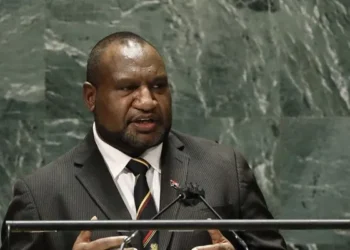
    Papua New Guinea plunged into chaos as Prime Minister James Marape declared a state of emergency in the wake of violent riots that resulted in 16 fatalities. The unrest erupted during a police and public sector protest over a perceived pay cut, which authorities attribute to an administrative glitch.


    The protest, initially focused on a pay-related grievance, quickly descended into lawlessness, with shocking scenes of thousands of people flooding the streets of the capital, Port Moresby. Television footage revealed widespread looting, and black smoke billowed over the city, highlighting the severity of the situation, hence the declaration of emergency.


    According to Australian state broadcaster ABC, nine people lost their lives in the rioting in Port Moresby, while seven were killed in Lae, a city in the northern region of the gold and copper-rich country.


    In response to the escalating crisis, Prime Minister Marape announced the suspension of key figures, including Papua New Guinea’s chief of police and top bureaucrats in the finance and treasury departments along with other restrictions in case of emergency. This move is part of a broader government review aimed at understanding the root causes of the riots.


    Marape, addressing reporters at a press conference, expressed concern over evidence of organized rioting. The review, he said, is crucial to ensuring the preservation of democracy and the rule of law in the country. Additionally, the prime minister revealed that approximately 1,000 military personnel were on standby to prevent further unrest.


    While violence in the capital subsided on Thursday, the government took swift action by deploying additional police to maintain order. However, the United States embassy in Port Moresby noted that tensions remained high, emphasizing the potential for a change in the relative calm.


    The riots also resulted in injuries to several Chinese citizens, with stores owned by Chinese nationals subjected to vandalism and looting, according to the Chinese embassy.


    Australian Prime Minister Anthony Albanese assured that the country’s high commission was closely monitoring the situation. Although Papua New Guinea has not formally requested assistance, Australia, with its established relationship, remains ready to provide support.


    The unrest comes at a challenging time for Papua New Guinea, where the police force has been grappling with a surge in violent crime over the past year. Prime Minister Marape has repeatedly emphasized the need to enhance security to attract foreign investment in the nation’s abundant gold and copper resources.


    The catalyst for the recent turmoil was a police strike triggered by the discovery of a reduction in their pay. The government swiftly moved to dispel rumors of a new tax on police, attributing the pay shortfall to an administrative error. Marape assured that corrective measures would be taken to rectify the issue.


    As the nation grapples with the aftermath of the violent riots, questions loom over its ability to restore order, address the grievances of the police force, and navigate the broader socio-political implications of this crisis. International attention and concern underscore the significance of stabilizing the situation in Papua New Guinea.

  • Maratha Reservation Protesters Allegedly Torch NCP Office

    Maratha Reservation Protesters Allegedly Torch NCP Office

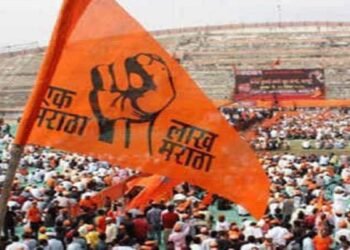
    Protesters advocating for Maratha reservation allegedly set fire to the office of the Nationalist Congress Party (NCP) in Beed city, Maharashtra, on Monday evening. The protesters were also reported to have set fire to the residences of NCP MLA Sandeep Kshirsagar and former state minister Jay Kshirsagar.


    Earlier on Monday, a violent protest erupted over the Maratha reservation issue, leading to the vandalization and setting ablaze of NCP MLA Prakash Solanke’s residence in the Beed district.


    Prakash Solanke, a member of the NCP faction led by Deputy Chief Minister Ajit Pawar, reported, “I was inside my home when it was attacked. Fortunately, none of my family members or staff were injured. We are all safe, but there is significant property damage due to the fire.”


    The Maratha reservation protest has intensified, with activist Manoj Jarange beginning an indefinite fast on October 25 in Jalna district. The protest’s second phase was initiated by Jarange, who had previously gone on a hunger strike from August 29 to September 14, ending it when the government promised to consider the quota demand.


    In response to the violent incidents in Beed district, Beed District Collector Dipa Mudhol Munde issued prohibitory orders under Code of Criminal Procedure (CrPC) 144(2) in a 5-kilometer radius area from the district headquarters and all taluka headquarters in the district.


    While addressing the ongoing Maratha reservation protests, Maharashtra Chief Minister Eknath Shinde urged the Maratha community to exercise patience and not resort to extreme measures. He assured the community of a positive decision regarding their reservation demand.


    Shinde stated, “I requested Manoj Jarange (Maratha reservation activist) – a positive decision will be made. You will get reservation, you will get one reservation within the framework of the law. There will be no cheating; we don’t want to make a decision that will be canceled.”


    Shinde cautioned against inciting violence in the name of the Maratha reservation and expressed concern that certain individuals were casting suspicion on the entire movement.


    The Chief Minister’s statements followed a meeting of the Maharashtra government’s sub-committee to discuss the Maratha reservation issue. Shinde mentioned that the government has formed an advisory board under the leadership of various retired judges to address the matter.


    Following the meeting, Shinde stated, “The Justice Shinde committee formed for giving reservation to the Maratha community has submitted their first report to us.” The Committee has been granted a two-month extension to submit their final report.


    The Maratha reservation protest has become a significant social and political issue in Maharashtra, with ongoing demands for reservation that covers the entire state rather than specific regions. Activist Manoj Jarange warned of escalating the agitation if the state government did not fulfill the community’s demand.


    The Maharashtra State Road Transport Corporation (MSRTC) suspended bus services from Pune to two districts in Marathwada after protesters demanding Maratha community reservation pelted stones at some buses. Bus services from Pune to Beed and Latur districts were disrupted, leading to the cancellation of several buses.


    The Maratha reservation issue has resulted in protests, violence, and political discussions, and efforts are ongoing to address the concerns of the Maratha community regarding reservation rights in the state.

  • BJP MLAs Suspended for Throwing ‘Daal’ at Speaker

    BJP MLAs Suspended for Throwing ‘Daal’ at Speaker

    The Odisha Assembly witnessed a dramatic episode on Thursday as two Bharatiya Janata Party (BJP) MLAs, including the opposition chief whip Mohan Majhi, were suspended from the legislative body until the end of the current session on October 4. This unprecedented suspension came after the two BJP lawmakers threw pulses, locally known as ‘daal,’ at the Speaker’s podium in protest. The incident unfolded during a heated debate that followed a remark made by a ruling Biju Janata Dal (BJD) MLA about the mental health of opposition members.


    The spark that ignited the chaotic scenes in the Odisha Assembly was a statement by Nayagarh MLA Arun Kumar Sahoo, who belongs to the BJD, the ruling party in the state. In his statement, Sahoo criticized the leader of the opposition, Jaynarayan Mishra of the BJP, and Congress Legislature Party leader Narasingha Mishra for their recent comments targeting Chief Minister Naveen Patnaik’s private secretary and 5T secretary. Although Sahoo did not mention the officer’s name, his remarks implied that the opposition members may be suffering from a “mental health disorder.”


    Sahoo’s comment was met with strong opposition from BJP members, who interpreted it as an attack on their mental well-being. In protest, they trooped into the well of the House, demanding the immediate removal of the words “mental health disorder” from Sahoo’s statement.


    The situation quickly escalated as tempers flared, and amid the chaos, two BJP MLAs, Mohan Majhi and Mukesh Mahaling, resorted to an unconventional form of protest by throwing ‘daal’ (pulses) at Speaker Pramila Mallik’s podium. The unexpected act stunned the Assembly and added to the already tense atmosphere.


    Speaker Pramila Mallik, tasked with maintaining order and decorum in the legislative body, took immediate action in response to the unruly behavior. She announced the suspension of the two BJP lawmakers from the Odisha Assembly, and the suspension would remain in effect until the conclusion of the current session, scheduled to end on October 4.


    The suspension of the MLAs serves as a rare and stern disciplinary action within the legislative context. Such incidents of lawmakers resorting to disruptive behavior and symbolic gestures, like throwing objects in the House, are unusual and not in line with the expected conduct of elected representatives.


    The incident underscores the importance of maintaining civility and respect for parliamentary procedures during debates and discussions. In a democracy, legislative bodies play a crucial role in shaping policy and governance, and constructive debates are essential for the effective functioning of these institutions.


    While disagreements and debates are an inherent part of the political process, it is essential for lawmakers to uphold the decorum of the House and engage in meaningful discussions rather than resorting to disruptive actions. The suspension of the BJP MLAs serves as a reminder of the responsibility that elected representatives bear in upholding the sanctity of legislative proceedings and fostering a conducive environment for healthy debates and deliberations.

  • Angry Mob Burns Down BJP Office in Manipur Amid Protests

    Angry Mob Burns Down BJP Office in Manipur Amid Protests

    An enraged mob in Manipur set fire to the Bharatiya Janata Party (BJP) office in Thoubal district as protests escalated over the alleged kidnapping and killing of two students in the state. The protesters, expressing their anger, also vandalized the office gate, shattered windows, and damaged a vehicle parked within the premises, according to a report by India Today.


    Violent protests have persisted in Imphal for the second consecutive day, with demonstrators demanding swift action against those responsible for the abduction and murder of the two youths. Union Home Minister Amit Shah has assured Manipur’s Chief Minister N Biren Singh of prompt action in addressing the issue.


    In response to the ongoing unrest, the government has extended the Armed Forces (Special Powers) Act or AFSPA by another six months in Manipur. However, this extension does not apply to 19 police stations within the Imphal valley and a border area adjacent to Assam.


    Additionally, curfew has been reimposed in two districts because of the mob, East and West Imphal, as the state government grapples with the violent protests, which have resulted in 65 demonstrators being injured over the past two days.


    Manipur’s Chief Minister N Biren Singh strongly condemned the alleged “kidnapping and killing” of the two students and pledged to ensure “maximum punishment” for the culprits. He stated, “This is a sad incident, and it is highly condemnable that what the Kuki militants have done is the highest level of crime.” Amit Shah has sent a CBI team, led by the agency’s Special Director Ajay Bhatnagar, to investigate the case.


    The two youths had reportedly gone missing in Manipur on July 6. Ethnic violence has been escalating in the state since May 3, when a ‘Tribal Solidarity March’ was organized in the hill districts to protest against the Meitei community’s demand for Scheduled Tribe status. Over 180 people have been killed, and several hundred have been injured since the outbreak of violence.

  • Protest: China Releases New Map Showing Arunachal Pradesh

    Protest: China Releases New Map Showing Arunachal Pradesh

    China has released a new map that shows the Indian states of Arunachal Pradesh and Aksai Chin as part of its territory. This has been met with strong protests from India, which has called it a violation of its sovereignty. The map was released by China’s Ministry of Civil Affairs on August 28, 2023. It shows Arunachal Pradesh, which is located in the northeastern part of India, as part of China’s Tibet Autonomous Region. It also shows Aksai Chin, a disputed region that is currently under Chinese control, as part of China’s Xinjiang Uyghur Autonomous Region.


    India has lodged a strong protest against the map, calling it a “serious violation of India’s sovereignty and territorial integrity.” The Indian government has also said that it will take “appropriate measures” to protect its interests.


    The release of the new map comes at a time when relations between India and China are already strained. The two countries have a long-standing border dispute, and there have been several military standoffs in recent years. The latest move by China is likely to further strain relations between the two countries. It is also likely to raise concerns in other countries in the region, as it could set a precedent for other countries to make similar claims.


    The release of the new map is a reminder of the ongoing border dispute between India and China. It is also a reminder of the need for both countries to work together to resolve the dispute peacefully.  The Indian government has said that it will not recognize the new map. The Chinese government has defended the map, saying that it is based on its “historical and legal claims.” The United States has expressed concern about the new map, saying that it “raises tensions” in the region. The European Union has also called on China to respect India’s sovereignty.


    The release of the new map is a serious development that could have far-reaching implications for the relationship between India and China. It is important to monitor the situation closely and to see how the two countries respond to the challenge.

  • MNS activists Ransack Amazon India Office in Nagpur

    MNS activists Ransack Amazon India Office in Nagpur

    A group of Maharashtra Navnirman Sena (MNS) activists reportedly ransacked an office of Amazon India in Nagpur on August 22. The activists were protesting against the sale of Pakistani flags and a book on the e-commerce platform that they allege hurts the religious sentiments of Hindus.


    According to reports, the MNS activists entered the Amazon office located in the Ganeshpeth area of Nagpur and vandalized it. The local MNS leaders, Chandu Lade and Vishal Badge, had written a letter addressed to Amazon India Limited, claiming that the platform was selling Pakistani flags. They argued that such flags are used by individuals engaged in anti-national activities.


    Furthermore, the MNS workers alleged that Amazon’s website also offers a book titled ‘Deadly Bhagavat Geeta’ that they say denigrates the Bhagavad Gita, a revered scripture for Hindus. The activists demanded the removal of this book from the platform.


    The MNS’s protest and subsequent actions against Amazon come amid concerns over the sale of items that are perceived to be offensive or against national and religious sentiments. The party’s activists have expressed their objection to the sale of Pakistani flags and the availability of a book that they claim is disrespectful to a religious text.