Tag: PML-N

  • Bilawal Bhutto-Zardari Foresees Stalemate in Pakistan Govt.

    Bilawal Bhutto-Zardari Foresees Stalemate in Pakistan Govt.

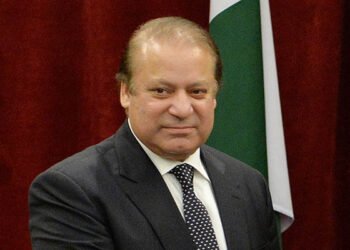
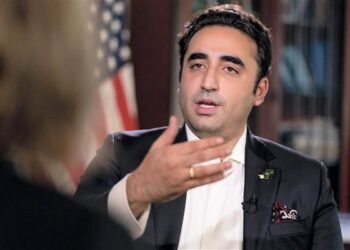
    Pakistan finds itself at a critical juncture following the recent general elections that resulted in a fractured mandate, leading to uncertainty and prolonged negotiations for the formation of a new government. With the Pakistan Muslim League-Nawaz (PML-N) and Pakistan Peoples Party (PPP) failing to reach a consensus on a power-sharing formula, the political landscape is shrouded in ambiguity, leaving the future governance of the country hanging in the balance. Bilawal Bhutto-Zardari, the chairman of PPP, has voiced concerns over the impasse in government formation, warning of a potential stalemate if there is no willingness to compromise among the political factions. His remarks come in the wake of unsuccessful talks between PPP and PML-N, where both parties have been unable to reconcile their differences and agree on key constitutional positions for a coalition government.


    The PPP’s insistence on securing significant positions such as the presidency, chairman of the Senate, and speaker of the National Assembly reflects its desire for a substantial role in the government formation process. However, this demand has faced resistance from PML-N, leading to a deadlock in negotiations. Bilawal’s unwavering stance underscores the challenges inherent in forging political alliances and underscores the complexities of Pakistan’s democratic process.


    The political stalemate has broader implications for Pakistan’s democracy and governance. Delays in government formation can undermine stability and hinder the country’s ability to address pressing issues and challenges. Moreover, it raises concerns about the efficacy of the electoral process and the ability of political parties to navigate the complexities of coalition politics.


    Meanwhile, the Pakistan Tehreek-e-Insaf (PTI), led by former Prime Minister Imran Khan, has called for the resignation of Chief Election Commissioner Sikandar Sultan Raja, alleging that he failed to ensure free, fair, and transparent elections. The PTI’s demand for the CEC’s resignation reflects growing discontent with the electoral process and underscores the need for accountability and transparency in Pakistan’s democratic institutions.


    The controversy surrounding the general elections, including allegations of widespread rigging and discrepancies, has cast a shadow over the legitimacy of the results and raised questions about the credibility of the electoral process. The prolonged uncertainty has fueled political tensions and heightened anxieties about the future direction of the country.


    As Pakistan grapples with the challenges of government formation and political instability, there is a pressing need for dialogue, consensus-building, and compromise among the political parties. The interests of the nation must take precedence over partisan interests, and leaders must demonstrate a commitment to upholding democratic principles and strengthening democratic institutions.


    The resolution of the political deadlock will require leadership, statesmanship, and a willingness to put the national interest above narrow political considerations. Only through constructive engagement and cooperation can Pakistan overcome the current impasse and chart a path towards stability, progress, and prosperity.


    Pakistan stands at a crossroads, with the outcome of the government formation process shaping the country’s trajectory in the coming years. It is imperative that political leaders demonstrate vision, integrity, and a genuine commitment to democracy to navigate the challenges and uncertainties confronting the nation.

  • Pakistan Bureaucrat Admits to Fraudulent Vote Manipulation

    Pakistan Bureaucrat Admits to Fraudulent Vote Manipulation

    The political landscape in Pakistan has been rocked by fresh allegations of poll rigging, with a senior bureaucrat admitting to overturning thousands of votes to manipulate election results. This revelation comes amid protests led by Prime Minister Imran Khan’s Pakistan Tehreek-e-Insaf (PTI) party, which alleges widespread manipulation of votes and the theft of its mandate in recent polls.


    The senior bureaucrat, Liaqat Ali Chattha, confessed to overturning the results of numerous national assembly seats by converting losers into winners through fraudulent means. He claimed to have reversed margins of up to 70,000 votes in 13 constituencies, implicating the head of the election commission and the country’s top judge in his remarks. Chattha’s shocking admission has triggered outrage and calls for accountability, with demands for a thorough investigation into the matter.


    Despite Chattha’s confession, the election commission has rejected the allegations but has pledged to conduct an inquiry into the matter. Punjab’s caretaker Chief Minister Mohsin Naqvi has also ordered an impartial probe into the rigging allegations, signaling the seriousness with which the issue is being treated at the highest levels of government.


    The bureaucrat Chattha revealed that he personally supervised the rigging of votes in Rawalpindi following the elections, where candidates from the Pakistan Muslim League-Nawaz (PML-N) and Pakistan Peoples Party (PPP) emerged victorious. This revelation has raised concerns about the integrity of the electoral process and the potential manipulation of election outcomes to favor certain political factions.


    The PML-N has dismissed the allegations as politically motivated, attributing Chattha’s actions to his supposed political allegiance. The party has called for transparency and accountability in the investigation, emphasizing the need to uphold democratic principles and ensure fair and free elections.


    The February 8 elections saw independent candidates, many backed by the PTI, winning a significant number of seats in the National Assembly. However, with no single party securing a clear majority, political maneuvering and coalition-building have become critical in determining the next government. The army-backed PML-N has announced a partnership with the PPP and other smaller parties to form the government, but the situation remains fluid, with the final outcome still uncertain.


    The allegations of poll rigging and electoral fraud have cast a shadow over Pakistan’s democratic process, highlighting the challenges and complexities inherent in conducting free and fair elections. As the country grapples with political uncertainty and allegations of misconduct, the need for transparency, accountability, and respect for democratic norms has never been more pressing. The outcome of the ongoing investigations and the subsequent actions taken will have far-reaching implications for Pakistan’s democratic future.

  • Pakistan General Election Results: Update

    Pakistan General Election Results: Update

    Pakistan’s recent general election has left the nation in a state of political deadlock, with key parties scrambling to form a new government amidst the country’s ongoing crisis. Both Nawaz Sharif’s Pakistan Muslim League (N) and Bilawal Bhutto Zardari’s Pakistan Peoples Party (PPP) failed to secure a clear majority in the 336-member National Assembly, setting the stage for intense negotiations and coalition-building efforts.


    Here are the top 10 updates on the Pakistan general election results:

    • Coalition Talks: Bilawal Bhutto-Zardari, chairman of the PPP, along with PPP President Asif Ali Zardari, held a crucial meeting with Shehbaz Sharif, president of the PML-N, on Sunday. The two parties have tentatively agreed to collaborate to prevent political instability in the country.


    • PML-N Gains Support: The PML-N, poised to lead the coalition government alongside the PPP, successfully secured the backing of the first independent candidate supported by Imran Khan’s party. This move bolsters the PML-N’s strength in Parliament.


    • PTI-Backed Candidate Joins PML-N: Wasim Qadir, backed by the Pakistan Tehreek-i-Insaf (PTI), emerged victorious against Sheikh Rohail Asghar, a prominent figure from the PML-N, in Lahore’s National Assembly-121 constituency. Following a meeting with Maryam Nawaz, daughter of Nawaz Sharif, Qadir joined the PML-N ranks.


    • MQM-P’s Involvement: A delegation from the Muttahida Qaumi Movement-Pakistan (MQM-P), which secured 17 national assembly seats, engaged in discussions with Nawaz and Shehbaz Sharif at their residence in Jati Umra Raiwind. The parties tentatively agreed to collaborate on government formation.


    • Seat Distribution: According to the Election Commission of Pakistan (ECP), PTI-backed independent candidates clinched 93 seats, followed by PML-N with 73, PPP with 54, MQM with 17, and other parties securing 19 seats out of the total 265 in the National Assembly.


    • Historic Election: The general elections, held on February 8, marked a significant milestone in Pakistan’s political landscape. Despite challenges such as the suspension of mobile and internet services, citizens demonstrated robust participation across 855 constituencies.


    • Record-Breaking Stats: The elections witnessed unprecedented figures, including a hefty budget allocation, heightened voter turnout surpassing 50% of the population, a surge in independent candidates numbering nearly 18,000, and the printing of a massive 260 million ballots.


    • Delayed Results: Contrary to expectations of swift results, unofficial tallies remained incomplete even two days post-election, sparking debates and controversies over the electoral process.


    • PTI’s Next Steps: With the outcome uncertain, all eyes are on PTI-affiliated candidates awaiting the party’s directives on their future course of action amidst the evolving political landscape.


    • Current Scenario: PTI-backed candidates lead in seat count, trailed by PML-N, PPP, and MQM-P. As political negotiations unfold, the direction of governance in the upcoming term hangs in the balance, promising significant implications for Pakistan’s trajectory.


    Pakistan’s general election results have ushered in a period of intense political maneuvering and uncertainty as parties vie for power and influence. The formation of a coalition government appears imminent, but the intricacies of coalition-building and power-sharing remain to be seen. As Pakistan navigates these turbulent waters, the nation braces itself for a new chapter in its political history.

  • PTI Calls Nationwide Protest Amidst Delayed Results

    PTI Calls Nationwide Protest Amidst Delayed Results

    Pakistan Tehreek-e-Insaf (PTI) has called for a nationwide protest on Sunday to safeguard the integrity of the vote, as independent candidates lead with 100 seats, according to ARY News. This decision was made after a core committee meeting of the party, which announced plans for “peaceful protests” across the country at 2:00 pm.


    Amidst the turmoil in Pakistan over delayed election results, reports indicate Pakistan Muslim League-Nawaz (PML-N) candidates leading or winning. Allegations of ‘rigging’ prompted many to move courts, contesting their defeat. PTI-affiliated Independent candidates also challenged results in PP-164 and NA-118 at the Lahore High Court (LHC), where Shehbaz Sharif and Hamza Shehbaz secured victory.


    Bilawal Bhutto-Zardari acknowledged that his party wouldn’t be able to form a government alone. Regarding meetings with PML-N’s Shehbaz Sharif, he stated confirmation would come once all results were available. The former Foreign Minister clarified that no independent candidate from the PTI bloc had contacted PPP leaders. He noted ongoing communication with some independents but no outreach from PTI independents.


    Shehbaz Sharif met PPP leaders Asif Ali Zardari and Bilawal Bhutto-Zardari at the residence of Punjab’s caretaker Chief Minister Mohsin Naqvi. Nawaz Sharif tasked Shehbaz Sharif with reaching out to major parties like PPP and MQM-P for potential alliances.


    Tariq Fazal Chaudhry of PML-N emerged victorious with 102,502 votes, followed by PTI-backed independent candidate Shoaib Shaheen with 86,396 votes, and independent candidate Mustafa Nawaz Khokhar with 17,916 votes. Khurram Shahzad Nawaz, a joint candidate of PML-N and Istehkam-i-Pakistan Party (IPP), won NA-48 (Islamabad-III) with 69,699 votes. PML-N clinched all three National Assembly seats in Islamabad after 16 years.


    Pakistan, with a population of 241 million, voted in a general election on Thursday amidst economic challenges and militant violence in a politically polarised environment. PML-N and PPP were the major parties in the ruling coalition post-Imran Khan’s ouster. Despite a heated electoral campaign, no party has secured a majority, necessitating potential coalition-building efforts.

  • Nawaz Sharif Returns to Pakistan After 4 Years of Exile

    Nawaz Sharif Returns to Pakistan After 4 Years of Exile

    Former Pakistan Prime Minister Nawaz Sharif has returned to Pakistan after four years of self-imposed exile. The Pakistan Muslim League-Nawaz (PML-N) supremo’s return comes after he was granted protective bail in graft cases against him, and an accountability court decided to suspend his arrest warrant.


    Nawaz Sharif expressed his joy before boarding a flight from Dubai, saying, “Today I am going to Pakistan after four years, and I am feeling very happy with the grace of Allah. It would be great if the situation in Pakistan was better today than it was in 2017.” His return is accompanied by considerable excitement within the PML-N, which has made elaborate arrangements for a grand reception in Lahore.


    The timing of Nawaz Sharif’s return is significant, as Pakistan is gearing up for general elections in January 2024. His younger brother, Shehbaz Sharif, served as Prime Minister from 2022 until earlier this year, after which the Parliament was dissolved, and a caretaker Prime Minister took over ahead of the upcoming elections.


    Nawaz Sharif’s political journey has been marked by highs and lows. He first came to power in 2013, and initially, it appeared that he might become the first Prime Minister of Pakistan to complete a full term. However, his tenure was marred by political upheavals, including an opposition-led blockade in Islamabad. As his relationship with the powerful Pakistan Army shifted, Nawaz Sharif was ousted from his post on corruption charges, opening the door for Imran Khan to assume leadership.


    After facing years of legal battles and multiple convictions, Nawaz Sharif managed to leave the country on medical grounds. The Pakistani courts repeatedly called for his surrender, but the former Prime Minister remained at large until the Pakistan Army grew dissatisfied with Imran Khan’s leadership, leading to his brother’s ascent to power.


    Nawaz Sharif’s return to Pakistan rekindles the political landscape, and his presence is likely to impact the upcoming general elections in January 2024. As the political dynamics continue to evolve, the PML-N and its supporters eagerly await the next chapter in Pakistan’s political saga.