Tag: OBCs

  • Former Bihar CM Karpoori Thakur to Receive Bharat Ratna

    Former Bihar CM Karpoori Thakur to Receive Bharat Ratna

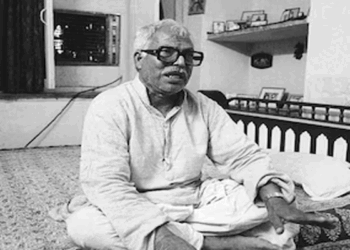
    In a significant tribute to a stalwart of social justice, former Chief Minister of Bihar, Karpoori Thakur, it has been announced that he will posthumously receive India’s highest civilian award, the Bharat Ratna. This recognition comes as the nation prepares to mark the 100th birth anniversary of the visionary leader who played a pivotal role in uplifting the backward classes in Bihar.


    Karpoori Thakur, widely hailed as the “Jan Nayak” (People’s Hero), served as the Chief Minister of Bihar from 1977 to 1979. His political journey was marked by an unwavering commitment to promoting social justice and empowering the marginalized communities in the state. One of his landmark contributions was the implementation of the recommendations of the Mungeri Lal Commission, which focused on providing reservation benefits to the Other Backward Classes (OBCs).


    The announcement from Rashtrapati Bhavan was succinct, stating, “The President has been pleased to award Bharat Ratna to Shri Karpoori Thakur (posthumously).” This acknowledgment underscores the profound impact of Thakur’s initiatives on the socio-political landscape of Bihar and the nation at large.


    Reacting to the news, Prime Minister Narendra Modi expressed his delight over the decision to confer the Bharat Ratna on Karpoori Thakur. In a post on a social media platform, PM Modi called him a “beacon of social justice” and highlighted the timing of the recognition, coinciding with Thakur’s birth centenary. The Prime Minister lauded Thakur’s enduring efforts as a champion for the marginalized, emphasizing his role as a stalwart of equality and empowerment.


    PM Modi further remarked, “His unwavering commitment to uplift the downtrodden and his visionary leadership have left an indelible mark on India’s socio-political fabric. This award not only honours his remarkable contributions but also inspires us to continue his mission of creating a more just and equitable society.”


    Karpoori Thakur’s journey towards becoming a social justice icon began in the Samastipur district of Bihar, where he actively participated in India’s freedom struggle from a young age. His commitment to the Quit India Movement saw him incarcerated alongside other freedom fighters, embodying the spirit of the fight against colonial oppression.


    Having tasted success in the 1952 elections, Thakur continued to secure victories in subsequent polls due to his modest lifestyle and his resolute dedication to social justice. His political ideology was shaped by a fervent advocacy for the rights of marginalized communities, including scheduled castes, scheduled tribes, and other backward classes.


    The implementation of OBC reservation based on the Mungeri Lal Commission’s recommendations during his tenure as Chief Minister marked a pivotal moment in Indian politics. Thakur’s vision was rooted in ensuring inclusive development and equitable opportunities for all sections of society. His policies aimed at addressing historical injustices and bridging socio-economic gaps, laying the foundation for a more just and egalitarian society.


    The announcement of the Bharat Ratna for Karpoori Thakur is particularly poignant as it precedes his 100th birth anniversary on January 24. This recognition serves not only as a tribute to his extraordinary legacy but also as a call to action for continued efforts in realizing the ideals he stood for.


    Karpoori Thakur’s posthumous Bharat Ratna is a testament to his enduring impact on India’s socio-political landscape. As the nation commemorates his birth centenary, this prestigious award not only honors his significant contributions but also serves as a reminder of the ongoing journey towards a more inclusive and equitable society that he envisioned and tirelessly worked towards during his lifetime.

  • BJP Outlines Election Strategy in Key Meeting

    BJP Outlines Election Strategy in Key Meeting

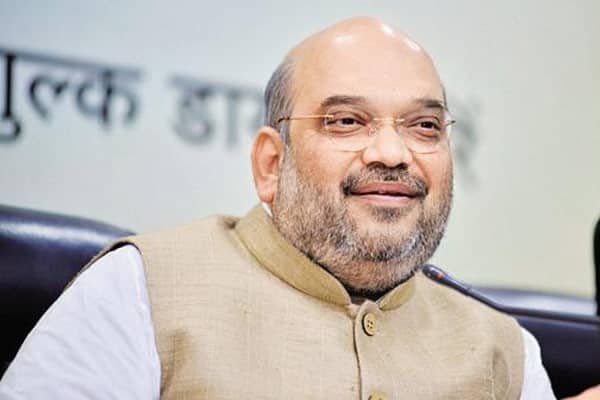
    In a significant BJP meeting attended by key leaders, including Home Minister Amit Shah and party president J P Nadda, the contours of the party’s election campaign for all 543 Lok Sabha seats were outlined. The discussions focused on reaching out to specific voter groups, including first-time voters, beneficiaries of government schemes, OBCs, SCs, STs, youths, and women.


    Addressing over 300 party leaders, Amit Shah highlighted the achievements of the Prime Minister Narendra Modi-led government since coming to power in 2014. Shah emphasized that the government has worked for the welfare of the poor, and India’s stature has significantly risen during the second term, with the country becoming the fifth-largest economy. Party general secretary Vinod Tawde quoted Shah, stating that the government’s efforts have been directed towards the well-being of the poor, and India’s global standing has seen substantial improvement.


    Shah urged party leaders to effectively communicate the numerous successes of the government to the voters. He mentioned that Prime Minister Modi has rallied the country around the idea of ‘Aatmanirbhar Bharat’ (self-reliant India), and cultural nationalism has received a significant boost. These remarks come amid nationwide fervor surrounding the consecration ceremony at the Ram temple in Ayodhya.


    The government’s commitment to making India a global power was also underscored by Shah. He called on party leaders to connect with voters, highlighting the achievements and initiatives of the government.


    In his remarks, J P Nadda emphasized the need for the BJP’s expansion across the country and urged party leaders to work towards gaining seats in states where the party had limited success in the 2019 elections. Nadda indicated the party’s openness to welcoming leaders from other parties, stating that the BJP is willing to collaborate with those who want to be part of the nationalist mainstream.


    Vinod Tawde, providing insights into the meeting, mentioned that party leaders made a tentative countdown to the Lok Sabha polls, expected in April-May based on the schedule of the 2019 national elections. The leaders are gearing up for an extensive outreach exercise to connect with voters, focusing on the “Gaon Chalein” campaign, where they will reach out to various voting groups in villages.


    Despite the recent loss of Amit Shah’s elder sister Rajeshwariben, who passed away in Mumbai, Shah attended the meeting. Her last rites were performed in Ahmedabad in the presence of family members, including Shah.


    The BJP’s strategic meetings indicate a proactive approach as the party aims for a third consecutive term in the upcoming Lok Sabha elections. With a favorable atmosphere, including enthusiasm around the Ram temple consecration, recent wins in assembly polls, and perceived disarray in the opposition camp, the BJP believes it is well-positioned for success in the upcoming elections.