Tag: Netherlands

  • Hostage Drama in the Netherlands Ends Peacefully

    Hostage Drama in the Netherlands Ends Peacefully

    On Saturday, a tense hostage situation unfolded in the Netherlands, gripping the town of Ede in apprehension for several hours. Fortunately, the ordeal concluded without any bloodshed as all hostages were safely freed, and the police successfully apprehended the suspect responsible for the disturbance.


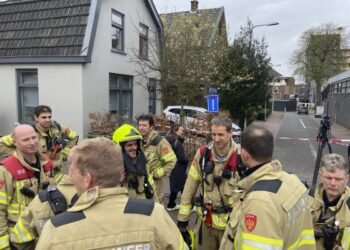
    Authorities swiftly responded to the incident, which occurred at a nightspot frequented by young people in the town of Ede. The situation began when a man described as “confused” barged into a cafe in the early hours of Saturday morning, brandishing threats and holding four individuals hostage.


    The gravity of the situation prompted a robust deployment of law enforcement resources, including riot police and explosives experts. The immediate priority was to ensure the safety of the hostages and neutralize the threat posed by the suspect.


    As the situation unfolded, the town center was cleared, and approximately 150 buildings in the vicinity of the cafe were evacuated as a precautionary measure. The police’s decisive actions aimed to contain the situation and minimize the risk to civilians.


    Throughout the ordeal, updates were shared by the authorities on social media platforms, notably X (formerly Twitter), providing the public with real-time information and reassurance amid the unfolding events. Police statements indicated that there was no indication of a “terrorist motive” behind the hostage situation, offering some relief to the concerned community.


    Amid the tension, a glimmer of hope emerged as the hostages were gradually released by the suspect. Reports from local media outlets detailed the initial release of three individuals, captured in poignant images showing them exiting the cafe with their hands raised in surrender.


    Following intense negotiations and tactical maneuvers by law enforcement, the fourth and final hostage was freed unharmed. With all hostages safely accounted for, the focus shifted to apprehending the suspect responsible for the ordeal.


    In a swift and coordinated operation, the police moved to arrest the suspected hostage-taker. Dramatic scenes unfolded as images broadcast by the NOS public broadcaster depicted the suspect being detained by law enforcement officers, his hands bound behind his back with handcuffs.


    The resolution of the hostage crisis was met with relief and gratitude from the local community and authorities alike. Ede Mayor Rene Verhulst expressed empathy for all those affected by the traumatic ordeal, extending his thoughts to the hostages and their loved ones. He hoped for a swift and safe resolution to the situation, reflecting the collective sentiment of the town’s residents.


    While the incident concluded peacefully, it serves as a stark reminder of the unpredictable nature of such crises and the critical role played by law enforcement in managing and resolving them effectively. The successful outcome underscores the importance of preparedness, coordination, and decisive action in responding to high-stakes situations.


    This incident is not the first of its kind in the Netherlands, albeit relatively rare compared to other European countries. In recent years, the country has experienced isolated incidents of violence and hostage situations, prompting heightened vigilance and security measures.


    Notably, in 2019, the Netherlands was rocked by a shooting spree on a tram in the city of Utrecht, resulting in multiple casualties. While such incidents are unsettling, they serve as sobering reminders of the ongoing threat posed by acts of violence and extremism in contemporary society.


    Despite the challenges posed by such incidents, the resolve and resilience of communities, coupled with the swift and coordinated response of law enforcement agencies, play a pivotal role in mitigating the impact and ensuring the safety and security of citizens. As the town of Ede recovers from this harrowing experience, the successful resolution of the hostage crisis serves as a testament to the courage and professionalism of those involved in managing the situation.

  • Dutch Activist Criticizes Government’s Security Deal with Ukraine

    Dutch Activist Criticizes Government’s Security Deal with Ukraine

    Dutch activist Eva Vlaardingerbroek’s recent criticism of her government’s 10-year security deal with Ukraine has sparked controversy and drawn attention from various quarters. Vlaardingerbroek expressed her dismay over the agreement, claiming that the Dutch people were not consulted before committing to long-term financial and military support for Ukraine. Her sentiments were echoed by tech billionaire Elon Musk, who questioned the legality of the government’s actions.


    In her statement shared on social media platform X, Vlaardingerbroek accused the Dutch caretaker government, led by Prime Minister Mark Rutte, of signing a “security agreement” with Ukraine without seeking the opinion of the Dutch people. She expressed concern that Rutte’s administration was drawing from the Dutch wallet to support Ukraine, with little transparency or accountability. Vlaardingerbroek also speculated about Rutte’s potential ambitions to become Secretary General of NATO, suggesting that the security deal could be a strategic move in that direction.


    Elon Musk, known for his outspoken views on various global issues, weighed in on the controversy surrounding the Dutch-Ukraine security deal. Musk questioned the legal authority of Rutte’s government to commit to such a long-term agreement without proper consultation or approval. His comment added fuel to the debate, amplifying Vlaardingerbroek’s criticism and drawing attention to the lack of public input in the decision-making process.


    The 10-year security deal between the Netherlands and Ukraine has raised eyebrows and generated mixed reactions. Dutch officials announced the agreement as a signal of their long-term commitment to supporting Ukraine in areas such as security, defense, reconstruction, and justice. The deal comes at a time when Ukraine is facing ongoing security challenges, particularly in the wake of Russia’s invasion and occupation of Ukrainian territories.


    According to the Dutch foreign ministry, the agreement signifies the Netherlands’ solidarity with Ukraine and its efforts to bolster the country’s defenses against Russian aggression. The deal is part of broader international efforts to support Ukraine’s sovereignty and territorial integrity in the face of external threats.


    Prime Minister Mark Rutte, who is considered a strong ally of Ukraine and a leading candidate for the next Secretary General of NATO, welcomed the agreement as “good news.” He emphasized that the deal sends a clear message of support to Ukraine and underscores the Netherlands’ commitment to standing by its ally in challenging times.


    However, critics like Vlaardingerbroek and Musk have raised valid concerns about the lack of transparency and public consultation surrounding the security deal. They argue that decisions of such magnitude, which involve significant financial and military commitments, should be subject to democratic scrutiny and debate. By bypassing the Dutch people’s input, the government risks undermining public trust and accountability.


    The Netherlands has pledged substantial military aid to Ukraine as part of the security deal, including financial support and the provision of military equipment. This support is crucial for Ukraine’s defense capabilities, especially in light of ongoing security threats from Russia. The Dutch government has committed to delivering essential military hardware, including F-16 combat jets, tanks, artillery, ammunition, and drones, to bolster Ukraine’s ability to defend itself against external aggression.


    As the controversy over the Dutch-Ukraine security deal continues to unfold, it underscores the complex dynamics of international relations and the importance of transparency, accountability, and public engagement in decision-making processes. Critics like Eva Vlaardingerbroek and Elon Musk serve as voices of dissent, challenging government actions and advocating for greater democratic oversight and accountability in matters of national security and foreign policy.

  • Violent Clash Erupts Between Eritrean Groups in The Hague

    Violent Clash Erupts Between Eritrean Groups in The Hague

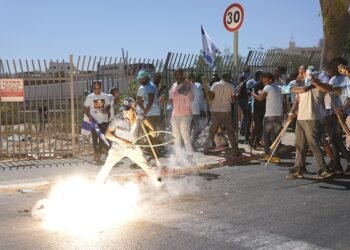
    A violent clash erupted between two rival groups of Eritreans in the Netherlands on Saturday night, resulting in chaos and destruction in The Hague. According to reports from the Associated Press (AP), the confrontation escalated to the point where tear gas had to be deployed by the police to restore order as rioters set fire to police cars and a bus.


    Images captured from the scene depicted vehicles engulfed in flames and numerous individuals engaged in street brawls, with some hurling rocks amid the turmoil. The intensity of the situation prompted Robin Middel, a spokesman for The Hague Municipality, to remark that the situation “got seriously out of hand.”


    The conflict reportedly originated from a gathering held by a group supportive of the Eritrean government, which was targeted by individuals opposing the administration of the African nation. The precise cause of the altercation remains unclear, but tensions between the two factions evidently boiled over into violence.


    Kristianne van Blanken, a spokeswoman for the police, stated that it was not immediately known if anyone sustained injuries during the clashes or if any rioters were apprehended. The incident in The Hague is the latest in a series of violent episodes that have marred Eritrean events in Europe.


    In September 2023, a cultural festival in the German city of Stuttgart descended into chaos, resulting in numerous injuries, including at least 26 police officers. Similarly, a confrontation between Eritrean government supporters and opponents in Tel Aviv led to violent street clashes among African asylum-seekers and migrants.


    The tensions within the Eritrean diaspora reflect deep-seated divisions between those who remain aligned with the government of President Isaias Afwerki and those who have fled the country, citing grievances against the repressive regime. The clashes underscore the complexities and challenges faced by Eritrean communities abroad, where political allegiances and personal experiences converge to fuel discord and unrest.


    As authorities work to investigate the incident in The Hague and maintain public safety, the clashes serve as a stark reminder of the ongoing struggles within the Eritrean diaspora and the need for constructive dialogue and reconciliation to address underlying grievances and promote peace.

  • Samarawickrama Guides Sri Lanka to Victory Over Netherlands

    Samarawickrama Guides Sri Lanka to Victory Over Netherlands

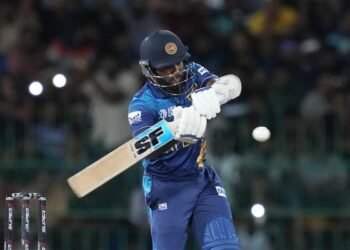
    In a thrilling ICC World Cup encounter, Sadeera Samarawickrama displayed unwavering composure as he guided Sri Lanka to a clinical five-wicket win over the Netherlands. This victory marked Sri Lanka’s first win in the tournament, ending their streak of three consecutive losses.


    The Netherlands, opting to bat, had a rocky start but witnessed a remarkable recovery led by South African-born Sybrand Engelbrecht and Logan van Beek. The duo’s maiden half-centuries allowed the Netherlands to post a competitive total of 262. However, the Dutch off-spinner Aryan Dutt (3/44) posed early challenges for Sri Lanka by dismissing Kusal Perera (5) and skipper Kusal Mendis (8) within the powerplay.


    Sri Lanka, determined to secure their first win, never lost sight of their target, with Samarawickrama anchoring their chase with a well-deserved half-century, his sixth in ODIs. Lending solidity to the middle-order, Samarawickrama’s unbeaten knock of 91, completed with composure, ensured Sri Lanka’s victory with 10 balls to spare.


    Pathum Nissanka (54; 52 balls) contributed with his third consecutive half-century, setting the stage for Samarawickrama and Charith Asalanka to take the chase away from the Netherlands in a pivotal 77-run fourth-wicket partnership.


    The Dutch bowlers, who executed a remarkable upset against South Africa earlier, failed to maintain the same control in this game. Their bowling was inconsistent, and they struggled to build pressure on the Lankan batters. Asalanka, with two boundaries and the only six of the innings, added momentum to the chase.


    Although Aryan Dutt managed to break the partnership by dismissing Asalanka, the required run-rate was well within Sri Lanka’s reach, with 82 runs required off 104 balls. Dhananjaya de Silva played sensibly, rotating the strike to support Samarawickrama.


    Samarawickrama and De Silva couldn’t complete the chase as De Silva was bowled by Colin Ackermann. However, there were no further hiccups in the Lankan innings, and Dushan Hemantha hit the winning runs in the penultimate over.


    Earlier, Sybrand Engelbrecht led a remarkable recovery for the Netherlands, defying a poor start and contributing a gritty 70 runs. Engelbrecht’s partnership with Logan van Beek, who secured a maiden half-century, played a pivotal role in the Netherlands’ comeback after being reduced to 91 for six.


    Sri Lankan bowlers Kasun Rajitha (4/50) and Dilshan Madushanka (4/49) were the standout performers, but the lack of support from the other end allowed the Dutchmen to make rapid progress.


    Engelbrecht’s journey to top-tier cricket is a remarkable story of resilience and a return to the sport after pursuing an MBA and slipping into oblivion. He retired from all forms of cricket in 2016, only to make a comeback for the Netherlands in 2021. His experience and composure during this match played a pivotal role in the Netherlands’ fightback.


    The clash between these two bottom-rung teams showcased the unpredictable nature of cricket, with Sri Lanka ultimately emerging victorious, securing their first win in the ICC World Cup.

  • Twin Shootings in Rotterdam Result in Two Fatalities

    Twin Shootings in Rotterdam Result in Two Fatalities

    Twin shootings in Rotterdam, Netherlands, have resulted in two fatalities, according to local police. The tragic incident unfolded when a gunman dressed in combat gear opened fire in a flat in the Dutch city. The shooter then proceeded to enter a nearby medical center, where fires subsequently broke out. Fortunately, the fires were later extinguished.


    In a statement posted on X, formerly Twitter, the Rotterdam city police confirmed the fatalities, saying, “The two shooting incidents in Rotterdam have resulted in fatalities. We will first inform family and relatives and will explain more later.”


    Elite police units swiftly entered the hospital in Rotterdam in pursuit of the suspect, who was armed with a handgun, according to authorities. The suspected shooter is a 32-year-old individual, and at this point, the motive behind the attack remains unknown. Local news agency ANP, citing police sources, reported that the suspect is believed to have carried out both shootings, and there is no second shooter involved.


    Images from the scene depicted people evacuating the hospital, including medical staff and patients, as police officers in body armor mobilized on-site. Police helicopters were seen flying overhead.


    Earlier reports described the suspect as wearing “combat-style” clothing, tall, with black hair, and carrying a backpack.


    Witnesses recounted the chaos and panic that ensued. A medical student cited by RTL Nieuws reported, “First there was a shooting on the fourth floor. Four or five shots were fired. Then a Molotov cocktail was thrown into the education center.” Another eyewitness, as cited by public broadcaster NOS, said, “There was a lot of panic and screaming… I didn’t hear any shots, just the panic, and that’s what I started to act on.”


    Notably, Rotterdam has witnessed shootings in the past, often attributed to score-settling among rival drug gangs. Authorities are expected to hold a news conference to provide further details on the incident.


    The Netherlands has experienced incidents of violence in the past, including a 2019 tram shooting in Utrecht, which resulted in three deaths, and a 2011 rampage in a shopping mall by Tristan van der Vlis, which left six people dead and ten others injured, shocking the country.

  • Quarter Final Netherland v. Spain:  FIFA Women’s World Cup

    Quarter Final Netherland v. Spain: FIFA Women’s World Cup

    The Netherlands women’s football team has advanced to the quarter finals of the FIFA Women’s World Cup following a convincing 2-0 victory over South Africa on Sunday. The Dutch side will now face Spain in the upcoming quarter-final match.


    Jill Roord opened the scoring for the Netherlands with a goal in the ninth minute, giving her team an early advantage. Despite a spirited effort from South Africa, the Dutch defense remained resolute throughout the match.


    In the 68th minute, Lineth Beerensteyn took advantage of a goalkeeping error by Kaylin Swart, nearly securing the victory for her side.


    This milestone victory marks the first time South Africa, ranked 54th in the world, has reached the knockout stages of a FIFA Women’s World Cup. The South African team displayed commendable attacking efforts, with striker Thembi Kgatlana posing a consistent threat to the Dutch side. However, they were unable to capitalize on their chances.


    Both teams faced challenges during the match, with South Africa experiencing injuries to Jermaine Seoposenwe and Bambanani Mbane. Mbane was stretchered off the field with an ankle injury.


    On the other hand, Spain secured their place in the quarter finals with a dominant 5-1 win over Switzerland on the previous day.


    The quarter-final match between Spain and Netherlands is scheduled to take place at the Wellington Regional Stadium on Friday, August 11, starting at 6:30 am. Indian football fans can catch the action on DD Sports on TV or live-stream the match via FanCode. The clash promises to be an exciting contest as both teams compete for a spot in the semi-finals of the FIFA Women’s World Cup.