Tag: Netflix

  • CBI Seeks Injunction Against Documentary on Sheena Bora Case

    CBI Seeks Injunction Against Documentary on Sheena Bora Case

    The Central Bureau of Investigation (CBI) has taken legal action against the upcoming airing of a documentary series centered around Indrani Mukerjea, the primary accused in the notorious Sheena Bora murder case. Titled ‘The Indrani Mukerjea Story: The Buried Truth,’ the series delves into the events surrounding the disappearance and subsequent murder of 25-year-old Sheena Bora.


    Set to premiere on Netflix on February 23, the series has sparked concerns regarding its potential impact on the ongoing trial. In response, the CBI has filed a plea with a special court in Mumbai, represented by public prosecutor CJ Nandode, seeking an injunction to halt the airing of the documentary until the trial concludes.


    The plea requests the court to issue directions to the accused and other relevant parties to refrain from featuring in the documentary or its broadcast on any platform until the trial reaches its conclusion. The CBI aims to prevent any potential interference with the legal proceedings by ensuring that the accused and related individuals do not participate in the documentary’s production or distribution.


    The court, presided over by CBI Special Judge SP Naik-Nimbalkar, has summoned Netflix Entertainment Services India and other involved parties to respond to the application on February 20. This legal action underscores the sensitivity and complexity of the Sheena Bora murder case, which has captivated the nation since its inception.


    The case dates back to April 2012 when Sheena Bora, the daughter of Indrani Mukerjea from a previous relationship, was allegedly murdered by Mukerjea, her former driver Shyamvar Rai, and ex-husband Sanjeev Khanna. Bora’s burnt remains were discovered in a forest in the Raigad district, leading to a widespread investigation into her disappearance.


    The case gained significant attention in 2015 when Rai confessed to the crime following his arrest in an unrelated case. Subsequently, Indrani Mukerjea was apprehended and granted bail in May 2022. Meanwhile, Rai, Khanna, and Peter Mukerjea, Indrani’s former husband, are also out on bail as the legal proceedings continue to unfold.


    The airing of a documentary series focusing on such a high-profile and sensitive case raises ethical and legal questions regarding its potential impact on the trial. The CBI’s intervention underscores the need to maintain the integrity and impartiality of the judicial process, ensuring that the accused receive a fair trial without any external influences.


    As the legal battle continues, the nation awaits the outcome of the court’s decision regarding the airing of the documentary. The case serves as a stark reminder of the complexities surrounding criminal investigations and the quest for justice in high-profile cases that capture public attention.

  • Wild Karnataka: SC Stays Contempt Proceedings Against Netflix

    Wild Karnataka: SC Stays Contempt Proceedings Against Netflix

    In a significant development, the Supreme Court on Thursday intervened in the contempt proceedings initiated by the Karnataka High Court against streaming giant Netflix for the broadcast of the documentary film ‘Wild Karnataka.’ Despite the high court’s prior order prohibiting its telecast, the Supreme Court stayed the contempt proceedings and directed Netflix to deposit the earnings from the film into a fund dedicated to wildlife conservation.


    The Chief Justice of India, DY Chandrachud, questioned the rationale behind pursuing a contempt case against Netflix, emphasizing that the footage was promptly removed. The apex court’s decision raises questions about the legal implications of such cases and the need for a balanced approach.


    The Karnataka High Court had on January 8 decided to frame charges against the creators of the documentary – Sarath Champati, Kalyan Varma, and Amoghavarsha J S, along with representatives of the UK-based producer Icon Films Ltd, distributor ITV Studios Global Distribution Ltd, and representatives from television channels Discovery India and BBC United Kingdom, Discovery Communications India, and Netflix Entertainment Services India LLP.


    The high court’s decision was based on the allegation that, despite an interim order, the accused entered into a memorandum of understanding (MoU) with the forest department, filmed footage, and sold rights to others. The documentary continued to be streamed until December 2023, leading to the complainant claiming wilful disobedience of the court’s order.


    The issue originated with an interim order issued on June 29, 2021, by the Karnataka High Court following a petition by Ravindra N Redkar and Ullash Kumar. The order prohibited the filmmakers and platforms involved from engaging in any use, publication, reproduction, broadcasting, telecasting, marketing, selling, or dealing with the film and its raw footage obtained from the forest department.


    Despite the film’s intended non-profit nature for conservation and educational purposes, the petitioners argued that the filmmakers commercially profited from it without the approval of the Karnataka Forest Department (KFD). They claimed that the film, which was distributed globally, resulted in substantial profits for the individuals involved, without contributing to the Tiger Reserve Fund. Furthermore, KFD officials allegedly waived shooting fees and deposits, and the state’s vehicles and drivers were utilized without appropriate compensation.


    The Supreme Court’s intervention brings into focus the challenges associated with legal proceedings involving content dissemination, especially when the content is intended for conservation and educational purposes. It prompts a reexamination of the balance between artistic freedom, conservation efforts, and adherence to court orders.


    While the Supreme Court’s decision to stay the contempt proceedings acknowledges the removal of the contentious footage, it also emphasizes the need for platforms to operate within the bounds of court orders. The direction to deposit earnings into a wildlife conservation fund reflects a proactive approach to link content-related disputes with broader societal and environmental concerns.


    As legal battles over content continue to evolve, this case sets a precedent for addressing conflicts between artistic expression and regulatory frameworks. It underscores the significance of aligning creative endeavors with legal obligations and societal responsibilities, especially when dealing with content related to environmental conservation.


    The Supreme Court’s intervention in the Netflix ‘Wild Karnataka’ case not only stays contempt proceedings but also introduces a dimension of social responsibility by directing earnings toward wildlife conservation. This development marks a nuanced approach to content-related disputes, recognizing the dual objectives of artistic expression and environmental preservation.

  • Netflix Secures Exclusive Streaming Rights for WWE Raw

    Netflix Secures Exclusive Streaming Rights for WWE Raw

    In a groundbreaking move, Netflix has secured exclusive streaming rights for WWE’s flagship global wrestling show, WWE Raw, starting January 2025. The deal, worth $5 billion according to Reuters, marks a significant shift for the 31-year-old wrestling show, which will be leaving linear television for the first time in its history.


    Currently, WWE Raw airs on US television every Monday night at 8 pm (Eastern Time) and is part of WWE’s deal with NBC, which expires in October. After the expiration of the current deal, WWE Raw will stream exclusively on Netflix in the US, Latin America, the UK, and Canada. Although the deal covers streaming rights in these regions, Netflix has hinted that additional countries and regions may be added over time. Notably, WWE broadcast rights in India are currently held by Sony India, and it remains uncertain if WWE Raw will be available on Netflix in the country.


    As part of the deal, all WWE documentaries, shows, and specials outside the US will now be available on Netflix, including other weekly shows like SmackDown and NXT, along with major events like WrestleMania, SummerSlam, and Royal Rumble. This move expands Netflix’s sports-related content and offers subscribers access to a broad range of WWE programming beyond WWE Raw.


    Netflix Chief Content Officer Bela Bajaria expressed excitement about the partnership, stating, “We are excited to have WWE Raw, with its huge and passionate multigenerational fan base, on Netflix. By combining our reach, recommendations, and fandom with WWE, we’ll be able to deliver more joy and value for their audiences and our members. Raw is the best of sports entertainment, blending great characters and storytelling with live action 52 weeks a year, and we’re thrilled to be in this long-term partnership with WWE.”


    The long-term nature of the deal signifies a departure for WWE Raw, which has been a fixture on linear television for over three decades. WWE President Nick Khan highlighted Netflix’s success in storytelling and positioned the streaming giant as the ideal home for Raw’s live and ever-growing fan base. Khan stated, “In its relatively short history, Netflix has engineered a phenomenal track record for storytelling. We believe Netflix, as one of the world’s leading entertainment brands, is the ideal long-term home for Raw’s live, loyal, and ever-growing fan base.”


    This move comes as part of Netflix’s broader strategy to expand its live-streaming offerings. While Netflix has previously experimented with live events, such as the comedy special “Chris Rock: Selective Outrage” and the “Love Is Blind” reunion special, WWE Raw presents a new challenge as it involves year-long live-streaming, a format distinct from Netflix’s traditional on-demand content.


    The deal with WWE Raw showcases Netflix’s ambition to diversify its content library and cater to sports enthusiasts. While there were reports of Netflix considering a bid for Formula 1 World Championship rights before the racing series renewed with ESPN, the streaming giant has already collaborated with Formula 1 for the popular documentary series “Formula 1: Drive to Survive.”


    As Netflix ventures into live sports streaming with WWE Raw, it will likely face challenges in ensuring a seamless live-streaming experience for wrestling fans accustomed to the fast-paced, dynamic nature of the sport. The success of this endeavor could potentially open doors for Netflix to explore more live sports content in the future, further expanding its offerings beyond traditional on-demand entertainment.


    Netflix’s acquisition of exclusive streaming rights for WWE Raw represents a groundbreaking development in the entertainment landscape, signaling a shift in how sports entertainment is consumed. As Netflix continues to diversify its content and explore live-streaming opportunities, WWE Raw’s move to the streaming platform marks a significant moment for both the streaming giant and the wrestling community. Wrestling fans worldwide will now have a new platform to engage with their favorite shows and events, marking a dynamic evolution in the way sports entertainment reaches audiences globally.

  • Netflix to Stream Ranbir Kapoor’s “Animal”

    Netflix to Stream Ranbir Kapoor’s “Animal”

    Netflix is poised to stream the much-anticipated Ranbir Kapoor starrer “Animal” after a legal dispute between co-producers CINE 1 Studios Private Limited and T-Series reached a resolution. The disagreement centered around alleged contractual breaches, with CINE 1 Studios seeking to delay the film’s OTT launch, claiming T-Series breached the contract.


    The legal tangle involved disputes over equal ownership, certain rights, unauthorized movie releases, production expenditures, promotional activities, and a lack of consultation between the co-producers. CINE 1 Studios accused T-Series of financial misconduct, including withholding revenue and not disclosing production costs.


    The breakthrough in the dispute emerged on January 22, with senior advocates representing both parties confirming a settlement. The parties agreed to present this agreement to the Delhi High Court, and Justice Sanjeev Narula acknowledged the development. The court is set to revisit the case on January 24.


    CINE 1 Studios had earlier claimed that T-Series ignored contractual terms related to equal ownership and certain rights. The allegations included unauthorized movie releases, unapproved spending on production, promotion without consultation, and a breach of the agreed-upon terms.


    In response to these claims, T-Series accused CINE 1 Studios of concealing a crucial document that allegedly showed CINE 1 relinquishing film rights for ₹2.2 crore. However, CINE 1 dismissed this document as forged.


    The resolution of the legal dispute clears the path for the OTT release of “Animal” on Netflix. The streaming platform is set to release an extended cut of the film, following the trend of presenting extended versions of Bollywood movies on OTT platforms. Earlier, Netflix released an extended cut of Shah Rukh Khan’s “Jawan,” and other platforms, like Disney+ Hotstar, released an extended version of Ranbir Kapoor’s “Brahmastra Part One: Shiva.”


    Sandeep Reddy Vanga, the director of “Animal,” expressed regret over cutting around 8-10 minutes of the movie during its theatrical release. He mentioned re-editing the movie for Netflix, indicating that the extended cut would include scenes edited out earlier.


    The film faced pre-release censorship issues, with the Central Board of Film Certification (CBFC) asking the makers to delete close-up shots of intimate scenes between Ranbir Kapoor and Tripti Dimri. However, the Netflix version is expected to include scenes without CBFC certification, providing viewers with an extended and uncut experience. “Animal” is scheduled to start streaming on Netflix on January 26.

  • Salaar: Part 1 – Ceasefire OTT Release Details

    Salaar: Part 1 – Ceasefire OTT Release Details

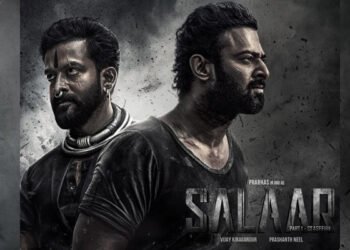
    “Salaar: Part 1 – Ceasefire,” the highly anticipated dystopian action film directed by Prashanth Neel, featuring a stellar cast including Prabhas, Prithviraj Sukumaran, and Meenakshi Chaudhary, has made its OTT debut on Netflix from January 20. The film, produced by Hombale Films, comes with a catch for the audience eagerly awaiting its Hindi version—it is currently available on the OTT platform in Telugu (original), Kannada, Tamil, and Malayalam. However, the release date for the Hindi version remains undisclosed, leaving Hindi-speaking fans in anticipation.


    This unique release strategy raises questions about the distribution of different language versions on separate platforms, a trend observed in the past with movies like “Kantara,” also produced by Hombale Films. “Kantara,” a Kannada all-time blockbuster, achieved remarkable success, grossing over ₹400 crore at the box office despite a production cost of ₹16 crore. During its OTT release, the movie took a distinctive approach by releasing the Kannada, Tamil, Telugu, and Malayalam versions on Amazon Prime Video, while the Hindi version found its home on Netflix. It appears that “Salaar” is following a similar pattern, emphasizing the strategic decisions made by production houses for language-specific releases on different platforms.


    However, the exact reason for this approach is not entirely clear, as the Netflix trailer for “Salaar” does not explicitly mention the Hindi version. It remains to be seen whether the Hindi version will indeed be released on Netflix or if a different platform will host its debut.


    Interestingly, this language-centric distribution strategy is not exclusive to “Salaar” and “Kantara.” Another notable film from Hombale Films, “K.G.F. Chapter 1,” directed by Prashanth Neel, also employed a similar approach. The film, available in both Kannada and Hindi, can be streamed on Amazon Prime Video. Notably, the Bengali version of “K.G.F. Chapter 1” is available on Disney+ Hotstar. Its sequel, “K.G.F. Chapter 2,” expands its reach by streaming on Amazon Prime Video in multiple languages, including Kannada, Hindi, Tamil, Malayalam, and Telugu.


    Turning attention to the film’s box office performance, “Salaar” has made an impressive mark. With an estimated budget of around ₹200 crore, the movie has garnered a staggering ₹613.1 crore worldwide. The India net collection stands at ₹405.13 crore, while the overseas market has contributed ₹134 crore to its success. Despite facing direct competition with Shah Rukh Khan’s Bollywood venture, “Dunki,” directed by Rajkumar Hirani, “Salaar” has managed to outshine it at the global box office, with “Dunki” earning ₹445.4 crore worldwide.


    As the film continues to captivate audiences with its dystopian narrative and high-octane action sequences, the delayed release of the Hindi version adds an element of suspense and anticipation. Fans eagerly await further updates on the release date and platform for the Hindi version of “Salaar: Part 1 – Ceasefire,” expecting it to follow the trend set by its predecessors in finding its home on a different OTT platform. In the dynamic landscape of film distribution, these strategic decisions contribute to the overall success and reach of a movie, catering to diverse language preferences of the audience.

  • Cine1 Studios Seeks Delhi HC’s Intervention to Block Animal

    Cine1 Studios Seeks Delhi HC’s Intervention to Block Animal

    Cine1 Studios, one of the co-producers of Ranbir Kapoor’s latest movie “Animal,” has taken legal action to block the film’s release on the streaming platform Netflix. The move is a result of an alleged breach of contract and non-payment by T-Series, another co-producer of the film.


    In the lawsuit filed with the Delhi High Court, Cine1 Studios claims that there has been a violation of the agreement with T-Series, which included terms related to a 35% profit share and intellectual property rights in the movie “Animal.” The legal dispute also involves accusations that T-Series proceeded without proper approval from Cine1 Studios in various aspects of the film’s production, promotion, and release.


    One of the key contentions from Cine1 Studios is the accusation that T-Series failed to honor the profit-sharing agreement, neglecting to provide the financial compensation that was agreed upon despite the success of the film at the box office. “Animal,” a crime action drama directed by Sandeep Reddy Vanga, has reportedly grossed over ₹900 crores globally since its release on December 1, 2023.


    In addition to the profit-sharing dispute, Cine1 Studios is contesting T-Series’ announcement of a sequel titled “Animal Park.” The production company claims that their rights extend to derivative works like sequels and that their approval should have been sought by T-Series before making such announcements.


    During the hearing on Monday, T-Series’ advocate, Amit Sibal, presented evidence suggesting that Cine1 Studios had waived its rights to the film for ₹2.2 crore. This information, according to T-Series, was allegedly concealed by Cine1 Studios. The revelation has raised doubts about the validity of the claims made by Cine1 Studios and has been used to argue that they may not be entitled to legal remedies.


    The court has asked Cine1 Studios’ counsel, Sandeep Sethi, to clarify the nature of the document related to the waiver of rights. The next hearing for the case is scheduled for January 18, where further details of the legal dispute are expected to be discussed.


    “Animal” has been in the limelight not only for its box office success but also for facing criticism due to its controversial content, which includes themes of misogyny and violence. The legal battle between the co-producers adds another layer of complexity to the film’s journey, and the outcome of the court proceedings will determine the fate of the movie’s release on Netflix.


    The dispute highlights the challenges and complexities involved in the production and distribution of films in the Indian entertainment industry. Collaborations between multiple production companies often require intricate agreements and a clear understanding of roles, responsibilities, and profit-sharing arrangements. When disagreements arise, legal battles can ensue, potentially impacting the release and future prospects of a film.


    As the case unfolds, the Delhi High Court will play a crucial role in adjudicating the conflicting claims and determining the rights and obligations of the involved parties. The outcome will not only impact the release of “Animal” on Netflix but may also set a precedent for similar disputes in the Indian film industry.


    For the audience and fans of Ranbir Kapoor, “Animal” remains highly anticipated, and the legal developments surrounding its release will undoubtedly be closely watched. In the ever-evolving landscape of the entertainment industry, legal battles have become an integral part of the narrative, adding twists and turns to the stories both on and off the screen.

  • Controversial Tamil Movie “Annapoorani” Faces Backlash

    Controversial Tamil Movie “Annapoorani” Faces Backlash

    The Tamil movie “Annapoorani,” featuring Nayanthara, has become embroiled in controversy due to alleged anti-Hindu scenes, leading to its removal from Netflix and the filing of an FIR in Madhya Pradesh. The controversy has sparked outrage on social media, with right-wing groups expressing anger and calling for legal action against the filmmakers.


    The movie, released on December 1 and made available on Netflix on December 29, faced severe criticism for scenes that were deemed offensive to Hindu sentiments. Following the backlash, Netflix took down the movie, and an FIR was filed against the filmmakers in Madhya Pradesh.


    Amid the ongoing controversy, Zee Studios, one of the co-producers of “Annapoorani,” issued an apology to address concerns about the movie’s alleged anti-Hindu content. In the statement, the production house clarified that the film was not intended to hurt the sentiments of Hindus and Brahmins. Zee Studios also announced that the movie would not be reinstated on Netflix until the controversial scenes are edited to address the objections raised.


    The controversy surrounding “Annapoorani” escalated when social media users, particularly from right-wing circles, expressed their displeasure with the movie’s content. Many users took to platforms like X (formerly Twitter) to criticize specific scenes that they found objectionable.


    One of the key issues raised by critics was the portrayal of a daughter of a Hindu Poojari offering Namaz to cook Biryani in the movie. Additionally, concerns were raised about the promotion of Love Jihad in the film, with accusations that it featured a character persuading the actress to eat meat by claiming that Lord Ram was also a meat eater.


    The FIR filed in Madhya Pradesh named several individuals associated with the movie, including Jawan-actress Nayanthara, Jai, Nilesh Krishna, Jatin Sethi of Naad Studios, R Ravindran of Trident Arts, Punit Goenka of Zee Studios, and Shariq Patel and Monika Shergil of Netflix India.


    Social media became a battleground for the controversy, with right-wing users expressing their anger and disappointment over the alleged anti-Hindu content. Calls for legal action and protests against the movie were initiated by various right-wing groups in response to the perceived offense to Hindu sentiments.


    A user on X posted, “Afternoon I had a great Dum Biryani in a friend’s house who are staunch #Hindus. They didn’t do Namaz like #Nayanthara in #Annapoorani yet it tasted best. Can @NayantharaU let us know what extra ingredient there in Namaz that my friend’s mom didn’t know.”


    The apology issued by Zee Studios reflects an acknowledgment of the concerns raised by the audience and a commitment to addressing the controversial aspects of the movie. The decision to edit the scenes before reintroducing the film on Netflix indicates an effort to find a resolution that aligns with the sentiments of the viewers.


    The “Annapoorani” controversy adds to the ongoing debates around artistic expression, religious sensitivity, and the responsibility of filmmakers to navigate cultural and religious themes responsibly. As the controversy unfolds, the industry and its audiences grapple with the delicate balance between creative freedom and the need to avoid perpetuating narratives that may be deemed offensive to certain communities.


    The aftermath of the controversy will likely have implications for the way filmmakers approach the portrayal of religious and cultural themes in their work, emphasizing the importance of sensitivity and a nuanced understanding of diverse perspectives. The incident also underscores the influence of social media in amplifying public reactions and shaping the discourse around cinematic content, contributing to a broader conversation on the intersection of art, culture, and communal sensitivities.

  • Prince William ‘Furious’ Over Prince Harry’s Netflix Deal

    Prince William ‘Furious’ Over Prince Harry’s Netflix Deal

    Prince William’s discontent with Prince Harry’s involvement with Netflix has reportedly reached new heights, with the Duke of Cambridge allegedly feeling that the royal family has been ruthlessly exploited by the streaming giant. According to a source cited by The Daily Beast, William is not pleased with Harry’s partnership with Netflix.


    Harry and Meghan Markle’s multi-million-dollar deal with Netflix has been a subject of controversy and debate. The streaming platform is set to release the final season of “The Crown,” which has further fueled the fire.


    “William is angry about a lot of things in connection with Harry. His decision to work with Netflix, who have ruthlessly exploited the family, is certainly one of them. It’s incredibly hurtful to have his mother exploited over and over again in this tawdry fashion by Netflix. He won’t watch it, but he will be totally sickened by it,” the source revealed.


    The inclusion of Princess Diana in the upcoming season of “The Crown” has added another layer of complexity to the situation. The Netflix series has been known for its dramatic portrayal of historical events and figures, and its depiction of Princess Diana as a ghost has raised eyebrows and concerns within the royal family.


    Netflix recently unveiled the first images of “The Crown” Season 6, with Part 1 premiering on Nov. 16 and Part 2 on Dec. 14. This season will delve into the late 1990s, spotlighting Princess Diana’s romance and her tragic car crash with Dodi Fayed.


    The logline for Season 6 reads: “Prince William tries to integrate back into life at Eton in the wake of his mother’s death as the monarchy has to ride the wave of public opinion. As she reaches her Golden Jubilee, the Queen reflects on the future of the monarchy with the marriage of Charles and Camilla and the beginnings of a new Royal fairytale in William and Kate.”


    Season 6 will also depict the lives of Prince William and Prince Harry as they grow up, facing the challenges and responsibilities that come with their royal status. Notably, the series has cast Rufus Kampa as Prince William in Part 1 and Ed McVey in Part 2, while Prince Harry is portrayed by Fflyn Edwards in Part 1 and Luther Ford in Part 2. Meg Bellamy will take on the role of Kate Middleton.


    The inclusion of Princess Diana as a ghost in the series has drawn mixed reactions, with some seeing it as a poignant tribute, while others consider it a controversial move. It’s no surprise that Prince William, who is particularly protective of his mother’s legacy, is reportedly not pleased with this portrayal in the show.


    As the Netflix series continues to generate discussion and debate, the relationship between Prince William and Prince Harry remains under the spotlight, with their differing paths and choices causing tensions within the royal family. The Netflix deal and the depiction of their late mother in “The Crown” have become additional sources of friction between the two brothers.

  • Netflix’s Crackdown on Password Sharing May Lead to Price Hike

    Netflix’s Crackdown on Password Sharing May Lead to Price Hike

    Netflix’s recent crackdown on password-sharing has likely contributed to the addition of approximately 6 million subscribers in the third quarter, positioning the streaming pioneer to consider price increases. Although Netflix has stood as the only profitable major streamer, it has resisted raising ad-free prices this year. Instead, the company has aimed to curb password-sharing beyond households to tap into the more than 100 million viewers who use its service without subscribing.


    “Netflix now closely resembles a utility in many markets,” noted analysts at Bernstein. However, this utility status brings challenges, especially for a maturing company in finding avenues for continued growth.


    The possibility of raising prices is expected after the end of the recent Hollywood actors’ strike, which saw the Writers Guild of America (WGA) approving a new contract with major studios.


    Despite the turmoil caused by the strike, Netflix has weathered it effectively, thanks to its extensive international presence and strong content lineup. However, its ad plan, introduced last year, had a slow start. To encourage more subscribers to opt for ad-free options, analysts anticipate that Netflix will raise the prices of these plans in the coming months. So far, most viewers who subscribed to Netflix after the password crackdown have chosen ad-free plans. The standard plan with ads is priced at $6.99 a month, while ad-free plans start at $15.49.


    “Using these tactics, Netflix’s will likely double its ad-supported viewership next year,” according to Insider Intelligence analyst Ross Benes. He predicts that Netflix will increase the number of ads shown to users over time to compete with its rivals.


    The ad tier is projected to generate approximately $188.1 million in revenue in the third quarter, along with an estimated 2.8 million subscriber additions, as per Visible Alpha estimates.


    Overall, Wall Street anticipates that Netflix will report its strongest quarterly subscriber additions this year, mainly due to robust programming, including the latest seasons of “Sex Education” and “Virgin River.” It is estimated that revenue in the third quarter grew by 7.7% to $8.54 billion, marking the fastest growth in five quarters.

  • Zack Snyder Unveils Teaser for “Rebel Moon: A Child of Fire”

    Zack Snyder Unveils Teaser for “Rebel Moon: A Child of Fire”

    Filmmaker Zack Snyder has revealed the teaser for the first part of his much-anticipated sci-fi epic, “Rebel Moon: A Child of Fire.” The movie showcases a stellar ensemble cast led by Sofia Boutella as Kora, a mysterious woman who rallies peaceful planet residents against an oppressive regime.


    Joining Boutella are renowned actors including Doona Bae, Ray Fisher, Staz Nair, Michiel Huisman, Charlie Hunnam, E Duffy, and Djimon Hounsou, forming a powerful ensemble for “Rebel Moon.”


    The teaser was unveiled during Gamescom Opening Night Live in Germany, offering a glimpse into the visually stunning and action-packed world that Snyder has crafted.


    The narrative of “Rebel Moon” centers around a tranquil agrarian colony at the galaxy’s edge, threatened by the forces of the Imperium and its tyrannical ruler, Regent Balisarius. Sofia Boutella’s character, Kora, undertakes the mission of assembling skilled fighters to unite against the oppressive Mother World.


    Originally conceived as a “Star Wars” project, Snyder’s vision for “Rebel Moon” took shape over the years and has now found a home on Netflix. The project will be released as a two-part movie series. The first installment, “Rebel Moon: A Child of Fire,” is set to premiere on December 22, 2023. Audiences can then anticipate the arrival of the highly anticipated second part, “Rebel Moon: The Scargiver,” on April 19, 2024.


    During his appearance at Gamescom, Snyder confirmed that a mobile game based on “Rebel Moon” is also in development by mobile developer Super Evil Megacorp.


    Snyder co-wrote the screenplay with Shay Hatten and Kurt Johnstad, adapting it from a story co-created with Johnstad. The filmmaker, along with his wife Deborah Snyder, produced the project through their banner, The Stone Quarry. Eric Newman of Grand Electric also joins as a producer, with Bergen Swanson serving as an executive producer alongside Hatten, Johnstad, and Sarah Bowen.


    Zack Snyder’s “Rebel Moon: A Child of Fire” promises to captivate audiences with its intriguing premise, talented cast, and the visionary storytelling that Snyder is known for.

  • The rise of the OTT platforms

    The rise of the OTT platforms

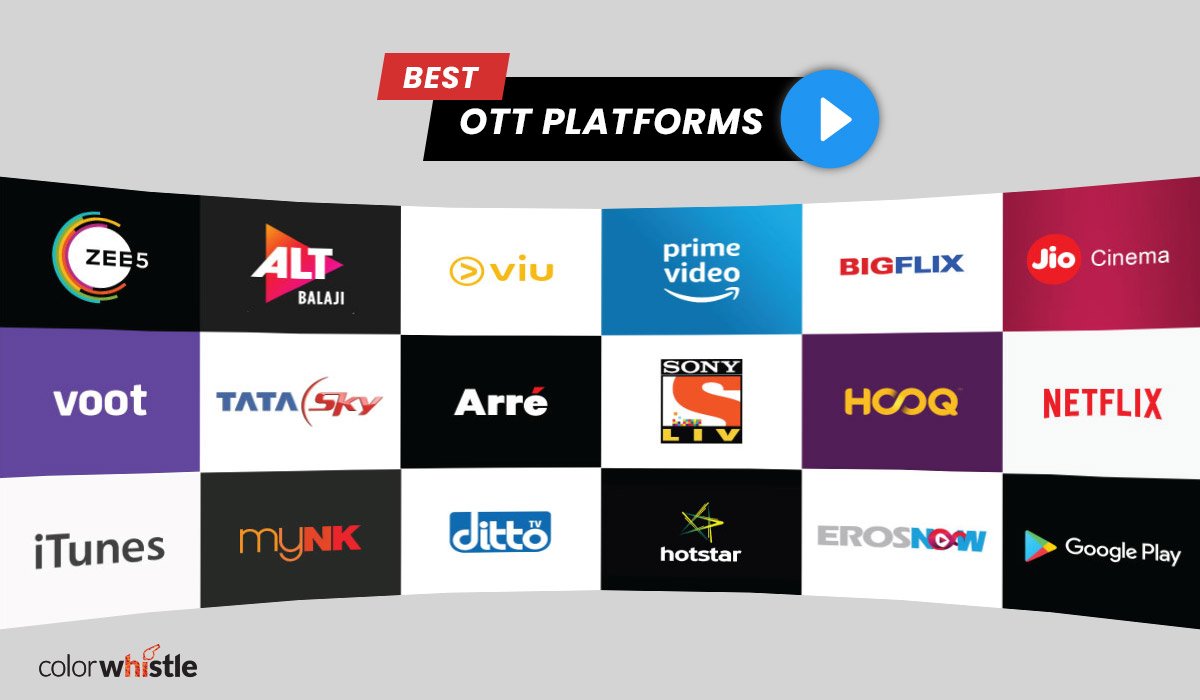
    Over the past few years, the entertainment industry has experienced a major shift in the way people consume content. With the rise of Over-The-Top (OTT) platforms, traditional cable TV is no longer the only option for viewers. OTT platforms are essentially streaming services that deliver content directly to viewers over the internet, bypassing traditional cable and satellite TV providers. This article will explore the rise of OTT platforms, the factors contributing to their popularity, and the challenges they face.


    OTT platforms have been around for several years, but they have gained significant popularity in recent times. Some of the most popular OTT platforms include Netflix, Amazon Prime Video, Hulu, Disney+, and HBO Max. These platforms offer a wide range of content, including movies, TV shows, documentaries, and original programming. The content is available on-demand, which means that viewers can watch their favorite shows and movies at any time, without having to wait for a specific time slot.


    One of the main factors contributing to the popularity of OTT platforms is the convenience they offer. Unlike traditional cable TV, viewers can access content on OTT platforms from any device with an internet connection. This means that viewers can watch their favorite shows and movies on their smartphones, tablets, laptops, and smart TVs. Additionally, OTT platforms offer a wide range of content, including classic movies, new releases, and original programming. This means that viewers have more options than ever before when it comes to choosing what to watch.


    Another factor contributing to the rise of OTT platforms is the cost. In many cases, OTT platforms are more affordable than traditional cable TV. For example, a basic Netflix subscription costs $8.99 per month, while a basic cable TV package can cost upwards of $50 per month. Additionally, viewers can choose to subscribe to multiple OTT platforms, which allows them to access even more content at a lower cost.


    OTT platforms have also been able to attract viewers by offering original programming. Netflix, for example, has produced several hit shows such as Stranger Things, Orange is the New Black, and The Crown. These original shows have helped to establish Netflix as a major player in the entertainment industry. Other OTT platforms have followed suit, producing their own original programming in an effort to attract viewers.


    While OTT platforms have many advantages, they also face several challenges. One of the main challenges is the competition. With so many OTT platforms available, viewers have more options than ever before. This means that OTT platforms have to work harder to attract and retain viewers.


    Another challenge that OTT platforms face is the issue of licensing. In many cases, the rights to stream content are owned by traditional cable TV providers, which means that OTT platforms have to negotiate licensing deals in order to offer the content to their viewers. This can be a complex and expensive process, which can limit the amount of content that OTT platforms are able to offer.


    Despite these challenges, the popularity of OTT platforms continues to grow. In fact, some experts predict that the number of OTT subscribers will surpass the number of traditional cable TV subscribers in the near future. This trend has major implications for the entertainment industry, as traditional cable TV providers are forced to adapt to changing consumer habits.


    In conclusion, the rise of OTT platforms has had a major impact on the entertainment industry. These platforms offer viewers a convenient, affordable, and diverse range of content, which has helped to attract and retain viewers. However, the competition and licensing issues faced by OTT platforms are significant challenges that must be addressed in order for these platforms to continue to grow and succeed. As the entertainment industry continues to evolve, it will be interesting to see how OTT platforms and traditional cable TV providers adapt to changing consumer habits.