Tag: misinformation

  • Indian Government to Amend IT Rules to Regulate Deepfakes

    Indian Government to Amend IT Rules to Regulate Deepfakes

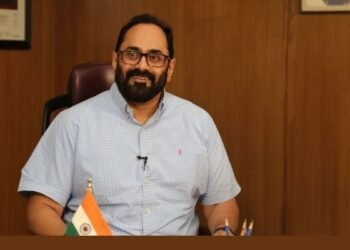
    The Indian government is gearing up to amend the Information Technology (Intermediary Guidelines and Digital Media Ethics Code) Rules, 2021, to include regulations addressing deepfakes, algorithmic bias on technology platforms, and the advertisement of instant loan mobile applications. Union Minister of State for Information Technology, Rajeev Chandrasekhar, announced that the amended rules would be notified shortly, marking an effort to enhance digital media ethics and accountability.


    Chandrasekhar highlighted that the amendments would specifically address issues related to misinformation and deepfakes. He emphasized the need for platforms to refrain from employing algorithms that lead to bias and artificial intelligence (AI) models prone to bias. The government aims to hold platforms accountable for ensuring unbiased algorithms and AI models, putting the onus on them to adopt comprehensive measures to prevent bias.


    The upcoming amendments are a response to an advisory issued by the government last year regarding deepfakes. Chandrasekhar stated that the advisory had been issued with the intention of guiding platforms on addressing deepfakes, and the decision to amend the IT Rules was contingent on the level of compliance from the platforms. The impending amendments signify the government’s commitment to regulating digital media practices and enhancing ethical standards.


    In addition to addressing deepfakes and algorithmic bias, the amended rules will incorporate provisions related to the advertisement of instant loan mobile applications on intermediary platforms. The government is concerned about the proliferation of such applications and their potential impact on users. By including regulations in the IT Rules, the authorities aim to curb misleading advertisements and practices associated with instant loan apps.


    The Centre is also set to release draft rules for the Digital Personal Data Protection (DPDP) Act, 2023, alongside the amendments to the IT Rules. The DPDP Act is a significant legislative framework focused on safeguarding individuals’ personal data and ensuring responsible data handling practices by businesses and organizations. The draft rules are expected to complement the government’s efforts to strengthen data protection and privacy in the digital realm.


    Rajeev Chandrasekhar provided insights into the India AI Program, a comprehensive initiative with a budget exceeding ₹10,000 crore. The program aims to build databases for multiple domestic languages and develop indigenous computing infrastructure for various AI use cases. Chandrasekhar highlighted plans to create India’s own graphics processing units (GPUs) infrastructure, facilitating the scaling of domestic applications. The program envisions private-public partnerships with data centers in the private sector and public partnerships with the Centre for Development of Advanced Computing (C-DAC), emphasizing a twofold strategy.


    As the Indian government moves forward with these regulatory and programmatic initiatives, it underscores the evolving landscape of digital governance, data protection, and AI development in the country. The amendments to the IT Rules and the introduction of the India AI Program reflect a proactive approach to address emerging challenges and opportunities in the digital ecosystem.

  • Indian Government to Introduce Stricter Rules Against Deepfakes

    Indian Government to Introduce Stricter Rules Against Deepfakes

    Minister of State for Information Technology, Rajeev Chandrasekhar, announced on Monday that the government will soon implement stricter rules under the Information Technology (IT) Act to ensure compliance by platforms operating in India. This announcement comes as a response to concerns about deepfakes and misinformation, particularly those powered by artificial intelligence (AI), posing a threat to the safety and trust of Indian users.


    Chandrasekhar expressed his gratitude to cricket legend Sachin Tendulkar for bringing attention to a fake video through a post on X. The Union Minister highlighted that deepfakes and misinformation, when fueled by AI, represent a significant danger, and platforms are obligated to comply with the advisories issued by the government.


    In his post on X, Chandrasekhar stated, “Thank you @sachin_rt for this tweet. #DeepFakes and misinformation powered by #AI are a threat to Safety&Trust of Indian users and represent harm & legal violation that platforms have to prevent and take down. Recent Advisory by @GoI_MeitY requires platforms to comply with this 100%. We will be shortly notifying tighter rules under IT Act to ensure compliance by platforms.”


    Sachin Tendulkar had earlier cautioned the public about a fake video circulating on social media and urged people to report such misleading content. He emphasized the misuse of technology and called on social media platforms to be vigilant and responsive to complaints. The cricketer requested swift action to counter the spread of misinformation and fake news.


    Deepfakes involve the use of AI to create synthetic or altered media that convincingly misrepresents or impersonates someone. The government’s focus on addressing this issue aligns with the broader efforts to combat misinformation and protect the online safety of users.


    In recent months, the Indian government has directed all platforms to adhere to IT rules, emphasizing the need for companies to inform users clearly about prohibited content. The government has instructed platforms to take decisive action against deepfakes, aligning their terms of use and community guidelines with the IT Rules and existing laws.


    The government’s commitment to implementing stricter rules reflects the growing concerns about the impact of misinformation and the misuse of AI technologies. By tightening regulations, authorities aim to ensure that online platforms take proactive measures to prevent the dissemination of misleading content and protect the digital well-being of users. The forthcoming rules under the IT Act are expected to provide a comprehensive framework for platform compliance and contribute to fostering a safer online environment in India.

  • Rashmika Mandanna: Concern as Deepfake Video Goes Viral

    Rashmika Mandanna: Concern as Deepfake Video Goes Viral

    In an alarming incident that underscores the misuse of artificial intelligence to propagate misinformation, a deepfake video featuring actress Rashmika Mandanna has gained widespread attention on the internet. The actress, known for her role in the film ‘Pushpa’, expressed her disappointment with the viral fake video and highlighted the possible misuse of technology to tarnish someone’s image.


    The AI-generated video, which has since gone viral, initially appears to show Rashmika Mandanna wearing a black dress and entering an elevator. However, the video is a product of artificial intelligence technology known as deepfake and features another woman. The spread of deepfake content has sparked reactions from several prominent figures, including top actors like Amitabh Bachchan and Union Minister Rajeev Chandrasekhar.


    Rashmika Mandanna, responding to the viral deepfake video, described it as “extremely scary” and raised concerns about the misuse of technology. Through her Instagram account, she shared her thoughts, expressing that she felt hurt to see the video, which featured a woman dressed in black workout attire inside an elevator. The woman’s face had been altered using artificial intelligence to resemble Rashmika Mandanna.


    The actress, in her heartfelt Instagram post, said, “Today as a woman and as an actor, I am thankful for my family, friends, and well-wishers who are my protection and support system. But if this happened to me when I was in school or college, I genuinely can’t imagine how I could ever tackle this. We need to address this as a community and with urgency before more of us are affected by such identity.”


    Rashmika Mandanna continued, “I feel really hurt to share this and have to talk about the deepfake video of me being spread online. Something like this is honestly extremely scary, not only for me but also for each one of us who today is vulnerable to so much harm because of how technology is being misused.” She emphasized the urgent need to address this issue collectively to protect individuals from the potential harm caused by deepfake technology.


    Bollywood superstar Amitabh Bachchan also responded to the deepfake video and stressed the need for legal action. He was among the first to react when a fact-checker posted the deepfake clip alongside the original video of a British-Indian social media personality, Zara Patel. Bachchan demanded an urgent establishment of a legal and regulatory framework to address the issue of deepfakes in India.


    Deepfake technology uses artificial intelligence and machine learning to create visual and audio content that can mislead viewers. It superimposes one person’s characteristics onto another media file in a way that makes it appear genuine. Due to its potential to defame individuals or spread misinformation, the technology is prohibited on various platforms.

  • Mobile Internet Suspended in Haryana’s Nuh District

    Mobile Internet Suspended in Haryana’s Nuh District

    The Department of Home Affairs in Haryana has taken the decision to suspend mobile internet services in Nuh district from September 17 to September 19, 2023. The suspension has been imposed due to concerns about potential unrest, the spread of misinformation, and the need to maintain public peace and tranquility in the district.


    In an official letter issued by the Home Department, it was stated that the decision to suspend mobile internet services was made to prevent the spread of misinformation and rumors that often circulate through SMS and social media platforms. The government expressed concerns about the possible consequences, including tension, annoyance, agitation, damage to public and private property, and disturbances to public peace.


    The suspension of mobile internet services in Nuh district will affect various technologies, including 2G, 3G, 4G, 5G, CDMA, and GPRS. During this period, all dongle services will remain closed, with the exception of banking and mobile recharge services.


    The government’s official statement indicated that the suspension aimed to combat the dissemination of misinformation and rumors through social media platforms like WhatsApp, Facebook, and Twitter. The goal is to prevent the facilitation and mobilization of agitators and demonstrators who could engage in violent activities, causing harm to lives and property through arson, vandalism, and other forms of violence.


    This suspension of mobile internet services follows a previous action taken on September 15, after the arrest of Congress MLA Mamman Khan in connection with the Nuh violence that occurred on July 31. The Haryana government had suspended mobile internet and bulk SMS services in the district for two days. While the government order for this suspension did not explicitly mention Khan’s arrest as the reason, it aimed to maintain peace and public order in the Nuh district.


    The temporary suspension of mobile internet services is becoming an increasingly common measure taken by governments to control the spread of misinformation and unrest, particularly during sensitive situations or periods of civil unrest.

  • SC Exposes Falsified Statement: CJI Denounces Fake News

    SC Exposes Falsified Statement: CJI Denounces Fake News

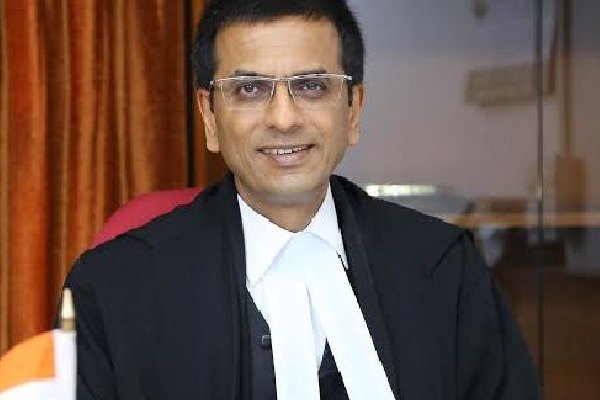
    In a concerning instance that underscores the dangers of misinformation, the Supreme Court of India has brought attention to a fabricated statement falsely attributed to Chief Justice of India (CJI) DY Chandrachud. This concocted quote was circulated on social media platforms, accompanied by a file photograph of the CJI, advocating for street protests against what was termed a “dictatorial government.”


    The press note issued by the Public Relations Office (PRO) of the Supreme Court unequivocally refuted the veracity of the post. The statement clarified that neither CJI Chandrachud nor any authorized representative of his had issued such a post. The PRO labeled the post as “fake” and “ill-intended,” indicating the potentially malicious nature of the misinformation being propagated.


    The viral post featured a message allegedly from CJI Chandrachud, calling on citizens to unite and take to the streets to challenge the central government’s actions. It read, “We are trying our best to save the Constitution of India, democracy of India, but your cooperation is also very important for this, all the people should unite and come out on the streets and ask the government about their rights…this dictatorial government will scare people, threaten but you don’t have to be afraid, keep courage and ask the government to account. I am with you.”


    Cognizant of the harm caused by such misleading information, the Supreme Court PRO promptly issued a statement to counteract the falsehood. The PRO explicitly stated, “It has come to the notice of the Supreme Court of India that a social media post [urging the public to protest against authorities] using a file photograph and falsely quoting the Chief Justice India is being circulated.” The PRO emphasized that no such statement was released by the Chief Justice of India, nor was any authorization given for such a post.


    Furthermore, the Supreme Court PRO affirmed that appropriate action is being undertaken to address the dissemination of this falsified content. The statement conveyed that measures are being taken in collaboration with law enforcement authorities to address the issue in accordance with legal protocols.


    This incident underscores the critical need for vigilance and critical thinking when consuming information from social media platforms. It serves as a reminder of the potential harm that can arise from the spread of false news, particularly when attributed to authoritative figures. As society navigates the digital landscape, discernment and verification remain imperative to combat the dissemination of misinformation that can sow discord and confusion.

  • Spread of Fake News Attributing Statements to Chief Justice

    Spread of Fake News Attributing Statements to Chief Justice

    The Supreme Court of India has brought attention to the concerning issue of fake news circulating on social media platforms. A fabricated statement, falsely attributed to Chief Justice of India (CJI) DY Chandrachud, advocating street protests against the government, has been shared widely. This misleading quote was accompanied by a file photograph of the CJI, further lending it an air of authenticity.


    The post, which has gained traction on social media, displayed CJI Chandrachud supposedly calling for citizens to take to the streets in protest against the Central government. The quote, while fictitious, read, “We are trying our best to save the Constitution of India, democracy of India, but your cooperation is also very important for this. All the people should unite and come out on the streets and ask the government about their rights…this dictatorial government will scare people, threaten but you don’t have to be afraid, keep courage and ask the government to account. I am with you.”


    In response to this disinformation, the Supreme Court’s Public Relations Office (PRO) issued a press note denouncing the fake news and clarifying that no such statement had been issued by the Chief Justice of India nor had he authorized any such post. The PRO categorically labeled the circulated post as “fake” and “ill-intended.”


    The PRO also highlighted the fact that the fabricated social media post had employed a file photograph of the CJI, adding an element of deception to the falsehood. The Supreme Court emphasized that appropriate action was being taken in response to this issue and that law enforcement authorities were involved in addressing the dissemination of false information.


    The circulation of fake news has become a significant concern globally, with its potential to mislead the public, influence opinions, and cause societal unrest. The Supreme Court’s response reflects the gravity of the situation, as the spread of misinformation can erode trust in institutions and have far-reaching consequences.


    In a world increasingly reliant on social media for information dissemination, combating fake news has become a priority to maintain the accuracy and integrity of information shared online. The case of false attribution of statements to the Chief Justice of India underscores the need for vigilance and responsible sharing of information on digital platforms.