Tag: Manipur

  • India Sets Dates for Marathon Seven-Phase Lok Sabha Elections

    India Sets Dates for Marathon Seven-Phase Lok Sabha Elections

    India, the world’s largest democracy, is gearing up for a marathon seven-phase Lok Sabha election, scheduled to commence on April 19 and conclude on June 1. Chief Election Commissioner Rajiv Kumar announced the election schedule, highlighting the extensive electoral process that will involve nearly a billion voters across the country.


    The marathon election will be conducted in seven phases, with polling dates set for April 19, April 26, May 7, May 13, May 20, May 25, and June 1. Additionally, assembly elections in four states – Andhra Pradesh, Sikkim, Arunachal Pradesh, and Odisha – will coincide with the Lok Sabha polls.


    The Lok Sabha, or House of the People, is the lower house of India’s bicameral Parliament, comprising elected representatives from each of India’s states and union territories. The upcoming elections will see the election of members to the 18th Lok Sabha, as the tenure of the current 17th Lok Sabha ends on June 16, 2024.


    In the previous Lok Sabha elections held in 2019, the Bharatiya Janata Party (BJP) secured a resounding victory, winning 303 seats out of the 543-member house. The BJP-led National Democratic Alliance (NDA) secured a total of 350 seats, while the Indian National Congress and its allies in the United Progressive Alliance (UPA) managed to win only 91 seats.


    This time around, Prime Minister Narendra Modi has set ambitious targets for his party, aiming for 370 seats for the BJP and 400-plus for the NDA. The BJP’s campaign will focus on its track record of governance and service delivery across various sectors, contrasting it with what it portrays as the previous regime’s failures and corruption.


    With the announcement of election dates, the Model Code of Conduct (MCC) comes into effect, imposing restrictions on the government’s activities. Any new projects or schemes must receive prior approval from the Election Commission to ensure fairness during the election period.


    To prevent illicit methods of influencing voters, the Election Commission has deployed various measures, including confiscating illegal funds and scrutinizing digital payment wallets for suspicious activities. Additionally, e-way bill analytics and data analysis tools will be used to detect unusual demand spikes for consumer goods in specific areas.


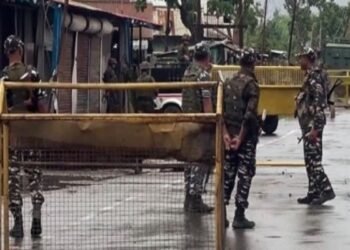
    The Election Commission aims to ensure a peaceful and fair electoral process, with over a million polling stations set up across the country. Central Armed Police Forces (CAPFs) personnel, along with state police forces, will be deployed to maintain law and order during the elections.


    One of the notable regions facing unique challenges in the electoral process is Manipur, where ethnic clashes between the Meitei and tribal Kuki communities have resulted in significant violence. Despite these challenges, arrangements have been made to allow voters living in camps to cast their votes from their respective locations.


    In Jammu and Kashmir (J&K), assembly elections will be scheduled after the Lok Sabha polls due to security concerns. The region, which has been under Governor’s rule since June 2018, underwent significant political changes following the revocation of Article 370 in August 2019.


    The upcoming marathon Lok Sabha elections in India represent a critical juncture in the country’s democratic process, with millions of voters set to determine the course of its governance for the next five years. As political parties gear up for intense campaigning and electoral battles, all eyes will be on the outcome of this historic democratic exercise.

  • Manipur HC Reverses Decision on ST Status for Meiteis

    Manipur HC Reverses Decision on ST Status for Meiteis

    The Manipur High Court’s recent decision to modify its 2023 order recommending Scheduled Tribe (ST) status for the Meiteis community has brought relief and concern in equal measure. The ruling, which came in response to widespread protests and ethnic clashes in Manipur, highlights the complexity of identity politics in the region.


    The controversy stems from the High Court’s March 27, 2023 order, which recommended ST status for the Meiteis community. This decision was met with resistance from various quarters, particularly from tribal groups in Manipur who feared that granting ST status to the Meiteis would dilute their own tribal rights and privileges.


    The now-deleted paragraph of the March 27 order directed the first respondent to consider the inclusion of the Meitei community in the ST list, expeditiously. However, the High Court, in its recent modification, acknowledged that this direction was passed in misconception of law and against the observations made by the Constitution Bench of the Supreme Court.


    The Supreme Court, in its November 2000 verdict, emphasized that courts should not expand their jurisdiction to deal with questions related to the inclusion of particular castes or communities in the ST list. It underscored that such matters should be addressed through legislation enacted by Parliament, rather than judicial intervention.


    The Manipur High Court’s reversal of its earlier recommendation reflects a recognition of the legal limitations placed on the judiciary in matters of tribal classification. It signifies a course correction aimed at aligning with constitutional principles and Supreme Court precedents.


    However, the decision has also sparked concerns among the Meitei community, who see it as a setback in their quest for recognition and representation. The Meiteis, who constitute a significant portion of Manipur’s population, have long sought ST status as a means of safeguarding their cultural identity and accessing government benefits reserved for tribal communities.


    The issue of ST status for the Meiteis is deeply intertwined with the socio-political dynamics of Manipur, where ethnic tensions between the valley-dwelling Meiteis and the hill-dwelling tribal groups have simmered for decades. The granting or denial of ST status has the potential to exacerbate or mitigate these tensions, making it a highly sensitive and contentious issue.


    For the Meiteis, ST status represents not only legal recognition but also socio-economic empowerment. It opens up avenues for education, employment, and welfare schemes that are specifically tailored for tribal communities. Therefore, the denial of ST status is perceived as a denial of rights and opportunities crucial for the community’s progress and well-being.


    On the other hand, tribal groups in Manipur view the prospect of Meiteis obtaining ST status with apprehension and resentment. They fear that it would lead to the erosion of their own rights and privileges, as well as the loss of their distinct cultural identity. Moreover, they argue that the Meiteis, being the dominant community in the valley, already enjoy socio-economic advantages that tribal communities lack.


    The Manipur High Court’s decision underscores the need for a nuanced and inclusive approach to address the complex issue of tribal classification. It highlights the importance of balancing the rights and interests of different communities while upholding constitutional principles and legal precedents.


    Moving forward, it is imperative for stakeholders to engage in constructive dialogue and consultation to find a resolution that promotes harmony and inclusivity in Manipur. This may involve exploring alternative mechanisms for addressing the concerns of the Meitei community while safeguarding the rights and interests of tribal groups. Ultimately, a collaborative and empathetic approach is essential to navigate the intricacies of identity politics in Manipur and foster unity amidst diversity.

  • Meitei and Kuki Communities Demand Action Amid Violence

    Meitei and Kuki Communities Demand Action Amid Violence

    The persistent ethnic clashes between the Meitei and Kuki communities in Manipur have intensified, resulting in over 200 fatalities since May 2023. Recent escalations have led to demands from both groups for immediate action from the BJP-led government in the state. This article delves into the ongoing conflict, the demands put forth by the Coordinating Committee on Manipur Integrity (COCOMI) and the Indigenous Tribal Leaders Forum (ITLF), and the background of the ethnic violence.


    Current Situation and Escalating Violence:

    Since January 16, Manipur has witnessed a surge in violence, with seven individuals, including two policemen, losing their lives and several others sustaining injuries across various districts. The clashes, rooted in ethnic tensions, have raised concerns about the safety of civilians and security forces.


    COCOMI’s Demands and Warning:

    On January 19, COCOMI, a coalition of Meitei groups, issued a warning to Chief Minister N Biren Singh, demanding decisive action against those responsible for the recent casualties. COCOMI coordinator Jeetendra Ningomba expressed particular concerns about attacks allegedly orchestrated by Chin-Kuki terrorists smuggling weapons from Myanmar. The delegation urged the government to address the situation and warned of potential agitation if no substantial action was taken.


    ITLF’s Accusations and Warning:

    Simultaneously, the Indigenous Tribal Leaders Forum (ITLF), representing the Kuki community, accused the state government of favoring Meiteis and issued a stern warning. They asserted that their demands had been ignored and expressed discontent with what they perceived as one-sided governance. The ITLF warned that the government would be held responsible for any adverse incidents in Kuki-Zo areas if their concerns were not addressed.


    Background of Ethnic Violence:

    The roots of the ethnic violence in Manipur trace back to May 2023, with clashes between the Meitei majority in Imphal Valley and the Kuki-Zo communities predominant in the hill districts. The conflict has resulted in at least 207 lives lost and approximately 50,000 individuals displaced. The recent surge in violence follows an attack on security forces in Moreh and the subsequent arrest of two Kuki individuals linked to the killing of a police officer last year.


    Fresh Violence and Security Measures:

    Recent incidents include the killing of five civilians and injuries to three BSF personnel in violence spanning several districts on January 17 and 18. An earlier attack on police personnel in Tengnoupal resulted in seven fatalities and nine injuries over two days. State security adviser Kuldeep Singh assured that joint operations were underway to control the situation in Moreh, expressing optimism about bringing the violence under control within a day or two.


    The escalating ethnic clashes in Manipur underscore the urgent need for effective intervention to address the deep-seated tensions between the Meitei and Kuki communities. COCOMI’s demands and ITLF’s accusations highlight the complexities of governance in a diverse state. As the government grapples with the challenges posed by ethnic violence, the safety of civilians and security forces remains a top priority. The situation calls for a comprehensive approach to foster dialogue, address grievances, and ensure a peaceful coexistence that reflects the diverse cultural fabric of Manipur.

  • Militant Attack in Manipur: Two Policemen Killed

    Militant Attack in Manipur: Two Policemen Killed

    The northeastern state of Manipur witnessed a gruesome incident as two policemen lost their lives in a deadly ambush by militants in Moreh town. The attack took place near the iconic Ima Kondong Lairembi Devi temple, highlighting the persistent security challenges in the region.


    Ambush Details:

    The ambush unfolded when militants fired a rocket-propelled grenade (RPG) at a temporary police unit and commando posts near the temple. The targeted attack resulted in the tragic deaths of two police personnel, identified as Wangkhem Somorjit (32) and Takhellambam Saileshwore. The assailants showed no mercy, leaving the security forces and local authorities grappling with the aftermath.


    Identified Victims:

    Wangkhem Somorjit (32): Hailing from Lamshang in Imphal West district, Somorjit succumbed to injuries sustained during the attack. The militants struck near Ima Kondong Lairembi Devi temple in the morning, fatally hitting Somorjit.


    Takhellambam Saileshwore: Another victim of the ambush, Saileshwore, lost his life in the evening during a subsequent militant attack in Moreh. The escalation of violence underscores the challenges faced by security forces and policemen in maintaining order and combating insurgency.


    Injured Personnel:

    The attack also left two other personnel injured – Constable N Bheem (35) and ASI Sidharth Thokchom (35). Both injured individuals were airlifted from Moreh and admitted to RIMS in Imphal for necessary medical treatment.


    Joint Action Committee’s Demand for Justice:

    The Joint Action Committee (JAC), representing the local community, voiced its strong demand for justice. In a collective stance, the committee declared that the bodies of the deceased personnel would not be accepted by their respective families until the culprits responsible for the attack are identified, apprehended, and brought to justice.


    Protests and Mourning:

    Following the deadly ambush, women protesters, dressed in traditional mourning outfits, took to the streets to express their grief and demand justice. They blocked the road to Imphal airport, disrupting vehicular movement. The visual protests underscore the emotional toll and anger within the community.


    Meira Paibis Rally for Increased Security:

    Meira Paibis, a prominent women’s group, organized a rally demanding the reinforcement of state forces in Moreh. The group marched towards the Chief Minister’s bungalow to convey their concerns but was halted by the police. The rallying cry emphasizes the urgent need for enhanced security measures to curb escalating violence.


    Allegations from Kuki Community:

    In a noteworthy development, some groups from the Kuki community have alleged the involvement of cadres from banned outfits like the United National Liberation Front (UNLF) and Arambai Tenggol. These groups claim that these cadres are operating alongside Manipur state police commandoes, raising concerns about collaboration and potential repercussions on the tribal community.


    Ongoing Tensions in Moreh:

    Moreh has been experiencing frequent exchanges of fire between security forces and militants in recent days. The latest ambush comes merely 48 hours after the arrest of two suspects involved in the killing of Moreh Sub-Divisional Police Officer (SDPO). The incidents highlight the persistent security challenges and tensions prevailing in the region.


    The deadly ambush in Manipur serves as a stark reminder of the complex security landscape in India’s northeastern states. As investigations unfold and tensions persist, authorities face the daunting task of maintaining order and ensuring the safety of residents and policemen in the troubled region.

  • Manipur CBSE: MLAs Seek Intervention in Education

    Manipur CBSE: MLAs Seek Intervention in Education

    The CBSE affiliation controversy in Manipur has taken a new turn as 10 MLAs from the Kuki tribes write to Home Minister Amit Shah, urging the cancellation of the suspension of three education officers. The officers face disciplinary action over alleged fraud in clearing requests by 26 schools for CBSE affiliation. While the MLAs argue that the officers acted in the best interests of students during ethnic violence, the Education Department emphasizes the importance of completing the due process of investigation.


    The alleged fraud involves the issuance of no-objection certificates (NOCs) to 26 schools in Churachandpur and Kangpokpi, both hill districts, for CBSE affiliation after May 3, the day ethnic violence erupted between the Kuki tribes and the valley-majority Meiteis. The CBSE’s bylaws require state board schools to obtain NOCs from the state government before applying for central board affiliation. The Manipur government initiated an investigation into the alleged paperwork fraud, forming a committee to look into the matter.


    The 10 MLAs, who have also been advocating for a “separate administration” in Manipur, contend that the three education officers should be reinstated as they acted in the students’ and schools’ best interests amid the violence over the past eight months. They argue that the CBSE should re-affiliate the 26 schools, and the suspended officers should be called back to duty.


    However, an education department officer has described the attempt by the MLAs to rescue the officers as “absurd.” The officer emphasized the need to let the investigation complete its due process, stating that there is a process and documentary evidence that cannot be short-circuited.


    The three suspended officers are Churachandpur ZEO Jangkhohao Haokip, Kangpokpi ZEO Lhingtinneng, and L Taithui, Deputy Inspector of Schools in the Samulamlan block of Churachandpur ZEO.


    The controversy surrounding the CBSE affiliation centers around the change from state to central education boards in the two hill districts, viewed as a soft attempt at formalizing a new arrangement amidst the ethnic clashes that began in May 2023.


    In response to the government’s action, a Kuki student group in Sadar Hills has sealed the offices of the Kangpokpi ZEO and the deputy inspector of schools in Saitu and Saikul, protesting against the suspension of the education officers. The group has appealed for a “swift and impartial investigation” into the allegations.


    In Churachandpur, none of the four newly affiliated schools had working phone numbers, with one having ‘0000’ as the contact number. The lack of working phones and inconsistent details violate CBSE bylaws for affiliation. The Kangpokpi school principals had previously criticized the focus on procedures, emphasizing the students’ need for academic continuity amid ethnic clashes and disruptions.


    The state government maintains that action will be taken against schools, including withdrawing their affiliation, if they are found not following due process. The controversy highlights the challenges of administrative processes amid ethnic tensions and the need for a thorough and impartial investigation to address the allegations of fraud in CBSE affiliation.


    As the situation unfolds, the involvement of MLAs and student groups adds a political dimension to the controversy, raising questions about the broader implications and potential outcomes of the ongoing investigation and disciplinary actions. The insistence on due process and adherence to legal procedures becomes crucial in maintaining the integrity of the education system and ensuring fair and transparent resolutions to the allegations.

  • Rahul Gandhi Resumes Bharat Jodo Nyay Yatra

    Rahul Gandhi Resumes Bharat Jodo Nyay Yatra

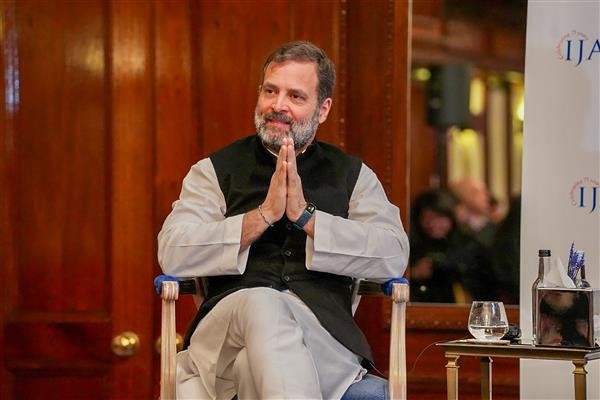
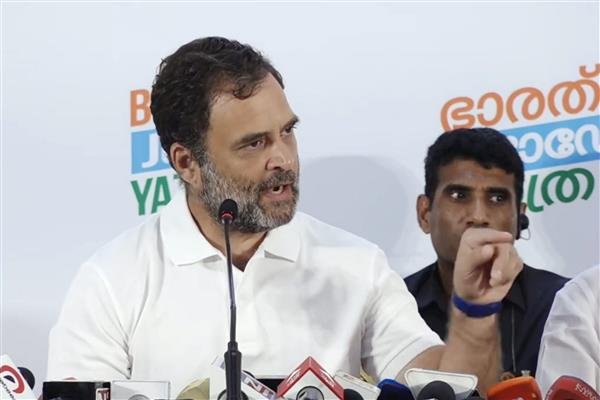
    Congress leader Rahul Gandhi has resumed the Bharat Jodo Nyay Yatra from Kohima in Nagaland, calling for national unity and justice. Speaking at the Indira Gandhi Stadium in Kohima, Gandhi highlighted the purpose of the yatra, which seeks to bring people together across different cultures, religions, and languages.


    Last year, the Congress leader initiated a Bharat Jodo Yatra from Kanyakumari to Kashmir, covering the length of the country to foster unity. Addressing the gathering in Kohima, Rahul Gandhi shared the idea behind the yatra, stating, “…we had a view that we should do a yatra from east to west.” He emphasized that every state, regardless of size, should feel equal to others in the country.


    The Bharat Jodo Nyay Yatra, which had completed its path in Manipur before entering Nagaland, aims to provide justice to the people and promote equality in politics, society, and the economic structure. Rahul Gandhi met with locals in Kohima and expressed gratitude to the people of Manipur for their support.


    Taking to social media, Rahul Gandhi assured the people of Manipur that he would continue to stand with them and fight for peace and justice. He described the journey as a “balm of unity and love on the soul of India wounded by the BJP’s politics of division and neglect.”


    The Congress leader urged unity and a collective fight for justice, emphasizing the importance of erasing the pain in the eyes of the people. The yatra symbolizes a commitment to national unity and addressing the challenges faced by different regions, transcending divisive politics.


    As Rahul Gandhi resumes the Bharat Jodo Nyay Yatra, the focus remains on fostering inclusivity, justice, and unity across the diverse fabric of India. The yatra represents a call for positive change and a commitment to standing with the people to address their concerns and aspirations.

  • Fresh Violence in Manipur Leaves Four Men Missing

    Fresh Violence in Manipur Leaves Four Men Missing

    Manipur’s Bishnupur district has witnessed a fresh wave of violence, leading to the disappearance of four men who had gone to harvest ginger in the area. The incident adds to the growing concerns over security in the region, which has experienced heightened tensions and incidents in recent weeks. The missing individuals have been identified as Oinam Romen Meitei, Ahanthem Dara Meitei, Thoudam Ibomcha Meitei, and Thoudam Anand Meitei.


    According to reports, the firing incident occurred between Wangoo in Thoubal district and Kumbi in Bishnupur district. The situation escalated with six rounds of mortar fire before small firearms were engaged, creating an atmosphere of uncertainty and fear among the local population.


    In a separate incident, four men from Manipur’s Kumbi assembly constituency went missing while collecting firewood near the hill ranges adjoining Bishnupur and Churachandpur districts. The missing individuals have been identified as Dara Singh, Ibomcha Singh, Romen Singh, and Anand Singh. Authorities have not ruled out the possibility of them being held captive by militants, and assistance from central forces has been sought to address the situation.


    This recent episode of violence adds to the prevailing security challenges in Manipur, with the town of Moreh experiencing gunfire between security personnel and militants. The town, which borders Myanmar, has been a focal point of tensions, witnessing multiple gunfights in recent weeks. The clashes have raised concerns about the involvement of foreign mercenaries from Myanmar in the attacks.


    Notably, on January 2, seven security personnel, including four Manipur police commandos and three BSF personnel, were injured in an attack while on a search operation. The injured personnel were airlifted to Imphal for medical treatment. Similar gun battles had been reported in Moreh since December 30, prompting Chief Minister N Biren Singh to suggest the potential involvement of foreign mercenaries.


    In the midst of these security challenges, Congress leader Rahul Gandhi is poised to commence the Bharat Jodo Nyay Yatra from Manipur on January 14. The yatra is part of a nationwide initiative covering 6,713 kilometers across 12 states, with the march concluding in Mumbai on March 20 or 21. Despite the security concerns, the Manipur government has granted permission for the flagging off of the Bharat Jodo Nyay Yatra, albeit with a limited number of participants.


    Rahul Gandhi’s yatra aims to address various issues related to justice, equality, and the concerns of the common people. The decision to commence the yatra from Manipur, a state grappling with recent incidents of violence, underscores the Congress party’s commitment to reaching out to people facing challenges across the country.


    The yatra assumes significance not only in the context of the ongoing security situation in Manipur but also as a political initiative aimed at connecting with the grassroots and highlighting the party’s vision for a just and equitable society. Despite the security challenges, Congress leaders insist that the Bharat Jodo Nyay Yatra will start from Manipur “at any cost.”


    The decision to proceed with the yatra from Manipur underscores the party’s determination to engage with the issues facing the state and the broader concerns of the people. Rahul Gandhi’s leadership in initiating the yatra signifies a political approach that prioritizes direct engagement with citizens and an understanding of their challenges and aspirations.


    As the security situation in Manipur remains complex, with instances of violence and missing individuals, the Bharat Jodo Nyay Yatra brings attention to the need for addressing not only immediate security concerns but also the broader socio-economic and political issues faced by the people. The success and impact of the yatra will depend not only on its symbolic value but also on the concrete steps and policy positions the Congress party puts forward in response to the challenges identified during the journey.


    The recent violence and missing persons incidents in Manipur’s Bishnupur district highlight the fragile security situation in the region. Against this backdrop, the Bharat Jodo Nyay Yatra led by Rahul Gandhi becomes a significant political initiative, symbolizing the party’s commitment to addressing the concerns of the people and engaging with the challenges faced by different states across the country. The yatra’s journey from Manipur, despite the prevailing security challenges, underscores the party’s resolve to connect with the grassroots and convey its vision for a just and inclusive society.

  • Manipur Govt Declines Permission for Bharat Jodo Nyay Yatra

    Manipur Govt Declines Permission for Bharat Jodo Nyay Yatra

    In a move that has stirred controversy, the Manipur government has reportedly declined permission for Rahul Gandhi’s ‘Bharat Jodo Nyay Yatra,’ scheduled to commence from Hatta Kangjeibung in the Imphal East district on January 14. The decision has sparked criticism from the Congress party, with Manipur Pradesh Congress Committee president Keisham Megachandra calling it “unfortunate” and a “violation of people’s rights.”


    Megachandra stated, “We met Chief Minister N Biren Singh and sought permission for the venue of ‘Bharat Jodo Nyay Yatra’ at Hatta Kangjeibung in Imphal East district from where the rally is scheduled to be flagged off. However, the chief minister has declined to permit the same.” The Congress leader expressed disappointment over what he deemed an infringement on the right to hold political rallies.


    Chief Minister N Biren Singh, addressing concerns about the law and order situation in Manipur, mentioned on Tuesday that the matter is under “active consideration.” Singh acknowledged the critical state of law and order, stating, “The law and order situation in Manipur is very critical.” He assured that a decision regarding permission for Rahul Gandhi’s rally would be taken after receiving reports from various security agencies.


    When asked specifically about granting permission for the ‘Bharat Jodo Nyay Yatra,’ Singh responded, “Giving permission to Rahul Gandhi’s rally is under active consideration. We are taking reports from various security agencies. After receiving reports from them, we will take a concrete decision.” The Chief Minister’s cautious approach reflects the sensitivity of the situation in Manipur, marked by ethnic violence and a challenging security environment.


    Meanwhile, Congress general secretary KC Venugopal revealed that the Manipur government has sought approval from the Centre in connection with Rahul Gandhi’s political rally. The ‘Bharat Jodo Nyay Yatra’ is a significant event for the Congress, with national president Mallikarjun Kharge scheduled to flag off the program in the presence of chief ministers from Congress-ruled states and other top party leaders.


    The situation in Manipur remains tense, as evident from a recent exchange of gunfire between Manipur Police and militants at Moreh border town along the Indo-Myanmar border. Militants reportedly targeted security forces in certain pockets of Moreh town, leading to heightened security measures. Chief Minister Biren Singh emphasized the combined efforts of Assam Rifles, BSF, and state police in pursuing armed miscreants involved in attacking security forces.


    As the political and security dynamics unfold, Manipur finds itself at the center of a delicate situation, balancing the right to political expression with the imperative of maintaining law and order in the state. The decision on permitting Rahul Gandhi’s ‘Bharat Jodo Nyay Yatra’ remains a focal point, raising broader questions about the intersection of politics and security in the region.

  • Second Day of Gunfight on Manipur-Myanmar Border

    Second Day of Gunfight on Manipur-Myanmar Border

    The exchange of gunfire between security personnel and militants continued for a second day on Tuesday near Manipur’s border town, Moreh. The town, situated near the Myanmar border, has been on high alert following a series of attacks on Manipur police commandos and gunfight.


    The gunfight erupted late on Sunday, creating panic among the villages in the region. Firing incidents were reported at various locations, including Ward 7 and Moreh Bazar, with militants using bombs to target security forces, according to officials.


    No casualties have been reported on either side, although militants reportedly used mortar shells during the attack on security forces, as per officials. The ongoing gunfight has led to concerns among villagers, prompting some to leave their homes for safety.


    K Minlun Touthang, chairman of unit 8 (New Moreh), Hill Tribal Council (HTC) of Moreh, reported that firing occurred at three places in New Moreh, Lhangkichoi, and Zion Veng. He mentioned that militants posed as security forces and fired at Kuki villages, resulting in around 200 villagers leaving their homes.


    Kaikholal Haokip, spokesperson of the Kuki Inpi Tengnoupal, an umbrella group for Kukis, accused Manipur police commandos of bias and involvement in the killing of Kuki-Zo tribals. Village volunteers targeted commando posts in Moreh as a response. Haokip highlighted the infiltration of Meitei militant groups posing as commandos or security forces, attacking Kuki villages.


    Protests erupted in Moreh and Kangpokpi where Kuki women demanded the withdrawal of Manipur police commandos from their villages. The region has been tense since the beginning of the year, witnessing attacks on security personnel, including four Manipur police commandos and three BSF personnel injured in an attack on January 2.


    Expressing concern over the situation, Chief Minister N Biren Singh suggested the involvement of foreign mercenaries from Myanmar in the attacks on Moreh. He remarked that there were “high chances” of external elements being behind the incidents.


    The ongoing unrest in Moreh underscores the challenges faced by security forces in maintaining peace and order in border regions, with heightened tensions requiring careful handling to prevent further escalation. The situation remains dynamic, with authorities closely monitoring developments in the region.

  • Shift in Manipur Violence: CM Highlights Changing Dynamics

    Shift in Manipur Violence: CM Highlights Changing Dynamics

    The violence in Manipur has undergone a transformation, with Chief Minister N Biren Singh revealing a shift from clashes between communities to confrontations between security forces and insurgents. In an interview, Singh commented on the recent intense gunfights between security forces and insurgents in Moreh, a crucial trading town on the India-Myanmar border.


    Over the past eight months, Manipur experienced periods of relative calm interspersed with incidents of violence. Singh clarified that the recent conflicts during the new year were primarily between state security forces and militants, marking a change in the conflict’s dimension.


    Amidst the unrest, the Kuki tribes have urged the central government to remove state police from Moreh, alleging attacks on Kuki civilians. The Manipur Police, however, deny these allegations, attributing attacks on state police commandos to hill-based insurgents.


    Singh called for the cessation of the Free-Movement Regime (FMR) along the India-Myanmar border, advocating for border fencing and a structured travel system with proper documentation. He emphasized the importance of implementing checks and balances to manage cross-border movement effectively.


    Expressing suspicion about the involvement of foreign mercenaries in Manipur’s violence, Singh outlined the government’s efforts to restore normalcy. Under the guidance of Home Minister Amit Shah, discussions are ongoing through proper channels. Singh assured that total normalcy would be reinstated soon, with the government planning to provide ₹1 lakh each to displaced individuals within ten days to cover immediate expenses.


    Blaming past governments for the current crisis, Singh pointed out the lack of attention given to Manipur’s issues during the merger in 1947-49. He highlighted the significance of well-established fencing and a pass system to control influx, emphasizing that earlier administrations left Manipur to address its challenges independently. Singh credited Prime Minister Narendra Modi and Home Minister Amit Shah for bringing development and security to the region, contrasting their approach with the perceived inaction of previous governments.

  • Fresh Violence Erupts in Manipur as Gunfight Claims 13 Lives

    Fresh Violence Erupts in Manipur as Gunfight Claims 13 Lives

    In a disturbing turn of events, Manipur witnessed fresh violence as a gunfight erupted between two groups of militants in the Tengnoupal district, resulting in the tragic loss of 13 lives. The incident, which took place at Leithu village on Monday afternoon, highlighted the persistent challenges faced by the region. According to officials cited in media reports, a group of militants en route to Myanmar was ambushed by another insurgent group dominant in the area.


    The security forces, responding to the situation, discovered 13 bodies at the scene. However, the identities of the deceased are yet to be ascertained, and initial assessments suggest they may not be locals. The ongoing unrest in Manipur has been fueled by various factors, including insurgency and the porous border with Myanmar, contributing to the complex security scenario.


    Tengnoupal district, where the violent incident occurred, shares a sensitive border with Myanmar, accentuating the challenges faced by the administration in maintaining peace and stability in the region. Manipur authorities have repeatedly highlighted the presence of anti-social elements in border areas, underscoring the need for enhanced security measures.


    In a separate development, the Manipur government decided to restore mobile internet services across the state, bringing some relief to the residents. The decision, outlined in a notification, cited improvements in law and order as a factor for relaxing the suspension. However, certain areas with mobile towers within a 2km radius along adjoining districts will continue to experience suspended mobile internet operations until December 18.


    Mobile internet services had been suspended in Manipur since May 3 following a surge in violence, and the recent decision reflects a cautious approach by the authorities to gradually ease restrictions while addressing security concerns.


    Adding to the complex socio-political landscape, members of the Kuki Zo community took to the streets last week, demanding a separate administration in several areas of Manipur. The community urged the Centre to expedite the establishment of a separate administration in regions predominantly inhabited by the Kuki Zo community. Accusations were made against the state government, alleging alignment with certain communities and the distribution of government-issued firearms to be used against tribal groups.


    The ethnic strife in Manipur has been ongoing since May 3, resulting in more than 180 casualties and displacing thousands. The demands for separate administration and the restoration of mobile internet underscore the multifaceted challenges faced by Manipur, necessitating a comprehensive and inclusive approach to address the root causes of unrest in the state.