Tag: instagram

  • Threads App loses its initial hype, decline makes it a sandbox for brands

    Threads App loses its initial hype, decline makes it a sandbox for brands

    Threads App, Meta’s competitor to X (Twitter) became the fastest platform to reach 100 million users, in just five days. Marketers took notice and jumped on the opportunity. Then, Threads has seen a significant decline in users since its launch in October 2023. According to data from Sensor Tower, the app’s daily active user count (DAU) peaked at 49 million on July 7, 2023, but it has since fallen to just 10 million as of October 2023. Threads fall has been as rapid as its rise. Does that mean it’s a dead space for brands?


    Threads Journey :

    With Twitter (or X) having a tumultuous time, Facebook (or Meta) saw an easy chance to release a copycat app Threads.

    Meta and Threads have broken several records with this unprecedented launch. Previously set by ChatGPT in 5 days, Threads became the fastest platform to reach 1 million active users in only 1 hour.

    It also took Threads 7 hours to reach 10 million users. ChatGPT is the only other online service to challenge this number. And it took them 40 days.

    On July 6 when Threads was launched, 41.79 million daily active users were reported. That number climbed to 49.3 million on July 7.

    Threads gained 70 million users within 48 hours of its launch. This makes Threads the fastest-growing social network in history by a large margin.


    Threads loses its initial hype :

    On July 14 it was reported that Threads’ daily active users have dropped to 23.6 million. This is a sharp decline of 52% in one week.

    Based on August data, Threads user activity has decreased even more. The platform currently has 10.3 million daily active users, down over 79% since the peak.

    The time spent on the app has also dropped significantly. On July 7, users spent an average of 21 minutes daily on the app. Today, users only spend an average of 3 minutes daily on the app. Meanwhile, Twitter has 200 million daily active users who spend an average of 31 minutes per day on the app.

    SimilarWeb reported that Threads usage was down 79%, and time spent on the app was down 89% just one-month post-launch.

    This data does show that Threads initial surge has certainly died down. This doesn’t mean it’s dead or dying, though, as data shows consumers still seem to remain interested in the platform. What is true is that consumers may need more of a reason to stay on the app long-term.


    Factors contributed to Threads decline :

    Lack of unique features : Threads lacks many of the features that are popular on other social media apps, such as direct messaging and a proper explore page. Many users cited a lack of relevancy in their newsfeeds and the inability to view trending topics or search for content as primary reasons.

    Privacy concerns : Threads automatically shares information such as location and battery life between close friends. This has raised concerns about user privacy.

    Nothing For New Users : Threads is currently not available for everyone, only Instagram users can join threads. New Users can’t register directly on threads. Users can’t even change name or username on threads. So, there is nothing new or attractive for new users, everything is already taken by or blocked for Instagram users.

    Competition : Threads faces stiff competition from other established messaging apps, such as X (formerly Twitter) and Instagram.

    Non Availability in EU : Threads is not yet available in the EU. Once that gap is addressed, we could, potentially, see a resurgence in popularity.


    Meta’s Efforts to revive Threads :

    In an effort to address these issues, Meta has been working on a number of updates for Threads.

    Threads have acknowledged the problem and is working to implement missing features, most recently adding desktop support and a follower feed.

    It remains to be seen whether these updates will be enough to reverse Threads decline. However, Meta is committed to the app and is continuing to invest in its development.


    Key Takeaways for Marketers :

    Threads is new born baby, so predicting usage in a year, even six months, is hard. The drop in excitement is evident, but interest is still there, so businesses on the platform will likely have to work hard to capture and maintain interest before it’s too late.

    Meta has significant reach, and, as a Meta product, it’s unlikely that Threads will fail. It might be given new features and capabilities that re-engage bored users and bring people back.

    As Threads avid user base continues to crystalize, brands should explore alignment with their target audiences.

    Marketers should use Threads challenger status to confirm or rebuke their established champion social platform.

    Threads, right now, is a sandbox for brands to take risks, embrace an experimental mindset, and practice becoming agile.

    Keep your eye on the app and how consumers interact with your content.


    Conclusion :

    Threads rapid growth can be attributed to the massive user base on Instagram and Facebook already.

    After seeing Threads break the 100 million user record, the growth has slowed down, and the platform must shift to increasing user activity.

  • Twinkle Khanna Meets UK Prime Minister Rishi Sunak

    Twinkle Khanna Meets UK Prime Minister Rishi Sunak

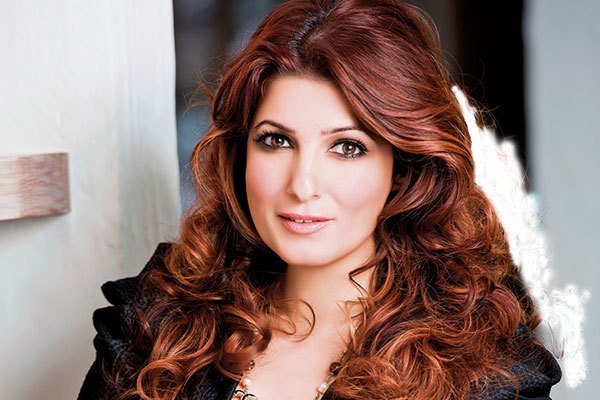
    Twinkle Khanna, the daughter of legendary actors Dimple Kapadia and Rajesh Khanna, had a memorable encounter at an event held in London recently. Twinkle, a mother of two, is currently residing in the UK, where she completed her postgraduate studies in Fiction Writing at the prestigious Goldsmiths, University of London.


    During the event, Twinkle Khanna, who transitioned from acting to becoming a successful author, took to her Instagram handle to share a video featuring herself, her husband, actor Akshay Kumar, and Britain’s Prime Minister, Rishi Sunak. The video also showcased a snippet of a performance by Italian tenor Andrea Bocelli. Khanna expressed her admiration for PM Sunak’s mother-in-law, Sudha Murty, in her caption, referring to her as her hero.


    In a lighthearted tone, Twinkle Khanna joked about her discomfort with wearing high heels and dressing up for the event. She humorously wrote in her caption, “As much as I dislike wearing heels and dressing up, this evening was worth all the damaged toes. @sudha_murthy_official remains my hero, but it was pretty cool meeting her son-in-law, the prime minister 🙂 @rishisunakmp Also put the sound on and hear @andreabocelliofficial. Congratulations @anusuya12 and @theowo.london (red heart emoji).”


    In terms of attire, Akshay Kumar and UK Prime Minister Rishi Sunak opted for formal suits, while Twinkle Khanna donned a white dress paired with a leopard-print jacket.


    Twinkle Khanna began her career as an actress in 1995 with the film “Barsaat” but retired from acting after her 2001 film “Love Ke Liya Kuch Bhi Karega.” In 2015, she made her debut as a writer with “Mrs. Funnybones” and followed it up in 2017 with an anthology of stories titled “The Legend Of Lakshmi Prasad.” She also ventured into fiction writing with the release of “Pyjamas Are Forgiving” in the following year.


    Earlier this month, Rishi Sunak, accompanied by his wife Akshata Murty, visited New Delhi to attend the G20 Summit, hosted by India under its Presidency. During their visit, they also offered prayers at Akshardham Temple in New Delhi.


    Meanwhile, in the world of cinema, Akshay Kumar is set to appear in the drama film “Mission Raniganj: The Great Bharat Rescue.” Additionally, he is slated to star in the Hindi remake of the Tamil drama “Soorarai Pottru,” scheduled for release on February 16, 2024. His upcoming projects also include an action thriller film, “Bade Miyan Chote Miyan,” alongside Tiger Shroff, and a comedy film, “Housefull 5.”

  • Britney Spears Opens Up About Separation from Sam Asghari

    Britney Spears Opens Up About Separation from Sam Asghari

    Britney Spears, the renowned pop icon, has recently been making headlines due to her separation from her husband, Sam Asghari. In a heartfelt message shared on her Instagram account, Britney addressed the public for the first time about the end of her six-year-long marriage to the 29-year-old model.


    Acknowledging the public’s awareness of their separation, Britney wrote, “As everyone knows, Hesam (sic) and I are no longer together… 6 years is a long time to be with someone so, I’m a little shocked but … I’m not here to explain why because its honestly nobody’s business.” The post delves into the struggles of maintaining a strong façade while dealing with personal emotions, revealing the disparity between the polished image presented on social media and the complexities of reality.


    Britney expressed her desire to express her genuine feelings and vulnerability, lamenting that she had often felt the need to conceal her weaknesses. She touched on the pressure to appear strong and composed, even in times of personal turmoil. The singer alluded to her past struggles and the role her family played in supporting her during challenging times. She emphasized the importance of unconditional love in relationships.


    Sam Asghari also addressed their separation through his Instagram Stories, acknowledging their six years of love and commitment. He shared that they had decided to part ways while still maintaining their respect and love for each other. Asghari requested kindness and thoughtfulness from the media and the public during this time.


    Britney and Sam’s relationship had been in the spotlight since they began dating in 2016. The couple got engaged in September 2021 and subsequently tied the knot in an intimate ceremony at their Thousand Oaks home in June 2022. Their separation comes as a surprise to many, given their recent marital union.


    As the news of their split circulates, the public remains empathetic toward both Britney Spears and Sam Asghari, respecting their wishes for privacy and understanding during this challenging period.

  • Former CEO of Twitter, Jack Dorsey deletes his Instagram account

    Former CEO of Twitter, Jack Dorsey deletes his Instagram account

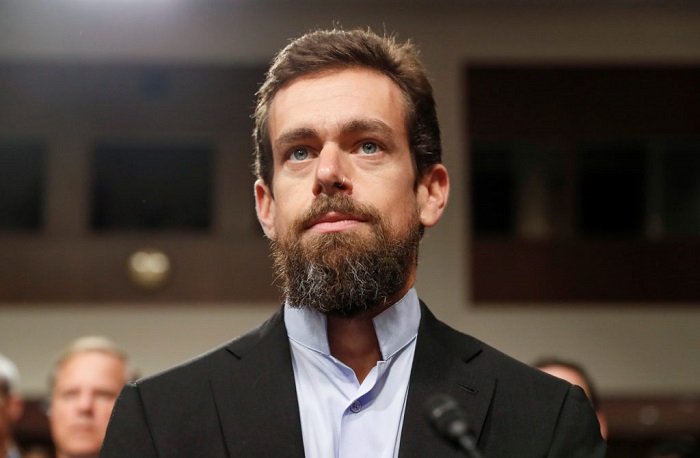
    Jack Dorsey, the co-founder and former CEO of Twitter, deleted his Instagram account on Saturday, August 18, 2023. He announced the deletion in a post on his Twitter account, saying that he had been on Instagram for 12 years and that it was “time to say goodbye.” He also said that he was one of the first 10 accounts on Instagram and one of the first angel investors in the company.


    Dorsey’s decision to delete his Instagram account comes amid a growing debate about the negative impact of social media on mental health. In recent years, there have been a number of studies that have shown that social media can contribute to anxiety, depression, and loneliness. Dorsey has been a vocal critic of social media, and he has said that he believes it is “time to break up with the internet.”


    It is unclear why Dorsey decided to delete his Instagram account specifically. However, it is possible that he was concerned about the negative impact of the platform on his mental health. It is also possible that he was simply no longer interested in using the platform.


    Dorsey’s decision to delete his Instagram account is a significant one. He is one of the most prominent figures in the tech industry, and his decision could have a ripple effect on other users. It remains to be seen how many other people will follow Dorsey’s lead and delete their Instagram accounts.

  • X Platform (Formerly Twitter) Delays Links to Reuters

    X Platform (Formerly Twitter) Delays Links to Reuters

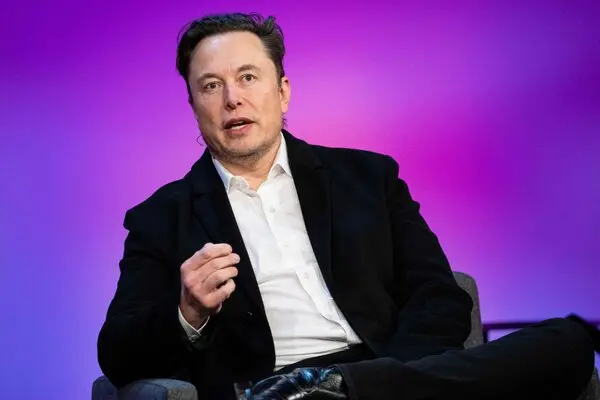
    Elon Musk’s platform, formerly known as Twitter but now referred to as the X platform, encountered a temporary hiccup in accessing external links to content from reputable websites such as Reuters and the New York Times, along with links to social media platforms including Facebook and Instagram. This transient issue caused a brief delay of around 5 seconds, as confirmed by tests conducted by the Washington Post. However, the problem was swiftly addressed by the afternoon of the same day, and the X platform effectively eliminated the delay.


    Elon Musk, who took over Twitter in October, has previously expressed his dissatisfaction with news organizations and journalists who have presented unfavorable coverage of his various ventures, notably Tesla and SpaceX.


    A user on the tech forum Hacker News shared a noteworthy observation earlier on the same Tuesday, indicating that X had started to introduce delays for links associated with the New York Times since August 4th. On that specific day, Musk openly criticized the publication’s depiction of events in South Africa and even accused it of endorsing calls for genocide.


    In a separate update, X recently implemented changes to its Ads Revenue program for content creators. This overhaul includes a reduction in the minimum number of impressions required for participation, lowering the threshold from 15 million to 5 million. The official X platform Twitter account confirmed these adjustments, stating that a broader range of individuals can now earn income through their postings.


    Furthermore, the eligibility criteria for ads revenue sharing underwent a revision, accompanied by a reduction in the minimum payout threshold from $50 to $10. These modifications are geared towards fostering inclusivity, allowing a larger pool of creators to partake in the program, and streamlining the process of earning revenue from their content on the platform.

  • Instagram Threads falls down after Initial Jump, struggling to sustain Users

    Instagram Threads falls down after Initial Jump, struggling to sustain Users

    Instagram Threads did not “fall down” in the sense of being taken offline or experiencing a major outage. However, the app has been struggling to sustain its large number of new sign ups since its launch on July 6, 2023. It did experience a significant drop in engagement in the weeks following its launch. Sensor Tower, a market analytics firm, reported that traffic to Threads has slumped by 75% since its launch. This is likely due to a number of factors, including:


    • There is nothing for news users. They can’t even choose the username or change their name. This is just a migration app from instagram to threads, seems like just a trick of Meta to hold the users from migrating somewhere else.


    • Threads app is not very different from other Meta owned other apps, like Instagram and Facebook. Users can’t even understand, what the purpose of the app was. Is it a replacement for Instagram, A way to communicate with close friends or A way to share photos and videos that you didn’t want to post on your main Instagram profile? This makes it difficult for users to see why they should use Threads instead of these other apps.


    • The lack of features. Threads is a very basic app. It only offers a few features, such as sending text messages, sharing photos and videos, and making voice calls. The app’s limited features, which were not seen as being as compelling as those of other social media platforms. This makes it difficult for users to stay engaged with the app.


    • The app was not well-promoted. Meta has not done a lot of marketing for Threads. This has made it difficult for people to know about the app.  Many people didn’t even know it existed.


    • Threads was not available to everyone, initially being limited to users in the United States and select other countries.


    As a result of these factors, users quickly lost interest in Threads. However, It is still too early to say whether Instagram Threads will be a success or not. The app’s early struggles suggest that it will need to make some changes in order to attract and retain users like username setting option, name change options, Quick Support etc.


    Despite these challenges, Meta has continued to invest in Threads and has released a number of updates to the app, including the ability to send disappearing messages, share live videos, and create polls. It remains to be seen whether these changes will be enough to boost engagement and usage of Threads, but Meta is clearly committed to making the app a success.


    If you are having trouble with Instagram Threads app, you can try the following troubleshooting tips :

    • Check for updates to the app.
    • Make sure that you have a strong and stable Internet connection.
    • Restart your device. Sometimes, a simple restart can fix problems with apps.
    • Log out of Threads and log back in.
    • Clear the cache and data for the Threads app.
    • Uninstall and reinstall the app. This will often fix problems with apps that are not working properly.


    Contact Instagram support : If you have tried all of the above steps and you are still having trouble with Threads app, you can contact Instagram support for help. However, there is very less chance of getting the support or any help, because Facebook, Instagram or meta support is not actually known to be quick or user friendly.

  • Festive Season: Video Content on Meta Platforms Dominates

    Festive Season: Video Content on Meta Platforms Dominates

    Meta’s recent survey highlights the significant influence of video content on its platforms, including Facebook and Instagram, in shaping purchase decisions during the festive season. The study, conducted by YouGov on behalf of Meta, reveals that eight out of ten Diwali shoppers heavily rely on video content while making their festive purchases.


    According to the study, Meta’s technologies are the most important channels for short-form videos (87%) and creator content (79%). Influencer and creator content also play a crucial role in influencing purchase decisions, with 66% of Diwali shoppers agreeing that creators have an impact on their choices.


    The survey was conducted on 1,523 adults in India between 23 October and 9 November 2022. It delved into how consumers discover products and services and shop during the festive season in India.


    The study highlights the growing importance of personalized content through ads on social channels. About 69% of Diwali shoppers found it easier to complete their Diwali shopping with personalized products and gift suggestions on Facebook and Instagram.


    As internet penetration increases, users are showing a preference for content in their local language. The report indicates that 76% of Diwali shoppers prefer to see advertising in their local language, showing a significant year-on-year growth in this trend.


    The festive season, which starts in September, boosts domestic consumption in India. Businesses across sectors see this period as a crucial time to reach out to consumers with their new offerings. Meta’s platforms are increasingly becoming the go-to channels for consumers during this period.


    Arun Srinivas, Director and Head of the Ads Business, Facebook India (Meta), emphasized the popularity of the festival period in India and how consumers are actively engaging on their platforms to buy fashion, beauty, gifts, and sweets.


    The study also found that 8 in 10 shoppers use WhatsApp (64%), Instagram (39%), and Messenger (38%) to engage with businesses during Diwali. Around 66% of Diwali shoppers are more likely to consider purchasing from a business if they can contact them via instant messaging.


    As Diwali shopping decisions are influenced significantly by video content and personalized ads on Meta platforms, businesses are recognizing the importance of leveraging these channels to connect with consumers and drive sales during the festive season.

  • Manoj Tiwary Announces Retirement from All Formats of the Game

    Manoj Tiwary Announces Retirement from All Formats of the Game

    Renowned Indian cricketer Manoj Tiwary has bid farewell to all formats of the game. During his illustrious career, Tiwary represented India in 12 ODIs and 3 T20Is between 2008 and 2015. Although he was part of the India squad for the 2012 T20 World Cup, he did not get a chance to play in the tournament.


    Having played all his domestic cricket for Bengal, Tiwary completed a 19-year-long career. His last appearance was in the Ranji Trophy final against Saurashtra in 2023, where he emerged as the top scorer for Bengal in the second innings. He also captained the Bengal team in the previous Ranji season.


    Taking to his Instagram account to announce his retirement, Tiwary expressed his gratitude to the game of cricket, stating that it had given him everything he could have ever imagined, even during challenging times. He thanked God for being by his side throughout his cricketing journey.


    The veteran cricketer also extended his appreciation to all the coaches who played a crucial role in his achievements, specifically acknowledging his father figure-like coach, Manabendra Ghosh, for being the pillar of his cricketing journey. Tiwary wished Ghosh a speedy recovery as he mentioned the coach’s current health condition.


    Over the course of 169 List A games, Manoj Tiwary amassed an impressive total of 5,581 runs at an average of 42.28. His contributions to the sport and his dedication to Bengal cricket will be fondly remembered by fans and fellow players alike.

  • The impact of social media on mental health and society

    The impact of social media on mental health and society

    Social media has become an integral part of our daily lives, with millions of people using platforms such as Facebook, Twitter, Instagram, and Snapchat to connect with others and share their thoughts and experiences. While social media can have many benefits, including improved communication and access to information, it can also have negative effects on mental health and society.


    One of the main ways that social media can impact mental health is by contributing to feelings of anxiety, depression, and loneliness. Studies have shown that people who spend more time on social media are more likely to experience these negative emotions, as they may feel pressure to present a perfect image of themselves online or compare themselves to others. This can lead to a cycle of negative thoughts and feelings that can be difficult to break.


    Another way that social media can impact mental health is by contributing to addiction and distraction. Many people find themselves spending hours scrolling through their feeds, checking notifications, and responding to messages, which can take away from time spent on other activities such as exercise, socializing, and self-care. This can lead to feelings of guilt, stress, and anxiety, as well as a sense of disconnection from the world around us.


    In addition to these individual impacts, social media can also have negative effects on society as a whole. One of the main ways that this occurs is through the spread of misinformation and propaganda. Social media platforms have been used to spread false information about politics, health, and other important issues, which can have serious consequences for public health and safety. Additionally, social media can contribute to the spread of hate speech, bullying, and other forms of discrimination, which can lead to increased tension and conflict within communities.


    Despite these negative impacts, social media can also have positive effects on mental health and society. For example, it can be used to connect people who may not have access to traditional forms of social support, such as those who live in remote areas or have disabilities. Additionally, social media can be used to raise awareness about important issues and mobilize people to take action on social and political causes.


    One of the ways in which social media can impact mental health is by contributing to feelings of FOMO (fear of missing out). People often feel like they are missing out on something when they see others’ posts about their social lives, travel, or other experiences. This can lead to feelings of anxiety and depression, as well as a sense of isolation from others.


    Another way in which social media can impact mental health is through cyberbullying. Social media platforms can be used to bully others, and this can have serious consequences for the mental health of the victim. Cyberbullying can lead to depression, anxiety, and even suicide in some cases.


    Social media can also contribute to sleep problems, which can have negative effects on mental health. People often use their phones or other devices before bed, which can interfere with their ability to fall asleep. This can lead to feelings of fatigue and irritability the next day, as well as difficulty concentrating and other cognitive problems.


    In terms of society, social media can have both positive and negative effects. One of the positive effects is that it can be used to connect people who may not have access to traditional forms of social support. For example, people who live in remote areas or have disabilities may find it easier to connect with others through social media.


    However, social media can also contribute to the spread of misinformation and propaganda. This can have serious consequences for public health and safety, as well as political stability. Additionally, social media can be used to spread hate speech, bullying, and other forms of discrimination, which can lead to increased tension and conflict within communities.


    Overall, the impact of social media on mental health and society is complex and multifaceted. While it can have both positive and negative effects, it’s important to be aware of the potential risks and take steps to mitigate them. This can include setting limits on social media use, being mindful of the content that is shared, and seeking professional help if needed. While it can have negative effects such as contributing to feelings of anxiety and depression, addiction and distraction, and the spread of misinformation and propaganda.