Tag: Inauguration

  • Delhi Airport Terminal 1 Inauguration: GMR Doubles Capacity

    Delhi Airport Terminal 1 Inauguration: GMR Doubles Capacity

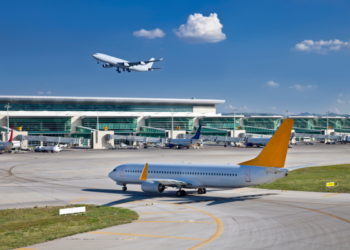
    The GMR Group is poised to revolutionize the travel experience at Delhi Airport with the inauguration of the newly expanded Terminal 1. With Prime Minister Narendra Modi dedicating this state-of-the-art facility to the nation, the GMR-led Delhi International Airport Limited (DIAL) is prepared to elevate the passenger experience to new heights.


    I Prabhakara Rao, Group Deputy Managing Director of the GMR Group, expressed his sentiments on this momentous occasion, emphasizing the significance of the Terminal 1 expansion project. He remarked, “The Delhi Airport Phase 3A Expansion project, driven by GMR Airports Infrastructure Ltd-led DIAL, is more than just bricks and mortar; it’s a testament to our nation’s ambition and a catalyst for its continued growth.” The expansion project has effectively doubled the capacity of Terminal 1, allowing it to accommodate 40 million passengers annually.


    This transformation of Terminal 1 is not merely about increasing capacity but also about redefining the passenger experience while embracing sustainability. The enhanced terminal is a marvel of innovation and aesthetics, designed to cater to the evolving needs of travelers in the modern age. It offers a seamless journey facilitated by cutting-edge technologies such as facial recognition, self-service kiosks, and automated baggage systems.


    Moreover, the integration of Arrival and Departure terminals represents a transformative shift that resonates with India’s ambition to become a global aviation hub. The expanded Terminal 1 now stands among elite global airports, boasting a capacity of 100 million passengers per annum. This integration fosters efficiency and convenience for passengers, facilitating smoother transitions between arrival and departure processes.


    The expansion of Terminal 1 reflects Delhi Airport’s commitment to providing a world-class travel experience, aligning with India’s aspirations for economic growth and connectivity. The project was undertaken in accordance with the Master Plan 2016, which anticipated the surge in air traffic movements and passenger numbers at Delhi Airport.


    The inauguration of Terminal 1 is part of a larger infrastructure development initiative led by Prime Minister Narendra Modi, who also inaugurated 15 other airport projects across the country. These projects, including the construction of new terminal buildings and the expansion of existing facilities, represent a significant investment in India’s aviation infrastructure.


    The expansion of Terminal 1 and other airport projects are not just about enhancing travel infrastructure but also about creating opportunities for economic growth and job creation. By improving connectivity and accessibility, these projects contribute to the development of the aviation sector and support India’s broader economic objectives.


    As Asia’s leading private airport operator and the world’s second-largest, GMR Airports is committed to driving innovation and excellence in airport management. With a yearly passenger capacity exceeding 189 million, GMR Airports is at the forefront of shaping the future of aviation in India and beyond.


    The inauguration of the expanded Terminal 1 at Delhi Airport marks a significant milestone in India’s aviation journey. The project represents a synergy of innovation, sustainability, and efficiency, reflecting the nation’s commitment to excellence in air travel. As India continues to invest in its aviation infrastructure, the possibilities for growth and development in this sector are endless.

  • Inauguration of Agra Metro by PM Narendra Modi

    Inauguration of Agra Metro by PM Narendra Modi

    Prime Minister Narendra Modi is set to inaugurate the priority corridor of the Agra Metro on Wednesday, March 6, marking a significant milestone in the city’s transportation infrastructure. The inauguration ceremony, scheduled for 10 am, will witness the virtual presence of Governor Anandiben Patel and Chief Minister Yogi Adityanath, adding to the importance of the event, as confirmed by Uttar Pradesh Metro Rail Corporation (UPMRC) Deputy General Manager PR, Panchanan Mishra.


    The Metro project holds great promise for enhancing connectivity and easing transportation woes in the city. Here are some key highlights and features of the Agra Metro:


    Metro Line and Stations: The Agra Metro line comprises six stations, with three elevated and three underground stations. Covering prominent landmarks such as the Taj Mahal, Agra Fort, Mankameshwar Temple, and Jama Masjid, the metro aims to facilitate convenient travel for residents and tourists alike.


    Station Names and Operation Hours: The stations along the priority corridor include Taj Mahal East, Captain Shubham Gupta, Fatehabad Road, Taj Mahal, and Mankameshwar Temple. Operating from 6 am to 10 pm, the metro service will cater to the diverse travel needs of commuters throughout the day.


    Fare Structure: The fare structure of the Agra Metro is designed to be affordable and accessible to all. With fares ranging from ₹10 for distances up to one kilometer to ₹20 for distances up to 2-6 kilometers, the metro seeks to provide an economical mode of transportation for passengers.


    Ticketing and Amenities: Passengers can conveniently purchase metro tickets and access station facilities using a dedicated mobile app, thereby minimizing waiting times and enhancing user experience. Additionally, the metro stations will feature amenities such as eateries and facilities for organizing events like birthday celebrations and pre-wedding shoots, adding to the overall appeal of the metro system.


    Cultural Integration and Sustainability: Embracing the local heritage and culture, the Agra Metro stations are adorned with paintings depicting the vibrant ‘Braj’ theme, cultural festivals, and local temples. Furthermore, the metro trains are equipped with energy-efficient features such as regenerative braking systems and CO2-based sensors, underscoring the project’s commitment to sustainability and environmental conservation.


    Future Expansion: The Metro Rail Project encompasses two corridors, namely Taj East Gate to Sikandra and Agra Cantt to Kalindi Vihar, with a total length of approximately 29.4 kilometers. The project is poised to enhance connectivity and promote economic growth across the city.


    As Agra gears up to embrace its new metro system, the inauguration marks a significant step towards modernizing urban transportation infrastructure and fulfilling the evolving needs of its residents and visitors. With its blend of heritage, innovation, and sustainability, the Agra Metro promises to be a transformative force in shaping the city’s future.

  • PM to Inaugurate Development Projects Worth ₹7,300 Crores

    PM to Inaugurate Development Projects Worth ₹7,300 Crores

    Prime Minister Narendra Modi’s visit to Madhya Pradesh on Sunday marks a significant milestone in the state’s development journey, as he inaugurates and lays the foundation stone for multiple projects worth ₹7,300 crores. With a focus on benefiting the tribal population of the region, these initiatives aim to uplift communities and enhance their quality of life.


    Among the key highlights of the visit is the disbursement of monthly installments of Aahar Anudan under the Aahar Anudan Yojna to approximately two lakh women beneficiaries. This scheme, providing ₹1,500 per month for nutritious food, particularly targets women from especially backward tribes in Madhya Pradesh, ensuring their well-being and nutritional security.


    Furthermore, Prime Minister Modi will distribute 1.75 lakh adhikar abhilekh (record of rights) to beneficiaries of the SVAMITVA Scheme, a significant step towards providing documentary evidence of land ownership rights. This initiative empowers people by granting them formal recognition and legal validation of their land ownership, thereby enhancing their socio-economic status and facilitating access to various government schemes and services.


    Another noteworthy aspect of the visit is the foundation stone laying of the ‘CM Rise School’ in Jhabua, which underscores the government’s commitment to providing quality education equipped with modern facilities. Integrating technology to offer smart classes and e-library resources, this initiative aims to empower students with the skills and knowledge necessary for their holistic development and future success.


    In addition to educational endeavors, Prime Minister Modi will inaugurate projects aimed at strengthening water supply and provisioning of drinking water across Madhya Pradesh. The ‘Talavada Project’ stands out as a significant drinking water supply scheme benefiting over a thousand villages in Dhar and Ratlam districts, addressing a critical need for safe and accessible drinking water.


    Furthermore, urban water supply schemes under the Atal Mission for Rejuvenation and Urban Transformation (AMRUT) 2.0 will provide potable water to more than 50 thousand households in various urban areas of Madhya Pradesh, contributing to improved sanitation and overall public health.


    The ‘Nal Jal Yojna’ initiative is set to benefit 50 Gram Panchayats in Jhabua, facilitating tap water access for approximately 11,000 households and significantly improving the quality of life for residents. These water-related projects reflect the government’s commitment to ensuring equitable access to essential services and infrastructure for all citizens.


    Additionally, Prime Minister Modi will inaugurate several rail projects, including the redevelopment of Ratlam and Meghnagar railway stations under the Amrit Bharat station scheme. Furthermore, railway line doubling and grade separator projects demonstrate the government’s efforts to enhance connectivity and modernize transportation infrastructure across the state.


    The visit also encompasses the dedication of road development projects worth over ₹3,275 crore, including the four-laning of key highway sections and the improvement of road connectivity in Madhya Pradesh. These infrastructure investments are poised to boost economic growth, facilitate trade and commerce, and enhance overall connectivity within the state.


    Overall, Prime Minister Narendra Modi’s visit to Madhya Pradesh symbolizes a significant stride towards holistic development and prosperity, reaffirming the government’s commitment to uplifting communities, fostering inclusive growth, and building a brighter future for the people of the state.

  • PM Modi to Inaugurate BAPS Hindu Mandir in Abu Dhabi

    PM Modi to Inaugurate BAPS Hindu Mandir in Abu Dhabi

    Indian Prime Minister Narendra Modi is poised to inaugurate the BAPS Hindu Mandir in Abu Dhabi on February 14, marking a historic milestone in cultural collaboration between India and the UAE. This momentous event will see the unveiling of the Middle East’s first traditional Hindu stone temple, situated in the Abu Mureikhah area. The temple stands as a symbol of enduring cultural ties, emphasizing the deep-rooted friendship between India and the UAE.


    The initiative to construct the BAPS Hindu Temple received a significant boost when the Crown Prince of Abu Dhabi, Sheikh Mohamed bin Zayed Al Nahyan, generously donated 13.5 acres of land in 2015 for the temple’s development. This act of goodwill reflects the strong support for cultural diversity and mutual respect between the two nations.


    In December, Prime Minister Narendra Modi engaged in discussions with BAPS Swami Ishwarcharandas regarding the temple project. During this meeting, PM Modi graciously accepted the invitation to inaugurate the iconic temple, expressing his wholehearted support for this historic endeavor.


    The BAPS Hindu Mandir in Abu Dhabi is designed to be the Middle East’s first traditional Hindu stone temple. It stands atop a hillock on the outskirts of Abu Dhabi, providing a picturesque setting. The temple is a testament to the enduring tradition of peace and tolerance, inspired by the legacies of Mahatma Gandhi and Sheikh Zayed. The grand structure exemplifies architectural brilliance and serves as a testimony to the cultural harmony that transcends borders.


    The construction of the temple began with the laying of its foundation on April 20, 2019. Over the subsequent years, more than 2,000 skilled artisans from Rajasthan and Gujarat dedicated their efforts to carving the 402 white marble pillars that adorn the temple. The meticulous craftsmanship reflects the cultural richness and artistic prowess inherent in India’s heritage.


    As the inauguration approaches, a cultural program involving 400 local talents has been meticulously planned. This program aims to celebrate the diverse cultural heritage of India and showcase the artistic talents of the local community. The event will add vibrancy to the inauguration, further promoting cultural understanding and appreciation.


    Prime Minister Narendra Modi has acknowledged the pivotal role of key individuals, volunteers, and supporters involved in the BAPS Hindu Mandir project in Abu Dhabi. Their dedication and contributions have been recognized as significant sources of pride for India. The support and collaboration involved in this project underscore the importance of cultural diplomacy and people-to-people ties in fostering international relations.


    The excitement surrounding the BAPS Hindu Mandir inauguration is palpable, with almost 12,000 registrations received within 24 hours of the announcement. This unprecedented enthusiasm reflects the anticipation and eagerness of the Indian community in the UAE to witness this historic moment. The event is a testament to the strong cultural bonds that unite the Indian diaspora in the region.


    The cultural collaboration between India and the UAE extends beyond the temple inauguration. During his visit, Prime Minister Modi is expected to address the Indian community at the Sheikh Zayed Stadium on February 13, in an event titled “Ahlan Modi” (Hello Modi). This engagement underscores the importance of the Indian diaspora in the UAE and provides a platform for fostering stronger connections.


    In addition to the cultural celebration, the visit includes the signing of four Memoranda of Understanding (MoUs) between India and the UAE. These agreements signify the commitment of both nations to strengthen bilateral ties across various sectors. The collaborative efforts showcased during this visit highlight the multifaceted nature of India-UAE relations.


    As Prime Minister Narendra Modi prepares to inaugurate the BAPS Hindu Mandir in Abu Dhabi, the event stands as a shining example of cultural collaboration, diplomacy, and friendship. The temple’s inauguration marks not only a significant architectural achievement but also a milestone in promoting cultural understanding and harmony on the global stage.

  • Development Projects Worth ₹19,100 Crore in Bulandshahr

    Development Projects Worth ₹19,100 Crore in Bulandshahr

    Prime Minister Narendra Modi is set to inaugurate a series of development projects worth over ₹19,100 crore during his visit to Bulandshahr, Uttar Pradesh. The Prime Minister’s Office (PMO) has announced that the projects include significant infrastructure enhancements, railway connectivity improvements, and the inauguration of an Integrated Industrial Township at Greater Noida (IITGN). Additionally, PM Modi will also welcome French President Emmanuel Macron in Jaipur on January 25.


    In Bulandshahr, PM Modi is expected to dedicate to the nation the 173 km long double line electrified section between New Khurja and New Rewari on the Dedicated Freight Corridor (DFC). The inauguration will include flagging off goods trains from the two stations, marking a crucial milestone in improving rail connectivity between the national capital and Southern Western and Eastern India.


    The Prime Minister will also launch the fourth line connecting the Mathura-Palwal section and the Chipiyana Buzurg-Dadri section, further enhancing railway connectivity.


    Several road development projects will be inaugurated, including the Aligarh to Bhadwas four-laning work Package-1, part of the Aligarh-Kanpur Section of NH-34. The widening of the Meerut to Karnal border via Shamli (NH-709A) and the four-laning of the Shamli-Muzaffarnagar section of NH-709 AD Package-II are also part of the infrastructure initiatives.


    Indian Oil’s Tundla-Gawaria Pipeline will be inaugurated, facilitating the transportation of petroleum products from Tundla to Gawaria T-Point of the Barauni-Kanpur Pipeline. The project includes pumping facilities at Mathura and Tundla and delivery facilities at Tundla, Lucknow, and Kanpur.


    PM Modi will also inaugurate the ‘Integrated Industrial Township at Greater Noida’ (IITGN), contributing to the industrial development of the region.


    In addition to the infrastructure projects, the Prime Minister will inaugurate the renovated Mathura sewerage scheme, which includes the construction of a sewage treatment plant (STP) at an estimated cost of about ₹460 crore.


    Meanwhile, the visit to Jaipur on January 25 will see PM Modi welcoming French President Emmanuel Macron. The visit is part of the 25th-anniversary celebrations of the India-France Strategic Partnership. The leaders are expected to hold in-depth bilateral talks during their visit to the Pink City.


    The significance of these projects in Bulandshahr lies in the improvement of transportation and industrial infrastructure, contributing to the overall development of the region. The inauguration of the Integrated Industrial Township at Greater Noida aligns with the government’s focus on boosting industrial growth and creating employment opportunities. The visit underscores the commitment to strengthen diplomatic ties with France, marking the 25th anniversary of the strategic partnership between the two nations.


    As PM Modi continues to dedicate significant projects, the developmental initiatives are expected to have a far-reaching impact on the economic landscape of Uttar Pradesh and foster collaboration with international partners.

  • Devotees Throng Ayodhya as Ram Temple Opens to Public

    Devotees Throng Ayodhya as Ram Temple Opens to Public

    The grand Ram temple in Ayodhya opened its doors to the public on Tuesday, a day after the ceremonial Pran Pratistha of Ram Lalla that witnessed the presence of distinguished guests from across India. Devotees, both locals and visitors from other states, thronged Ayodhya, eager to witness the historic event.


    Large crowds gathered near the main gateway along the Ram Path leading to the temple complex late on Monday, seeking entry to the premises. The temple, which witnessed a significant rush of devotees, had enhanced security measures in place.


    On Monday, the police informed the gathering near the ceremonial gateway, adorned for the consecration ceremony, that the temple would be open to the public from Tuesday. Devotees from various parts of the country arrived early on Tuesday, some even breaking through the security at Shri Ram Janmabhoomi Temple to have ‘Darshan’ of Ram Lalla.


    A devotee from Odisha, who traveled 1224 kilometers on a bike, expressed his eagerness to have darshan of Lord Ram Lalla. He shared his journey, stating, “When I was asked on my way where I was going, I said that I was going to have darshan of Lord Ram at the temple which was not built for over 500 years.”


    Devotees were seen taking a dip in the cold waters of the Saryu River by the temple before heading for darshan. Some carried offerings like rice for Lord Ram Lalla. Despite the intense cold weather, the devotees expressed their joy at being part of this significant event.


    An astrologer who had predicted the construction of the grand Ram temple after October 2019 was among the devotees eagerly waiting for darshan at the temple.


    Prime Minister Narendra Modi led the event on Monday, where an idol of the new Ram Lalla was consecrated. The Prime Minister emphasized the need to go beyond the construction of the grand mandir and focus on building the foundation of a “strong, capable, and divine” India for the next 1,000 years.


    The Shri Ram Janmbhoomi Mandir, built-in the traditional Nagara style, boasts a length of 380 feet and a width of 250 feet. Standing 161 feet above the ground, it is supported by 392 pillars and features intricately sculpted depictions of Hindu deities, Gods, and Goddesses. The sanctum sanctorum on the ground floor houses the idol of Shri Ramlalla, depicting the childhood form of Bhagwan Shri Ram.

  • Private Jets Face Parking Crunch at Ram Temple Inauguration

    Private Jets Face Parking Crunch at Ram Temple Inauguration

    The much-anticipated inauguration of the Ram Temple in Ayodhya, scheduled for January 22, has created a buzz, not just among the public but also in the aviation sector. As India prepares for this historic event, private jets carrying politicians, business executives, and celebrities face an unexpected challenge – a lack of parking space at Ayodhya airport.


    Prime Minister Narendra Modi is set to inaugurate the temple, and the event is expected to draw around 500,000 visitors to Ayodhya for the consecration ceremony. However, the limited parking bays at Ayodhya airport are causing private jets to land and then take off to park at other nearby airports due to space constraints and security reasons.


    Approximately 50 private jets are anticipated to land at Ayodhya for the grand event, reflecting the high-profile nature of the inauguration. The surge in demand for private jet services has been driven by corporate houses, travel trade, and high-net-worth individuals, creating a robust business for air charter companies.


    Santosh Sharma, CEO of Foresee Aviation Pvt. Ltd, an air charter consultancy firm, mentioned that all types of aircraft, including private jets and turbo-propellers, have already been booked for the Ayodhya event. The heightened demand showcases the significance of the occasion, attracting attendees from various quarters.


    The spike in demand has also impacted commercial flights, with direct flights from Delhi to Ayodhya sold out for January 21. Online travel platforms indicate a significant increase in one-way fares for the route, ranging from ₹12,000 to ₹15,000, well above the average fare range of ₹3,000 to ₹5,000.


    The scarcity of available hotel rooms in Ayodhya has further compounded the challenges for visitors. Hotel tariffs have surged, reaching as high as ₹45,000 per night for rooms that would typically cost around ₹4,000. The hotel industry is working on infrastructure enhancements to accommodate the expected influx, but these efforts will take time.


    P. P. Khanna, a board member of the Federation of Associations in Indian Tourism and Hospitality, highlighted that Ayodhya currently has a limited number of three-star properties reserved for government delegates and important personalities attending the event.


    The travel industry is witnessing a notable increase in interest for Ayodhya as a spiritual destination. Search data from travel platforms, including MakeMyTrip, reveal a spike in global searches for Ayodhya as a preferred spiritual destination. This heightened interest is not limited to India, as users from the US, the Gulf region, Canada, and Australia are exploring Ayodhya.


    With limited hotel inventory, travelers are exploring alternative accommodations in nearby cities like Lucknow, Gorakhpur, and Prayagraj. Thomas Cook reports a 400% uptick in demand compared to pre-pandemic levels, with customers considering day trips to Ayodhya and booking accommodations in neighboring cities.


    Major airlines, including IndiGo, Air India Express, and SpiceJet, have introduced or expanded flight services to Ayodhya to meet the rising demand. However, the unique challenge of parking limitations at Ayodhya airport reflects the unprecedented scale and significance of the Ram Temple inauguration, creating a high-flying experience for both private jet travelers and commercial flight passengers.

  • MTHL Speed Limit Rules Announced by Mumbai Police

    MTHL Speed Limit Rules Announced by Mumbai Police

    With the much-anticipated inauguration of the Mumbai Trans Harbour Link (MTHL), also known as Atal Setu, approaching, the Mumbai Police has released rules regarding the speed limits for vehicles on the bridge. The infrastructure project, set to be inaugurated by Prime Minister Narendra Modi on January 12, holds significant promise for improving connectivity in and around Mumbai.


    According to the guidelines issued by the Mumbai Police, the maximum speed limit for four-wheelers on the Atal Setu bridge is set at 100 kmph. However, speed restrictions of 40 kmph will be enforced on the ascent and descent of the bridge. Notably, two-wheelers and three-wheelers are prohibited from accessing the sea bridge.


    In a statement, the Mumbai Police stated, “There will be no entry for vehicles like motorcycles, mopeds, three-wheelers, autos, tractors, animal-drawn vehicles, and slow-moving vehicles.” Additionally, multi-axle heavy vehicles, trucks, and buses heading towards Mumbai are not permitted on the Eastern Freeway. These vehicles must use the Mumbai Port-Sewri Exit (Exit 1C) and take the MBPT Road near ‘Gadi Adda’ for further movement.


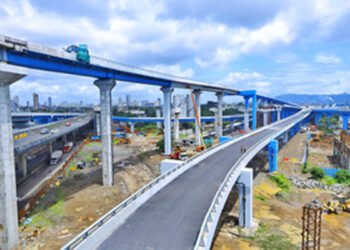
    The Mumbai Trans Harbour Link, named after former Prime Minister Atal Bihari Vajpayee, is set to be the longest sea bridge in the country. The 6-lane sea link spans 16.50 kilometers over the sea, with an additional 5.5 kilometers on land. The project, constructed at a cost of ₹18,000 crore, has been in progress since 2018 and faced delays due to the COVID-19 pandemic.


    The bridge, originating from Sewri in Mumbai and terminating at Nhava Sheva in Uran taluka in Raigad district, is expected to significantly reduce travel time between Mumbai and Navi Mumbai. The Maharashtra government anticipates that the MTHL or Atal Setu could cover the distance between Mumbai and Navi Mumbai in just 20 minutes, compared to the current 2-hour journey. Furthermore, the bridge will enhance connectivity between Mumbai and Pune Expressway, Goa Highway, Vasai, Virar, Navi Mumbai, and Raigad districts.


    As Prime Minister Narendra Modi inaugurates the Mumbai Trans Harbour Link on January 12, the city awaits the positive impact of this infrastructure marvel on its transportation landscape.

  • PM Modi Inaugurates 10th Vibrant Gujarat Global Summit

    PM Modi Inaugurates 10th Vibrant Gujarat Global Summit

    Prime Minister Narendra Modi arrived in Ahmedabad on January 9, commencing a two-day visit to launch the 10th edition of the Vibrant Gujarat Global Summit 2024 at Mahatma Mandir, Gandhinagar. Celebrating a decade of success, this summit, held from January 10 to 12, revolves around the theme ‘Gateway to the Future.’


    PM Modi expressed his joy about his association with the Vibrant Gujarat Summit, highlighting its significant role in contributing to Gujarat’s growth and creating opportunities for numerous individuals. The summit has evolved into a global platform, witnessing participation from 135 countries and over 2000 exhibitors.


    The event’s theme, ‘Gateway to the Future,’ underscores its role as a pivotal platform in the global landscape. With 34 partner countries and 16 partner organizations, this edition aims to commemorate “20 Years of Vibrant Gujarat as the Summit of Success.”


    During his visit, PM Modi is scheduled to meet world leaders and CEOs of top global corporations, fostering bilateral relations and exploring avenues for economic collaboration. The summit anticipates signing numerous investment pacts, with Gujarat having been a magnet for foreign direct investment (FDI), attracting USD 55 billion in the last two decades.


    Gujarat’s economic impact is particularly noteworthy in the auto sector, which secured 13% of the state’s FDI, surpassing India’s national average. The state’s auto exports reached ₹12 lakh crore in the financial year 2022-23, constituting 33% of India’s total exports.


    While Gujarat hopes for a record number of investment pacts during the summit, officials remain non-committal on the participation of Tesla co-founder and CEO Elon Musk. The summit, known for its success in previous editions, witnessed a record 28,360 projects and Memorandums of Understanding (MoUs) signed in 2019, showcasing its growing importance.


    As part of the summit’s activities, Hindustan Aeronautics Limited (HAL) showcased its capabilities at the ‘Vibrant Gujarat Global Trade Show 2024,’ aligning with the ‘Aatmanirbhar Bharat’ vision. This signifies the summit’s broader scope, reaching beyond economic collaborations to showcase advancements in various sectors.


    Security measures for the summit include 3D mapping of venues using drones, dedicated frequency channels, and control rooms equipped with CCTV for effective monitoring. The ‘Vibrant Gujarat Global Trade Show 2024’ offers a platform for various companies, with Hank Schouten, Chairman and Founder of Schouten Europe, acknowledging significant opportunities in India, particularly in the plant-based protein sector.


    The 10th edition of the Vibrant Gujarat Global Summit marks a significant milestone in the state’s journey, reflecting on its success over the past decade. With a focus on economic growth, global partnerships, and showcasing advancements, the summit continues to play a crucial role in positioning Gujarat as a vibrant and dynamic destination for investments and collaborations.

  • Bengaluru Metro’s Purple Line to Ease Commute Starting Soon

    Bengaluru Metro’s Purple Line to Ease Commute Starting Soon

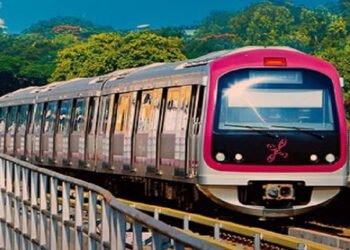
    Bengaluru residents are set to experience a significant improvement in their daily commute as the Purple Line, also known as the Whitefield-Challaghatta Metro corridor, becomes fully operational from Monday, October 9. This development is expected to bring relief to residents of Whitefield, who have long endured time-consuming commutes to Bengaluru for work.


    Notably, there will be no official inauguration ceremony for the Purple Line, as announced by Bangalore Central MP, PC Mohan, on Sunday.


    In a statement posted on X, PC Mohan revealed that Prime Minister Narendra Modi has instructed the Bangalore Metro Rail Corporation Limited (BMRCL) to commence services on the new stretches of the Purple Line without postponing operations for a formal inauguration ceremony with VIP presence.


    The newly operational segments include the 2.1-km Baiyappanahalli-KR Pura and the 2.05-km Kengeri-Challaghatta sections, which will open to the public starting from 5 am. These sections are part of the larger Purple Line, which spans 42.85 km and connects Whitefield in the east to Challaghatta in the west.


    The communique shared by PC Mohan on X stated, “PM Narendra Modi Ji has instructed BMRCL to throw open services on the new stretches of the purple line (Challaghatta to Kengeri and Baiyappanahalli to Whitefield) on an immediate basis and without delaying the operations to hold any formal inauguration ceremony with a VIP presence.”


    The statement emphasized that this move is a demonstration of reducing VIP culture in the country and placing public interest as the top priority.


    It further acknowledged Prime Minister Modi’s significant contributions to Bengaluru, highlighting initiatives such as long-pending approvals for the Suburban Rail, the rapid approval and construction of the STRR (Satellite Town Ring Road), the expansion of Namma Metro Phase 2A and 2B, the addition of electric buses to augment BMTC’s fleet under the FAME-II scheme, and the expansion of Kempegowda International Airport with a new terminal (T2). These infrastructure projects are expected to ease city commuting and enhance the quality of life for Bengaluru residents.


    The full operation of the Purple Line is expected to provide much-needed relief to commuters and contribute to the city’s overall development.

  • PM Modi Inaugurates and Lays Foundation for Projects

    PM Modi Inaugurates and Lays Foundation for Projects

    Prime Minister Narendra Modi’s recent visit to Telangana marked a momentous occasion as he inaugurated and laid the foundation stone for projects totaling approximately ₹8,000 crores. The visit was brimming with significant announcements and engagements, highlighting the government’s commitment to infrastructure development and political discourse. Here’s a breakdown of the key events during the Prime Minister’s visit:


    Inauguration of Telangana Super Thermal Power Project:

    The highlight of the day was the inauguration of the first 800 MW unit of phase 1 of the Telangana Super Thermal Power Project. This critical energy project holds the potential to bolster the state’s power generation capabilities and meet the increasing demands of a rapidly growing region.


    Railway Electrification and Dedication of Rail Projects:

    In his address to the gathering, Prime Minister Modi shared the Indian Railways’ ambitious goal of achieving 100% electrification of all rail lines within the next few months. This commitment aligns with the broader push for greener and more sustainable modes of transportation. Additionally, the Prime Minister dedicated several significant rail projects to the nation:


    New Railway Line: The newly inaugurated railway line connecting Manoharabad and Siddipet is poised to have a far-reaching impact on the socio-economic development of the region. Stretching over 76 kilometers, this line promises to facilitate better connectivity and economic growth, particularly in the districts of Medak and Siddipet.


    Electrification Projects: Another milestone was the electrification projects between Dharmabad-Manoharabad and Mahabubnagar-Kurnool. These initiatives are designed to enhance the average speed of trains, contributing to improved efficiency and reducing the carbon footprint of rail transport in the region.


    Foundation Stone for Critical Care Blocks (CCBs):

    Under the Pradhan Mantri – Ayushman Bharat Health Infrastructure Mission, Prime Minister Modi laid the foundation stone for 20 critical care blocks (CCBs). These blocks are a crucial component of strengthening healthcare infrastructure, particularly in light of the ongoing challenges posed by the COVID-19 pandemic.


    Public Meeting and Political Rhetoric:

    During his visit, Prime Minister Modi also addressed a public meeting in Nizamabad, which was organized by the Bharatiya Janata Party (BJP). The event was accompanied by a vibrant roadshow that drew enthusiastic crowds. In his speech, the Prime Minister didn’t shy away from political discourse:


    Congress and Opposition INDIA Alliance: PM Modi criticized the Congress and the Opposition INDIA alliance for their failure to pass the Women’s Reservation Bill over the past three decades. This issue, which pertains to gender equality and representation, has remained a point of contention in Indian politics.


    BJP’s Contribution to Telangana: Prime Minister Modi highlighted the BJP’s role in the creation and development of Telangana. He drew a parallel between Sardar Patel’s historic efforts in liberating Hyderabad and his own commitment to the state’s prosperity.


    Telangana’s Achievements: The Prime Minister commended Telangana for its significant contributions in the fight against COVID-19. He specifically mentioned the state’s achievement in developing and globally distributing COVID-19 vaccines, underscoring the importance of regional contributions to the pandemic response.


    Allegations Against TRS Government: In a move that added a political dimension to his visit, PM Modi accused the Telangana Rashtra Samithi (TRS) government of misusing central funds meant for the state’s development. This allegation raised questions about the utilization of funds and accountability in the governance of Telangana.


    Prime Minister Narendra Modi’s visit to Telangana showcased not only the inauguration of vital projects but also substantial discussions on railway electrification and critical healthcare infrastructure. The event was punctuated by political rhetoric, emphasizing the BJP’s role in Telangana’s development and addressing contentious issues in Indian politics.