Tag: Impersonation

  • NEET Man Poses as Doctor at Delhi Hospital, Arrested

    NEET Man Poses as Doctor at Delhi Hospital, Arrested

    A bizarre incident unfolded at Ram Manohar Lohia Hospital in central Delhi when a 24-year-old man, claiming to be a NEET aspirant, was apprehended for allegedly impersonating a doctor. Identified as Ashutosh Tripathi, a resident of Burari, the individual was found wandering inside the hospital premises adorned in a stethoscope and doctor’s apron, raising concerns among hospital staff. The situation came to a head when he was discovered in the emergency department on Tuesday, prompting hospital authorities to alert the police.


    Upon receiving the report, law enforcement officers swiftly intervened and detained the imposter. An FIR under section 170 (impersonating a public servant) of the Indian Penal Code was promptly registered at the North Avenue police station, following a complaint lodged by senior resident Rahul Dhamija from the department of surgery.


    Tripathi’s bewildering actions continued even during police interrogation. Initially, he claimed that he had been summoned by a friend to rendezvous at the hospital, although no such acquaintance materialized. Moreover, his assertions regarding his profession, occupation, and the supposed companion accompanying him were all debunked upon investigation.


    Authorities suspect foul play, with indications pointing towards the individual’s ulterior motive of theft. Despite his penchant for masquerading as a doctor, Tripathi failed to account for the origin of the doctor’s apparel and medical paraphernalia he was found with, further casting doubt on his intentions.


    During questioning by hospital personnel, Tripathi initially asserted his status as a qualified doctor before subsequently modifying his statement to identify himself as a medical student. Ultimately, he disclosed that he was diligently preparing for the NEET entrance examination, having appeared for the test the previous year without success.


    The incident has left authorities and hospital staff perplexed, highlighting the need for heightened vigilance and security measures to prevent such occurrences in the future. While the individual’s true intentions remain shrouded in ambiguity, the swift action taken by hospital authorities and law enforcement serves as a testament to their commitment to safeguarding public safety and maintaining the integrity of healthcare institutions.

  • Kenyan Fake Lawyer Wins 26 Legal Cases Before Arrest

    Kenyan Fake Lawyer Wins 26 Legal Cases Before Arrest

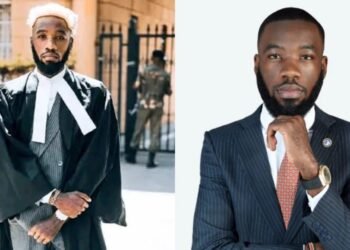
    In a startling case that has exposed significant vulnerabilities within Kenya’s legal system, Brian Mwenda, a Kenyan resident, successfully impersonated a legal practitioner and managed to represent clients in 26 cases before High Court Judges, Magistrates, and Court of Appeal Judges. Even more astonishing, Mwenda emerged victorious in all 26 cases until his eventual arrest. This shocking revelation raises serious questions about the country’s legal system and the effectiveness of its legal practitioners.


    Brian Mwenda’s remarkable feat went largely unquestioned by the judiciary, highlighting a glaring lack of oversight and due diligence in verifying the credentials of legal representatives appearing in court. While the legal profession typically requires years of education and training, Mwenda’s case suggests that these stringent requirements were easily bypassed.


    The news of Mwenda’s impersonation sparked a mix of astonishment and debate on social media platforms. Some individuals questioned why he should be punished when he was able to win cases against qualified lawyers who had undergone formal legal training. Others suggested that he should be awarded an honorary law degree for his remarkable legal victories.


    Mwenda’s case also highlights the potential existence of uncredentialed but highly talented individuals who could excel in their chosen fields if given the opportunity. In many cases, access to formal education and certification can be a significant barrier for those with exceptional talents. This situation has led to discussions about the recognition of innate abilities and skills that may not require traditional educational pathways.


    The shocking revelation surrounding Brian Mwenda’s impersonation is likely to trigger a thorough investigation into the country’s legal system and its oversight mechanisms. It has also cast a spotlight on the need for more rigorous verification of individuals appearing as legal representatives in court. Additionally, it raises concerns about the possibility of similar incidents occurring in other professional fields.


    This case serves as a stark reminder of the importance of ensuring the integrity and credibility of professional qualifications. It also underscores the need for a robust and transparent vetting process to protect the interests of clients and maintain the trustworthiness of the legal profession. As the legal community in Kenya grapples with this unsettling incident, it will likely trigger important conversations about the verification of professional qualifications and the role of innate talent in various fields.