Tag: Hydroelectric Project

  • Landslide Impacts Arunachal Pradesh Dam Project

    Landslide Impacts Arunachal Pradesh Dam Project

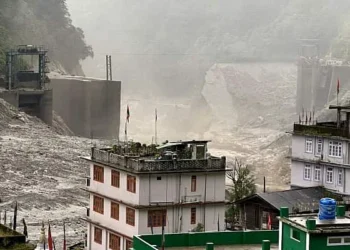
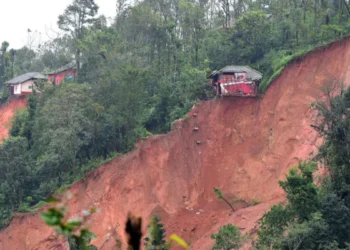
    A major landslide hit an under-construction dam in Arunachal Pradesh on Friday, causing significant disruption to a 2,000 megawatt (MW) hydroelectric project and diminishing water flow in the Subansiri river in Assam. The landslide occurred about 300 meters from the dam and blocked a diversion tunnel in the Subansiri river, resulting in a sharp reduction in downstream water flow.


    This particular diversion tunnel was the only one in use at the Subansiri Lower Hydroelectric Project, as the other four diversion tunnels had already been blocked earlier, according to the National Hydroelectric Power Corporation (NHPC).


    The incident has raised concerns in Assam’s Lakhimpur district, which is situated downstream of the dam in Arunachal Pradesh. The government has issued an advisory, urging people to refrain from activities like fishing, swimming, bathing, and boating. Additionally, people have been asked to keep their cattle away from the river.


    NHPC officials have stated that the river is expected to return to its normal flow by the evening. “The current river flow of 997 cubic meters per second is being stored in the reservoir, and the water level reached 139 meters by 1 pm. It is expected that the water level will reach 145 meters by the evening, and the river will return to flowing through the spillway normally,” the statement read.


    The blockage of the diversion tunnels, used for redirecting river water during construction, had been a concern for the project over the past decade. Local activists and residents had expressed worries about potential downstream impacts of the dam, leading to protests.


    In April last year, the powerhouse protection wall of the dam had collapsed due to tail race channel construction activities. The tail race channels, responsible for releasing water back into the river after passing through turbines, are located on the right bank of the river in Arunachal Pradesh.


    Over the last three years, the project site has experienced four significant landslides. The NHPC commenced construction of the project in January 2005 but faced a lengthy halt from 2011 to 2019 due to ongoing protests.


    According to company estimates in 2020, the project’s cost, originally scheduled to be commissioned in 2012, had surged to approximately ₹20,000 crore from the initial ₹6,285 crore. This incident also follows a recent dam breach in Sikkim, which resulted from a glacial lake outburst and led to flash floods and casualties, raising concerns about the safety of such projects in the region.

  • South Lhonak Tragedy: Warning Signs of Glacial Lake Outburst

    South Lhonak Tragedy: Warning Signs of Glacial Lake Outburst

    The catastrophic incident involving the bursting of South Lhonak Lake in Sikkim, resulting in the loss of 14 lives and the destruction of a valuable hydroelectric project, has brought to the forefront the overlooked warnings of potential glacial lake outburst floods (GLOF) linked to climate change.


    Scientists had been issuing warnings about the South Lhonak Lake and the broader risk of GLOFs for nearly two decades. In 2013, they had already raised alarm bells, identifying a “very high probability of sudden outburst” from the lake, which could lead to flash floods downstream. Even as far back as 2001, the Sikkim Human Development Report had spoken of the “catastrophic” impact of GLOFs and had highlighted the retreat of glaciers in the state.


    GLOFs occur when lakes formed by melting glaciers suddenly burst open due to various factors, including excessive water accumulation from events like cloudbursts or triggers like earthquakes. This sudden release of an enormous volume of water causes flash floods downstream.


    In recent years, the South Lhonak glacier had been rapidly retreating due to climate change and global warming. Between 1962 and 2008, it receded by 1.9 to 2 km, and in the following 11 years, it retreated an additional 400 meters. This melting of the glacier significantly increased the amount of water in the lake.


    The South Lhonak Lake, located at an elevation of 17,100 feet, was fed not only by the South Lhonak glacier but also by glacial run-off from the retreating North Lhonak glacier and the main Lhonak glacier. This expansion of water sources led to an increase in the lake’s surface area by 500 meters and its average depth by 50 meters, according to Dr. SN Remya, the lead scientist behind the 2013 study.


    These scientists had predicted a 42 percent probability of the South Lhonak glacier bursting and warned of the release of up to 19 million cubic meters of water, recommending the establishment of early warning systems.


    In 2021, another study highlighted the “accelerated growth” of glacial lakes in Sikkim and the South Lhonak glacier’s continued retreat, making it the largest and fastest-growing glacial lake in the state. This study predicted peak discharge rates of up to 4,300 cubic meters per second for certain breach depths, raising serious concerns about downstream hazards, particularly in densely populated areas.


    The tragic flash flood in Sikkim not only devastated lives and infrastructure but also underscored the importance of heeding scientific warnings. Although some preventive measures were taken, including the siphoning of excess water from South Lhonak Lake and plans for early warning systems, the sudden cloudburst outpaced these efforts.


    Sikkim is home to around 300 glacial lakes in high-altitude areas, and at least 10 are believed to be vulnerable to GLOF events. Implementing early warning systems and taking proactive measures to address climate change impacts are critical steps in averting such disasters in the future.