Tag: healthcare

  • 8 Future Trends of Artificial Intelligence (AI) in Healthcare

    8 Future Trends of Artificial Intelligence (AI) in Healthcare

    The influence of artificial intelligence (AI) is evident across various industries, and healthcare remains a key beneficiary. Its integration is far from a simple enhancement-it signifies an essential evolution that strengthens patient care, refines administrative functions, and encourages advanced treatment methods. AI-driven diagnostic systems can rapidly assess medical images, facilitating early disease identification and enhanced patient health results. Furthermore, virtual AI assistants provide instant medical information to patients, improving both their engagement with healthcare services and accessibility to crucial resources.


    AI In Health Sector

    Beyond clinical applications, AI is streamlining operational aspects of healthcare. Hospitals are increasingly adopting AI to automate routine tasks, such as medical documentation, thereby reducing the workload on healthcare professionals and allowing them to focus more on patient care. Moreover, AI is enhancing medical education through advanced tools and technologies, fostering immersive learning experiences that ultimately improve patient care. This article explores eight future trends of AI in healthcare, highlighting how these advancements are poised to revolutionise the industry.


    1. Personalised medicine

    The ability of AI to process extensive medical data supports the development of treatment plans tailored to individual patients. By incorporating genetic profiles, lifestyle choices, and medical history, AI can assess potential responses to specific therapies, enabling more accurate and targeted treatments. This advancement in personalised medicine holds the potential to boost patient health and minimise negative reactions.


    2. Predictive analytics

    AI-driven predictive analytics can anticipate health issues before they arise. By analysing past and current data, AI models detect patterns that indicate potential diseases or complications. For example, AI can identify patients who may develop chronic illnesses like heart disease or diabetes, enabling timely interventions and preventive care.


    3. Virtual health assistants

    Virtual health assistants powered by AI are transforming patient engagement. These digital tools offer 24/7 assistance by addressing queries, managing appointments, and sending medication reminders. They improve healthcare accessibility while reducing the strain on medical professionals. For example, AI chatbots assist patients in following pre-and post-surgical care instructions, ensuring treatment adherence.


    4. Remote patient monitoring

    Wearable technology with artificial intelligence (AI) capabilities enables continuous patient vital sign monitoring. With this real-time data collection, healthcare providers can see abnormalities early and act quickly. Remote monitoring has the potential to improve quality of life and drastically lower hospital readmissions for the management of chronic diseases. AI analyses the data from these devices to provide actionable insights, facilitating proactive healthcare.


    5. AI in medical imaging

    AI is revolutionising medical imaging by enhancing the accuracy and speed of image analysis. Machine learning algorithms can detect subtle changes in imaging studies, aiding in early diagnosis of conditions like cancer. For example, AI can analyse mammograms to identify potential malignancies that may be overlooked by the human eye, leading to earlier treatment and better patient outcomes.


    6. Drug discovery and development

    The pharmaceutical industry is integrating AI to speed up drug discovery. By examining extensive biological data, AI can anticipate how various compounds interact with targets, allowing scientists to pinpoint effective drug candidates more swiftly. This advanced capability significantly reduces the time required for development, minimises research costs, and ultimately expedites the availability of new treatments for patients in need.


    7. Mental health support

    AI-driven digital mental health tools are significantly broadening access to vital psychological support, making care more accessible to a wider population. These advanced applications provide cognitive behavioural therapy, track mood fluctuations over time, and offer immediate crisis intervention when needed. Additionally, they assess user interactions and behavioural patterns to identify early warning signs of potential mental health issues. By leveraging machine learning algorithms, these tools can personalise recommendations and guide individuals towards appropriate coping strategies.


    8. Administrative efficiency

    Healthcare facilities are using AI to automate routine administrative duties, including appointment scheduling, billing, and documentation. This reduces human errors and eases the burden on medical staff, allowing them to prioritise patient care. AI can also manage bookings and send reminders, ensuring fewer missed appointments and smoother operations.


    Conclusion

    The introduction of AI in healthcare is also shifting financial structures in the industry. Non-Banking Financial Companies (NBFCs) are adapting their investment strategies to meet the increasing demand for AI-driven healthcare advancements. With the Reserve Bank of India easing lending norms, NBFCs can now provide better financial backing for AI adoption in medical technology and platforms.


    The rise of online marketplaces is transforming the distribution of AI-driven healthcare solutions. These platforms provide medical professionals with access to a broad range of AI tools and services, encouraging industry collaboration and innovation. By acting as a central hub, digital marketplaces are expediting the adoption of advanced AI technologies in everyday healthcare.


    To conclude, AI is reshaping healthcare through advancements in personalised medicine, predictive insights, and virtual support. With NBFCs adjusting their financing strategies and online marketplaces streamlining AI adoption, the industry is evolving towards a future where innovation and human expertise enhance patient outcomes.

  • Court in Uzbekistan Sentences 23 People Over Deaths

    Court in Uzbekistan Sentences 23 People Over Deaths

    In a significant development, a court in Uzbekistan has handed down sentences to 23 individuals on Monday, following a six-month-long trial related to the tragic deaths of 68 children. The deaths were linked to contaminated cough syrups manufactured by India’s Marion Biotech, marking a devastating chapter in the country’s healthcare history.


    Initially, Uzbekistan had reported 65 fatalities associated with the consumption of the tainted medicines. However, during the course of the trial held at the Tashkent city court, prosecutors revised the death toll upward and identified two additional individuals who were implicated in the case.


    The defendants faced a wide array of charges, including tax evasion, the sale of substandard or counterfeit medicines, abuse of office, negligence, forgery, and bribery. Among them was Singh Raghvendra Pratar, an executive director of Quramax Medical, a company responsible for distributing medicines produced by Marion Biotech in Uzbekistan. Pratar received the harshest sentence of 20 years in prison.


    Notably, the court also convicted former senior officials who held positions overseeing the licensing of imported medicines, imposing lengthy prison terms on them as well.


    The verdict did not just entail punitive measures against the perpetrators. The court also decreed that compensation totaling $80,000 (equivalent to 1 billion Uzbek sums) be awarded to each of the families of the 68 deceased children. Additionally, four other children who suffered permanent disabilities due to the tainted syrup would also receive the same compensation amount. Furthermore, parents of eight children who experienced adverse effects from the drug would be compensated with varying amounts ranging from $16,000 to $40,000.


    The compensation funds are to be collected from seven of the convicted individuals, as per the court’s ruling, as reported by the Supreme Court statement.


    This tragic incident has sent shockwaves not only across Uzbekistan but also globally, highlighting the critical importance of ensuring the safety and efficacy of pharmaceutical products. The contamination of cough syrup, a medication commonly administered to children, underscores the dire consequences of lapses in quality control within the healthcare supply chain.


    Marion Biotech, the Indian pharmaceutical company at the center of this controversy, faces severe scrutiny and backlash over its role in producing the tainted syrups. The company’s reputation has undoubtedly been tarnished, and it will likely face legal and financial repercussions in the aftermath of this incident.


    Moreover, this case serves as a stark reminder of the grave responsibility borne by pharmaceutical companies in upholding stringent quality standards and ensuring the safety of their products. The tragic loss of innocent lives underscores the need for heightened vigilance and oversight in the pharmaceutical industry to prevent similar incidents from occurring in the future.


    The court’s decision to impose significant prison sentences on the individuals responsible for this tragedy sends a strong message about the consequences of negligence and malpractice in the healthcare sector. It serves as a form of justice for the victims and their families, albeit it can never fully compensate for the irreparable loss they have endured.


    Moving forward, it is imperative for regulatory authorities in Uzbekistan and around the world to strengthen oversight mechanisms and enforce strict compliance standards to safeguard public health. Only through concerted efforts to hold accountable those responsible for such egregious lapses can we hope to prevent such tragedies from recurring and ensure the integrity of the global healthcare system.

  • AIIMS Kalyani Faces Environmental Clearance Issue

    AIIMS Kalyani Faces Environmental Clearance Issue

    Prime Minister Narendra Modi is scheduled to dedicate the All India Institute of Medical Sciences (AIIMS) Kalyani to the nation during a virtual inauguration ceremony on Sunday. The 960-bed hospital, located in West Bengal’s Nadia district, was constructed at a cost of ₹1,754 crore and commenced operations in 2019. However, the institution is currently embroiled in controversy as it operates without obtaining environmental clearance.


    According to the West Bengal Pollution Control Board (WBPCB), AIIMS Kalyani is categorized as a violator and is subject to environmental damage costs and penalties amounting to over ₹15 crore. The hospital administration has applied for an exemption, arguing that healthcare facilities do not require environmental clearance.


    Kalyan Rudra, Chairman of WBPCB, stated in a press conference that AIIMS Kalyani initiated construction before obtaining the necessary environmental clearance, leading to its current violation status. The WBPCB has filed a case before the Additional Chief Judicial Magistrate’s (ACJM) court in Kalyani to address the matter. Despite the hospital’s plea for exemption, Rudra asserted that the state government lacks the authority to waive the imposed penalties.


    However, details shared by the Press Information Bureau (PIB) in late December 2023 omitted any mention of the environmental clearance issue. The PIB press note highlighted the completion of construction work at AIIMS Kalyani and the operationalization of MBBS classes, outpatient department (OPD) services, and inpatient department (IPD) services.


    While AIIMS Kalyani faces regulatory challenges, Prime Minister Narendra Modi is slated to inaugurate Gujarat’s first AIIMS during his visit to Rajkot on February 25. During the visit, Modi will arrive at AIIMS Rajkot in the afternoon and later address a rally at the Race Course ground. Additionally, he will participate in a kilometre-long roadshow from the old airport to the rally venue. Furthermore, Modi will virtually inaugurate four other newly constructed AIIMS in Mangalagiri, Bathinda, Rae Bareli, and Kalyani during the event.


    The AIIMS initiative aims to enhance healthcare infrastructure and accessibility across various regions of the country. Under the Pradhan Mantri Swasthya Suraksha Yojana, 22 new AIIMS are being established nationwide, with varying levels of progress. These institutions play a crucial role in addressing the healthcare needs of the population and improving medical education and research facilities.


    While the inauguration of AIIMS Kalyani signifies a significant milestone in expanding healthcare services in West Bengal, the environmental clearance issue underscores the importance of adhering to regulatory protocols to mitigate adverse impacts on the environment. The controversy surrounding AIIMS Kalyani underscores the need for effective coordination between healthcare development initiatives and environmental sustainability efforts.


    As the nation awaits the virtual inauguration of AIIMS Kalyani by Prime Minister Modi, stakeholders must address the environmental concerns raised by regulatory authorities to ensure the sustainable operation of healthcare facilities and promote holistic development in the healthcare sector.

  • Tips for Newly Parents to Protect their Newborn from the Seasonal Infection

    Tips for Newly Parents to Protect their Newborn from the Seasonal Infection

    Bringing a newborn into the world is an exhilarating experience for parents, but it also comes with a heightened sense of responsibility, especially when it comes to safeguarding your little one from seasonal infections. Babies, with their developing immune systems, are more susceptible to illnesses, making it crucial for parents to take proactive measures to create a healthy environment. In this article, we will explore essential tips for newly parents to protect their newborns from seasonal infections.


    Hand Hygiene

    One of the simplest yet most effective ways to prevent the spread of infections is proper hand hygiene. Ensure that everyone who comes into contact with your newborn washes their hands thoroughly with soap and water. Hand sanitizers can be used as a convenient alternative when soap and water are not readily available. Encourage visitors to sanitize their hands before holding the baby, minimizing the risk of transferring germs.


    Stay Informed

    Keeping your newborn up to date with vaccinations is a critical aspect of protecting them from various infections. Work closely with your pediatrician to follow the recommended immunization schedule. Vaccinations not only shield your baby from serious diseases but also contribute to the overall well-being of the community by preventing the spread of infections.


    Natures Immune Booster

    Breast milk is a powerhouse of nutrients and antibodies that strengthen your babys immune system. Exclusive breastfeeding during the first six months of life provides unparalleled protection against infections. Mothers should maintain a nutritious diet to ensure their breast milk is rich in essential nutrients that support the babys overall health.


    Maintain a Clean Environment

    Create a clean and sanitized living space for your newborn. Regularly disinfect commonly touched surfaces, such as doorknobs, light switches, and crib rails. Use baby-friendly, non-toxic cleaning products to ensure a safe environment. Adequate ventilation is also crucial; fresh air helps reduce the concentration of airborne pathogens.


    Limit Exposure to Sick Individuals

    While its natural for friends and family to want to meet the newest addition to the family, its essential to limit exposure to individuals who are unwell. Avoid crowded places, especially during peak flu seasons, and politely request that anyone with cold or flu symptoms postpone their visit until they are fully recovered.


    Seasonally Appropriate Clothing

    Dress your newborn in layers appropriate for the weather to prevent overheating or chilling. Extreme temperatures can stress a babys immune system. During colder months, ensure your baby is snug and warm, while in warmer weather, dress them in lightweight, breathable clothing. Additionally, hats and mittens can protect them from the elements.


    Check-ups

    Scheduled visits to the pediatrician are vital for monitoring your babys growth and development. These appointments allow the healthcare provider to address any concerns, track vaccinations, and offer guidance on maintaining a healthy environment at home.


    Conclusion

    Protecting your newborn from seasonal infections requires a combination of preventive measures and a vigilant approach to their well-being. By prioritizing hand hygiene, staying informed about vaccinations, promoting breastfeeding, maintaining a clean environment, limiting exposure to sick individuals, dressing your baby appropriately, and scheduling regular check-ups, you can create a secure and nurturing environment for your little one. Remember, a healthy start in life sets the foundation for a lifetime of well-being.

    Article By : Dr Kavita Maindarkar , VP Of College of Physicians & Surgeons of Mumbai (CPS).

  • Delhi Hospitals, Including AIIMS, Seek Over ₹9,000 Crore

    Delhi Hospitals, Including AIIMS, Seek Over ₹9,000 Crore

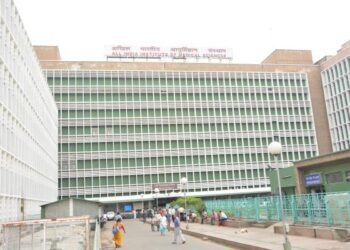
    The All India Institute of Medical Sciences (AIIMS) Delhi and three other centrally run hospitals in the national capital, including Safdarjung Hospital, Ram Manohar Lohia Hospital, and Lady Hardinge Medical College, have collectively sought a budget outlay of over ₹9,000 crore in the upcoming interim budget. The request comes as these hospitals anticipate an overall jump in allocation of around 13% compared to the previous Union budget.


    AIIMS Delhi:

    AIIMS Delhi, being a premier institute, has sought a budgetary allocation of ₹4,450 crore, reflecting a 7% increase from the previous year’s allocation. In the 2023-24 Union budget, the hospital was allocated ₹4,134 crore, of which it has received ₹3,720 crore. The increased budget expectations are attributed to the need for funding expansion programs, including the maintenance of new buildings, and covering salaries, especially for those appointed on a contractual basis.


    As an autonomous institute, AIIMS Delhi receives a separate budget, which is typically higher than those of other centrally run hospitals. The hospital administration emphasizes the importance of maintaining existing infrastructure while accommodating expansion initiatives.


    Safdarjung Hospital:

    Safdarjung Hospital has demanded a budget of around ₹2,200 crore, reflecting an 18% increase from the previous year’s allocation of ₹1,853 crore. The hospital plays a crucial role in the efforts to reduce the burden on AIIMS Delhi. The Union Health and Family Welfare Ministry have been actively working to elevate the status of Safdarjung Hospital and introduce additional departments, with a particular focus on women’s health.


    Safdarjung Hospital has been expanding its gynecology department and introducing specialized women’s OPDs (out-patient departments). In addition to routine and selective surgeries, OPD services, and super-specialty care, the hospital also provides free Ayurvedic OPD and Homeopathic OPD within its premises.


    Ram Manohar Lohia Hospital:

    Ram Manohar Lohia Hospital has submitted an expectation of nearly ₹1,600 crore, marking a 25% increase from the previous year’s allocation of ₹1,272 crore. The hospital, which has a nursing home for central government employees and members of parliament, serves as a training center for undergraduate students of Lady Hardinge Medical College.


    The increased budget is essential for supporting the hospital’s expansion plans and ensuring timely salary payments. Ram Manohar Lohia Hospital emphasizes its commitment to providing comprehensive healthcare services while maintaining its role as a training center for medical education.


    Lady Hardinge Medical College:

    Lady Hardinge Medical College has requested a budget of ₹825 crore, representing a 7% increase from the previous year’s allocation of ₹768 crore. The institute, which provides undergraduate medical education for women and postgraduate medical education for both men and women, focuses on medical care for women and children.


    A significant portion of the budget demand is allocated for timely salary payments of outsourced staff and the clearance of allowances. Lady Hardinge Medical College faces challenges related to manpower shortage for proper functioning, making the higher budget allocation crucial for addressing these issues.


    The higher budget outlays requested by these hospitals are aimed at funding expansion plans, maintaining existing infrastructure, and ensuring timely salary payments to support their critical roles in healthcare and medical education. The hospitals play pivotal roles in serving the healthcare needs of the community while contributing to medical education and training. As the national capital’s healthcare institutions, their budget allocations hold significance in providing quality healthcare services and fostering medical education in the region.

  • Delhi CM Highlights ‘Ram Rajya’ Principles

    Delhi CM Highlights ‘Ram Rajya’ Principles

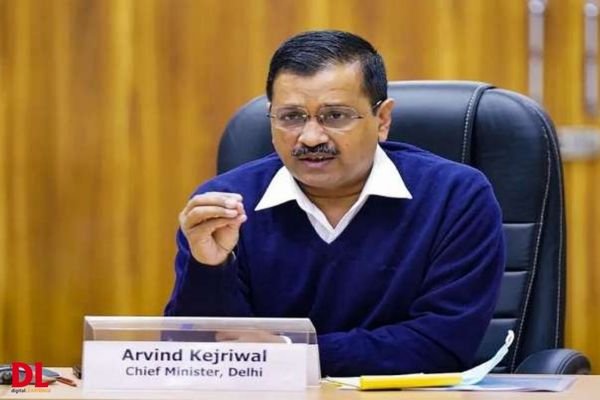
    Delhi Chief Minister Arvind Kejriwal, addressing a state-level Republic Day function at Chhatrasal Stadium, emphasized the principles of ‘Ram Rajya’ and outlined the achievements and initiatives of the Delhi government. Kejriwal stated that the recent ‘Pran Pratishtha’ ceremony of the Ram temple in Ayodhya was a matter of immense pride and happiness for people worldwide. Drawing inspiration from ‘Ram Rajya,’ he highlighted the government’s commitment to providing good education, healthcare, pension for senior citizens, and ensuring round-the-clock power supply and free water supply.


    The Chief Minister asserted that the ideals of Lord Ram, characterized by non-discrimination based on caste and religion, serve as a guiding philosophy for the Delhi government. Kejriwal expressed concern about the prevailing societal divisions along these lines and emphasized the need to foster unity and inclusivity.


    In line with the spirit of ‘Ram Rajya,’ the Delhi government places a strong emphasis on education and healthcare for all residents. Kejriwal reiterated the government’s commitment to providing quality education, ensuring access to healthcare services, and addressing the needs of senior citizens through pension schemes.


    Addressing the recent ‘Pran Pratishtha’ ceremony in Ayodhya, Kejriwal announced the government’s intention to facilitate visits for those expressing a desire to go to Ayodhya. This move aligns with the government’s efforts to promote cultural and religious harmony.


    Taking a veiled swipe at the central government’s economic goals, Kejriwal questioned the effectiveness of aiming for a $5 trillion economy if the financial benefits do not reach all sections of society. He highlighted the need for inclusive economic growth, stating that concentrating wealth in the hands of a few would keep the nation impoverished.


    The Chief Minister emphasized the importance of addressing inflation and price rise, aligning with the concept of ‘Ram Rajya’ that the Delhi government follows. He noted that Delhi has maintained a minimum price rise, as per central government reports, contributing to the government’s vision of ensuring economic stability and welfare.


    Kejriwal also touched upon the issue of women’s safety in the national capital. Despite not having control over the Delhi Police, he highlighted the efforts made by the Aam Aadmi Party-led government to focus on women’s safety. The commitment to addressing this crucial issue reflects the government’s dedication to creating a secure environment for all residents.


    Arvind Kejriwal’s address during the Republic Day function showcased the Delhi government’s commitment to governance inspired by the ideals of ‘Ram Rajya.’ The emphasis on education, healthcare, economic inclusivity, and cultural harmony reflects the administration’s efforts to create a society that aligns with the principles of justice, equality, and welfare.

  • India Inks Key Agreements with UAE and Czech Republic

    India Inks Key Agreements with UAE and Czech Republic

    India has inked several bilateral cooperation agreements with the United Arab Emirates (UAE) and the Czech Republic during the Vibrant Gujarat summit. The agreements cover various sectors, showcasing the diverse areas of collaboration that India is fostering with these nations.


    With the UAE, the agreements span healthcare, the development of food parks, and renewable energy. The healthcare sector is likely to witness enhanced collaboration, contributing to the overall well-being of both nations. Furthermore, the development of food parks aligns with the I2U2 partnership involving India, Israel, the UAE, and the United States, aiming to bolster the food and agriculture sectors. The focus on renewable energy, particularly green hydrogen and solar power, highlights the commitment to sustainable practices and combating climate change. The ongoing discussions about grid interconnectivity suggest a shared vision for a robust and interconnected energy landscape.


    The presence of UAE President Mohamed bin Zayed Al Nahyan as the chief guest at the summit underscores the significance of the India-UAE relationship. The foreign secretary emphasized the transformative nature of the India-UAE relationship, and the $2 billion investment pledge by the UAE in 2022 for the development of food parks demonstrates the tangible economic impact of this collaboration.


    In addition to agreements in the healthcare sector and renewable energy, a logistics cooperation pact between the government of Gujarat and Dubai-based logistics firm DP World adds another dimension to the bilateral ties, focusing on enhancing logistical capabilities and infrastructure.


    Simultaneously, India and the Czech Republic have entered into a strategic partnership on innovation. This partnership aims to foster collaboration in various sectors, including startups and innovation, cybersecurity, digital domains, artificial intelligence, defense, nuclear energy, and the circular economy. This signifies a commitment to technological advancement, research, and development across diverse fields, contributing to economic growth and shared expertise.


    Prime Minister Narendra Modi’s meeting with leaders from Mozambique and Timor-Leste further highlights India’s engagement with nations beyond the Middle East and Europe. These interactions serve as platforms for discussing potential areas of cooperation, strengthening diplomatic ties, and exploring avenues for mutual growth.


    The Vibrant Gujarat summit has provided a platform for India to deepen its partnerships with the UAE and the Czech Republic across multiple sectors. The agreements reflect the countries’ shared commitment to innovation, sustainability, and economic development. As India continues to engage with diverse nations, these collaborations contribute to the nation’s standing on the global stage and promote mutual prosperity.

  • PM Modi to Inaugurate ₹7,500 Crore Development Projects

    PM Modi to Inaugurate ₹7,500 Crore Development Projects

    Prime Minister Narendra Modi is scheduled to inaugurate a significant set of development projects in Maharashtra on October 26, with a total investment of approximately ₹7,500 crore. Subsequently, he will kick off the National Games in Goa, featuring more than 10,000 athletes competing in over 43 sports disciplines. These initiatives underscore the government’s commitment to infrastructure development, agriculture, and sports in the country.


    In Maharashtra, Prime Minister Modi will inaugurate the left bank canal network of the Nilwande Dam, an extensive canal system stretching about 85 kilometers. This project is expected to bring significant benefits to 182 villages by providing much-needed irrigation and water resources for agriculture, thereby contributing to rural development and livelihood improvement.


    Additionally, Modi will launch the ‘Namo Shetkari Mahasanman Nidhi Yojana,’ which is set to benefit over 86 lakh beneficiaries of the Pradhan Mantri Kisan Samman Nidhi Yojana in Maharashtra. This initiative will provide these farmers with an additional ₹6,000 per year, offering crucial financial support to bolster their agricultural activities.


    The Prime Minister will also dedicate various other development projects during his visit to Maharashtra. These include the inauguration of an Ayush Hospital at the Ahmednagar Civil Hospital, which will enhance healthcare services and promote traditional Ayurvedic and holistic healing methods. This move reflects the government’s commitment to providing accessible healthcare options to its citizens.


    Infrastructure development is also a key focus of these projects. Prime Minister Modi will launch the electrification of the Kurduwadi-Latur Road railway section, further improving connectivity and ensuring a smoother travel experience for passengers in the region. In addition, he will inaugurate the third and fourth railway lines connecting Jalgaon to Bhusaval, which will enhance rail transportation and contribute to economic growth.


    On the road infrastructure front, the Prime Minister will inaugurate the four-lane expansion of the Sangli to Borgaon section of NH-166. Improved road connectivity is crucial for economic development and mobility within the state. Furthermore, additional facilities will be inaugurated at the Manmad terminal of the Indian Oil Corporation Limited, contributing to the efficient storage and distribution of petroleum products.


    Prime Minister Modi’s visit to Maharashtra will also include a strong emphasis on healthcare. He will lay the foundation stone for the maternal and child health wing at the Ahmednagar Civil Hospital, underscoring the government’s commitment to maternal and child welfare.


    Moreover, the Prime Minister will distribute Ayushman cards and Svamitva cards to beneficiaries, aligning with the government’s focus on enhancing healthcare accessibility and promoting property rights for citizens.


    This multi-faceted visit showcases the government’s dedication to promoting development, whether it’s through irrigation and agriculture, healthcare, transportation infrastructure, or other key sectors. It underlines the commitment to addressing the diverse needs of the population and driving progress in the country.


    Furthermore, on the same day, Prime Minister Modi will initiate the National Games in Goa, providing a platform for over 10,000 athletes from across the country to showcase their talents in more than 43 sports disciplines. The National Games serve as an essential avenue for nurturing and celebrating the nation’s sporting prowess and promoting a culture of physical fitness and competition.

  • Quadria Achieves First Close of $800 Million Healthcare Fund

    Quadria Achieves First Close of $800 Million Healthcare Fund

    Singapore and New Delhi-based private equity firm Quadria Capital has reached a significant milestone by achieving the first close of its third investment vehicle, which is focused on the healthcare sector. This successful close marks a substantial step towards their goal, with the fund having secured approximately 60% of the base amount of $800 million. The firm is operating with a hard cap of $1 billion for this particular fund.


    Quadria Capital has managed to attract commitments from a diverse group of investors, including both existing and new partners. These investors encompass institutional investors, insurance and pension funds, development finance institutions, and family offices across the United States, Europe, and the Asia-Pacific region. The broad appeal of Quadria’s investment strategy has helped the firm raise substantial capital for their latest venture.


    Abrar Mir, co-founder and managing partner of Quadria Capital, expressed his enthusiasm for the first close, stating, “The first close of our third fund serves as a clear validation of investors’ confidence in our strategy and consistent execution.” This achievement reflects the trust placed in the firm by its investors.


    Mir further added, “We are on track to reach our final target for this fund, which puts us in good stead to execute our strategy and capitalize on a rich pipeline of opportunities.” This statement indicates the firm’s readiness to leverage its financial strength and investment expertise in the healthcare sector.


    Quadria Capital’s investment focus continues to be centered on companies in healthcare-related areas, including healthcare delivery, life sciences, medical technology, and associated healthcare services sub-sectors. Notably, the firm recently invested $155 million in Maxivision Eye Hospital, a private eyecare clinic chain, in July, highlighting their commitment to supporting various segments of the healthcare industry.


    The investment thesis for Quadria Capital’s latest fund remains consistent with their previous approach, emphasizing investments across all healthcare sub-sectors. They plan to back companies in the South and Southeast Asia regions, with investment amounts ranging from $50 million to $120 million per portfolio company.


    Amit Varma, co-founder and managing partner of Quadria Capital, emphasized the resilience and growth prospects of the Asian healthcare sector, saying, “Asian healthcare remains a highly resilient sector with significant growth prospects, especially given rising regional demand and huge unmet needs. We have unique expertise and networks to support and accelerate the growth of portfolio companies poised to become industry leaders and drive social impact in the region.”


    While Quadria Capital did not disclose the names of its limited partners (LPs), it was reported in August that the firm was set to receive $35 million from the German development financial institution DEG, which also invested $30 million in their second fund.


    Previously, Quadria Capital secured investments from notable institutions, including the Asian Infrastructure Investment Bank (AIIB) and the Asian Development Bank (ADB), both of which were first-time LPs for Quadria’s investment vehicles. Returning LPs include the US International Development Finance Corporation (DFC), International Finance Corporation (IFC), and French development financier Proparco.


    Proparco and AIIB are contributing $35 million each, the ADB is providing $25 million, and the DFC has committed $75 million to the third fund. The IFC has pledged approximately $40 million to the new fund, along with a co-investment sleeve of up to $30 million.

  • Post-COVID Health Complications Persist in Patients

    Post-COVID Health Complications Persist in Patients

    A recent study conducted by the Indian Council of Medical Research (ICMR) has shed light on the post-COVID-19 health complications experienced by a significant portion of patients. The study, which aimed to effectively manage post-COVID morbidities, found that nearly 20% of individuals who recovered from COVID-19 reported a range of complications after being discharged from hospitals.


    Data for the study was collected from a hospital-based registry, comprising 8,042 patients admitted to 31 healthcare facilities across India. The data was collected between September 2020 and October 2022. The patients, after being discharged from the hospitals, were followed up via telephone for up to one year to monitor their post-COVID-19 health.


    The study revealed that 18.6% of patients experienced difficulty in breathing (dyspnea), 10.5% reported persistent fatigue, and 9.3% faced mental health issues. These complications emerged after recovery from the active phase of the disease, highlighting the persistence of post-COVID-19 health concerns.


    The Union health ministry defines post-COVID syndrome as a condition that emerges during the COVID-19 infection, persists for more than 12 weeks after recovery, and remains unexplained. These lingering health issues have raised concerns about the long-term health implications for those who have contracted the virus.


    Dr. Samiran Panda, an ICMR scientist and author of the study published in the BMJ Global Health medical journal, emphasized the significance of this research. He noted that understanding the frequency and nature of post-COVID complications is critical to minimize long-term morbidity and mortality associated with the disease.


    Importantly, the study differentiates between individuals with comorbidities and those without. Patients with comorbidities, or pre-existing health conditions, had a higher likelihood of complications and death. This finding underlines the importance of providing specialized care and support for individuals with underlying health concerns.


    Over the course of the study, the frequency of post-COVID-19 symptoms was observed to decrease, suggesting some improvement over time. However, complications like dyspnea, fatigue, and mental health issues persisted among a significant portion of patients, even a year after their recovery.


    The study also examined the impact of COVID-19 vaccination on post-discharge health. According to Dr. Panda, individuals who received at least one dose of an anti-COVID vaccine appeared to be more protected against post-discharge mortality.


    In addition, the study analyzed the effect of different waves of the pandemic, including the alpha, delta, and omicron variants. It was observed that the omicron variant, while less severe in its symptoms, benefited from a population that had developed some level of immunity from previous exposure to the virus.


    The study’s findings underscore the need for a comprehensive approach to healthcare that considers the long-term health implications of COVID-19. Providing appropriate care and support to those with persistent complications, particularly individuals with comorbidities, remains a crucial aspect of managing the ongoing impacts of the pandemic.


    As India and the world continue to navigate the complexities of the COVID-19 pandemic, understanding and addressing post-COVID-19 complications are essential components of public health and healthcare management.

  • Overcrowded NICU in Maharashtra Hospital Raises Concerns

    Overcrowded NICU in Maharashtra Hospital Raises Concerns

    The Neonatal Intensive Care Unit (NICU) at a government hospital in Maharashtra’s Nanded city has come under scrutiny due to overcrowding and a shortage of nursing staff, following a series of infant deaths in the facility. Congress leader and former Chief Minister Ashok Chavan has raised concerns about the situation, shedding light on the challenges faced by the hospital.


    According to Chavan, more than 60 infants were admitted to the NICU, which has a capacity issue, given that 31 patients had died in a span of 48 hours at the hospital a few days prior. Shockingly, there were only three nurses available to care for the infants in the NICU, leading to severe overcrowding.


    Chavan, who represents Bhokar in Nanded district, spoke to the media after attending a party meeting in central Maharashtra and expressed his dismay at the conditions he witnessed in the NICU.


    He revealed, “When I visited the (NICU) ward after the incident (of 24 patients dying in a single day and 7 more in the next 24 hours) in the government-run hospital (in Nanded), I saw one warmer being used to treat three infants at a time. Just three nurses were taking care of more than 60 infants in the ward.”


    Chavan also pointed out that the hospital, which is named after his late father, is grappling with a patient load exceeding its capacity. The facility is designed to accommodate 500 beds, but it routinely has more than 1,000 patients admitted.


    He noted the shortage of essential medicines and the presence of vacancies for doctor positions in the hospital. In an attempt to address the nursing shortage, Chavan mentioned that they had allocated 40 to 50 nurses to the hospital from their side. However, the government has indicated plans to fill the vacant positions.


    In response to the multiple infant deaths at the hospital in late September and early October, Chief Minister Eknath Shinde had asserted that there was no shortage of medicines at the state-run healthcare facility.


    Chavan emphasized that he did not wish to engage in a blame game but stressed the importance of taking action to improve the situation. He expressed his concerns over the overcrowding, shortage of nursing staff, and the need for essential resources in the NICU.


    The overcrowding and understaffing in the NICU of the Nanded government hospital raise significant concerns regarding the quality of healthcare provided to newborns and infants. The tragic deaths of infants underscore the urgency of addressing these issues promptly.


    The challenges faced by this hospital reflect broader issues within India’s healthcare system, including resource constraints, inadequate staffing, and infrastructure limitations. Addressing these systemic challenges is critical to ensuring the well-being of patients and providing quality healthcare services.


    The overcrowded NICU in a government hospital in Nanded, Maharashtra, has drawn attention after a series of infant deaths. The shortage of nursing staff and overcrowding highlight the need for urgent attention and resources to improve the quality of healthcare for newborns and infants. These issues underscore the broader challenges faced by India’s healthcare system that require systemic reforms and investments.