Tag: hate speech

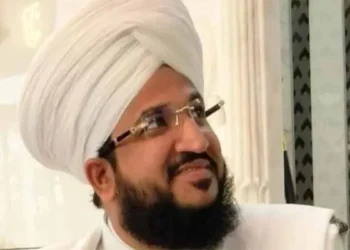
  • Mufti Salman Azhari Granted Bail in Second Hate Speech Case

    Mufti Salman Azhari Granted Bail in Second Hate Speech Case

    In a significant legal development, a court in Gujarat’s Kutch district has granted bail to Mumbai-based Islamic preacher Mufti Salman Azhari in a second “hate speech” case. This decision comes in connection with a religious event organized at Samakhiali town in the district around two weeks ago. The cleric was granted bail by a court of Judicial Magistrate First Class (JMFC) Y Sharma at Bhachau, according to Samakhiali police sub-inspector Vishal Patel.


    Following the granting of bail, Mufti Salman Azhari was transferred to Rajkot central jail, from where the Arvalli police will take custody of him in a third “hate speech” case registered at Modasa police station on Friday, Patel mentioned.


    Initially, on February 8, the Bhachau court had remanded Mufti Salman Azhari in police custody until Sunday. However, upon his appearance in court on Sunday, Azhari’s legal counsel submitted a bail application. After considering arguments from both sides, the court decided to grant bail to the accused preacher.


    This recent development follows Azhari’s bail in the first FIR registered against him, involving an alleged hate speech delivered in B division police station limits in Junagadh on January 31. He was apprehended from Mumbai on February 5 in connection with this case.


    Immediately after securing bail from the Bhachau court, Azhari was detained by the Kutch police concerning an alleged inflammatory speech during a religious event in Samakhiari on January 31. Subsequently, he was granted bail in the second case, registered on February 8, on Sunday.


    Adding to his legal challenges, Azhari was booked in a third case for delivering an allegedly inciting speech at an open ground in Modasa, Arvalli district, on December 24 last year.


    In both Junagadh and Kutch, Azhari faced charges under Indian Penal Code sections 153B (promoting enmity between different religious groups) and 505(2) (making statements conducive to public mischief).


    Moreover, in the Modasa case, Azhari faces additional charges under section 298 for “uttering words with deliberate intent to wound the religious feelings of any person.” Police have also invoked relevant sections of the Scheduled Castes and Scheduled Tribes (Prevention of Atrocities) Act, as Azhari allegedly made derogatory remarks against the SC community in his speech.


    This series of legal proceedings highlights the gravity of hate speech allegations and the legal scrutiny faced by individuals accused of such offenses. The bail granted to Mufti Salman Azhari underscores the complexities involved in navigating legal matters related to freedom of speech, religious tolerance, and communal harmony.


    It is important to note that while freedom of speech is a fundamental right, it is not absolute and must be balanced with responsibilities towards maintaining social cohesion and preventing the incitement of hatred or violence based on religious, racial, or caste differences.

    As the legal process unfolds, it remains to be seen how the courts will adjudicate on these cases and what implications they may have for the broader discourse on hate speech, religious freedom, and minority rights in India. The outcome of these cases will likely have far-reaching implications for the protection of individual liberties and the promotion of communal harmony in the country.

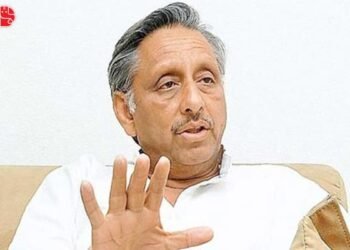
  • Mani Shankar Aiyar to Vacate Residence Over Ayodhya Remarks

    Mani Shankar Aiyar to Vacate Residence Over Ayodhya Remarks

    The controversy involving Congress leader Mani Shankar Aiyar and his daughter Suranya Aiyar has escalated with the Jangpura Extension Welfare Association (JEWA) in Delhi issuing a request for them to vacate their residence. This directive is in response to allegations of “hate speech” against the consecration ceremony of the Ram Temple in Ayodhya, following Suranya Aiyar’s social media post condemning the event and declaring a three-day fast in protest.


    In a letter addressed to the Aiyar family, the RWA emphasized the importance of adhering to the norms of “good citizens” and cautioned against making statements that could incite or foster hatred within the community. The letter further advised Suranya Aiyar to pursue legal avenues if she is dissatisfied with the Ram Mandir consecration, rather than participating in activities that could disrupt the harmony of the colony.


    The JEWA specifically directed its communication to Mani Shankar Aiyar, urging him to disapprove of his daughter’s actions. The association underscored that such actions are not in the best interest of the colony and society at large. Additionally, the RWA hinted at the possibility of Suranya Aiyar relocating to another colony if she persists in her beliefs, suggesting that such incidents might be more tolerable elsewhere.


    This unfolding situation underscores the intricate interplay between political opinions, personal expressions, and community expectations. It shines a light on the broader societal consequences of political figures and their families expressing views on sensitive topics such as Ayodhya, which holds profound religious and cultural significance in India. As the controversy evolves, it draws attention to the nuanced challenges surrounding freedom of speech, political perspectives, and the responsibility associated with expressing opinions, especially on matters of cultural and religious importance for a diverse population.