Tag: Hamas

  • Resumption of Truce Talks Between Israel and Hamas in Cairo

    Resumption of Truce Talks Between Israel and Hamas in Cairo

    Truce negotiations between Israel and Hamas are set to recommence in Cairo on Sunday, marking the latest effort to secure a cessation of hostilities after nearly six months of conflict in the Gaza Strip. According to a report from Egypt’s Al Qahera News TV, citing a security source, talks will resume with mediation from Egyptian authorities.


    An Israeli official confirmed to Reuters that a delegation from Israel would indeed travel to Cairo for discussions on Sunday. However, a Hamas official informed Reuters that the group would await communication from Cairo mediators regarding the outcome of their discussions with Israel before committing to further talks.


    Efforts to broker a ceasefire have intensified, with Qatar and Egypt mediating discussions aimed at securing a six-week suspension of Israel’s offensive in exchange for the potential release of 40 of the 130 hostages still held by Hamas in Gaza.


    Hamas is seeking to leverage any agreement into an end to the conflict and the withdrawal of Israeli forces from the region. However, Israel has categorically rejected this demand, asserting its intention to resume efforts to dismantle Hamas’s governance and military capabilities once any ceasefire is in place.


    Furthermore, Hamas is advocating for the return of hundreds of thousands of Palestinians who were displaced from Gaza City and surrounding areas during the initial stages of the conflict in the truce negotiations. While Israel has indicated a willingness to discuss the return of some of the displaced individuals, it has not committed to allowing all those displaced to return.


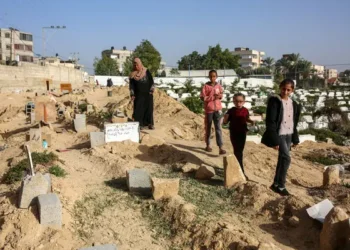
    The toll of the conflict on civilian populations has been severe, with more than 32,000 Palestinians killed in Israel’s military offensive in the Gaza Strip since October 7, according to health authorities in the territory.


    The outbreak of hostilities occurred after Hamas militants breached the border and launched attacks on communities in southern Israel, resulting in the deaths of 1,200 people and the abduction of 253 hostages, according to Israeli reports.


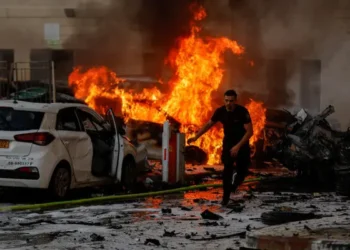
    Israel continued its aerial and ground bombardment of the Gaza Strip on Friday, resulting in the deaths of 82 Palestinians over the past 24 hours, as reported by the territory’s health ministry. Fighting intensified around Gaza City’s primary medical facility, Al Shifa hospital, with Israeli forces allegedly blockading 107 patients in the hospital’s human resources department, depriving them of essential supplies such as water, electricity, and medication for several days.


    The armed wings of Hamas and the Islamic Jihad claimed that their fighters were engaged in battles with Israeli forces around Al Shifa hospital, which had been one of the few operational healthcare facilities in north Gaza before the conflict escalated.


    The Israeli military stated that its forces operating in Al Shifa had killed three Hamas commanders inside the medical facility’s buildings. The military reported discovering sniper rifles, AK-47s, magazines, and grenades during their operation.


    Israel asserted that it had targeted and apprehended hundreds of Hamas and Islamic Jihad fighters at Al Shifa during its raid, while Hamas and medical personnel denied the presence of armed individuals inside medical facilities, accusing Israel of targeting civilians.


    The resumption of truce negotiations between Israel and Hamas in Cairo signifies ongoing efforts to secure a ceasefire and address the humanitarian crisis in the Gaza Strip. However, significant challenges remain, including Hamas’s demands for the cessation of hostilities and the withdrawal of Israeli forces, as well as Israel’s determination to dismantle Hamas’s military infrastructure. The toll on civilian populations has been devastating, underscoring the urgency of reaching a resolution to the conflict.

  • Hezbollah Rockets Strike Israel: Escalating Tensions

    Hezbollah Rockets Strike Israel: Escalating Tensions

    Hezbollah, a Lebanon-based militant group, has claimed responsibility for firing over 100 rockets into Israel in retaliation for alleged Israeli attacks on Palestinians at the Al-Aqsa mosque during Ramadan. The escalation in tensions between Hezbollah and Israel comes amid ongoing conflict between Israel and Hamas, the militant group governing the Gaza Strip.


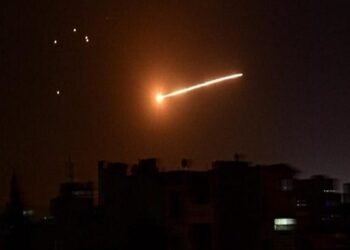
    The recent exchange of fire began when Israeli forces reportedly attacked Palestinians worshipping at the Al-Aqsa mosque, a revered site for Muslims, during the Islamic holy month of Ramadan. In response, the Israeli military launched rockets towards Lebanon’s eastern city of Baalbek, resulting in the death of one person. Hezbollah retaliated by firing a barrage of rockets towards Israeli military bases in the occupied Golan Heights. Fortunately, Israel’s advanced Iron Dome defense system intercepted and thwarted most of the incoming rockets, preventing significant damage.


    Hezbollah justified its rocket attacks as a response to Israeli aggression against Lebanese citizens and infrastructure. The group accused Israel of targeting Lebanese villages and cities, particularly near Baalbek, leading to civilian casualties. This tit-for-tat exchange of fire underscores the volatile situation in the region, with both Hezbollah and Israel unwilling to back down.


    The ongoing conflict between Hezbollah and Israel has escalated in recent weeks, with near-daily cross-border skirmishes occurring since the eruption of the Gaza war in October. While these skirmishes have primarily involved Hezbollah and Israeli forces exchanging fire along the border, there have been concerns about the conflict spreading and leading to a full-blown war.


    Here are ten key developments in the ongoing conflict between Hezbollah and Israel:


    • Hezbollah’s rocket attacks: Hezbollah launched more than 100 Katyusha rockets targeting Israeli military bases in the occupied Golan Heights. The rocket attacks were a direct response to alleged Israeli aggression against Lebanese territory and civilians.


    • Meeting between Hezbollah and Hamas: Hezbollah leader Hassan Nasrallah met with Khalil al-Hayya, a senior member of Hamas’s political bureau. The two discussed the possibility of a ceasefire in the Gaza war and coordinated efforts to support Hamas’s military campaign against Israel.


    • Israeli refusal to ceasefire: Despite international calls for a ceasefire, Israel has remained steadfast in its determination to eliminate Hamas’s leadership in the Gaza Strip. Israeli Defense Minister Yoav Gallant reiterated Israel’s commitment to pushing Hezbollah out of southern Lebanon, either through military force or diplomatic means.


    • Mediation efforts: Qatar, along with the United States and Egypt, has been actively involved in mediation efforts to broker a ceasefire between Israel and Hamas. However, these efforts have not yielded tangible results, and both sides remain entrenched in their positions.


    • Humanitarian crisis in Gaza: The United Nations has warned of an impending famine in Gaza due to the Israeli offensive and blockade. The UN has called for urgent humanitarian assistance to alleviate the suffering of Gaza’s population, who are facing food shortages and soaring prices.


    • Ramadan fasting: Palestinians in Gaza have been forced to endure Ramadan fasting amid the ongoing conflict and humanitarian crisis. Many rely on charity kitchens to provide basic meals during the holy month, highlighting the dire circumstances faced by Gaza’s population.


    • Palestinian casualties: The Israeli offensive in response to Hamas rocket attacks has resulted in numerous Palestinian casualties, including civilian deaths and injuries. The disproportionate use of force by Israel has drawn condemnation from the international community.


    • Regional implications: The conflict between Israel and Hamas has broader regional implications, with Iran-backed groups allied with Hamas engaging in cross-border attacks against Israeli and US targets. There are concerns that the conflict could escalate and spread across the Middle East.


    • Diplomatic efforts: Despite international calls for a ceasefire, both Israel and Hamas have shown little willingness to halt hostilities. Diplomatic efforts to resolve the conflict have so far been unsuccessful, with neither side willing to compromise on their core demands.


    • Escalating tensions: The ongoing conflict between Hezbollah and Israel underscores the volatile situation in the region. The exchange of fire between the two sides highlights the deep-seated animosity and unresolved grievances that continue to fuel tensions in the Middle East.


    The recent rocket attacks by Hezbollah against Israel represent a dangerous escalation in tensions between the two sides. The conflict between Israel and Hamas, coupled with broader regional dynamics, has created a volatile situation with the potential to spiral into a full-blown war. Diplomatic efforts to broker a ceasefire and address the underlying issues fueling the conflict have so far been unsuccessful, leaving both sides entrenched in their positions and the prospect of further violence looming large.

  • Biden Asserts Majority of Palestinians Not Affiliated with Hamas

    Biden Asserts Majority of Palestinians Not Affiliated with Hamas

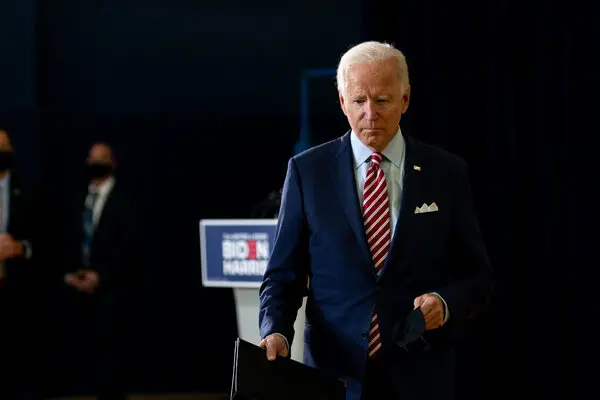
    US President Joe Biden made a significant statement on Friday regarding the ongoing conflict between Israel and Palestine. In a post on X, Biden emphasized that the majority of Palestinians are not affiliated with Hamas and reiterated that Hamas does not represent the entire Palestinian population. He went on to assert that Palestinians, like many others, are also suffering due to the actions of Hamas, which he labeled as terrorism. Biden’s remarks come amidst escalating violence in the region, with Israeli strikes reportedly claiming the lives of at least 71 people in southern and central Gaza, as reported by AP.


    Biden’s stance on the conflict and his comment on the majority of Palestinians has been consistent since the recent surge in violence, which began after Hamas militants killed 1,200 people and abducted another 250 in an attack on October 7. The US President has firmly backed Israel’s right to defend itself, urging Congress to provide additional weapons and aid to support Israel’s offensive against Hamas operatives and efforts to rescue Israeli hostages.


    Despite his support for Israel’s security, the White House has publicly expressed differences with Israeli Prime Minister Benjamin Netanyahu on key issues. One such issue is the “two-state solution,” which Biden favors but faces opposition from Netanyahu and many within his coalition. Additionally, the White House has raised concerns about civilian casualties caused by Israeli airstrikes, highlighting the need for Israel to minimize civilian harm in its operations.


    Biden’s campaign spokesperson, Ammar Moussa, emphasized the President’s engagement with leaders in the Muslim and Arab American communities to listen to their perspectives on various issues. Moussa reiterated Biden’s calls for Israel to take measures to avoid civilian casualties and highlighted his efforts to facilitate humanitarian aid delivery to Gaza amidst the conflict.


    Meanwhile, the United Nations Relief and Works Agency for Palestinian Refugees (UNRWA) has sounded the alarm about the dire situation in Gaza. Philippe Lazzarini, the agency’s chief, warned that UNRWA is facing a critical point as it grapples with challenges exacerbated by the conflict. He lamented the increasing casualties among children, journalists, medical personnel, and UN staff in Gaza, describing the situation as a “breaking point.”


    Lazzarini pointed to the freezing of funding by donors and pressure from Israel to dismantle UNRWA as major obstacles to its operations. He underscored the agency’s mandate, established through a General Assembly resolution in 1949, and expressed concern that its ability to fulfill its responsibilities is now seriously threatened.


    The resolution creating UNRWA was adopted following the establishment of Israel, aiming to provide assistance and support to Palestinian refugees. However, recent allegations against some UNRWA staff members in connection with the October 7 attack have led several nations, including the US, UK, Germany, and Japan, to halt funding to the agency.


    According to Lazzarini, UNRWA is currently facing a funding gap of $438 million for 2024, with over half of the anticipated funding frozen by donors. This shortfall jeopardizes the agency’s ability to address the humanitarian needs of Palestinians in Gaza, exacerbating an already dire situation.


    President Biden’s remarks on the majority of Palestinians, underscore the complexity of the Israel-Palestine conflict and the challenges faced by humanitarian organizations like UNRWA in providing assistance to those affected by the violence. While reaffirming support for Israel’s security, Biden emphasizes the importance of protecting the rights and well-being of Palestinians and calls for efforts to minimize civilian casualties and facilitate humanitarian aid delivery.

  • Israel Threatens Ground Invasion in Rafah

    Israel Threatens Ground Invasion in Rafah

    In a stern warning to Hamas, Benny Gantz, a member of Israel’s war cabinet, has issued an ultimatum: all hostages must be released by March 10, or Israel will launch a ground invasion in Rafah. The backdrop to this warning is the current crisis in Gaza, where 1.5 million Palestinians are seeking refuge in Rafah, a city near the Egypt border. International agencies have expressed grave concerns, warning that any attack on Rafah could result in a humanitarian catastrophe.


    With the death toll from Israeli airstrikes in Gaza surpassing 28,000, peace efforts led by Egypt, Qatar, and the United States have thus far failed to bring about significant progress on the ground. Despite repeated warnings from Israel’s closest ally, the US, urging the Benjamin Netanyahu-led government to cease its attacks on civilians, Israeli forces have continued their indiscriminate assaults.


    Here are 10 key points to understand the Israel-Hamas conflict in Rafah:

    • The Israeli government has issued an ultimatum to Hamas, demanding the release of hostages by the start of Ramadan on March 10. Failure to comply will result in the IDF launching a ground offensive in Rafah, with Israeli authorities citing reliable intelligence indicating that most hostages are being held in the city.


    • Benny Gantz emphasized that Israel is coordinating closely with its allies, including the United States, to evacuate civilians and minimize civilian casualties in the event of a ground invasion.


    • Egypt has made it clear that it will not allow Palestinian refugees to enter its territory. Cairo is concerned that the conflict between Israel and Hamas could spill over into Rafah, potentially leading to an influx of Palestinian refugees into Egypt.


    • There have been reports from Israel suggesting that the government aims to expel Palestinians from Gaza as part of a resettlement plan, paving the way for Israeli citizens to return to the territory.


    • The International Court of Justice (ICJ) has convened for a second time to address the plight of Palestinians in Gaza amid the Israel-Hamas conflict.


    • Representatives from the United Nations General Assembly (UNGA), Israel, and the Palestinian Authority presented their arguments before the ICJ. The UNGA sought an advisory opinion from the ICJ on the consequences of Israel’s actions, including its occupation, settlement, and annexation policies.


    • Palestinian Foreign Affairs Minister Riyad al-Maliki highlighted the dire humanitarian situation in Gaza, with millions of Palestinians besieged, bombed, and displaced. He emphasized the need for the ICJ’s ruling to pave the way for peace and security for both Palestinians and Israelis.


    • Al-Maliki expressed optimism that the ICJ’s decision could contribute to a peaceful resolution of the conflict, allowing Palestinians and Israelis to coexist in dignity and security.


    • Israeli Prime Minister Benjamin Netanyahu rejected the legitimacy of the ICJ’s hearings on the occupation of Palestinian territory, dismissing the proceedings as part of a Palestinian attempt to dictate political outcomes without negotiations.


    • Netanyahu emphasized that Israel does not recognize the authority of the ICJ in matters related to the Israeli-Palestinian conflict, characterizing the discussions at The Hague as part of a broader Palestinian strategy to circumvent negotiations.


    The situation in Rafah remains tense as Israel issues a deadline for the release of hostages held by Hamas. With international efforts to broker peace faltering and the humanitarian crisis worsening, the prospect of a ground invasion looms large, raising concerns about the escalation of violence and the plight of civilians caught in the crossfire.

  • Israel-Brazil Tensions Escalate Over President Lula’s Comparison

    Israel-Brazil Tensions Escalate Over President Lula’s Comparison

    Brazil President Lula’s comments comparing the situation in Gaza to the Holocaust have drawn sharp criticism from Israel. He stated that the events in Gaza were unprecedented in history and likened them to Hitler’s atrocities against the Jews during World War II. This is not the first time President Lula has spoken out against Israel’s actions in Gaza, having previously accused Israel of genocide and supported South Africa’s case against Israel at the International Court of Justice. However, this was the first time he directly equated Israel’s actions with the Holocaust, a move that has stirred controversy.


    Israel’s Response:

    Israeli Prime Minister Benjamin Netanyahu denounced President Lula’s remarks, stating that they crossed a red line and accusing him of being a virulent anti-Semite. Netanyahu emphasized that Israel was established as a safe haven for Jews in the aftermath of the Holocaust and that comparing its actions to such historic tragedies was unacceptable. Foreign Minister Israel Katz summoned Brazil’s ambassador to reprimand the Brazilian government for President Lula’s comments, describing them as shameful and serious. The Israeli government’s strong condemnation reflects the gravity with which President Lula’s statement was received in Israel.


    Implications for Bilateral Relations:

    President Lula’s Holocaust comparison has further strained relations between Israel and Brazil, which were already tense following his resumption of office in 2023. The Brazilian government’s criticism of Israel’s actions in Gaza and its support for the Palestinian cause have been sources of friction between the two countries. President Lula’s latest remarks have deepened these tensions and raised concerns about the future of bilateral relations. Brazil’s ambassador to Israel has been summoned for reprimand, indicating the seriousness with which Israel views President Lula’s comments. The diplomatic rift between the two nations underscores the challenges of navigating sensitive geopolitical issues such as the Israel-Palestine conflict.


    Background of the Israel-Hamas Conflict:

    The recent escalation in tensions between Israel and Hamas, the militant group that governs the Gaza Strip, was triggered by a series of events in October. Hamas militants launched an attack on southern Israel, resulting in casualties and the capture of hostages. This incident marked the beginning of a new phase of conflict between Israel and Hamas, leading to a wave of violence and bloodshed in the region. The ongoing war has claimed the lives of thousands of Palestinians, including many civilians, and caused widespread destruction and displacement.


    International Response and Calls for Ceasefire:

    The Israel-Hamas conflict has elicited strong condemnation from the international community, with calls for an immediate ceasefire and a return to negotiations. The United Nations and various world leaders have urged both sides to exercise restraint and work towards a peaceful resolution of the conflict. However, efforts to broker a ceasefire have been met with challenges, as both Israel and Hamas remain entrenched in their positions. The heavy toll of civilian casualties and the humanitarian crisis in Gaza have underscored the urgency of ending the violence and addressing the root causes of the conflict.


    President Lula’s comparison of the Gaza conflict with the Holocaust has exacerbated tensions between Israel and Brazil, adding to existing strains in bilateral relations. Israel’s strong condemnation of President Lula’s remarks reflects the seriousness with which they were perceived in Israel. The diplomatic rift between the two nations underscores the complexities of navigating sensitive geopolitical issues such as the Israel-Palestine conflict. As the conflict in Gaza continues to unfold, the international community must redouble its efforts to achieve a ceasefire and pave the way for a lasting peace in the region.

  • Tunnels Found Beneath UN Agency Headquarters in Gaza

    Tunnels Found Beneath UN Agency Headquarters in Gaza

    The Israeli military claims to have uncovered tunnels beneath the primary headquarters of the UN agency for Palestinian refugees in Gaza City, asserting that Hamas militants utilized the space as an electrical supply room.


    The recent unveiling of these tunnels represents the latest development in Israel’s ongoing campaign against the besieged agency, which it accuses of collaborating with Hamas. Israeli accusations that a dozen UNRWA staff members were involved in a Hamas attack on Israel on October 7th have plunged the agency into a financial crisis. Major donor states have suspended their funding, and investigations have been initiated. Additionally, Israel has frozen UNRWA’s bank account, halted aid shipments, and revoked its tax benefits.


    The Israeli military hosted a media tour to view the tunnel on February 8, inviting journalists to witness the site firsthand. While the military did not definitively prove that Hamas militants operated within the tunnels beneath the UNRWA facility, they did demonstrate that at least a portion of the tunnel ran beneath the facility’s courtyard. The military alleged that the headquarters supplied electricity to these tunnels.


    UNRWA Commissioner-General Philippe Lazzarini stated that the agency had no prior knowledge of the facility’s underground structures. He emphasized the necessity of an independent inquiry into the findings, but lamented that the ongoing war prevented the agency from conducting such an investigation.


    The headquarters, located on the western edge of Gaza City, now lie in ruins. To locate the tunnel, Israeli forces employed a familiar tactic, overturning mounds of earth to reveal a crater-like hole leading to a small tunnel entrance. This unearthed shaft led to an underground passageway estimated by an Associated Press journalist to stretch at least half a kilometer, containing at least 10 doors.


    At one juncture, journalists could peer upward from the tunnel through a hole and make eye contact with soldiers stationed in a courtyard within the UNRWA facility. Inside one of the UNRWA buildings, journalists observed a room filled with computers connected to wires extending into the ground. Soldiers then led them to an underground room where they claimed these wires were connected.


    This underground chamber featured a wall of electrical cabinets adorned with multicolored buttons and lined with numerous cables. The military asserted that this room served as a hub for powering tunnel infrastructure in the area.


    The tunnel extended beyond the section beneath the UNRWA facility, indicating its broader scope. Hamas has acknowledged constructing extensive tunnel networks across Gaza, which Israel views as crucial targets in its offensive. Israel accuses Hamas of using these tunnels to transport fighters, weapons, and supplies throughout the territory, often near civilian infrastructure.


    Lazzarini reiterated that UNRWA was unaware of what lay beneath its premises, despite conducting regular inspections. He emphasized the agency’s humanitarian focus, lacking expertise or capacity for military inspections.


    Journalists also observed amenities within the tunnel, including a small bathroom, shelves, and two small vehicles purportedly used by militants to navigate the tunnel network. The military disclosed that the tunnel, originating at a UNRWA school, measured 700 meters in length and 18 meters in depth.


    Additionally, the military claimed to have discovered rifles, ammunition, grenades, and explosives within the facility, alleging its use by Hamas militants. Lazzarini clarified that UNRWA staff had not revisited the headquarters since evacuating on October 12th and remained unaware of its potential utilization.


    Throughout its four-month campaign in Gaza, Israel has encountered similar makeshift accommodations within tunnels, underscoring their strategic importance to Hamas. The offensive commenced after Hamas militants attacked Israel on October 7th, resulting in significant casualties and hostage-taking. Israeli airstrikes and ground operations have since inflicted substantial casualties and widespread destruction in Gaza.


    Exiting the facility, the devastation was evident, with virtually no intact windows, walls riddled with bullet holes, and debris strewn about. Touma, responding to Israeli allegations, condemned the occupation of UNRWA headquarters by the Israeli army as unjustifiable.

  • Hamas Official Survives Israeli Assassination Attempt in Lebanon

    Hamas Official Survives Israeli Assassination Attempt in Lebanon

    A high-ranking Hamas official narrowly escaped an Israeli assassination attempt on Saturday in Lebanon, as per a Palestinian security source cited by AFP. The incident occurred in the southern outskirts of Beirut, where rescuers reported the unfortunate death of two civilians as a result of the strike.


    The ongoing conflict between Israeli forces and the Lebanese movement Hezbollah, which is allied with Hamas, has seen frequent exchanges of fire since erupting on October 7. Initially centered around the Israel-Gaza border due to tensions between Israel and Hamas, the violence has now spilled over into Lebanon.


    Saturday’s attack, occurring about 40 kilometers (25 miles) from the border, marks one of the farthest-reaching strikes from the frontier in the four months of hostilities.


    The Lebanese National News Agency confirmed the Israeli airstrike, specifying that it targeted a vehicle in the coastal town of Jadra. According to a Palestinian source who requested anonymity due to security concerns, the strike was a failed attempt to assassinate a senior Hamas official.


    Additionally, a representative from the Lebanese Risala Scout association, linked to the Hezbollah-aligned Amal movement, revealed that two civilians lost their lives in the attack. Among the casualties were a local vegetable vendor and a Syrian national riding a motorcycle in the vicinity at the time of the strike.


    As of now, there has been no official statement from Israeli authorities regarding the incident.


    Eyewitness accounts and on-site photographs depict the aftermath of the strike, with images showing a damaged car and a burnt motorcycle nearby. The scene was marred by bloodstains, highlighting the severity of the attack and the tragic loss of civilian lives.


    The attempted assassination of a Hamas official in Lebanon underscores the intensifying conflict between Israel and its adversaries, with the violence extending beyond the borders of Gaza and into neighboring territories. The intricate web of alliances and ongoing tensions have heightened the volatility of the region, resulting in deadly confrontations and civilian casualties.


    The targeting of Hamas leadership and assassination efforts in Lebanon further complicates the already complex dynamics of the conflict, adding a new dimension to the ongoing hostilities. As both sides continue to engage in military operations, the prospects for a peaceful resolution appear increasingly distant.


    The escalation of violence in Lebanon raises concerns about the potential for further destabilization in the region, with the risk of broader implications for regional security and stability. The involvement of Hezbollah, a powerful and well-armed militia group, amplifies the risks and underscores the volatile nature of the situation.


    Moreover, the loss of civilian lives in Saturday’s airstrike underscores the human toll of the conflict, highlighting the need for urgent efforts to de-escalate tensions and pursue diplomatic solutions. The indiscriminate targeting of civilians is a violation of international law and further exacerbates the suffering of innocent people caught in the crossfire.


    Moving forward, it is imperative for all parties involved to exercise restraint and prioritize dialogue over violence. The cycle of retaliation and escalation only perpetuates the cycle of conflict, deepening the humanitarian crisis and undermining prospects for peace and stability in the region.


    Efforts to address the root causes of the conflict, including the longstanding grievances and grievances of all parties involved, are essential to achieving a lasting resolution. This includes addressing the legitimate concerns and aspirations of the Palestinian people, as well as addressing the security concerns of Israel and its allies.


    Ultimately, the path to peace in the Middle East requires a commitment to dialogue, diplomacy, and compromise from all parties involved. Only through constructive engagement and genuine efforts to address the underlying issues can the cycle of violence be broken and a sustainable peace be achieved.

  • Netanyahu Rejects Hamas Ceasefire Proposal

    Netanyahu Rejects Hamas Ceasefire Proposal

    In a significant setback to diplomatic efforts aimed at halting the Israel-Gaza conflict, Prime Minister Benjamin Netanyahu dismissed Hamas’ proposals for a ceasefire and hostage deal in Gaza as “delusional,” as per CNN’s report.


    During a briefing on Wednesday, Netanyahu asserted, “We haven’t agreed to anything. We have not accepted any of Hamas’ delusional demands, including the release of terrorists with blood on their hands.”


    Netanyahu emphasized that there has been no commitment on Israel’s part, highlighting the necessity for negotiation and a structured process. He expressed skepticism about Hamas’ sincerity in engaging in meaningful dialogue, stating, “From what I see from Hamas at the moment, negotiation is not happening.”


    Israel’s objective, according to Netanyahu, remains “complete victory,” asserting that the country will settle for nothing less. He conveyed optimism about the attainability of this victory, asserting that it is not a matter of years or decades but of months.


    Netanyahu’s stance deals a blow to US Secretary of State Antony Blinken’s efforts as he visits the region to facilitate an end to the violence. Despite this, Netanyahu did not entirely rule out the possibility of further discussions.


    Meanwhile, Hamas spokesperson Osama Hamdan announced in a news conference in Beirut that the organization would dispatch a delegation to Cairo to follow up on their proposals for the hostage and ceasefire arrangements. Hamdan expressed the delegation’s commitment to achieving the best possible outcomes.


    In a separate development, Blinken met with Prime Minister Netanyahu in Tel Aviv on Wednesday, according to CNN’s report. The meeting, which took place at 11:50 am local time, was held behind closed doors.


    Blinken’s visit to Israel is part of his efforts to engage with key government officials and advocate for a “humanitarian pause” amidst mounting international and domestic pressure to end the Gaza conflict. The discussions gained added significance as Hamas responded to a proposal aimed at securing the release of remaining hostages and achieving a sustainable cessation of hostilities in Gaza.


    Hamas’ response outlines a three-phase plan, with each phase lasting 45 days. It includes the withdrawal of Israeli troops from Gaza, significant humanitarian efforts, and unrestricted movement for Gazans, according to information obtained by CNN.


    During both his current and previous trips to the Middle East, Blinken has emphasized the need for the Israeli government to make “difficult” decisions and work towards a two-state solution. This, he argues, is crucial for achieving normalization with Saudi Arabia and garnering support from Arab neighbors for Gaza’s reconstruction and security.


    Blinken’s meeting with Saudi Crown Prince Mohammed bin Salman underscored Saudi Arabia’s interest in normalizing relations with Israel. However, the Crown Prince emphasized that ending the Gaza conflict and establishing a clear path to a Palestinian state are essential prerequisites for such normalization.

  • Intensified Diplomatic Efforts to Broker Ceasefire

    Intensified Diplomatic Efforts to Broker Ceasefire

    Amidst the ongoing conflict between Israel and Hamas in Gaza, diplomatic efforts have intensified to broker a ceasefire and alleviate the dire humanitarian situation. The United States, Qatar, and Egypt are at the forefront of negotiations, with US Secretary of State Antony Blinken playing a key role in the peace process. Blinken’s visit to the region marks his fifth since the outbreak of hostilities on October 7, which sparked the Israel-Hamas war.


    Recent reports suggest that Hamas has responded to a proposed ceasefire plan, which may involve the exchange of Israeli hostages for Hamas prisoners. However, the response from Hamas is being reviewed by Israel and the United States, indicating cautious optimism but also underlying complexities in reaching a lasting truce.


    Efforts to negotiate a ceasefire have involved active participation from Israel, the US, Qatar, and Egypt. These countries have collaborated closely in formulating a potential ceasefire plan aimed at de-escalating tensions and preventing further loss of life. The proposed plan, reportedly spanning a six-week truce, underscores the urgency of finding a diplomatic solution to the protracted conflict.


    While the US has been actively engaged in negotiations, there are indications of some reservation regarding Hamas’s response to the ceasefire plan. President Joe Biden’s characterization of Hamas’s reaction as “a little over the top” reflects a cautious approach from the American administration. Such reservations highlight the challenges and complexities involved in navigating the intricacies of the conflict.


    Hamas, for its part, has responded to the proposed ceasefire plan with its own set of demands. These include amendments related to the reconstruction of Gaza, medical treatment for the injured, and the repatriation of displaced individuals. These demands underscore Hamas’s broader objectives and the need for comprehensive solutions to address the root causes of the conflict.


    Despite the challenges, there remains a sense of cautious optimism, particularly from Qatar. Prime Minister Sheikh Mohammed Bin Abdulrahman al Thani has described Hamas’s response to the ceasefire plan as “positive,” signaling a potential breakthrough in the negotiations. Such optimism reflects the ongoing efforts to find common ground and build consensus among the parties involved.


    Amidst the diplomatic maneuvers, the situation on the ground in Gaza remains dire. The Israel Defense Forces (IDF) continue to bombard Gaza, resulting in civilian casualties, particularly among women and children. The relentless airstrikes have forced many residents to flee their homes, exacerbating an already precarious humanitarian situation.


    Israeli Prime Minister Benjamin Netanyahu has reiterated Israel’s commitment to achieving “total victory” in the conflict. However, the widespread destruction and displacement in Gaza have drawn condemnation from the international community. Organizations such as the United Nations and various human rights groups have highlighted the catastrophic humanitarian crisis unfolding in Gaza, emphasizing the urgent need for a ceasefire and humanitarian assistance.


    As diplomatic efforts continue, there is a growing recognition of the need for a comprehensive and sustainable solution to the Israel-Hamas conflict. The involvement of key stakeholders, including the US, Qatar, and Egypt, underscores the importance of multilateral diplomacy in addressing the root causes of the conflict and promoting lasting peace and stability in the region.

  • U.S. House to Vote on $17.6 Billion Israel Aid Package

    U.S. House to Vote on $17.6 Billion Israel Aid Package

    In a significant development, the U.S. House of Representatives is preparing to vote on a standalone $17.6 billion aid package for Israel, excluding any provisions for aid to Ukraine. This decision, announced by Speaker Mike Johnson, is driven by the urgency to provide swift assistance to Israel in its ongoing battle with Hamas in the Gaza Strip. The move comes as the Senate is expected to release a combined aid package for Ukraine and Israel, along with provisions for U.S.-Mexico border security, following lengthy negotiations.


    The standalone Israel aid bill unveiled recently signals that House Republicans are inclined to indefinitely delay action on Ukraine aid due to disagreements over U.S. migration policy. Notably, aid for Israel holds greater popularity within the House GOP compared to aid for Ukraine.


    The proposed bill encompasses funds dedicated to Israel’s Iron Dome and Iron Beam missile defense systems. Additionally, it allocates resources for U.S. military operations in the Middle East and aims to enhance the protection of U.S. personnel at embassies. Importantly, this aid package does not include offsetting spending cuts, distinguishing it from a previous $14 billion Israel aid bill that faced objections from Democrats but passed the House.


    Speaker Johnson emphasized the need for expedited assistance to Israel, given the ongoing conflict with Hamas. He stated, “Given the Senate’s failure to move appropriate legislation in a timely fashion, and the perilous circumstances currently facing Israel, the House will continue to lead.” Johnson pointed out that the Senate’s previous objections related to offsets have been addressed in the new bill, urging the Senate to swiftly pass the critical support for the U.S. ally.


    The bill seeks to address the U.S. military funding requirements arising from increased operations in the Middle East following the Hamas attack on Israel on October 7. The subsequent military actions by Israel in the Gaza Strip have led to heightened tensions in the region. In addition to aiding Israel, the proposed legislation allocates $3.3 billion to fund the U.S. response to the regional situation and dedicates $200 million for the protection of U.S. personnel and the evacuation of U.S. citizens.


    The Pentagon is currently operating under a stopgap funding measure, and emergency spending would be required for its increased operations without the approval of additional funds. The bill’s authorization includes extra funding for U.S. military activities in the region compared to the November bill.


    Notably, the original House bill proposed to fund Israel aid by cutting Internal Revenue Service (IRS) tax enforcement funding. Democrats raised objections, arguing that this move would widen the U.S. budget deficit due to potential revenue losses resulting from increased tax evasion. The Congressional Budget Office (CBO) also concurred, stating that the lost revenue would add more to the deficit than the proposed IRS spending cut.


    The ongoing standoff over Ukraine aid has been a point of contention. Speaker Johnson has expressed skepticism about a reported bipartisan border-security deal in the Senate, labeling it as “dead on arrival” in the House. The Senate deal, expected to grant new powers to swiftly deport migrants and attached to the Ukraine and Israel aid package, is slated for a procedural vote on Wednesday.


    While the Senate negotiations have been ongoing, the House has been excluded from the process, leading to concerns about the ability to swiftly consider any legislation. Speaker Johnson’s decision to push forward with the standalone Israel aid package underscores the urgency perceived by House Republicans to address the immediate needs of Israel in its conflict with Hamas.


    As the geopolitical landscape evolves, the delay in providing aid to Ukraine raises questions about the broader implications for U.S. foreign policy and diplomatic relations. The House’s decision to prioritize Israel aid underscores the complex nature of balancing international commitments amid internal disagreements over immigration policies. The unfolding events will likely have repercussions on U.S. diplomatic efforts and alliances in the coming weeks.

  • Israeli PM Netanyahu Proposes Two-Month Halt in Gaza Attacks

    Israeli PM Netanyahu Proposes Two-Month Halt in Gaza Attacks

    Israel’s Prime Minister, Benjamin Netanyahu, has proposed a two-month halt to the ongoing attacks on Gaza, which have resulted in casualties among the Palestinian population. Reports from Axios indicate that Israel conveyed this proposal to Hamas fighters through intermediaries from Qatar and Egypt. This development comes a day after Netanyahu rejected a deal presented by Hamas fighters to bring an end to the conflict in Gaza, a region where over 25,000 Palestinians have lost their lives.


    According to the Axios report, Israel’s proposed multi-phase deal includes the release of all remaining hostages held in Gaza, as stated by two Israeli officials. Netanyahu faces increasing pressure domestically to secure the return of captives, but he has been firm in his stance against accepting what he perceives as surrender terms from Hamas. He emphasized that acquiescing to Hamas conditions would leave the armed group intact, suggesting that the sacrifices made by Israeli soldiers would be in vain.


    “I reject outright the terms of surrender of the monsters of Hamas,” Netanyahu declared on Sunday, reiterating his longstanding opposition to an independent Palestinian state. He remains steadfast in his commitment to maintaining full Israeli security control over the entire area west of the Jordan River.


    In a previous development, Hamas had released more than 100 captives in exchange for the release of 240 Palestinian prisoners as part of a brief truce brokered in late November. However, as per Israeli officials, Hamas is still holding 136 individuals in captivity.


    The conflict in Gaza, which began with Israel’s declaration of intent to eliminate Hamas in response to attacks on October 7, has resulted in the tragic loss of at least 25,105 Palestinian lives.


    Meanwhile, on a different front, the United States and Britain initiated fresh joint strikes on Yemen’s Houthi rebels. This marked their second round of military action against the Iran-backed group, citing responses to continued attacks on Red Sea shipping. The joint statement from Washington and London revealed that the latest strikes targeted eight Houthi locations in Yemen, focusing on their attacks against international and commercial shipping, as well as naval vessels transiting the Red Sea.


    The strikes specifically aimed at disrupting Houthi capabilities, targeting an underground storage site and locations associated with their missile and air surveillance capabilities. The joint action was supported by other nations and was intended to curb what was described as a series of “illegal, dangerous, and destabilizing” actions by the Houthi rebels.


    The decision to conduct joint military operations highlights the ongoing tensions in the region and the international community’s efforts to address security concerns arising from the activities of groups like the Houthi rebels.


    As these events unfold, it remains to be seen how the proposed pause in Gaza and the joint strikes in Yemen will impact the broader geopolitical landscape and whether diplomatic efforts will gain momentum to find lasting solutions to the complex challenges in the Middle East.