Tag: Genocide

  • ICJ Urges Israel to Prevent Genocidal Acts in Gaza

    ICJ Urges Israel to Prevent Genocidal Acts in Gaza

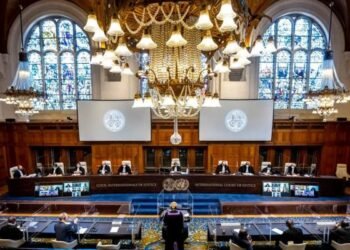
    The International Court of Justice (ICJ) has issued a significant ruling, urging Israel to take measures to prevent genocidal acts amid its ongoing military operations in Gaza. The decision comes as part of a case filed by South Africa, which accused Israel of committing state-led genocide in the Gaza Strip. While the ICJ verdict is legally binding, enforcing such decisions can be challenging, and legal experts anticipate that it may take several years for a final ruling on the allegations against Israel.


    The presiding judge, Joan E Donoghue, stated during the ruling, “At least some of the acts and omissions alleged by South Africa to have been committed by Israel in Gaza appear to be capable of falling within the provisions of the (Genocide) Convention.” This suggests that the court believes there is prima facie evidence to entertain the case based on the Genocide Convention.


    South Africa’s case, presented to the ICJ, argued that Israel’s actions in Gaza amounted to genocide, a grave violation of international law. The court ruled in favor of South Africa’s request for provisional measures against Israel, stating that it cannot accede to Israel’s request that the application not be entertained. The decision underscores the court’s acknowledgment of South Africa’s standing in the case and its recognition that Palestinians in Gaza constitute a protected group under the Genocide Convention.


    The ICJ’s ruling includes several key measures that Israel is obligated to undertake. The court has called on Israel to ensure that its military forces do not engage in genocidal acts, prosecute individuals involved in such acts, and take measures to punish any public solicitations to commit genocide. Additionally, Israel is required to allow humanitarian aid into Gaza to address the humanitarian crisis resulting from the conflict.


    Furthermore, the court has mandated that Israel report back to the ICJ within a month, providing updates on the measures taken to comply with the ruling. This reporting requirement aims to hold Israel accountable for its actions and ensure transparency in addressing the allegations of genocide.


    It is crucial to note that while the ICJ’s verdict is legally binding, enforcing such decisions can be challenging, especially when dealing with geopolitical conflicts. The complexity of the situation in Gaza, coupled with the longstanding Israeli-Palestinian conflict, adds layers of difficulty to the implementation of the ICJ’s measures.


    The ICJ’s decision comes amid escalating tensions in the region and ongoing diplomatic efforts to address the conflict. The court’s recognition of South Africa’s claims and its issuance of specific measures demonstrate its commitment to upholding international law and addressing allegations of genocide.


    However, the road ahead is likely to involve continued legal proceedings, diplomatic negotiations, and challenges in ensuring compliance with the ICJ’s ruling. The Israeli government, led by Prime Minister Benjamin Netanyahu, has previously rejected allegations of genocidal acts and criticized the ICJ’s involvement in what it considers a political matter.


    As the situation unfolds, the international community will be closely watching how Israel responds to the ICJ’s directives and whether the legal process leads to a more comprehensive examination of the allegations against the country. The complexities of the Israeli-Palestinian conflict and the geopolitical dynamics in the Middle East make the path forward uncertain, highlighting the intricate nature of addressing such sensitive and deeply rooted issues through international legal mechanisms.

  • South Africa Accuses Israel of Genocide at ICJ

    South Africa Accuses Israel of Genocide at ICJ

    As the Israel-Hamas conflict continues to escalate, South Africa has taken a significant step by approaching the International Court of Justice (ICJ) with accusations of genocide against Israel. The advocate of the High Court of South Africa, Tembeka Ngcukaitobi, referred to Israel’s top leadership as “genocidal inciters” and asserted that their intent is to destroy Gaza. The case has triggered a robust response from Israel, which has dismissed the genocide claims and accused South Africa of acting as the “legal arm” of Hamas.


    The ongoing war between Israel and Hamas, which has resulted in the deaths of more than 23,000 people in Gaza, started on October 7 when Hamas terrorists infiltrated Israel’s territory from Gaza, killing approximately 1,400 civilians. The terrorists also took over 200 people as hostages, using them as bargaining chips in negotiations with Israel.


    The judges of the ICJ, the United Nations’ top legal body, have heard compelling arguments from both sides and are expected to deliver a verdict in the case soon. The court will evaluate various facts to determine whether Israel is guilty of “destroying a national, ethnic, racial, or religious group, in whole or in part,” as outlined in the 1948 Convention on Genocide.


    The ICJ’s decision could have significant implications for the Israel-Hamas conflict. The court’s role is to settle legal disputes between countries in accordance with international law and provide advisory opinions on legal questions referred by authorized UN organs and specialized agencies. While the ICJ does not have its own enforcement agency, a ruling against Israel could increase international pressure on the country.


    South Africa has specifically requested the ICJ to impose an international injunction against Israel’s strikes on Gaza. If the ICJ rules in favor of South Africa’s request, Israel may face intensified scrutiny and diplomatic consequences. However, Israel retains the option to disregard the ICJ’s verdict and continue its military campaign in Gaza. In such a scenario, the matter may be brought to the UN Security Council, where the United States, as a permanent member with veto power, is likely to shield Israel from any adverse action.


    The ongoing conflict has led to a rising civilian death toll in Gaza, prompting concern and criticism from even Israel’s closest allies. The ICJ’s decision will be closely watched as it navigates the complex legal terrain surrounding accusations of genocide in the context of the Israel-Hamas conflict.


    The ICJ, headquartered in The Hague, Netherlands, serves as the principal judicial organ of the United Nations. It plays a crucial role in resolving legal disputes between states and offering authoritative interpretations of international law. The court’s decisions are binding on the parties involved, providing a forum for peaceful resolution of conflicts within the framework of international law.


    As the ICJ weighs the evidence presented by South Africa and Israel, the international community is grappling with the complexities of the Israel-Hamas conflict and the legal implications of the genocide accusations. The situation underscores the need for a comprehensive and impartial examination of the events on the ground and the adherence to international legal standards in addressing conflicts of this nature.