Tag: flight delays

  • Yellow Alert for Heavy Rainfall in Central and North India

    Yellow Alert for Heavy Rainfall in Central and North India

    The Indian Meteorological Department (IMD) has issued a yellow alert for several states in Central and North India, forecasting extremely heavy rainfall until 13th February. This alert comes as part of the ongoing weather pattern affecting the region, bringing significant precipitation and thunderstorm activity.


    According to the official statement from the IMD, “Rainfall with thunderstorm activity is likely over Central India during 11th-13th February, 2024.” This forecast indicates the continuation of the current weather system, which has already brought substantial rainfall to parts of the region.


    The minimum temperatures across many parts of the northern plains were recorded between 7-11°C on Sunday. These temperatures were below normal by 2-4°C in some areas, indicating the persistence of cold weather conditions. Amritsar reported the lowest minimum temperature at 4.6°C, highlighting the chilly conditions prevailing in the region.


    In terms of rainfall forecasts, the IMD predicts thunderstorms, lightning, and gusty winds with speeds reaching 30-40 kmph over East Madhya Pradesh and Jharkhand during 12th-13th February. Vidarbha and Chhattisgarh are also expected to witness rainfall and thunderstorm activity on 12th February, while Bihar and Gangetic West Bengal may experience similar conditions on 13th and 14th February, respectively.


    Additionally, hailstorms are likely over East Madhya Pradesh and adjoining North Chhattisgarh on 12th February. Odisha is expected to receive rainfall on 12th, 15th, and 16th February, while Uttar Pradesh may experience rainfall during 12th-14th February.


    Regarding temperature forecasts, the IMD predicts a gradual rise in minimum temperatures by 2-4°C over Northwest India in the next five days. A similar increase in minimum temperatures is expected over many parts of East India during the next three days, with no significant change thereafter. However, Central India is likely to experience stable minimum temperatures over the next five days.


    In terms of cold wave conditions, isolated pockets of Himachal Pradesh and East Rajasthan may experience cold wave conditions on 12th February, 2024. This indicates localized areas where temperatures drop significantly below normal, potentially impacting local residents and agriculture.


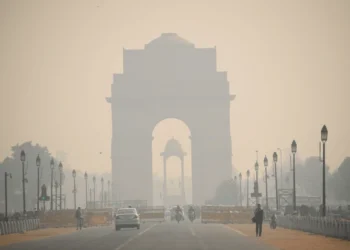
    Turning to the national capital, Delhi, the weather department has forecasted mist on Monday morning. The minimum and maximum temperatures are expected to hover around 8 and 25 degrees Celsius, respectively. However, visibility may be reduced due to fog, leading to delays in several flight operations at the Indira Gandhi International airport.


    The yellow alert combination of heavy rainfall, thunderstorm activity, and cold weather conditions as predicted by IMD underscores the importance of staying informed and prepared. Residents in the affected regions should take necessary precautions to mitigate any potential risks associated with adverse weather conditions. This includes staying updated on weather forecasts, avoiding unnecessary travel during inclement weather, and following any advisories or warnings issued by local authorities.


    Furthermore, travelers should anticipate possible delays or disruptions to transportation services, particularly air travel, due to reduced visibility and adverse weather conditions. It is advisable to check the status of flights and make alternative arrangements if necessary.


    The IMD’s yellow alert for heavy rainfall highlights the ongoing weather challenges faced by Central and North India. By staying vigilant and taking appropriate precautions, individuals and communities can better cope with the impact of these weather events and ensure their safety and well-being.

  • Indigo Flight Incident Halts Departures at Delhi Airport

    Indigo Flight Incident Halts Departures at Delhi Airport

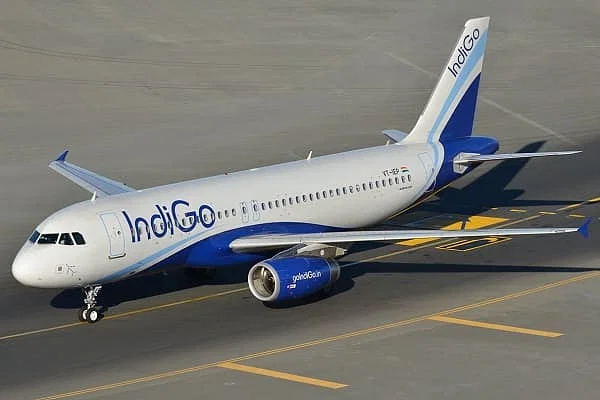
    On Sunday morning, operations at Delhi Airport faced a temporary halt after an Indigo flight from Amritsar missed the taxiway upon landing, causing disruptions to flight departures from Runway 28/10. The incident, involving Indigo flight 6E 2221, led to a delay of 15 minutes as the runway had to be cleared before normal operations could resume.


    According to airport sources, the Indigo flight, upon arrival at Delhi Airport, failed to follow the designated route to the taxiway, resulting in its obstruction. As a result, departures from Runway 28/10 had to be temporarily suspended until the situation was resolved. The delay persisted until Indigo towed its aircraft away from the runway, allowing for the resumption of flight operations.


    The interruption in flight departures highlights the critical nature of maintaining smooth runway operations at busy airports like Delhi Airport. Any deviation from standard procedures or incidents involving aircraft can lead to cascading delays and inconvenience to passengers and airlines alike.


    The incident occurred despite the recent reopening of Runway 28/10, which had undergone recarpeting and refurbishment works. The runway, equipped with CAT III capabilities, plays a crucial role in facilitating smooth flight operations, especially during adverse weather conditions.


    Delhi Airport, being one of the busiest airports in the country, operates multiple runways to handle the high volume of air traffic. Apart from Runway 28/10, the airport has three other operational runways: RW 09/27, RW 11R/29L, and RW 11L/29R. The availability of multiple runways helps in optimizing flight movements and reducing congestion, especially during peak hours.


    However, incidents like the one involving the Indigo flight underscore the importance of maintaining strict adherence to safety protocols and procedures by all stakeholders in the aviation industry. Even minor deviations from standard operating procedures can have significant repercussions, leading to disruptions in airport operations and potential safety risks.


    For passengers and airlines, such incidents serve as a reminder of the inherent complexities and challenges involved in air travel. Delays and disruptions, though undesirable, are sometimes inevitable, and it is crucial for all parties involved to remain vigilant and responsive to ensure the safety and efficiency of air travel operations.


    While the specific details surrounding the Indigo flight incident are yet to be fully disclosed, it serves as a valuable learning opportunity for airport authorities and airlines to review and reinforce safety measures and protocols. Continuous training and awareness programs for flight crew and ground staff can help mitigate the risk of similar incidents in the future.


    Additionally, effective communication and coordination between air traffic control, airport authorities, and airlines are essential for promptly addressing and resolving any operational issues or emergencies that may arise. Timely intervention and proactive measures can minimize the impact of disruptions and ensure the smooth resumption of flight operations.


    The temporary halt in flight departures at Delhi Airport due to the Indigo flight incident highlights the importance of strict adherence to safety protocols and procedures in the aviation industry. While such incidents may cause inconvenience, they also serve as reminders of the critical need for vigilance and preparedness to ensure the safety and efficiency of air travel operations.

  • Flight Operations Delayed at Delhi Airport Due to Fog

    Flight Operations Delayed at Delhi Airport Due to Fog

    Flight operations at Delhi’s Indira Gandhi International Airport (IGI) faced delays on February 11 due to low visibility caused by thick fog. The adverse weather conditions disrupted the schedule of numerous flights, prompting the airport authorities to issue advisories for passengers. In a statement, the airport management emphasized that while landing and takeoffs were continuing, flights that were not CAT III compliant might experience delays. Passengers were urged to stay in touch with their respective airlines for updated flight information, and any inconvenience caused was deeply regretted.


    The weather department provided further insights into the prevailing conditions, forecasting clear skies with mist for Sunday morning. The maximum and minimum temperatures were anticipated to hover around 25 degrees Celsius and 7 degrees Celsius, respectively. However, the national capital was likely to witness rain on Valentine’s Day, according to predictions by RWFC Delhi, with a possibility of very light rain or drizzle on February 14.


    Meanwhile, the Air Quality Index (AQI) in Delhi remained a cause for concern, with the overall AQI recorded at 325, categorized as ‘very poor’ according to data from the Central Pollution Control Board (CPCB). Various areas across the city reported high levels of pollution, with AQI readings ranging from 324 to 386. These included NSIT Dwarka, RK Puram, Punjabi Bagh, Pusa, IGI Airport, Jawaharlal Stadium, Nehru Nagar, Dwarka Sector 8, and Jahangirpuri. The deteriorating air quality underscored the ongoing challenges faced by the city in combating pollution and its detrimental effects on public health.


    In addition to the weather and pollution concerns, the India Meteorological Department (IMD) issued a rainfall alert for several parts of Central and East India until February 14. Light rainfall activity was predicted over regions such as East Madhya Pradesh, Vidarbha, Chhattisgarh, Odisha, south Uttar Pradesh, south Bihar, and Jharkhand. The weather department also anticipated a rise in minimum temperatures by 3-5 degrees Celsius over various parts of Northwest, Central, East, and West India during the next four days.


    Further, IMD forecasted isolated to scattered light rainfall activity over East Madhya Pradesh, Vidarbha, Chhattisgarh, and Odisha from February 10 to 13, and over south Uttar Pradesh, south Bihar, Jharkhand, and Gangetic West Bengal from February 12 to 14. Additionally, light isolated rainfall was expected over Telangana on February 10 and 11.


    Moreover, IMD highlighted the possibility of isolated light intensity thunderstorms accompanied by lightning over East Madhya Pradesh, Vidarbha, and Chhattisgarh from February 11 to 12, and over Bihar, Jharkhand, and Gangetic West Bengal from February 13 to 14. These weather forecasts underscored the need for residents and authorities to remain vigilant and take necessary precautions to mitigate any potential risks associated with adverse weather conditions.


    The ongoing challenges posed by weather-related disruptions, coupled with environmental concerns such as air pollution, highlight the importance of proactive measures and effective management strategies. As authorities continue to monitor the situation and provide updates, it remains crucial for individuals to stay informed and adhere to safety guidelines to ensure their well-being and minimize disruptions to daily activities.

  • Shaadi.com CEO Criticizes IndiGo for Flight Delays

    Shaadi.com CEO Criticizes IndiGo for Flight Delays

    In a recent incident, Anupam Mittal, the CEO of Shaadi.com, took to social media platform X on February 8 to criticize IndiGo for what he described as “inhumane” treatment of passengers. Mittal recounted his personal experiences of significant delays on two separate flights operated by IndiGo.


    Mittal revealed that his flight from Delhi to Mumbai was subjected to a delay of over 45 minutes while being held on the tarmac. He expressed frustration at passengers being forced to endure the delay inside the aircraft without air conditioning, purportedly as a cost-saving measure. Similarly, his return flight from Mumbai to Delhi encountered a delay exceeding 2 hours, for which he claimed no refund offer was provided, further exacerbating his dissatisfaction.


    In a social media post addressing IndiGo, Mittal questioned the airline’s practices, stating, “Kya ho gaya tumko IndiGo. Mum-Delhi > 45-minute delay on the tarmac without AC so u can keep costs down. Del-Mum > 2 hr delay but will not refund the ticket. DGCA this is inhumane and should be made illegal.”


    IndiGo responded to Shaadi.com CEO Mittal’s grievances, extending their apologies for the inconvenience caused by the delay of his Mumbai flight, attributing it to unforeseen traffic congestion. They further explained that the delay on the Delhi-Mumbai route resulted from an unexpected medical emergency on the incoming flight. While expressing regret for the inconvenience caused, IndiGo assured Mittal of their understanding of the importance of passengers’ time and the impact of such delays on travel plans.


    This incident comes amid a backdrop of escalating dissatisfaction among passengers regarding IndiGo’s service standards. On January 31, passengers staged a protest at Delhi airport after their Deoghar-bound flight was cancelled at Terminal 2, sparking outrage among travelers. Such incidents have become recurrent, prompting regulatory action by the Directorate General of Civil Aviation (DGCA), which imposed fines on both IndiGo and Mumbai Airport in response to passenger grievances.


    These developments underscore growing concerns over airline accountability and passenger rights in India’s aviation sector. As travelers demand improved service quality and adherence to safety standards, airlines face heightened scrutiny to address operational challenges and ensure a satisfactory travel experience for passengers.

  • Delhi Witnesses Dip in Minimum Temperature Due to Rains

    Delhi Witnesses Dip in Minimum Temperature Due to Rains

    Delhi witnessed a decline in its minimum temperature on Sunday, February 4, attributed to overnight rains. At 7:00 am in the morning, the city recorded a temperature of 14 degrees Celsius. The India Meteorological Department (IMD) data indicates that the maximum temperature in Delhi settled at 23.2 degrees Celsius, while the minimum temperature was 6.7 degrees Celsius.


    The minimum temperature observed in Delhi on this day was two notches below the season’s average, while the maximum temperature was one notch above the season’s average.


    Delhi’s main weather station, Safdarjung, reported a visibility of 1.8 kilometers at 7:00 am, significantly higher than the 200 meters recorded the previous day. The improved visibility is attributed to light rains the capital city experienced last night. These rains not only affected the temperature but also contributed to better air quality and reduced fog conditions.


    The weather department forecasts a generally cloudy sky with light rain during the day due to a fresh western disturbance. A yellow alert has been issued for the following day, with predictions of light rain and thunderstorms accompanied by gusty winds. Subsequently, Delhi is expected to experience moderate to dense fog conditions with a clear sky, and no alerts are anticipated until February 9.


    Despite a significant improvement in Delhi’s overall Air Quality Index (AQI) compared to the previous month, the city witnessed a slight increase in AQI from 214 to 253, maintaining its status in the ‘poor’ category at 7:00 am. According to the Central Pollution Control Board (CPCB) data, Delhi stands seventh among the most polluted cities in India.


    On February 3, Indira Gandhi International (IGI) airport in Delhi activated its second runway, Runway 10/28, with CAT III technology. This enhancement allows safe landings during low-visibility conditions even in inclement weather. However, despite this technological upgrade, flight operations continue to be impacted by bad weather, leading to reported delays.


    The average maximum temperature in Delhi for the month of January until January 30 was 17.7 degrees Celsius, marking the lowest in the last 13 years. During the same period, the average minimum temperature in Delhi stood at 6.2 degrees Celsius, the second lowest in 13 years, as reported by PTI.

  • North India: IMD Predicts Very Dense Fog and Cold Wave

    North India: IMD Predicts Very Dense Fog and Cold Wave

    The Indian Meteorological Department (IMD) has issued a warning for very dense fog and severe cold wave conditions across North India in the coming days. The forecast indicates challenging weather conditions, affecting air and rail travel, as well as daily life in the region.


    Dense Fog Alert:

    IMD predicts very dense fog conditions over Punjab, Haryana, Chandigarh, and Uttar Pradesh from January 24 to 27. Delhi is also expected to experience dense fog during the same period. In Bihar, very dense fog is likely from January 24 to 25, followed by dense fog in isolated pockets for the subsequent three days. Similarly, Madhya Pradesh is expected to witness dense fog conditions from January 24 to 26.


    The dense fog is a cause for concern, especially for air travel, as it often leads to disruptions and delays at airports. Delhi’s Indira Gandhi International (IGI) Airport has already experienced more than 150 flight delays due to the dense fog, compounded by restrictions ahead of Republic Day.


    Severe Cold Day Conditions:

    Severe cold day conditions are likely to persist in many parts of Punjab, Haryana, and Uttar Pradesh on January 24, with some areas also experiencing cold day conditions on January 25. Isolated pockets in these regions may continue to face cold day conditions on January 26 and 27. Additionally, isolated pockets in West Rajasthan, Uttarakhand, and East Rajasthan are expected to witness severe cold day conditions on January 24. Bihar may face severe cold day conditions for the next four days.


    The severe cold day conditions can impact normal life, leading to discomfort and health-related issues. It is crucial for residents to take necessary precautions and stay warm during these harsh weather conditions.


    Cold Wave Warning:

    Cold wave conditions are likely in north Rajasthan from January 24 to 25. Himachal Pradesh, Uttarakhand, Punjab, Haryana, Chandigarh, and Uttar Pradesh are under the cold wave warning for January 24. Residents in these areas are advised to prepare for the cold wave, which can lead to a drop in temperatures below the normal range.


    Rainfall Forecast:

    IMD has also provided a rainfall forecast, stating that light isolated rainfall or snowfall is expected over the Western Himalayan Region from January 25 to 28. Additionally, light rainfall is likely over Vidarbha, Chhattisgarh, Telangana, Coastal Andhra Pradesh, Odisha, West Bengal, and Sikkim during the next 2-3 days. Moderate rainfall is forecasted over the Andaman & Nicobar Islands from January 24 to 28, with the possibility of heavy rainfall on January 25.


    The rainfall forecast is essential for residents in these regions to stay informed and take precautions, especially in areas prone to flooding or other weather-related incidents.


    Minimum Temperature Forecast:

    The IMD predicts a rise in minimum temperatures by 2-3°C in East India during the next two days, followed by a fall of 2-3°C in the subsequent three days. In Northwest India, no significant change in minimum temperatures is expected over many parts during the next two days, with a subsequent rise of about 2°C.


    Impact on Travel and Daily Life:

    The dense fog and severe cold wave conditions are likely to have a significant impact on travel and daily life in North India. Passengers at New Delhi Railway Station have already faced difficulties as several trains are running off-schedule due to bad weather. The cascading effect of these delays can disrupt normal life and operations for several days.


    As North India braces for very dense fog and severe cold wave conditions, residents are urged to stay informed about the latest weather updates. Travelers should check for flight and train status before planning their journeys. Taking necessary precautions, such as dressing warmly and being cautious on the roads, can help mitigate the challenges posed by the adverse weather conditions. The IMD continues to monitor the situation, providing timely forecasts to ensure the safety and well-being of the residents in the affected regions.

  • Delhi Orange Alert Issued for Dense Fog

    Delhi Orange Alert Issued for Dense Fog

    The national capital, Delhi, experienced a minimum temperature of 8.5 degrees Celsius on Saturday, slightly above the seasonal average, according to the India Meteorological Department (IMD). However, an “orange alert” for dense fog was issued for Delhi and its neighboring regions on the same day, indicating challenging weather conditions.


    The IMD has predicted dense fog conditions, hence the orange alert for January 22 and January 23, affecting visibility and leading to potential disruptions in transportation. While no dense fog was reported during the night at the Indira Gandhi International Airport (IGI), visibility in various regions was significantly reduced.


    Ambala in Haryana reported visibility of 200 meters, Hissar 500 meters, Delhi’s Safdarjung 500 meters, and Palam 1100 meters, highlighting the impact of dense fog on different areas.


    The challenging weather conditions led to the delay of approximately 11 trains heading to Delhi from various parts of the country. Trains such as Khajuraho-Kurushetra Express, Ambedkarnagar-Katra, and Vasco-Nizamuddin Express, among others, experienced delays.


    Passengers at Delhi’s Indira Gandhi International Airport faced disruptions as well, with some flights delayed and a few even canceled due to the dense fog conditions. Travelers were seen waiting for their scheduled flights as airport authorities dealt with the challenges posed by reduced visibility.


    The IMD’s forecast suggests that dense fog conditions are likely to persist in the National Capital on January 22 and 23, affecting daily activities and transportation. It is crucial for residents and travelers to stay informed about weather updates and advisories during this period.


    The temperature in Delhi is expected to hover between 6 degrees and a maximum of 20 degrees until January 25, according to the IMD. These conditions, combined with dense fog, can impact daily life and travel plans, emphasizing the need for caution and preparedness.


    The low visibility and challenging weather conditions on Friday affected various regions, including parts of Punjab, West Rajasthan, Haryana, Delhi, Tripura, Uttarakhand, East Uttar Pradesh, Bihar, Jharkhand, Odisha, and East Rajasthan. The IMD recorded visibility as low as 50 meters in isolated regions, further highlighting the severity of the fog-related challenges.


    As a result of the dense fog, as many as 22 Delhi-bound trains experienced delays. Train services, including Khajaurao-Kurukshetra Express, Puri-New Delhi Purushottam Express, Hyderabad-New Delhi Express, Rani Kamlapati-New Delhi Bhopal Express, and Kamakhya-Delhi Junction, were delayed by around 6-6.30 hours.


    The impact of dense fog on transportation is a common challenge during the winter months in northern parts of India. Fog-related disruptions often lead to delays and cancellations of flights and trains, affecting the travel plans of thousands of people. Passengers are advised to check for updates, follow safety protocols, and plan their journeys accordingly during periods of dense fog.


    Delhi’s recent experience of dense fog, coupled with a slightly higher minimum temperature, underscores the need for residents and travelers to stay informed about weather conditions and potential disruptions. The “orange alert” issued by the IMD signals the importance of taking precautions and being prepared for challenging weather scenarios in the coming days.

  • Clash of Words Between Scindia and Congress Leader Tharoor

    Clash of Words Between Scindia and Congress Leader Tharoor

    The chaos at Delhi Airport, characterized by severe flight delays and cancellations, has sparked a verbal spat between Civil Aviation Minister Jyotiraditya Scindia and Congress leader Shashi Tharoor. The dispute unfolded on X (formerly Twitter) with accusations and counter-accusations regarding the government’s handling of the situation and its preparedness for adverse weather conditions.


    On January 14 and 15, thousands of passengers faced disruptions in their travel plans due to fog-related issues, leading to delays and cancellations. Shashi Tharoor took to Twitter to express concern and questioned the government’s preparedness to handle fog conditions, particularly focusing on the use of CAT III-B compliant runways at Delhi Airport.


    Tharoor’s tweets prompted a response from Civil Aviation Minister Scindia, who defended the government’s actions and criticized Tharoor for selective data mining and being an “arm-chair critic.” The exchange escalated as both leaders exchanged barbs, with Tharoor demanding an apology from Scindia for the inconvenience caused to passengers.


    In his initial tweets, Tharoor raised questions about the government’s readiness to ensure that airlines have adequately trained pilots for landing planes on CAT III-B compliant runways, which allow flight operations in visibility as low as 50 meters due to fog. He highlighted the plight of passengers enduring lengthy delays, some even resorting to eating meals on the tarmac.


    Scindia’s response included dismissing Tharoor’s tweets as an esoteric exploration of thesaurus and emphasizing the importance of actual facts. The minister defended the government’s initiatives, citing the priority given to maintenance work on runways and attributing delays to unforeseen challenges like pollution incidents and the enforcement of GRAP-IV in Delhi.


    The Congress leader countered by citing news reports and accusing the Modi government of initiating maintenance work on a crucial runway in September 2023, fully aware that it would not be ready for winter. Tharoor pointed to the delayed commissioning of the revamped runway, contributing to the chaos at Delhi Airport.


    The dispute also touched upon the use of a crane blocking the operation of CAT III-B on one runway. Tharoor highlighted the issue, claiming that despite repairs being complete, the crane hindered operations. Scindia responded by explaining that the crane was part of another critical infrastructure project, the Dwarka Expressway.


    Meanwhile, the Flight Information Display System at Delhi Airport reported significant delays and cancellations, impacting both domestic and international flights. The clash between Scindia and Tharoor underscores the broader concerns about the efficiency and preparedness of India’s aviation sector, particularly during adverse weather conditions, and the political ramifications of such incidents.


    As the political spat continues, passengers and the public await concrete actions to address the challenges faced at Delhi Airport and ensure smoother air travel experiences in the future. The episode highlights the need for robust infrastructure management and contingency planning in the aviation sector to mitigate disruptions and minimize passenger inconvenience.

  • Union Aviation Minister Slams Tharoor’s Criticism on Flight Delays

    Union Aviation Minister Slams Tharoor’s Criticism on Flight Delays

    In a series of Twitter exchanges, Union Minister for Civil Aviation Jyotiraditya Scindia responded to Congress MP Shashi Tharoor’s criticism of the government’s preparedness to handle flight delays during fog conditions at Delhi Airport. Tharoor had raised concerns about passengers facing long delays and eating meals on the tarmac amid severe cold wave conditions in north India.


    Tharoor’s critique pointed to media reports highlighting the chaotic situation at Delhi Airport, where flights were delayed or canceled, causing inconvenience to passengers. He questioned the government’s failure to upgrade the CAT III-B runway to CAT III-C, allowing flights to land even at zero visibility. Tharoor also alleged insufficient training for pilots to land on CAT III-B runways.


    In response, Scindia dismissed Tharoor as an “arm-chair critic” and shared a series of tweets presenting what he called “actual facts.” He emphasized that the maintenance work on one of the CAT III-B runways at Delhi Airport was a priority and aimed to be completed by December 15 before the onset of fog season. However, pollution incidents and the enforcement of the Graded Response Action Plan (GRAP-IV) in Delhi led to a delay of one month in the commissioning of the runway.


    Scindia clarified that the revamped runway was set to become operational during the week, addressing Tharoor’s concerns about the delays. Regarding a crane obstructing CAT III-B operation on one runway, Scindia explained that it was being used for the construction of the Dwarka Expressway. He mentioned that despite repairs being complete, the crane continued to block the operation, and Delhi Airport had flagged this issue over 10 days ago.


    The minister defended the government’s actions and priorities in addressing the challenges faced by Delhi Airport, particularly during the fog season. He highlighted the completion of runway maintenance and explained the reasons behind the delay, citing pollution incidents and the enforcement of GRAP-IV.


    In a final retort, Scindia pointed out the positive developments in the aviation sector under the NDA government, mentioning the birth of five new regional airlines under the Prime Minister’s UDAN vision. This was in response to Tharoor’s assertion that market concentration in the aviation industry, with 90% controlled by two groups, fosters high prices and poor customer service.


    The Twitter exchange reflects the ongoing debate between political figures over the efficiency of measures taken to address flight delays and ensure passenger comfort during adverse weather conditions at Delhi Airport.

  • CAT-III compliant: Delhi Airport Boosts Operational Capacity

    CAT-III compliant: Delhi Airport Boosts Operational Capacity

    Delhi’s Indira Gandhi International Airport, one of India’s largest and busiest airports, is gearing up to enhance its operational capabilities during low visibility conditions, particularly fog, with the activation of its second Category III (CAT-III) compliant runway. This strategic move aims to mitigate the impact of flight delays caused by adverse weather, offering a more reliable and efficient experience for air travelers.


    In aviation terminology, Category III (CAT III) refers to an advanced instrument landing system (ILS) approach designed to facilitate landings in extremely low visibility conditions resulting from factors like fog, rain, or snow. The CAT-III system supports precision approaches and landings, even when runway visibility is as low as 50 feet (15 meters), and the visual range is between 50 and 200 meters.


    The activation of the second CAT-III runway was initially delayed by a month due to pollution incidents and the implementation of the Graded Response Action Plan (GRAP) in Delhi to combat air pollution. However, according to Civil Aviation Minister Jyotiraditya Scindia, the maintenance work has been prioritized and is set to be completed this week.


    “The maintenance was taken as a top priority to be completed by 15 Dec before the onset of the fog season…The revamped runway is getting operational this week,” stated Scindia.


    Improved fog conditions on Wednesday resulted in a notable reduction in the impact on flight operations at Delhi airport. No flight diversions were reported, and delays were significantly reduced to approximately 50 flights. In contrast, Tuesday witnessed dense fog in the national capital, leading to 128 flight delays and 33 cancellations.


    Delhi airport currently operates with three runways: 27/9, 29R-11L, and 29L-11R. Among these, 29R-11L and 29L-11R are CAT-III compliant. While 29R-11L is already CAT-III compliant from one side, officials anticipate achieving CAT-III certification for landings from both sides by February. Operational challenges for runway 29L-11R were encountered due to cranes obstructing the landing path for the construction of the Dwarka Expressway.


    Scindia explained, “The crane was being used for the construction of another critical infrastructure project – the Dwarka Expressway. However, in view of its impact on the runway, it has now been decided that the crane operation shall be allowed only on non-fog days. Thus, RWY 29L/11R is operational as CAT III as of yesterday.”


    With the imminent operationalization of runway 28/10, the Delhi airport is poised to have three CAT-III compliant runways by the end of the week. This significant enhancement is expected to considerably reduce flight delays during foggy conditions, offering a more reliable and efficient air travel experience.


    India has witnessed a substantial increase in the number of CAT II and CAT III trained pilots, growing from 2,416 in 2014 to 6,191 currently. Over the last three months, the total count has seen a 16% increase from 5,332, signaling a positive trend in the aviation sector’s readiness to handle low visibility situations.


    CAT-II landings, which involve a precision instrument approach with a decision height of 30-60 meters and a minimum runway visual range of 300 meters, contribute to improved safety and operational efficiency, especially in adverse weather conditions.

  • Civil Aviation Minister Issues Additional SOPs to Tackle Delays

    Civil Aviation Minister Issues Additional SOPs to Tackle Delays

    Civil Aviation Minister Jyotiraditya Scindia has taken proactive steps to address the challenges posed by fog-related flight delays, issuing additional standard operating procedures (SOPs) to manage disruptions at airports, particularly in Delhi. The move comes in response to recent chaos and delays due to dense fog affecting flight operations.


    The newly introduced SOPs include several key measures:


    • Incidence Reporting: Airlines are required to submit incident reports three times daily for all six metro airports, providing comprehensive data on disruptions caused by fog.


    • Compliance Monitoring: Stringent monitoring of the implementation of directives from the Directorate General of Civil Aviation (DGCA), SOPs, and Civil Aviation Requirements (CARs) will be conducted and reported regularly.


    • War Rooms: Airports and airline operators at the six metro airports will establish dedicated “War Rooms” to promptly address any issues related to passenger inconvenience.


    • CISF Manpower: Adequate manpower availability from the Central Industrial Security Force (CISF) will be ensured round-the-clock to maintain security and manage the increased passenger volume.


    • Runway Operations: Runway 29L at Delhi Airport has been made CAT III operational, enhancing the airport’s capability to handle flights during foggy conditions. Additionally, the operationalization of Runway 10/28 as CAT III will be undertaken after re-carpeting.


    In a post on X, Minister Scindia emphasized the commitment of all stakeholders to minimize the impact of fog-related disruptions. The SOPs aim to enhance coordination, communication, and operational efficiency during adverse weather conditions.


    The minister also addressed the recent incident of unruly behavior, emphasizing its unacceptability. He stated that such incidents would be dealt with strongly in accordance with existing legal provisions.


    The aviation industry, particularly Delhi Airport, experienced significant disruptions on Sunday due to dense fog, leading to flight diversions, cancellations, and delays. The DGCA had previously issued SOPs instructing airlines to comply with measures to ensure timely and accurate communication with affected passengers.


    The SOPs emphasize the publication of real-time information on delays, advance notifications to passengers via SMS, WhatsApp, and email, display of updated information at airports, and sensitization of airline staff to effectively communicate with passengers.


    These comprehensive measures seek to improve the passenger experience, reduce inconvenience, and enhance the overall efficiency of flight operations during challenging weather conditions, reinforcing the commitment to safety and customer satisfaction in the aviation sector.