Tag: essential commodities

  • Wheat and Rice Included in Price Stabilization Fund

    Wheat and Rice Included in Price Stabilization Fund

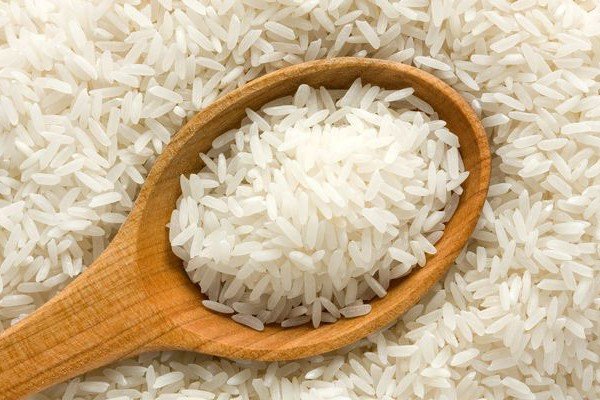
    The government’s decision to include wheat and rice under the Price Stabilization Fund (PSF) marks a significant step in its efforts to stabilize food prices and curb inflationary pressures, particularly in the lead-up to the general elections. This move comes as prices of essential commodities, including rice and wheat, continue to rise, posing challenges for consumers across the country.


    The PSF, established in 2014-15 with a corpus of ₹500 crore, serves as a crucial tool for maintaining a strategic buffer stock of key food commodities and releasing them into the market when prices surge. Until now, onions, potatoes, and pulses have been the primary commodities covered under the PSF. However, the inclusion of wheat and rice expands the scope of the fund and enables the government to address the soaring prices of these staple grains.


    Under the new arrangement, the Food Corporation of India (FCI) will receive a subsidy for supplying wheat and rice to central procurement agencies such as the National Agricultural Cooperative Marketing Federation of India Ltd (Nafed) and the National Cooperative Consumers’ Federation of India (NCCF). This subsidy aims to incentivize the processing and sale of wheat and rice under the Bharat brand, which is offered to consumers at subsidized rates.


    The decision to include wheat and rice in the PSF reflects the government’s commitment to ensuring food security and affordability for all citizens, especially amid rising inflationary pressures. By subsidizing the production and distribution of these essential food grains, the government seeks to mitigate the financial burden on consumers and stabilize prices in the market.


    However, the effectiveness of this intervention remains to be seen, particularly in light of past experiences where similar initiatives have yielded mixed results. While the government’s intent to alleviate the hardships faced by consumers is commendable, the success of these measures will depend on various factors, including market dynamics, consumer behavior, and the implementation of the subsidy scheme.


    Critics argue that such interventions may have limited impact on market prices and consumer behavior, citing previous instances where subsidized food grains failed to alleviate inflationary pressures effectively. Nonetheless, proponents of the PSF maintain that strategic interventions are necessary to safeguard the interests of consumers and prevent speculative activities in the market.


    The timing of this decision, ahead of the general elections, has also raised eyebrows, with some observers suggesting political motives behind the move. However, proponents argue that the government’s primary objective is to address the immediate concerns of consumers and ensure food security during challenging times.


    The inclusion of wheat and rice under the Price Stabilization Fund underscores the government’s commitment to addressing rising food prices and ensuring food security for all citizens. While the effectiveness of these measures remains uncertain, the government’s proactive approach to stabilizing food prices is a step in the right direction. Moving forward, close monitoring and evaluation of the subsidy scheme will be essential to gauge its impact and effectiveness in mitigating inflationary pressures in the food market.

  • Onion Prices Expected to Surge, Reaching ₹60-70 per kg

    Onion Prices Expected to Surge, Reaching ₹60-70 per kg

    As tomato prices in India continue to rise, there are indications that onion prices might also experience an increase, potentially reaching ₹60-70 per kg in September. A report from Crisil Market Intelligence and Analytics suggests that a supply-demand imbalance is anticipated, particularly towards the end of August. The report forecasts a significant price hike from early September, though prices are expected to remain below the highs witnessed in 2020.


    One of the factors contributing to the expected price surge is the reduced shelf life of rabi onions by 1-2 months. Panic selling that occurred in February-March this year has led to the depletion of rabi stocks in the open market, which is likely to result in tightened supplies and higher prices. This situation extends the lean season by 15-20 days, leading to concerns about onion availability and cost.


    Farmers have reported substantial damage to stored onions due to heavy rainfall over the past month, leading to decreased supplies. This situation is further expected to contribute to the potential price surge.


    While a government official mentioned that there is no immediate concern due to sufficient stocks and monitoring of demand and supply, analysts predict that onion prices are likely to rise. The lower acreage under rabi cultivation in the 2023 season, combined with reduced realizations for farmers in the previous season, might contribute to the price increase. Additionally, high temperatures in February led to the early maturity of onions, decreasing their shelf life and adding pressure on prices.


    The projected surge in onion prices adds to the broader concern about rising food prices in India. It highlights the complex interplay of factors such as weather conditions, supply-demand dynamics, and cultivation patterns that influence the cost of essential commodities in the country.