Tag: Electoral Integrity

  • Democracy Upheld by SC: AAP’s Victory on Polls

    Democracy Upheld by SC: AAP’s Victory on Polls

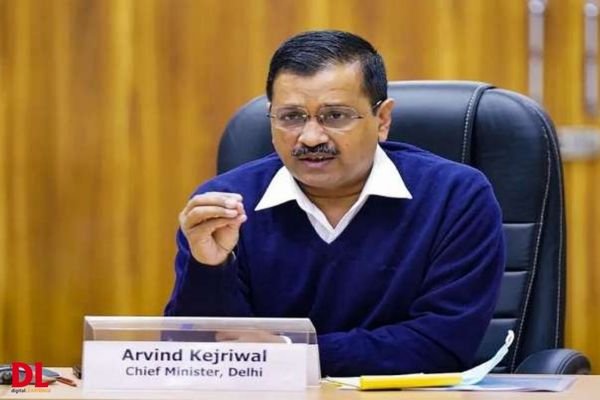
    Reacting to the Supreme Court’s ruling on the Chandigarh mayoral polls, Aam Aadmi Party (AAP) national convener and Delhi Chief Minister Arvind Kejriwal expressed gratitude to the apex court, stating that the judgment has safeguarded democracy during challenging times. Kejriwal emphasized the significance of the decision in the current political climate, where democracy is perceived to be under threat.


    Kejriwal asserted that the ruling reflects the victory of truth and integrity, highlighting the resilience of democratic institutions against attempts to undermine them. He also praised the efforts of AAP and its allies in fighting against electoral malpractices, emphasizing that unity, strategic planning, and hard work can overcome any political challenge.


    Earlier in the day, the Supreme Court, during the hearing on a petition regarding allegations of vote tampering, observed that the eight disputed votes should be considered valid, prompting a recount. The bench scrutinized the ballot papers and reviewed video recordings presented by a judicial officer appointed by the Punjab and Haryana High Court’s Registrar General.


    The controversy arose after the returning officer declared eight votes invalid, contributing to the victory of the BJP candidate in the mayoral polls. However, AAP candidate Kuldeep Kumar contested the decision, alleging electoral malpractices by the returning officer.


    The Supreme Court’s scrutiny of the ballots and admonishment of the returning officer underscored its commitment to upholding electoral integrity and ensuring fairness in democratic processes. The court’s insistence on accountability and transparency in the electoral process reaffirms its role as a guardian of democracy.


    In defense, the returning officer’s counsel argued that the marks made on the ballots were minimal and that the returning officer acted within his authority. However, the court remained firm in its stance, emphasizing the importance of adhering to established procedures and principles of fairness in electoral conduct.


    Overall, the Supreme Court’s intervention in the Chandigarh mayoral polls signifies a victory for democratic values and underscores the judiciary’s crucial role in safeguarding electoral integrity and upholding the rule of law.

  • Pakistan Bureaucrat Admits to Fraudulent Vote Manipulation

    Pakistan Bureaucrat Admits to Fraudulent Vote Manipulation

    The political landscape in Pakistan has been rocked by fresh allegations of poll rigging, with a senior bureaucrat admitting to overturning thousands of votes to manipulate election results. This revelation comes amid protests led by Prime Minister Imran Khan’s Pakistan Tehreek-e-Insaf (PTI) party, which alleges widespread manipulation of votes and the theft of its mandate in recent polls.


    The senior bureaucrat, Liaqat Ali Chattha, confessed to overturning the results of numerous national assembly seats by converting losers into winners through fraudulent means. He claimed to have reversed margins of up to 70,000 votes in 13 constituencies, implicating the head of the election commission and the country’s top judge in his remarks. Chattha’s shocking admission has triggered outrage and calls for accountability, with demands for a thorough investigation into the matter.


    Despite Chattha’s confession, the election commission has rejected the allegations but has pledged to conduct an inquiry into the matter. Punjab’s caretaker Chief Minister Mohsin Naqvi has also ordered an impartial probe into the rigging allegations, signaling the seriousness with which the issue is being treated at the highest levels of government.


    The bureaucrat Chattha revealed that he personally supervised the rigging of votes in Rawalpindi following the elections, where candidates from the Pakistan Muslim League-Nawaz (PML-N) and Pakistan Peoples Party (PPP) emerged victorious. This revelation has raised concerns about the integrity of the electoral process and the potential manipulation of election outcomes to favor certain political factions.


    The PML-N has dismissed the allegations as politically motivated, attributing Chattha’s actions to his supposed political allegiance. The party has called for transparency and accountability in the investigation, emphasizing the need to uphold democratic principles and ensure fair and free elections.


    The February 8 elections saw independent candidates, many backed by the PTI, winning a significant number of seats in the National Assembly. However, with no single party securing a clear majority, political maneuvering and coalition-building have become critical in determining the next government. The army-backed PML-N has announced a partnership with the PPP and other smaller parties to form the government, but the situation remains fluid, with the final outcome still uncertain.


    The allegations of poll rigging and electoral fraud have cast a shadow over Pakistan’s democratic process, highlighting the challenges and complexities inherent in conducting free and fair elections. As the country grapples with political uncertainty and allegations of misconduct, the need for transparency, accountability, and respect for democratic norms has never been more pressing. The outcome of the ongoing investigations and the subsequent actions taken will have far-reaching implications for Pakistan’s democratic future.