Tag: Dress Code

  • Taliban Tightens Restrictions on Women’s Freedoms in Afghanistan

    Taliban Tightens Restrictions on Women’s Freedoms in Afghanistan

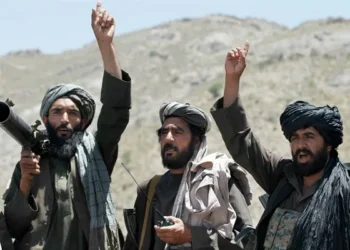
    The recent findings by the United Nations Assistance Mission in Afghanistan (UNAMA) highlight a distressing reality for women in Afghanistan as the Taliban tightens its grip on power. The UN report reveals a series of escalating restrictions that severely impact women’s freedoms, ranging from work and travel limitations to constraints on healthcare access. These measures signal a troubling regression from the initial promises of a more moderate governance that the Taliban had suggested in its earlier declarations.


    One of the most alarming aspects of the recent developments is the requirement for women to have a male guardian, known as a “mahram,” to engage in basic activities such as work, travel, and accessing healthcare. This imposition places a significant burden on women, restricting their autonomy and reinforcing traditional patriarchal norms.


    The UNAMA report highlights a specific incident involving the Taliban’s Vice and Virtue Ministry, which informed a female healthcare worker that her employment would only be valid after marriage. This demonstrates the intrusion of the Taliban into the personal and professional lives of women, dictating not only their public conduct but also their private choices.


    Education for girls has also been a target of the Taliban’s restrictive measures. The report notes that the Taliban has halted education for girls beyond the sixth grade, reneging on their earlier promises of allowing girls to continue their education. This move has far-reaching consequences for the intellectual and social development of young girls, perpetuating gender disparities in educational attainment.


    The enforcement of a strict dress code, including the mandatory wearing of the burqa, has led to the closure of beauty parlors, another blow to women’s economic opportunities. Those who fail to adhere to the Taliban’s hijab standards face arrest, further curbing their freedom of expression and individual choices regarding personal attire.


    In May 2022, a decree by the Taliban limited women’s visibility in public by advocating for the burqa and allowing only the eyes to be shown. This decree, in addition to other restrictive measures, contributes to the erasure of women from public spaces, reinforcing a regressive and oppressive narrative.


    The impact of these measures is felt acutely in various provinces, such as Paktia, where women without male guardians have been barred from accessing health facilities. The Vice and Virtue Ministry actively ensures compliance with these rules in public places, offices, and educational institutions, creating an atmosphere of surveillance and fear.


    Instances of women being detained for working without a mahram have been reported, illustrating the real-world consequences of these restrictive policies. In one case, three female health workers faced detention and were only released after family assurances of compliance. Similarly, in Kandahar, women are prevented from traveling long distances without a mahram, severely limiting their mobility and independence.


    A particularly controversial aspect of the restrictions is the arrest of women for purchasing contraceptives, even though the Taliban has not officially banned these. This highlights the intrusive nature of the Taliban’s governance into the private lives and reproductive choices of women, further exacerbating concerns about the erosion of women’s rights.


    The Taliban’s chief spokesman, Zabihullah Mujahid, has defended these actions as adherence to Shariah law, criticizing the UN report for allegedly misunderstanding and challenging Islamic law. He stated, “If UNAMA criticizes these cases or considers explicit Islamic rulings as an act against human rights, then it is an insult to the beliefs of a people.”


    The use of religious justifications to legitimize these restrictions raises questions about the interpretation of Islamic principles and their impact on the human rights of women. The UN report highlights the tension between the Taliban’s interpretation of Shariah law and internationally recognized standards of human rights and gender equality.


    The international community has expressed deep concern over the deteriorating situation for women in Afghanistan, and human rights organizations continue to call for urgent action to protect and promote women’s rights in the country. The restrictive measures imposed by the Taliban not only violate fundamental human rights but also undermine the potential for social progress and sustainable development in Afghanistan.


    As the international community grapples with how to respond to these concerning developments, it is crucial to prioritize the protection of women’s rights and ensure that Afghan women have the opportunity to live free from discrimination and violence. The UNAMA report serves as a critical document shedding light on the challenges faced by Afghan women and emphasizes the need for concerted efforts to address these issues and advocate for their rights on the global stage.

  • Iranian Woman Whipped 74 Times for “Violating Public Morals”

    Iranian Woman Whipped 74 Times for “Violating Public Morals”

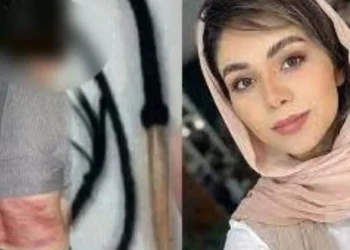
    Iranian authorities have subjected a woman, Roya Heshmati, to 74 lashes for “violating public morals” and fined her for not wearing a headscarf, as reported by the country’s judiciary. The judiciary’s Mizan Online website stated that Heshmati “encouraged permissiveness” by appearing in busy public places in Tehran without adhering to the dress code.


    The incident is part of an ongoing crackdown on those defying strict dress codes in Iran, particularly the requirement for women to cover their neck and head since shortly after the 1979 Islamic Revolution. While whippings for breaching the dress code are uncommon, officials have intensified efforts to enforce the rules, especially after an increase in violations during anti-government protests that began in late 2022.


    The protests were triggered by the death of Mahsa Amini, a 22-year-old Iranian Kurd, in custody in September 2022. Amini was arrested for an alleged breach of the Islamic Republic’s strict dress code for women. Female demonstrators during the protests defied the dress code by casting off or burning their headscarves. This defiance led to an increased crackdown, and officials have installed surveillance cameras in public places to monitor violations. Additionally, businesses breaching the rules have faced closures.


    Roya Heshmati, identified as a 33-year-old woman of Kurdish origins by the Kurdish-focused rights group Hengaw, was arrested in April for publishing a photo on social media without wearing a headscarf, according to her lawyer, Maziar Tatai. In addition to the 74 lashes for “violating public morals,” Heshmati was ordered to pay a fine of 12 million rials (around $25) for not wearing the Muslim veil in public.


    The incident underscores the continued challenges faced by women in Iran who choose not to adhere strictly to the dress code. The enforcement of such rules has sparked debates and protests, with human rights activists advocating for greater freedom of choice regarding personal attire.


    In response to the dress code violations during the 2022 protests, Iran’s parliament discussed a bill aimed at toughening penalties for those breaching the dress code. The discussions indicate an intention to strengthen the legal framework for enforcing dress codes, posing concerns among those advocating for women’s rights and personal freedoms.


    The case of Roya Heshmati highlights the persistent struggle faced by women in Iran who challenge societal norms or express dissent through their attire. It also reflects the government’s determination to maintain strict control over public appearances, especially concerning the dress code for women. As debates continue regarding individual freedoms and the role of the state in regulating personal choices, incidents like Heshmati’s serve as poignant reminders of the ongoing complexities surrounding human rights and personal liberties in Iran.

  • Dress Code Enforced for Devotees at Odisha’s Jagannath Temple

    Dress Code Enforced for Devotees at Odisha’s Jagannath Temple

    Starting from January 1, 2024, the iconic Jagannath Temple in Odisha’s historic town of Puri will enforce a comprehensive dress code for devotees. This significant decision comes in response to a series of incidents where some visitors were found inside the temple premises wearing attire that was considered “indecent” and inappropriate for a sacred place of worship. The move is driven by a strong commitment to maintain the temple’s dignity, sanctity, and uphold the religious sentiments of its devoted worshippers.


    The responsibility of enforcing this dress code has been entrusted to the security personnel stationed at the temple’s ‘Singha Dwar’ (Lion’s Gate) entrance and the Pratihari servitors working within the temple premises. This development reflects the temple administration’s unwavering dedication to preserving the spiritual atmosphere and religious sanctity within the Jagannath Temple.


    The primary motivation behind implementing this dress code is twofold. First and foremost, it is rooted in the temple administration’s deep sense of responsibility to safeguard the sanctity of the Jagannath Temple. As one of the most revered and iconic Hindu temples in India, it serves as the divine abode of Lord Jagannath, Balabhadra, and Subhadra. Therefore, it is imperative that the temple maintains an atmosphere of reverence, piety, and devotion.


    Secondly, this decision aims to address instances where devotees and visitors have been observed wearing attire that is inconsistent with the spiritual significance of the temple. Some individuals have been seen sporting torn jeans, sleeveless dresses, half-pants, and other clothing items more suitable for casual outings. The temple authorities have emphasized that the Jagannath Temple is not a place for entertainment but a sacred space where religious practices and devotion take precedence.


    While the specific guidelines and details of the dress code are yet to be finalized and communicated by the temple administration, the primary objective is clear: to ensure that all visitors and devotees adhere to a code of attire that reflects the solemnity of the temple and respects the religious sentiments of others.


    In preparation for the formal implementation of the dress code, the temple administration has planned an awareness campaign. This campaign, scheduled to commence shortly, will educate devotees and visitors about the expected standards of attire when entering the Jagannath Temple.


    Beginning on January 1, 2024, the dress code will be strictly enforced, and individuals wearing clothing items such as half-pants, shorts, torn jeans, skirts, and sleeveless dresses will not be allowed entry into the temple premises. This measure is consistent with similar initiatives undertaken by various religious institutions worldwide to maintain an atmosphere of decorum and respect within their sacred spaces.


    The decision to introduce a dress code for devotees at the Jagannath Temple in Puri is driven by a deep commitment to preserving the temple’s sanctity and upholding the religious sentiments of its worshippers. The temple administration aims to ensure that all who visit the temple do so with attire that reflects the solemnity and spiritual significance of this revered place of worship.