Tag: Democracy

  • INDIA Alliance Stands Against Kejriwal’s Arrest

    INDIA Alliance Stands Against Kejriwal’s Arrest

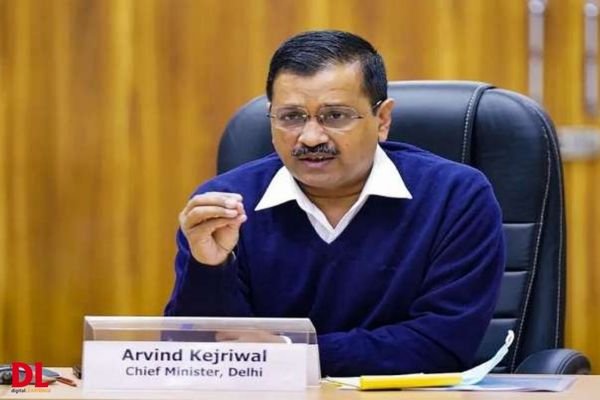
    A day before the anticipated mega march to denounce the arrest of Delhi Chief Minister Arvind Kejriwal’s, Aam Aadmi Party (AAP) leader Atishi emphasized the unity of the Opposition in the forthcoming Lok Sabha elections. At a press conference, she sought to dispel notions of division within the INDIA alliance, a coalition of parties aiming to challenge the ruling BJP.


    Amidst speculations of discord within the INDIA alliance, Atishi asserted, “INDIA alliance is one.” She highlighted the collective response of alliance leaders, including prominent figures from the Congress party, during Kejriwal’s arrest. The arrest, she declared, symbolized an assault on democracy, prompting the unified opposition to voice their dissent.


    Arvind Kejriwal’s arrest by the Enforcement Directorate last week in connection with an alleged money laundering case related to Delhi’s liquor policy has triggered significant political upheaval. The case revolves around purported corruption and money laundering associated with the formulation and implementation of Delhi’s excise policy for the fiscal year 2021-22, which was subsequently annulled.


    In solidarity with Kejriwal, AAP and other opposition parties are gearing up to stage a protest on the streets of Delhi. The ‘maha rally’ scheduled for tomorrow at Delhi’s Ramlila Maidan is expected to witness the participation of key leaders from the INDIA bloc. Notable figures such as Rahul Gandhi, Mallikarjun Kharge, Sharad Pawar, Uddhav Thackeray, Akhilesh Yadav, and Tejashwi Yadav are slated to attend the event.


    Gopal Rai, a senior AAP leader, anticipates a substantial turnout for the protest. He cited widespread public discontent following Kejriwal’s arrest, orchestrated by the BJP-led central government. Rai underscored the diverse representation expected at the rally, encompassing individuals from various social strata, professions, student bodies, youth organizations, and Resident Welfare Associations (RWAs).


    The impending rally reflects a broader sentiment of opposition against what many perceive as an authoritarian crackdown on dissenting voices. Kejriwal’s arrest has galvanized support not only from within the AAP but also from allies and opposition parties alike. The collective mobilization underscores a shared commitment to upholding democratic principles and safeguarding the rights of elected representatives.


    The protest serves as a platform to amplify grievances against perceived injustices and to demand accountability from the ruling dispensation. It symbolizes a concerted effort to resist authoritarian tendencies and uphold the sanctity of democratic institutions.


    Beyond the immediate context of Kejriwal’s arrest, the rally carries broader political implications, particularly in the lead-up to the Lok Sabha elections. The unity displayed by the opposition alliance underscores its resolve to mount a formidable challenge to the BJP’s dominance. The rallying cry for democracy resonates with citizens disillusioned by perceived authoritarianism and erosion of democratic norms.


    As the nation gears up for a pivotal electoral battle, the solidarity exhibited by opposition parties signals a reinvigorated effort to counteract hegemonic tendencies and champion the cause of democratic governance. The mega rally serves as a potent reminder of the enduring power of collective action in shaping the course of the nation’s political trajectory.

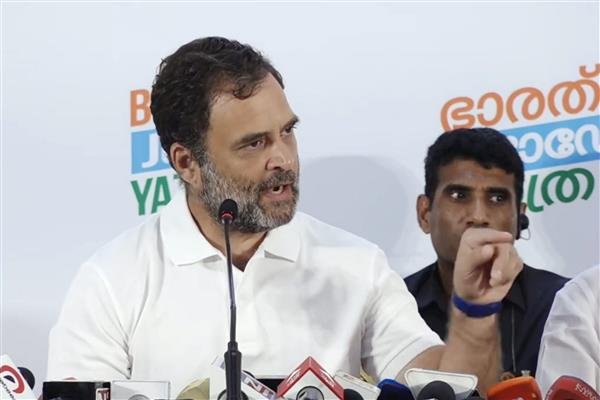
  • Rahul Gandhi Warns of Democracy Undermining by BJP

    Rahul Gandhi Warns of Democracy Undermining by BJP

    In a fervent denouncement of perceived government overreach, Congress leader Rahul Gandhi issued a stern warning against what he deemed as an assault on democracy by the Bharatiya Janata Party (BJP)-led administration. Gandhi’s cautionary remarks came in the wake of fresh allegations levied against the Congress party by the Income Tax department, reigniting accusations of political vendetta and raising concerns about the erosion of democratic principles.


    The latest development unfolded as the Income Tax department served a notice amounting to over ₹1,700 crore to the Congress party, citing discrepancies in tax returns for previous years. Sources familiar with the matter informed news agency PTI about the issuance of the notice earlier this week, further intensifying the ongoing standoff between the ruling BJP and the opposition Congress party.


    In response to the allegations and the perceived targeting of his party, Rahul Gandhi took to social media to express his condemnation of what he referred to as “tax terrorism” orchestrated by the BJP. In a pointed critique of the government’s actions, Gandhi warned that a day would come when the political landscape would shift, and those responsible for undermining democracy would face repercussions. Emphasizing the gravity of his statement, Gandhi underscored his guarantee that such transgressions would not go unpunished under a different administration.


    Accompanying his post was a video in which Gandhi reiterated his stance, stressing the inevitability of accountability for those who engage in actions detrimental to democracy. His unequivocal declaration reflected the Congress party’s determination to challenge what it perceives as government overreach and political persecution.


    Meanwhile, Congress general secretary Jairam Ramesh echoed Gandhi’s sentiments, alleging that the BJP had amassed a staggering sum of ₹8,200 crore through the “electoral bonds scam.” Ramesh accused the ruling party of resorting to dubious means, including the use of shell companies and illicit financial transactions, to bolster its electoral fortunes. Furthermore, Ramesh lambasted the BJP for its purported engagement in “tax terrorism,” highlighting the juxtaposition between the government’s aggressive pursuit of opposition parties and its lax approach to addressing systemic corruption within its own ranks.


    The Congress party’s assertion that it has become the target of government reprisal found resonance in its claims of disproportionate penalties and punitive measures. Congress chief Mallikarjun Kharge took to social media to decry what he characterized as the excessive penalization of his party, citing instances where the Congress had been fined exorbitant amounts for relatively minor infractions. Kharge’s tweet underscored the perceived asymmetry in the treatment meted out to the ruling BJP compared to the opposition parties, highlighting systemic biases and double standards in the administration of justice.


    In light of the escalating tensions and legal wrangling between the Congress party and the Income Tax department, both parties have turned to the judiciary for recourse. The Congress party announced that its case is slated to be heard in the Supreme Court on April 1, signaling its resolve to challenge the legitimacy of the allegations and seek redress through legal channels. This strategic move reflects the Congress party’s commitment to upholding the rule of law and defending its constitutional rights in the face of mounting pressure from government agencies.


    The imbroglio surrounding the allegations leveled against the Congress party underscores broader concerns about the misuse of state machinery for political ends and the erosion of democratic norms. With opposition leaders accusing the BJP-led government of weaponizing central probe agencies to target dissenting voices, the specter of political vendetta looms large over the Indian polity. Against the backdrop of recent arrests of opposition leaders, including Arvind Kejriwal and Hemant Soren, the intensifying political turmoil underscores the high stakes involved in India’s democratic experiment and the imperative of safeguarding its foundational principles.

  • BJP Firmly Denies MP’s Call for Constitution Change

    BJP Firmly Denies MP’s Call for Constitution Change

    The recent remarks made by BJP MP Ananth Kumar Hegde regarding the Constitution have stirred controversy and prompted a swift response from the Bharatiya Janata Party (BJP). Hegde’s suggestion of a potential amendment to the Constitution if the BJP were to secure a two-thirds majority in Parliament has raised eyebrows and invited criticism.


    In response to Hegde’s comments, the BJP issued a statement on social media platform X, clarifying that Hegde’s remarks were his personal views and did not represent the party’s official stance. The party reaffirmed its commitment to upholding the nation’s Constitution and announced its intention to seek an explanation from Hegde regarding his statements.


    Hegde’s proposition for amending the Constitution stems from his belief that certain distortions and additions made by the Congress need to be rectified. He argues that the Constitution has been altered in a manner that suppresses Hindu society, referencing laws introduced by the Congress party. Hegde contends that to address these perceived distortions, a two-thirds majority in Parliament is necessary.


    The BJP MP’s assertion that the party would need to win more than 20 states to achieve this goal underscores the magnitude of the proposed constitutional amendment. Hegde’s reference to the Citizenship (Amendment) Act serves as an example of legislative hurdles faced by the BJP despite having a majority in Parliament. He highlights the challenges of obtaining state approvals for such laws, which can impede their implementation.


    This is not the first instance of Hegde making controversial remarks regarding the Constitution. In 2017, while serving as the Union Minister of State for Skill Development, he attracted criticism for similar comments. Despite apologizing in the Lok Sabha for any offense caused, Hegde maintained that his original statement had been misrepresented.


    The BJP’s prompt response to Hegde’s remarks indicates a desire to mitigate any potential fallout and reaffirm the party’s commitment to constitutional principles. By distancing itself from Hegde’s comments and emphasizing its adherence to the Constitution, the BJP aims to reassure the public and stakeholders of its dedication to democratic values.


    Critics of Hegde’s proposal argue that any attempt to amend the Constitution should be approached with caution and consensus-building. They emphasize the importance of preserving the integrity of the Constitution, which serves as the cornerstone of India’s democratic framework. Additionally, concerns have been raised about the potential implications of altering the Constitution and the need for inclusive decision-making processes.


    In light of the controversy sparked by Hegde’s remarks, the BJP faces scrutiny over its stance on constitutional matters and its commitment to democratic principles. The party’s response to Hegde’s comments will likely shape public perception and influence its approach to contentious issues related to governance and constitutional reform.


    As India navigates complex political dynamics and societal challenges, the role of political leaders in upholding constitutional values remains paramount. Hegde’s remarks serve as a reminder of the importance of robust institutions and democratic norms in safeguarding the rights and liberties of all citizens.

  • Russian Election 2024: Putin’s Grip Tightens Amid Controversy

    Russian Election 2024: Putin’s Grip Tightens Amid Controversy

    The upcoming Russian election slated for this week is poised to solidify President Vladimir Putin’s grip on power until at least 2030. As the political landscape stands, any opposition figures capable of challenging Putin’s authority have been either imprisoned or exiled abroad. Additionally, independent media outlets critical of Putin’s policies have faced censorship and blockades, further consolidating the Kremlin’s control over the electoral process in the country of 146 million.


    Despite these challenges, the Russian election is expected to draw significant attention from both domestic and international observers, providing insights into the trajectory of the major nuclear power, especially amidst its ongoing full-scale invasion of Ukraine.


    Here’s what you need to know about the upcoming election, including details on voting procedures, the candidates on the ballot, and concerns regarding the election’s fairness and transparency.


    Who Can Vote in the Russian Election?

    Any Russian citizen above the age of 18, not serving a criminal conviction in prison, is eligible to vote in the Russian election. The Central Election Commission has reported a total of 112.3 million eligible voters within Russia and Russian-occupied parts of Ukraine, along with an additional 1.9 million eligible voters residing abroad.


    How Will Voting Unfold?

    Voting across Russia will occur over three days, a departure from the traditional single-day voting process. This extended duration was first introduced during the 2020 constitutional referendum orchestrated by Putin, allowing voters more flexibility in participating. Notably, this election will also witness the introduction of online voting, available in 27 Russian regions and Crimea, annexed from Ukraine in 2014.


    Despite criticisms and objections from Kyiv and Western countries, voting will take place in the annexed regions of Donetsk, Luhansk, Zaporizhzhia, and Kherson. Early voting has already commenced in some regions and will progressively roll out in others over the designated voting period.


    Who Is on the Ballot?
    The prominent candidate in the election is President Vladimir Putin, running as an independent candidate seeking his fifth term in office. Putin, in power since 2000, orchestrated constitutional changes in 2020 that reset his term limits, enabling him to potentially extend his tenure until 2030.


    Other candidates representing Kremlin-friendly parties include Nikolai Kharitonov of the Communist Party, Leonid Slutsky of the Liberal Democratic Party, and Vladislav Davankov of the New People Party. However, historical data suggests that these candidates are unlikely to pose a significant challenge to Putin, with the 2018 presidential election showcasing Putin’s dominance with over 76% of the vote.


    Concerns Regarding Fairness and Transparency

    Observers and opposition groups have expressed skepticism regarding the fairness and transparency of the Russian election. Criticisms have been directed towards the extension of the voting period and the introduction of online voting, which are perceived to hinder election transparency.


    Instances of electoral malpractice, including forced voting and ballot-box stuffing, have been reported in past elections, raising concerns about the integrity of the electoral process. The 2018 presidential election was deemed lacking in genuine competition by the Organization for Security and Co-operation in Europe (OSCE), citing continued pressure on critical voices.


    The Election’s Significance and Challenges

    Political analysts view the upcoming election as a pivotal moment, serving as a referendum on Putin’s leadership and the ongoing war in Ukraine. However, with limited alternatives to Putin on the ballot and a fractured opposition, the election presents challenges in fostering genuine political change.


    The recent death of prominent opposition figure Alexei Navalny, coupled with the imprisonment and exile of other opposition leaders, underscores the Kremlin’s efforts to suppress dissent and maintain control over the political narrative.

    The Russian election of 2024 carries significant implications for the country’s political future and its relations with the international community. Despite concerns surrounding the fairness and transparency of the electoral process, the outcome will likely reinforce President Putin’s authority and influence for the foreseeable future. As the world watches closely, the election will undoubtedly shape Russia’s trajectory in the years to come, both domestically and on the global stage.

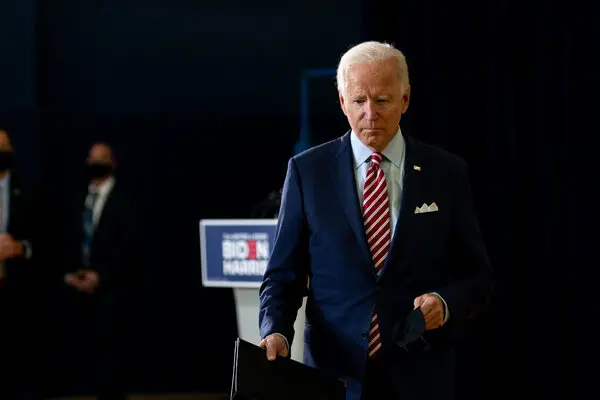
  • President Biden’s Third State of the Union Address

    President Biden’s Third State of the Union Address

    On Friday morning (IST), President Joe Biden delivered his third State of the Union address, confronting a multitude of challenges including a strained US economy and the management of conflicts such as the Israel-Hamas war and the Russia-Ukraine conflict.


    Opening his speech with fervor, President Biden launched a scathing critique against his November presidential election adversary, Donald Trump, cautioning that the foundations of US democracy are being threatened.


    In a gripping commencement, Biden expressed his intent to “awaken Congress and alert the American people” to this perilous situation, emphasizing that “freedom and democracy” were facing significant threats.


    He called for support for Ukraine, advocating for increased military aid to assist the nation in its conflict with Russia. Biden made a resolute pledge not to yield to Russian President Vladimir Putin, sharply denouncing Trump’s approach in his State of the Union address.


    Addressing the joint session, Biden declared, “My predecessor, a former Republican president, tells Putin, ‘Do whatever the hell you want.’” Asserting his stance, Biden declared, “I will not bow down. In a literal sense, history is watching.”


    Biden warned, “If anybody in this room thinks Putin will stop at Ukraine, I assure you he will not.” Reiterating Ukraine’s plea for military assistance and weaponry to combat Russia, Biden emphasized that the aid sought was not in the form of US personnel.


    Additionally, highlighting the nation’s recovery from the pandemic, Biden showcased the resilience of the US economy, describing it as the “envy of the world.”


    He remarked, “Folks, I inherited an economy that was on the brink.” Biden underscored the remarkable achievements, noting, “Now our economy is literally the envy of the world. Fifteen million new jobs in just three years—a record. Unemployment at 50-year lows.”


    As his term nears its conclusion and with the upcoming Presidential election in November, the speech marked a pivotal moment for President Biden, seeking to persuade voters to grant him a second term in the White House.


    Meanwhile, the Biden team announced a significant fundraising milestone. According to a post by Deputy Campaign Manager Rob Flaherty, “We’ve already raised $1 million online today and POTUS is still an hour away from hitting the stage! Our million+ person grassroots donor community (a third of whom are new to the campaign since ‘20!) is strong and growing stronger!”

  • EC Issues Directives for Transparent and Inclusive Elections

    EC Issues Directives for Transparent and Inclusive Elections

    The Election Commission of India (ECI) has taken significant steps to ensure free, fair, and transparent elections in West Bengal for the upcoming Lok Sabha polls scheduled for April or May this year. Issuing a series of directions to District Magistrates (DM) and Superintendents of Police (SP), the commission emphasized the importance of impartiality, transparency, and accessibility to all parties, ensuring a level playing field for candidates and voters alike. The commission reiterated its commitment to maintaining a zero-tolerance policy towards any form of violence in democracy, emphasizing the need to prevent intimidation or threats to voters and candidates.


    In its directive, the ECI emphasized the principle of transparency in granting permissions for grounds and meeting places, advocating the “First In First Out” principle to ensure fairness in the process. Chief Election Commissioner Rajiv Kumar, during a review of poll preparedness in West Bengal, announced the establishment of polling stations entirely managed by women. This move aims to promote gender equality and empowerment, setting an example for the society that women are equal stakeholders in the electoral process.


    Furthermore, the commission highlighted the inclusion of persons with disabilities (PwD) in the electoral process by establishing polling stations staffed entirely by individuals with disabilities. This initiative seeks to underscore the importance of inclusivity and accessibility in elections, demonstrating that every citizen, irrespective of their abilities, has the right to participate in the democratic process.


    With over 7.58 crore electors in West Bengal, including a significant number of female electors, the commission outlined its plan to set up more than 80,000 polling stations across the state, with an average of 943 voters per polling station. Over 75% of these polling stations will be located in rural areas, reflecting the commission’s commitment to ensuring equitable access to voting facilities across diverse geographical regions.


    To encourage voter turnout and promote inclusivity, the commission announced that over a thousand polling stations will be entirely managed by women, while 24 polling stations will be staffed by persons with disabilities. Additionally, the commission emphasized the need for a coordinated approach with enforcement agencies to curb the influence of money and muscle power in elections, particularly through stringent vigilance on interstate and international borders.


    In parallel efforts, Chief Election Commissioner Rajiv Kumar also reviewed the election preparedness in Uttar Pradesh, emphasizing the importance of increasing voter participation and ensuring transparent elections. The commission announced the launch of three new mobile applications to facilitate voter engagement and complaint redressal, enabling voters to report instances of inducements, distribution of liquor, and misuse of money during elections directly to the Election Commission.


    Through the Voter Helpline app, voters can access transparent essential information, while the Know Your Candidate app provides comprehensive details about candidates contesting in the elections. These initiatives underscore the commission’s commitment to leveraging technology for enhancing voter participation and transparency in the electoral process, ensuring that every citizen can exercise their democratic rights freely and fairly.

  • Democracy Upheld by SC: AAP’s Victory on Polls

    Democracy Upheld by SC: AAP’s Victory on Polls

    Reacting to the Supreme Court’s ruling on the Chandigarh mayoral polls, Aam Aadmi Party (AAP) national convener and Delhi Chief Minister Arvind Kejriwal expressed gratitude to the apex court, stating that the judgment has safeguarded democracy during challenging times. Kejriwal emphasized the significance of the decision in the current political climate, where democracy is perceived to be under threat.


    Kejriwal asserted that the ruling reflects the victory of truth and integrity, highlighting the resilience of democratic institutions against attempts to undermine them. He also praised the efforts of AAP and its allies in fighting against electoral malpractices, emphasizing that unity, strategic planning, and hard work can overcome any political challenge.


    Earlier in the day, the Supreme Court, during the hearing on a petition regarding allegations of vote tampering, observed that the eight disputed votes should be considered valid, prompting a recount. The bench scrutinized the ballot papers and reviewed video recordings presented by a judicial officer appointed by the Punjab and Haryana High Court’s Registrar General.


    The controversy arose after the returning officer declared eight votes invalid, contributing to the victory of the BJP candidate in the mayoral polls. However, AAP candidate Kuldeep Kumar contested the decision, alleging electoral malpractices by the returning officer.


    The Supreme Court’s scrutiny of the ballots and admonishment of the returning officer underscored its commitment to upholding electoral integrity and ensuring fairness in democratic processes. The court’s insistence on accountability and transparency in the electoral process reaffirms its role as a guardian of democracy.


    In defense, the returning officer’s counsel argued that the marks made on the ballots were minimal and that the returning officer acted within his authority. However, the court remained firm in its stance, emphasizing the importance of adhering to established procedures and principles of fairness in electoral conduct.


    Overall, the Supreme Court’s intervention in the Chandigarh mayoral polls signifies a victory for democratic values and underscores the judiciary’s crucial role in safeguarding electoral integrity and upholding the rule of law.

  • Legacy of Alexei Navalny: Champion of Democracy

    Legacy of Alexei Navalny: Champion of Democracy

    The death of Alexei Navalny, a prominent Russian opposition leader, has sent shockwaves through Russia and the international community, raising serious questions about democracy, human rights, political repression, and the rule of law in the country. Navalny, a fierce critic of Russian President Vladimir Putin, died in a Russian prison at the age of 47, prompting outrage and condemnation from Western leaders, human rights organizations, and his supporters around the world.


    Navalny’s death, which occurred under suspicious circumstances, has reignited concerns about the lack of political freedoms and the prevalence of human rights abuses in Russia. His demise comes at a critical time for the country, just weeks before parliamentary elections that are widely expected to further consolidate Putin’s grip on power. Navalny’s absence leaves a significant void in Russia’s opposition movement and deprives his supporters of a key figurehead in their struggle for democracy and accountability.


    The circumstances surrounding Navalny’s death are deeply troubling. According to reports, he died in an Arctic prison after spending more than three years behind bars on politically motivated charges. His supporters have accused Russian authorities of complicity in his death, alleging that they are attempting to cover up evidence by refusing to release his body. Despite widespread speculation about foul play, the Kremlin has remained silent, fueling suspicions and raising questions about its involvement.


    Navalny’s widow, Yulia Navalnaya, has vowed to hold Putin and his regime accountable for their actions. In a passionate statement, she called on the international community to unite against the oppressive regime in Russia and demanded justice for her husband. Her words reflect the anger and frustration felt by millions of Russians who are tired of living under Putin’s authoritarian rule and yearn for freedom and democracy.


    Navalny’s death has also sparked protests and demonstrations across Russia, with thousands taking to the streets to demand answers and accountability. In Moscow, protesters laid flowers and lit candles at makeshift memorials in honor of Navalny, while in other cities, clashes broke out between demonstrators and police. The Russian authorities responded with force, arresting hundreds of protesters and cracking down on dissent.


    The international community has also condemned Navalny’s death and called for a thorough investigation into the circumstances surrounding it. Western leaders, including US President Joe Biden, have explicitly blamed Putin and his regime for Navalny’s demise, signaling a new level of diplomatic tension between Russia and the West. The G7 foreign ministers held a minute of silence for Navalny at their meeting in Munich, underscoring the gravity of the situation.


    Navalny’s death is a stark reminder of the dangers faced by those who dare to speak out against the Putin regime. Throughout his life, Navalny was a vocal advocate for democracy, human rights, and the rule of law in Russia, often at great personal risk. He faced repeated arrests, harassment, and physical attacks for his activism but remained undeterred in his pursuit of justice and accountability.


    Navalny’s legacy will live on in the hearts and minds of those who continue to fight for freedom and democracy in Russia. His courage, determination, and unwavering commitment to his principles have inspired millions of people around the world to stand up against tyranny and oppression. As his supporters mourn his loss and demand justice, they must also heed his call to action and continue the struggle for a free and democratic Russia.


    In his final message to the Russian people, Navalny urged them not to give up in the face of adversity. He reminded them that the power to effect change lies in their hands and that they must not remain silent in the face of injustice. His words serve as a rallying cry for all those who believe in the fundamental values of democracy, human rights, and the rule of law.


    Navalny’s death is a tragedy for Russia and the world, but it must also serve as a wake-up call for those who value freedom and democracy. The international community must stand in solidarity with the Russian people and hold Putin and his regime accountable for their actions. Only by working together can we hope to honor Navalny’s memory and realize his vision of a free and democratic Russia.

  • US Representatives Call for Investigation into Election Fraud

    US Representatives Call for Investigation into Election Fraud

    A chorus of concern has arisen among US representatives regarding the recent elections in Pakistan, with allegations of interference and fraud prompting calls for a thorough investigation into the conduct of the Pakistan Army. Here’s a breakdown of what each lawmaker had to say:


    Ilhan Omar, Minnesota:

    Expressing deep concern over reports of interference in Pakistan’s recent elections, Ilhan Omar emphasized the fundamental importance of fair elections devoid of manipulation or intimidation. She stressed that the legitimacy of any incoming government hinges on a transparent democratic process and urged the State Department to withhold recognition of the election results until credible, independent investigations into alleged misconduct are conducted.


    Ro Khanna, California:

    Ro Khanna highlighted the gravity of the situation in Pakistan, expressing profound concern over mounting evidence suggesting military interference and electoral manipulation. He underscored the need for the United States to refrain from recognizing any winner until a thorough investigation has been carried out to uncover the truth behind the allegations.


    Jasmine Crockett, Texas:

    Joining the chorus of concern, Jasmine Crockett voiced apprehension over reports of vote manipulation and interference in Pakistan’s election. She echoed the State Department’s call for a comprehensive investigation, emphasizing the imperative of respecting the will of the Pakistani people and ensuring the integrity of the electoral process.


    Susan Wild, Pennsylvania:

    Susan Wild echoed the State Department’s call for a full investigation into allegations of election interference and fraud in Pakistan. She underscored the importance of the international community standing in solidarity with the people of Pakistan and emphasized the necessity of ensuring that democracy prevails before recognizing any new government.


    Greg Casar, Texas:

    Greg Casar echoed the State Department’s call for an investigation into election interference and fraud in Pakistan, emphasizing the imperative of conducting a credible and independent inquiry before recognizing any election results. He stressed the paramount importance of safeguarding democracy and upholding the will of the people.


    Joaquin Castro, Texas:

    Joaquin Castro commended the millions of Pakistanis who exercised their democratic right by participating in the electoral process. He lent his support to the State Department’s call for an investigation into alleged election interference and urged Pakistan’s leaders to respect the democratic will of the people.


    US representatives have voiced grave concerns over the conduct of Pakistan’s recent elections, calling for a thorough investigation into allegations of interference and fraud. They have emphasized the importance of upholding democratic principles and ensuring the integrity of the electoral process before recognizing any election results.

  • SC Slams Conduct in Chandigarh Mayoral Polls

    SC Slams Conduct in Chandigarh Mayoral Polls

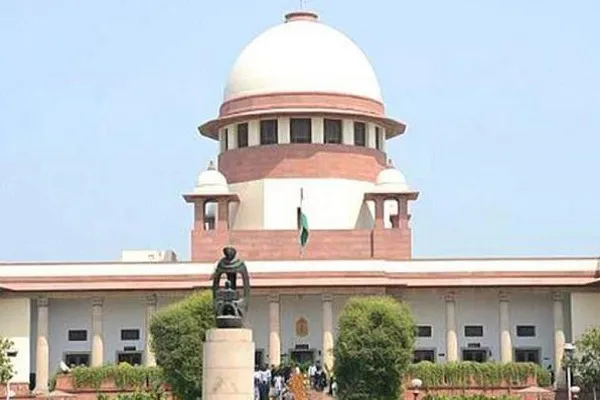
    The Supreme Court of India, led by Chief Justice DY Chandrachud, recently took strong exception to the conduct of the returning officer in the Chandigarh mayoral polls. The Aam Aadmi Party (AAP) approached the apex court, alleging cheating in the election results, leading to a scathing response from the court.


    The AAP, in its plea, claimed that the returning officer, Anil Masih, defaced the ballot papers, declaring AAP’s votes invalid and ultimately announcing BJP candidate Manoj Sonkar as the winner. The AAP had formed an alliance with the Congress and had a majority of 20 votes in the 35-member house. However, the BJP candidate was declared the winner with 16 votes, with 8 votes of the AAP-Congress alliance being declared invalid.


    During the court proceedings, Chief Justice DY Chandrachud expressed his displeasure over the conduct of the returning officer, stating, “It is obvious that he has defaced the ballot papers, he needs to be prosecuted. Why is he looking at the camera? This is a mockery of democracy and murdering democracy. We are appalled. Is this the behavior of a returning officer?” The court observed that the returning officer altered the ballots, especially those with a cross at the top, and directed that he should be prosecuted for his actions.


    The Supreme Court further directed the administration to hand over all ballot papers and videos related to the Chandigarh mayoral polls to the registrar of the Punjab and Haryana High Court. The court also ordered the deferment of the upcoming meeting of the Chandigarh municipal corporation, emphasizing that the matter should be listed for the next Monday week.


    The AAP’s allegations of cheating in the Chandigarh mayoral polls have raised concerns about the integrity of the electoral process. The court’s intervention reflects its commitment to upholding democratic principles and ensuring fair and transparent elections. The defacement of ballot papers is a serious offense that undermines the trust of the public in the electoral system.


    The Aam Aadmi Party, led by Delhi Chief Minister Arvind Kejriwal, expressed deep concern over the manner in which the election results were manipulated. Kejriwal stated, “The manner in which cheating has been done in broad daylight in the Chandigarh Mayor elections is extremely worrying. If these people can stoop so low in a mayor’s election, then they can go to any extent in the country’s elections. This is very worrying.”


    The Chandigarh mayoral polls have become a focal point for discussions on electoral integrity, prompting the Supreme Court to intervene and ensure a thorough investigation into the alleged misconduct. The court’s directive to prosecute the returning officer sends a strong message that any attempt to manipulate election results will be met with severe consequences.


    The incident also highlights the broader issue of electoral reforms and the need for stringent measures to prevent malpractices during elections. The integrity of the democratic process is crucial for the functioning of a vibrant democracy, and any breach of that integrity must be addressed promptly.


    As the legal proceedings unfold, the spotlight remains on the Chandigarh mayoral polls, and the Supreme Court’s involvement underscores the significance of upholding democratic values and ensuring free and fair elections across the country. The outcomes of this case will likely have implications for future electoral processes and contribute to the ongoing discourse on electoral reforms in India.

  • Supreme Court Strongly Rebukes Returning Officer

    Supreme Court Strongly Rebukes Returning Officer

    The Supreme Court of India, on Monday, expressed strong disapproval of the conduct of the returning officer in the Chandigarh municipal polls, suggesting that he should be prosecuted for defacing ballot papers to influence the election results. The court’s observations came during the hearing of a plea by Aam Aadmi Party (AAP) leader Kuldeep Kumar challenging the Punjab and Haryana High Court’s decision not to stay the election result.


    In the Chandigarh municipal polls, the AAP and the Congress had joined forces, and they alleged that the returning officer improperly declared eight votes invalid, leading to the victory of Bharatiya Janata Party (BJP) candidate Manoj Sonkar. The AAP and Congress accused the returning officer of defacing ballot papers to manipulate the outcome.


    The Chief Justice of India (CJI) N.V. Ramana, heading the bench, took strong exception to the conduct of the returning officer, stating that he should face prosecution for altering the ballot papers and attempting to influence the election. The CJI noted that the returning officer’s behavior, particularly looking at the CCTV camera while handling the ballot papers, was unacceptable.


    “It is obvious that he has defaced the ballot papers. He needs to be prosecuted. Why is he looking at the camera?” remarked CJI Ramana during the hearing. The court questioned the conduct of the returning officer and expressed serious concern about the potential impact on the democratic process. The CJI emphasized that such behavior amounts to a “mockery of democracy” and is akin to “murdering democracy.”


    Referring to the Solicitor General of India, the CJI expressed his dismay over the actions of the returning officer and sought an explanation. “Mr Solicitor, this is a mockery of democracy and murdering democracy. We are appalled. Is this behavior of a returning officer?” the CJI questioned.


    The Supreme Court directed that the entire records related to the Chandigarh municipal polls, including the ballots and videography, must be handed over to the registrar of the Punjab and Haryana High Court. The court emphasized the need to preserve the evidence for further scrutiny and ordered the deferral of the upcoming meeting of the Chandigarh Municipal Corporation scheduled for February 7.


    “Wherever there is a cross at the bottom, he does not touch it but when it is at the top, he alters it. Please tell the returning officer that the Supreme Court is watching him,” the CJI conveyed, expressing the court’s serious concerns about the potential tampering of ballots.


    The apex court’s intervention comes against the backdrop of allegations by the AAP and Congress that the returning officer had unfairly declared their votes invalid, leading to the victory of the BJP candidate in the Chandigarh municipal polls. The AAP leader, Kuldeep Kumar, moved the court challenging the Punjab and Haryana High Court’s decision not to stay the election result.


    The court’s observations and strong remarks against the returning officer underscore the critical role of electoral integrity in upholding democratic principles. The court’s directive to preserve the records and its insistence on further scrutiny indicate a commitment to ensuring free and fair elections and maintaining public trust in the electoral process.


    As the case unfolds, it raises questions about the responsibilities and accountability of election officials and the need for transparent and unbiased conduct in electoral procedures. The Supreme Court’s vigilance and commitment to addressing alleged irregularities in the Chandigarh municipal polls underscore the judiciary’s role as a guardian of democratic values and constitutional principles.