Tag: defection

  • Ashok Chavan Dismisses Rahul Gandhi’s Claims

    Ashok Chavan Dismisses Rahul Gandhi’s Claims

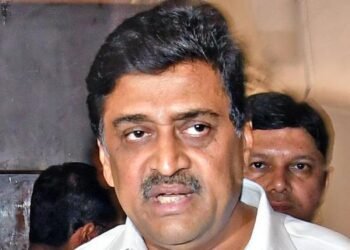
    Former Maharashtra Chief Minister Ashok Chavan’s recent transition from the Indian National Congress to the Bharatiya Janata Party (BJP) has sparked controversy following Rahul Gandhi’s claims about a senior Maharashtra leader’s emotional encounter with Sonia Gandhi. Chavan vehemently denies Gandhi’s assertions, dismissing them as baseless and politically motivated.


    In response to Rahul Gandhi’s statement alleging that a senior Maharashtra leader, who recently defected from the Congress, broke down in front of Sonia Gandhi and expressed fear of imprisonment, Ashok Chavan categorically refuted the claims. He labeled Gandhi’s remarks as a “political stunt” and emphasized that they were factually incorrect. Chavan clarified that he never met Sonia Gandhi in Delhi and criticized the allegations as unsubstantiated and devoid of truth.


    Rahul Gandhi’s comments were made during a rally at Shivaji Park in Mumbai, where he addressed a gathering of prominent leaders from the INDIA alliance. Gandhi’s claims were part of his narrative highlighting the challenges faced by the Congress and the alleged intimidation tactics employed against party members.


    Chavan’s rebuttal underscores the rift within the Congress party and the dynamics of political maneuvering in Maharashtra. His swift defection to the BJP, along with other prominent leaders like Milind Deora and Baba Siddique, reflects the shifting landscape of state politics. Chavan’s decision to join the BJP was marked by a public ceremony attended by top party officials, including Maharashtra Deputy CM Devendra Fadnavis and state BJP president Chandrashekhar Bawankule.


    The controversy surrounding Chavan’s departure from the Congress and subsequent entry into the BJP underscores the intricate dynamics of Indian politics, where personal allegiances and strategic alliances play a crucial role. Chavan’s move highlights the BJP’s efforts to expand its influence in Maharashtra, while also dealing a blow to the Congress party’s prospects in the state.


    Chavan’s denial of Rahul Gandhi’s claims is not only a defense of his own integrity but also a broader statement about the political landscape in Maharashtra. The allegations made by Gandhi shed light on the internal turmoil within the Congress party and the challenges it faces in retaining its members amid mounting pressure from rival factions.


    As the political drama unfolds, Chavan’s journey from the Congress to the BJP serves as a microcosm of the larger power struggles and realignments taking place in Maharashtra. His decision to switch sides underscores the fluidity of Indian politics and the ever-changing alliances that define the political landscape.


    Ashok Chavan’s dismissal of Rahul Gandhi’s claims underscores the complex dynamics of Indian politics, where personal ambitions and strategic calculations often dictate political allegiances. Chavan’s defection from the Congress to the BJP reflects the shifting political landscape in Maharashtra, highlighting the challenges faced by traditional parties in maintaining their stronghold amid growing competition.

  • High Level Committee on One Nation, One Election

    High Level Committee on One Nation, One Election

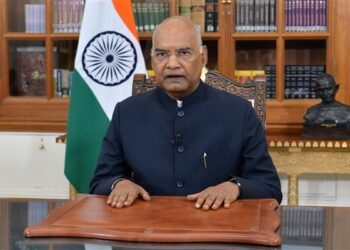
    The committee chaired by former President Ram Nath Kovind, which was originally established to explore the feasibility of holding simultaneous elections in India, has been rechristened as the “High Level Committee on One Nation, One Election.” This development was announced in an official statement on Wednesday, following the committee’s second meeting.


    The High-Level Committee on One Nation, One Election is entrusted with the crucial task of examining and making recommendations for the implementation of simultaneous elections at various levels. This includes elections for the Lok Sabha, state assemblies, municipalities, and panchayats. The committee will conduct its examination while respecting the existing framework under the Constitution of India and other pertinent statutory provisions.


    Additionally, the committee has been charged with the responsibility of assessing whether any proposed amendments to the Constitution would necessitate ratification by the states. This aspect of the committee’s work is essential, as it involves reviewing the legal and constitutional implications of transitioning to a system of simultaneous elections.


    The High-Level Committee is not only examining the theoretical aspects of simultaneous elections but also addressing the practical challenges that may arise. It will provide recommendations for potential solutions in scenarios such as a hung House, the adoption of a no-confidence motion, defections, or other unforeseen events that could impact the election cycle.


    During its second meeting, the committee also announced the launch of a dedicated website, www.onoe.gov.in, for the One Nation, One Election initiative. This website will serve as a comprehensive resource, housing relevant information on the subject. Moreover, it will offer a platform for interaction and feedback from various stakeholders, including the public, experts, and government bodies.


    As India continues to explore the prospect of holding simultaneous elections across its diverse political landscape, the High Level Committee on One Nation, One Election plays a pivotal role in shaping the future of the nation’s electoral processes.