Tag: Convenience

  • Singapore Introduces QR Code for Passport-Free Border Crossings

    Singapore Introduces QR Code for Passport-Free Border Crossings

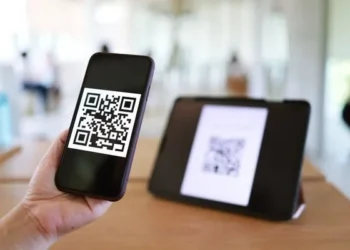
    Singapore has taken a significant step towards streamlining border crossings by introducing a QR code system at two land checkpoints. This innovative approach eliminates the need for travelers to present their passports manually, greatly reducing wait times and congestion at these entry points.


    Starting March 19, individuals entering Singapore through the Woodlands and Tuas checkpoints can simply scan a QR code generated prior to their arrival. This streamlined process marks a departure from traditional passport checks and promises to enhance efficiency and convenience for travelers.


    The implementation of the QR code system represents a proactive response to the challenges posed by lengthy wait times at border crossings, particularly during peak periods of travel. By leveraging technology to automate the clearance process, Singapore aims to reduce overall wait times by approximately 30%, providing a smoother and more seamless experience for commuters.


    One of the key advantages of the QR code system is its versatility. The same QR code can be used for all individuals traveling in a vehicle, eliminating the need for each passenger to present their passport separately. This not only expedites the clearance process but also enhances the efficiency of border control operations.


    Furthermore, Singapore plans to extend the passport-free clearance system to other land checkpoints with Malaysia, further easing congestion and facilitating smoother cross-border travel. This initiative reflects the government’s commitment to enhancing connectivity and facilitating trade and tourism between Singapore and its neighboring countries.


    The decision to modernize border clearance procedures comes at a time when travel activity is gradually recovering following the disruptions caused by the COVID-19 pandemic. As travel volumes increase, there is a growing need for efficient and user-friendly border control mechanisms to accommodate the influx of passengers.


    In addition to the QR code system, Singapore is deploying new technologies at Changi Airport to enhance the travel experience for residents and visitors. The gradual transition towards contactless automated border control systems underscores the government’s commitment to embracing innovation and leveraging technology to improve efficiency and security at entry points.


    By replacing manual counters with automated lanes equipped with advanced border control systems, Singapore aims to enhance security while expediting the clearance process for travelers. This transition aligns with the broader trend towards digitization and automation in the aviation industry, with airports worldwide adopting similar technologies to enhance passenger experience and operational efficiency.


    The introduction of the QR code system at land checkpoints is also expected to pave the way for the upcoming Rapid Transit Link project between Singapore and Johor Bahru in Malaysia. This ambitious project, scheduled to be operational by the end of 2026, will further enhance connectivity between the two countries, facilitating seamless travel and fostering economic growth in the region.


    Overall, Singapore’s efforts to modernize border clearance procedures demonstrate its commitment to facilitating travel and trade while ensuring security and efficiency at entry points. By embracing innovative technologies and streamlining processes, Singapore aims to maintain its status as a global hub for commerce, tourism, and connectivity in the Asia-Pacific region.

  • Municipal Corporation of Delhi: Doorstep Delivery of Services

    Municipal Corporation of Delhi: Doorstep Delivery of Services

    The Municipal Corporation of Delhi (MCD) has unveiled plans to initiate a doorstep delivery system for 23 services, taking inspiration from the ‘Delhi government model.’ This move aims to enhance convenience for citizens and replicate the success of a similar approach adopted by the Delhi government.


    The services to be provided through doorstep delivery include acquiring birth and death certificates, renewing factory licenses, and more. Citizens can also request modifications in birth certificates, apply for new health trade licenses, renew health trade licenses, apply for new factory licenses, and file property tax returns, among other services.


    Mayor Shelly Oberoi emphasized that this initiative is aimed at making services accessible to the elderly and citizens who might not be familiar with technology. The doorstep delivery of services is expected to be rolled out in the national capital starting from October. Citizens can avail of these services by using a toll-free number, 155305, to request services or file complaints.


    Upon receiving a request, a mobile ‘sahayak’ (assistant) will be scheduled for a home visit between 8 am to 10 pm. Equipped with a laptop, tablet, and internet connectivity, the ‘sahayak’ will provide information and resolutions for the requested services. The MCD aims to deliver the services within two working days.


    Mayor Oberoi noted that the doorstep delivery system has already proven successful to a certain extent. A considerable portion of complaints received through the ‘MCD 311’ app, which serves as a user-friendly platform for citizens to report grievances, has been resolved within a short span of time.


    The introduction of the doorstep delivery system by the Municipal Corporation of Delhi is aligned with the broader goals of enhancing citizen convenience, promoting digital accessibility, and ensuring efficient service delivery. The approach is expected to streamline the process of reporting issues to authorities, fostering transparency and swift resolution. A consortium of agencies will closely monitor the complaints lodged through this digital channel.