Tag: Connectivity

  • PM Lays Foundation Stone for Delhi Metro Phase 4 Corridors

    PM Lays Foundation Stone for Delhi Metro Phase 4 Corridors

    Prime Minister Narendra Modi marked a significant development in Delhi’s infrastructure landscape by laying the foundation stone for two additional corridors of the Delhi Metro’s Phase 4 project. The ceremony, held at Jawaharlal Nehru Stadium, symbolized a crucial step towards enhancing connectivity and transportation efficiency in the national capital region. The two corridors, part of the Phase 4 expansion, are set to revolutionize the city’s public transportation system with a combined cost of Rs. 8,399 crore and a total length of 20.762 km.


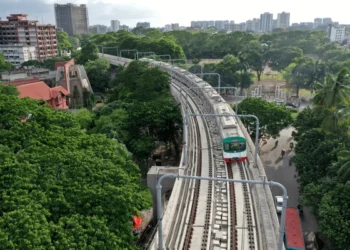
    According to a government press release, the Inderlok-Indraprastha corridor will serve as an extension of the Green Line, facilitating interchange with several existing metro lines, including the Red, Yellow, Airport Line, Magenta, Violet, and Blue Lines. On the other hand, the Lajpat Nagar-Saket G Block corridor will provide connectivity between the Silver, Magenta, Pink, and Violet Lines. These corridors strategically link key areas of Delhi, improving accessibility and easing travel for commuters across the city.


    The Lajpat Nagar-Saket G Block corridor is planned to be entirely elevated and will feature eight stations, while the Inderlok-Indraprastha corridor will have ten stations. This expansion is expected to alleviate congestion on existing metro lines and offer commuters more convenient and efficient travel options.


    In addition to the metro corridor inauguration, Prime Minister Modi also interacted with beneficiaries of the PM SVANidhi scheme, a government initiative aimed at supporting street vendors. During the event, PM Modi distributed loans under the scheme to 1 lakh street vendors, including 5,000 vendors from Delhi. The PM SVANidhi scheme has been instrumental in providing financial assistance to street vendors across the country, with over 82 lakh loans amounting to over ₹10,978 crore disbursed to more than 62 lakh street vendors so far.


    Addressing the audience at the event, PM Modi lauded the contribution of street vendors to society, especially during the challenging times of the COVID-19 pandemic. He emphasized the importance of recognizing the resilience and hard work of street vendors, who play a vital role in the daily lives of citizens. PM Modi acknowledged the neglect faced by street vendors in the past, highlighting the lack of support and opportunities available to them under previous governments.


    The Prime Minister reiterated the government’s commitment to improving the lives of the poor and the middle class, emphasizing the BJP’s efforts to address the needs of marginalized communities. He emphasized the transformative impact of initiatives like the PM SVANidhi scheme in empowering street vendors and providing them with access to financial resources and opportunities for growth.


    Overall, the foundation stone laying ceremony for the Delhi Metro’s Phase 4 corridors and the interaction with beneficiaries of the PM SVANidhi scheme underscored the government’s dedication to infrastructure development and inclusive growth. These initiatives are poised to enhance connectivity, stimulate economic activity, and improve the quality of life for millions of citizens in the national capital region.

  • PM Narendra Modi Inaugurates Signature Bridge

    PM Narendra Modi Inaugurates Signature Bridge

    PM Narendra Modi is set to inaugurate the Signature Bridge linking Okha and Beyt in Dwarka, a significant event scheduled for February 25. Spanning approximately 2.32 kilometers, it stands as the nation’s longest cable-stayed bridge, connecting the Okha mainland with Beyt Dwarka. This infrastructure project, constructed at a cost of ₹978 crore, holds profound importance for residents and pilgrims alike, particularly those visiting the revered Dwarkadhish temple.


    Initiated by the Centre in 2017 and inaugurated by PM Narendra Modi, the construction of the Signature Bridge began with a groundbreaking ceremony, marking a pivotal step towards enhancing connectivity in the region. The primary objective behind the bridge’s development is to streamline access for devotees commuting between Okha and Bet Dwarka. Prior to its construction, pilgrims had to rely on boat transport to reach the Dwarkadhish Temple in Beyt, Dwarka, making the journey arduous and time-consuming.


    Here are key highlights about the bridge:

    • Length and Cost: The Signature Bridge boasts a length of 2.5 kilometers and was constructed at a cost of ₹978 crore, making it a significant infrastructure investment aimed at bolstering connectivity in the region.


    • Initiation: The project was initiated by the Central government in 2017, underscoring its commitment to improving transportation infrastructure and facilitating easier access for pilgrims and residents alike.


    • Purpose: One of the primary objectives behind the construction of the Signature Bridge is to simplify the journey for devotees traveling between Okha and Bet Dwarka. By providing a direct link between the two locations, the bridge aims to streamline transportation and enhance accessibility to the revered Dwarkadhish Temple.


    • Enhanced Connectivity: The completion of the bridge marks a significant milestone in improving connectivity in the region. Previously, pilgrims had to rely on boat transport, which was often subject to weather conditions and posed challenges in terms of reliability and convenience.


    • Symbol of Progress: The inauguration of the Signature Bridge symbolizes progress and development in the region, reflecting the government’s commitment to infrastructure development and improving the quality of life for residents.


    • Tourism Boost: The enhanced connectivity provided by the bridge is expected to give a significant boost to tourism in the area. With easier access to the Dwarkadhish Temple, pilgrims and tourists alike can now visit the sacred site more conveniently, contributing to the local economy and promoting religious tourism.


    • Engineering Marvel: As the longest cable-stayed bridge in the country, the Signature Bridge stands as an engineering marvel, showcasing India’s prowess in infrastructure development and construction technology.


    • Aesthetic Appeal: In addition to its functional significance, the bridge is also expected to enhance the aesthetic appeal of the region, serving as a landmark structure and attracting visitors from far and wide.


    • Government Initiative: The construction of the Signature Bridge underscores the government’s commitment to investing in critical infrastructure projects that benefit the public and contribute to the overall development of the region.


    • Inauguration Ceremony: The inauguration of the Signature Bridge by Prime Minister Narendra Modi is a momentous occasion that highlights the significance of the project and its potential to transform transportation and connectivity in the region.
  • Bangladesh Islami Front Rejects ‘India Out’ Campaign

    Bangladesh Islami Front Rejects ‘India Out’ Campaign

    Bangladesh’s political landscape has recently seen a stir with the emergence of a ‘India Out’ social media campaign, which has been met with strong opposition from the far-right political party Bangladesh Islami Front. Led by SUM Abdus Samad, the Secretary General of the party, Bangladesh Islami Front has vehemently rejected the campaign, denouncing it as driven by hard-line elements spreading hate and misinformation.


    The ‘India Out’ campaign gained momentum following the victory of Sheikh Hasina in the recent national elections, marking her historic fourth term in office. The Bangladesh Islami Front, though a small independent party with limited representation in the polls, has voiced its concerns over the campaign’s rhetoric and its potential impact on bilateral relations between Bangladesh and India.


    Abdus Samad emphasized the importance of maintaining cordial ties between the two neighboring countries, highlighting the increased connectivity and cooperation witnessed in recent years. He underscored the need for mutual respect and collaboration, stressing that misinformation and hostility could undermine the longstanding relationship between Bangladesh and India.


    The campaign for boycotting Indian goods, spearheaded by individuals like Pinaki Bhattacharya, has stirred controversy, with accusations of Indian interference in Bangladesh’s internal affairs. Bhattacharya, an exiled blogger and human rights defender, called for the boycott following allegations of electoral irregularities in Bangladesh. Supporters of the campaign argue that India’s support for Sheikh Hasina’s administration compromises the fairness of the electoral process.


    However, a report by the Digital Forensics and Research and Analytics Centre (DFRAC) has raised doubts about the authenticity of the campaign, suggesting that it may be fueled by political motivations rather than genuine public sentiment. The report highlights the involvement of individuals associated with opposition political parties, indicating a possible agenda to discredit the government and its relations with India.


    Despite the tensions surrounding the ‘India Out’ campaign, Abdus Samad commended Prime Minister Sheikh Hasina for her leadership and the progress achieved under her administration. He pointed to the rapid development and growth witnessed in Bangladesh in recent years, attributing it to the government’s policies and initiatives.


    Samad also emphasized the importance of continued people-to-people contact and connectivity between Bangladesh and India. He cited examples of improved transportation links, such as train connectivity from Akhaura to Brahmanbaria, as well as increased trade and commerce between the two countries.


    The rejection of the ‘India Out’ campaign by Bangladesh Islami Front underscores the complexity of political dynamics in the region. While concerns over electoral integrity and foreign influence are legitimate, the need for constructive dialogue and cooperation between Bangladesh and India remains paramount for fostering peace, stability, and development in the region.


    The rejection of the ‘India Out’ campaign by Bangladesh Islami Front reflects a commitment to maintaining positive relations with India while advocating for transparency and accountability in domestic politics. As Bangladesh navigates its path forward, it must balance the interests of its citizens with the imperatives of regional diplomacy and cooperation.

  • PM Modi Launches ₹10 Trillion Worth of Projects in Uttar Pradesh

    PM Modi Launches ₹10 Trillion Worth of Projects in Uttar Pradesh

    Prime Minister Narendra Modi’s recent launch of over 14,000 projects in Uttar Pradesh marks a significant milestone in the state’s development journey. With these projects collectively worth more than ₹10 trillion, the initiative covers a wide spectrum of sectors, ranging from manufacturing and renewable energy to IT & ITeS, food processing, housing, real estate, hospitality, entertainment, and education. This massive investment underscores the government’s commitment to transforming Uttar Pradesh into a prosperous and vibrant state, contributing to the vision of Viksit Bharat, or a developed India.


    During his address at the Uttar Pradesh Global Investors Summit in Lucknow, PM Modi outlined a vision of progress and prosperity for the state. He emphasized the importance of these projects in reshaping Uttar Pradesh’s economic landscape and creating ample opportunities for growth and employment. The prime minister highlighted the state’s potential as a tourism powerhouse, citing the growing popularity of destinations like Varanasi and Ayodhya. He stressed that the surge in tourism would not only boost the local economy but also provide opportunities for entrepreneurs, airlines, and the hospitality sector.


    Connectivity was another key focus area highlighted by PM Modi. He underscored the significance of enhanced local, national, and international connectivity in driving economic growth and development. The inauguration of the world’s longest river cruise from Varanasi was cited as a testament to Uttar Pradesh’s growing connectivity infrastructure. Additionally, the prime minister mentioned the upcoming Kumbh Mela in 2025 as a major event that would further stimulate the state’s economy and create employment opportunities in the tourism and hospitality sectors.


    In the realm of food processing, PM Modi reiterated the government’s commitment to the “zero effect, zero defect” philosophy. He urged stakeholders to strive for excellence in producing Indian food products that could compete on the global stage. The prime minister also highlighted the increasing popularity of millets as a superfood and encouraged investment in this segment. He emphasized the importance of collaboration between entrepreneurs and farmers and reiterated the government’s support for small-scale farmers through Farmer Producer Organizations (FPOs) and cooperative societies.


    PM Modi acknowledged Uttar Pradesh’s significant contribution to India’s rural and agricultural economy. He emphasized the need for stakeholders to capitalize on the state’s immense potential and work towards inclusive growth and development. The prime minister expressed confidence in the people of Uttar Pradesh and the collaborative efforts of the “double-engine government” at the state and central levels. He envisioned these projects laying the foundation for widespread progress and prosperity in Uttar Pradesh.


    The launch of these projects in Uttar Pradesh comes at a crucial juncture, as the state seeks to leverage its strengths and overcome development challenges. The initiatives announced by PM Modi underscore the government’s commitment to driving economic growth, creating employment opportunities, and improving the overall quality of life for the people of Uttar Pradesh. With sustained efforts and collective action, Uttar Pradesh is poised to emerge as a leading contributor to India’s growth story, ushering in an era of prosperity and development for all its citizens.

  • Metro Changes Color Code for Aerocity–Tughlakabad Corridor

    Metro Changes Color Code for Aerocity–Tughlakabad Corridor

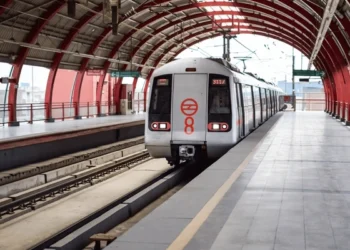
    The Delhi Metro Rail Corporation (DMRC) has announced a significant decision to change the color code of the upcoming Delhi Aerocity–Tughlakabad Metro corridor from silver to golden. The decision is rooted in the objective of enhancing visibility and clarity for passengers.


    The color-coded system is a distinctive feature of the Delhi Metro, aiding passengers in easy identification of the different corridors. Each operational corridor is assigned a specific color code, prominently displayed on the train bodies. This color-coded distinction serves as a visual guide for passengers, making it convenient to recognize and navigate the extensive metro network.


    The decision to shift from silver to golden for the Aerocity–Tughlakabad Metro corridor is a strategic move by the DMRC to ensure better visibility. According to a release by the DMRC, golden color can be displayed more prominently and clearly on the trains compared to silver. The choice of golden over silver is motivated by the desire to avoid the blending of the color with the overall silvery texture of the stainless steel body of the metro trains.


    “The selection of ‘golden’ as the color code would ensure better visibility on trains and will be more convenient for the passengers,” stated the DMRC in its official release.


    The Aerocity–Tughlakabad Metro corridor is a crucial part of Delhi Metro’s Phase 4 expansion plan. Encompassing a length of 23.62 kilometers with 15 stations, this corridor is set to connect the Kashmere Gate – Raja Nahar Singh Violet Line with the Airport Express Line. The corridor aims to provide enhanced connectivity to various new areas in the southern part of the national capital.


    This color code change aligns with the DMRC’s commitment to passenger convenience and efficient navigation. The golden color is expected to stand out more distinctly, facilitating a seamless travel experience for commuters. As the DMRC continues to expand its network and introduce new corridors, such considerations play a pivotal role in ensuring a user-friendly and accessible metro system.


    The operationalization of the Aerocity–Tughlakabad Metro corridor is anticipated by March 2026. This corridor is part of the ongoing efforts to enhance connectivity and cater to the growing transportation needs of Delhi’s residents.


    Currently, the Delhi Metro is actively working on three priority corridors, collectively covering a total distance of 65 kilometers. The Majlis Park to Maujpur stretch (Pink Line), spanning 12.3 kilometers, is expected to become operational around March 2025. Simultaneously, the construction work on the Janakpuri West to RK Ashram (Magenta Line) and Aerocity to Tughlakabad (Silver Line) segments is slated to be completed by March 2026.


    The DMRC’s strategic planning and attention to details, such as the color-coded system, showcase its commitment to providing a modern, efficient, and passenger-centric metro experience. The incorporation of feedback and continuous improvements underscore the organization’s dedication to meeting the evolving needs of Delhi’s bustling population.


    As the golden hue replaces the silver color code on the upcoming Aerocity–Tughlakabad Metro corridor, it symbolizes not only a visual distinction but also a commitment to innovation and customer satisfaction. The Delhi Metro remains a critical lifeline for millions of commuters, and these thoughtful measures contribute to making their journeys more comfortable and user-friendly.

  • India and Nepal Strengthen Bilateral Ties with Key Agreements

    India and Nepal Strengthen Bilateral Ties with Key Agreements

    India and Nepal fortified their bilateral ties with a set of agreements signed during the 7th India-Nepal Joint Commission meeting. External Affairs Minister S Jaishankar, on his first foreign visit in 2024, held a “comprehensive and productive” meeting with Nepalese counterpart NP Saud, covering diverse areas such as trade, connectivity projects, defense, security, and more.


    The discussions delved into the overall bilateral relationship between the two countries, emphasizing key sectors like economic ties, land, rail, and air connectivity projects, cooperation in defense and security, agriculture, energy, power, water resources, disaster management, tourism, civil aviation, people-to-people exchanges, cultural ties, and development partnership.


    As part of the outcomes, India and Nepal exchanged agreements on the implementation of High Impact Community Development Projects, Long Term Power Trade, Cooperation in Renewable Energy Development, Munal Satellite, and the handover of the 5th tranche of post-Jajarkot earthquake relief supply. Additionally, the leaders jointly inaugurated three cross-border transmission lines, marking significant progress in regional connectivity.


    The visit included meetings with Nepal’s President Ramchandra Paudel and Prime Minister Pushpa Kamal Dahal ‘Prachanda,’ where substantive views were exchanged on the unique and multifaceted Nepal-India relations. Jaishankar conveyed warm wishes from Indian Prime Minister Narendra Modi to Prime Minister Prachanda.


    Nepal holds strategic importance for India, aligning with its overall interests in the region. The age-old “Roti Beti” relationship has been a consistent theme in the diplomatic ties between the two nations. With a border stretching over 1,850 km across five Indian states, Nepal heavily relies on India for the transportation of goods and services.


    The leaders discussed a spectrum of thematic areas, reflecting the comprehensive nature of their engagement. Economic relations, connectivity, trade and transit, power and water resources, education and culture, and political matters were among the focal points. The agreements signed further solidify cooperation in critical sectors, setting the stage for enhanced collaboration.


    In June, during Prime Minister ‘Prachanda’s’ visit to New Delhi, both nations signed several significant pacts. One key agreement aimed at increasing India’s power import from Nepal to 10,000 MW in the next decade, a substantial leap from the current 450 MW.


    The strengthened bilateral ties underscore the commitment of India and Nepal to fostering mutual cooperation, emphasizing shared goals and regional stability. The agreements pave the way for joint efforts in addressing common challenges, promoting economic development, and ensuring the well-being of their citizens. The collaborative initiatives contribute to the broader narrative of diplomatic engagements, fostering enduring relationships in the South Asian region.

  • PM Encourages India-Sri Lanka Ferry Service Commences

    PM Encourages India-Sri Lanka Ferry Service Commences

    In a significant development, the passenger ferry service between India’s Nagapattinam and Sri Lanka’s Kankesanturai commenced on Saturday, signifying a new phase in diplomatic and economic relations between the two countries. Prime Minister Narendra Modi expressed his enthusiasm for this milestone, emphasizing its role in enhancing connectivity, promoting trade, and fortifying the longstanding bonds between India and Sri Lanka.


    Addressing the occasion, Prime Minister Modi stated, “We are embarking on a new chapter in the diplomatic and economic relations between India and Sri Lanka. The launch of a ferry service between Nagapattinam and Kankesanturai is an important milestone in strengthening our relations.”


    He further underscored the significance of the ferry services, highlighting that they would enhance connectivity, foster trade, and revitalize the historical and cultural connections between the two nations.


    Referring to the great poet Subramania Bharati’s Sindhu Nadhiyin Misai, PM Modi said, “Great poet Subramania Bharati, in his song Sindhu Nadhiyin Misai, had spoken of a bridge connecting our two countries. This ferry service brings alive all those historical and cultural connections.”


    Prime Minister Modi mentioned that this ferry service would breathe new life into these historical and cultural ties, emphasizing its role in the economic partnership. During President Wickremesinghe’s recent visit, both nations adopted a vision document for their economic partnership, with connectivity being a central theme. Modi explained, “It is for bringing our countries closer, enhancing trade, tourism, and people-to-people ties. It creates opportunities for the youth of both countries.”


    He recalled that in 2015, a direct flight between Delhi and Colombo was launched, and subsequently, the first international flight landed in the pilgrim town of Kushinagar from Sri Lanka. The commencement of the ferry service between Nagapattinam and Kankesanthurai represents another significant step in strengthening the regional connectivity.


    Sri Lankan President Ranil Wickremesinghe also praised the ferry service’s role in increasing connectivity between India and Sri Lanka. He acknowledged the historical disruption in connectivity due to conflicts in the north and expressed gratitude to PM Modi and the Indian shipping corporation for their contributions to reestablishing this vital connection.


    The discussions on enhancing connectivity and resuming ferry services were held virtually by the India-Sri Lanka Joint Committee on July 14 this year. The Joint Committee was established as part of the Memorandum of Understanding (MoU) on Passenger Transportation by Sea. These productive discussions focused on the resumption of ferry services connecting mutually agreed points in both countries. The resumption of these services is expected to boost regional trade, tourism, and people-to-people interactions.


    In preparation for the ferry service’s launch, officials from the Nagapattinam Shipping Harbour Department introduced a special fare of ₹2,800, inclusive of ₹2,375 and an 18% tax. This promotional offer, available for passengers traveling on the ferry on October 14th, represents a 75% reduction from the regular fare.


    While the passenger transportation ship’s original resumption date was set for October 10, 2023, it experienced administrative complications, leading to subsequent delays. The service was finally launched on October 14, symbolizing the strengthening of diplomatic and economic relations between India and Sri Lanka.

  • India, US, UAE, and Saudi Arabia to Build Strategic Links

    India, US, UAE, and Saudi Arabia to Build Strategic Links

    India, the United States, the United Arab Emirates (UAE), and Saudi Arabia are preparing to announce a groundbreaking agreement that will establish strategic shipping and railway links connecting Europe, the Middle East, and India. This ambitious project is part of the Partnership for Global Infrastructure Investment and aligns with President Joe Biden’s Middle East strategy.


    The initiative seeks to create an economic corridor that will link Middle Eastern countries through a network of rail links, ultimately connecting them to India via shipping lanes. The European Union is also expected to play a role in this transformative project.


    US Deputy National Security Adviser Jon Finer emphasized the project’s value proposition, focusing on the flow of commerce, energy, and digital communication, all of which are expected to boost prosperity in the participating regions. This initiative is being seen as an “affirmative, positive agenda and vision for global infrastructure” that will address the needs of underserved countries and regions.


    The project aims to enhance connectivity, reduce conflict, and offer an alternative to China’s ambitious Belt and Road Initiative. It is designed to promote commerce, energy trade, digital connectivity, and high standards in a transparent, non-coercive, and sustainable manner.


    The groundwork for this initiative was laid during a meeting of top national security officials from India, the US, the UAE, and Saudi Arabia in Saudi Arabia in May. The forthcoming announcement is expected to be made by President Joe Biden and Indian Prime Minister Narendra Modi.


    While Israel is not currently part of the project, it may join if its normalization process with Saudi Arabia progresses successfully. The initiative has its origins in discussions within the I2U2 forum, comprising India, Israel, the United States, and the UAE.


    US Deputy NSA Jon Finer stressed that the United States does not view this initiative as a competition with China’s Belt and Road Initiative. Instead, it offers a distinct value proposition based on high standards, transparency, sustainability, and a non-coercive approach. The project is expected to appeal to countries seeking alternative infrastructure solutions.


    The project is seen as a significant step toward enhancing regional and global connectivity, fostering economic growth, and promoting stability in the Middle East and beyond. It underscores the commitment of participating nations to building a more secure and prosperous interconnected region.

  • India and Bangladesh Strengthen Customs Cooperation

    India and Bangladesh Strengthen Customs Cooperation

    India and Bangladesh have underscored their dedication to strengthening customs cooperation and fostering smoother cross-border trade through the conclusion of their 14th Joint Group of Customs (JGC) meeting in New Delhi on August 21-22. The meeting, co-chaired by high-ranking officials from both nations, addressed a range of important topics to bolster bilateral trade relations.


    During the 14th JGC meeting, a comprehensive agenda was deliberated, including critical matters such as the establishment of new land customs stations, the reduction of port restrictions, the enhancement of road and rail infrastructure, the pre-arrival exchange of customs data, and the formulation of a bilateral agreement on customs cooperation. These discussions reflect the commitment of both countries to ensure smoother trade processes and facilitate enhanced connectivity.


    The India-Bangladesh Joint Group of Customs meetings, held annually, are a pivotal platform for discussions on customs cooperation and cross-border trade facilitation. These meetings significantly contribute to improving trade infrastructure and connectivity for seamless customs clearance at land borders, fostering better bilateral trade relationships.


    Currently, there are a total of 62 land customs stations situated along the India-Bangladesh border, spanning states such as West Bengal, Assam, Meghalaya, Tripura, and Mizoram. These customs stations comprise various land border crossing points, railway stations, and riverbanks/ports.


    India has recently undertaken a series of trade-facilitative measures in this context. Notably, exports from Bangladesh to India via rail in closed containers have been enabled, with customs clearance available at any Inland Container Depot (ICD). Additionally, cargo exports from Indian ICDs to Bangladesh have been streamlined using inland waterways. Transshipment of containerized export cargo from Bangladesh destined for third countries, through India using riverine and land routes, has also been paved by recent circulars.


    During the meeting, India expressed gratitude to Bangladesh for successfully completing trial runs and issuing notifications to operationalize the Agreement on Use of Chattogram and Mongla Ports (ACMP), a decision that stemmed from the 13th JGC meeting. Both sides also initiated discussions on electronic connectivity of the respective transit modules of ACMP, highlighting their commitment to advancing trade cooperation.


    The successful conclusion of this bilateral meeting reaffirms the dedication of both countries to fostering cooperative efforts in areas of mutual interest, ultimately paving the way for smoother customs processes and more robust cross-border trade relations.

  • India and Bangladesh: Boosting Cross-Border Trade

    India and Bangladesh: Boosting Cross-Border Trade

    New Delhi and Dhaka are currently exploring the possibility of establishing 16 new border haats to bolster trade between the two nations. This initiative aims to amplify economic interactions and market access between India and Bangladesh. The announcement was made by Smita Pant, a senior diplomat in the Indian Ministry of External Affairs, during a conference focused on enhancing connectivity between India’s Northeast and Bangladesh. These border haats, designed as informal markets, facilitate local communities in trading agricultural and manufactured goods across the border.


    Presently, both countries have eight operational border haats situated in northeastern states such as Tripura and Meghalaya. The new border haats, currently under discussion, are anticipated to be established in Mizoram and West Bengal. This move is expected to enhance market accessibility for border communities and create new economic opportunities, while concurrently curbing informal trade across the border.


    These initiatives are taking shape within the context of broader efforts to bolster trade and connectivity between India and Bangladesh. Infrastructure development and connectivity enhancement are being prioritized, often with support from Japan. The forthcoming Matabari Port in Bangladesh, slated for completion by 2027, is poised to streamline the movement of goods between India and Bangladesh, with an eye toward broader Asian markets.


    The collaborative momentum extends to the “Bay of Bengal Northeast Industrial Value Chain Concept,” a tripartite initiative involving India, Bangladesh, and Japan. This concept envisions fostering manufacturing growth in India’s Northeast and Bangladesh.


    Moreover, New Delhi and Dhaka are actively negotiating a comprehensive economic agreement. A joint feasibility study endorsed the idea of a Comprehensive Economic Partnership Agreement (CEPA), and both countries have committed to commencing negotiations within the calendar year 2022. The goal is to facilitate trade and economic integration, further propelled by Bangladesh’s impending graduation from its Least Developed Country (LDC) status.


    Connectivity emerged as a pivotal theme during discussions between Indian Prime Minister Narendra Modi and Bangladeshi Prime Minister Sheikh Hasina in September 2022. Both leaders underscored the urgency of infrastructure upgradation, removal of port restrictions, and non-tariff barriers at identified Land Customs Stations, emphasizing their shared commitment to facilitating seamless trade.


    Amidst these endeavors, India has made a notable gesture by extending free transit to Bangladesh through its territory, enabling the latter to export goods to third countries via designated Land Customs Stations, seaports, and airports. Bangladesh reciprocated by seeking transit rail connectivity at the Chilahati-Haldibari crossing.


    In essence, these initiatives reflect the concerted efforts of India and Bangladesh to fortify economic cooperation, enhance trade infrastructure, and streamline cross-border movement, ultimately fostering a climate of shared prosperity and partnership.