Tag: Calcutta High Court

  • SC Upholds CBI Probe in Sandeshkhali Attack Case

    SC Upholds CBI Probe in Sandeshkhali Attack Case

    The Supreme Court’s decision to uphold the Calcutta High Court’s order for a Central Bureau of Investigation (CBI) probe into the attack on Enforcement Directorate (ED) officials marks a significant development in the Sandeshkhali case, shedding light on the complex legal and political dynamics at play in West Bengal.


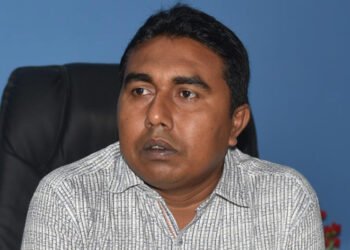
    The incident in question took place when ED officials were conducting searches at premises linked to suspended Trinamool Congress (TMC) leader Shahjahan Sheikh in Sandeshkhali, West Bengal. The attack on the officials raised serious concerns about law and order in the state, prompting the Calcutta High Court to intervene and order a CBI probe into the matter.


    During the hearing on a plea filed by the West Bengal government challenging the High Court’s order, the Supreme Court questioned the state government about the delay in arresting Shahjahan Sheikh. Senior advocate Abhishek Manu Singhvi, representing the West Bengal government, explained to the court that there was initially a stay on the investigation, but once the court clarified its position, the state police promptly arrested the accused. Singhvi also mentioned that seven individuals had been arrested earlier in connection with the incident.


    The apex court bench’s decision to expunge the Calcutta High Court’s observation against the West Bengal government and state police regarding the transfer of the probe to the CBI indicates a nuanced approach to the case. While upholding the CBI probe, the court has taken into account the complexities of the legal proceedings and the actions taken by the state authorities.


    In a parallel development, a CBI team visited Bongaon in North 24 Parganas district to further its investigation into the attack on the ED team. This investigative step underscores the CBI’s commitment to unraveling the truth behind the incident and holding the perpetrators accountable.


    The arrest of Shankar Adhya, the former chairman of Bongaon Municipality and TMC leader, on January 5 following the ED searches adds another layer of complexity to the case. The mob’s attempt to prevent the ED team from taking Adhya into custody underscores the volatile nature of the situation and the challenges faced by law enforcement authorities.


    The CBI team’s visit to Adhya’s house, accompanied by forensic sciences personnel, highlights the meticulous approach adopted by the agency in gathering evidence and conducting a thorough investigation. The use of 3D scanners to map Adhya’s home and surrounding areas demonstrates the adoption of advanced technology to reconstruct the sequence of events and ascertain the facts accurately.


    Additionally, the CBI’s request for CCTV footage from Adhya’s house on January 5 indicates the agency’s focus on gathering corroborative evidence to strengthen its case. By leveraging technological tools and forensic expertise, the CBI aims to build a robust investigation that stands up to scrutiny in court.


    The arrest of Shahjahan Sheikh on February 29 after 55 days on the run further underscores the significance of the ongoing investigation. The violent protests and allegations of sexual atrocities and land grabbing surrounding Sheikh’s arrest highlight the broader socio-political implications of the case.


    The Supreme Court’s decision to uphold the CBI probe into the Sandeshkhali attack case reflects a commitment to upholding the rule of law and ensuring justice prevails. As the investigation unfolds, it will be crucial to maintain transparency and accountability to address the underlying issues and restore public trust in the justice system.

  • Calcutta HC: Continuance of Suspended Shahjahan Sheikh

    Calcutta HC: Continuance of Suspended Shahjahan Sheikh

    The recent developments surrounding suspended TMC leader Shahjahan Sheikh have brought significant attention to the corridors of power in West Bengal. With allegations of land grabbing and sexual assault hanging over him, the Calcutta High Court has stepped in to question his continued role as the Pradhan of the Zilla Parishad in Sandeshkhali.


    Just a day after Shahjahan Sheikh was handed over to the Central Bureau of Investigation (CBI) in connection with the alleged crimes, the High Court raised pertinent questions about his status. Additional Solicitor General Ashok Kr Chakraborty, representing the government, highlighted that despite his suspension from the Trinamool Congress, Sheikh still retains powers akin to a state cabinet minister. This revelation has sparked concerns about the appropriateness of his position as the chief of Zilla Parishad.


    During the court proceedings, the bench comprising Chief Justice TS Sivagnanam and Justice Hiranmay Bhattacharyya sought clarity from Advocate General Kishore Datta regarding Sheikh’s tenure. The question posed was direct and crucial: Should Shahjahan Sheikh be allowed to continue as the chief of Zilla Parishad given the serious allegations against him? While Datta pointed out Sheikh’s suspension from TMC, the bench appeared skeptical and decided to defer the matter for further deliberation on April 4. Moreover, the Chief Justice emphasized the need to ensure that Sheikh refrains from exercising any powers until the next hearing date.


    The backdrop against which these legal proceedings unfold is one of public outcry and grassroots activism. Sandeshkhali, the epicenter of the controversy, has witnessed widespread demonstrations, particularly led by women, demanding justice for the alleged victims of sexual assault and land grabbing. The District Magistrate (DM) and Block Development Officer (BDO) of Sandeshkhali have begun the process of reclaiming the lands grabbed by Sheikh and his associates, returning them to their rightful owners. However, the court has mandated that this restoration process must ensure the lands are returned only after being restored to their original state, underscoring the gravity of the situation.


    The turmoil in Sandeshkhali has not gone unnoticed on the national stage, particularly in the context of the upcoming Lok Sabha elections in 2024. The Bharatiya Janata Party (BJP), keen to make inroads into West Bengal’s political landscape, has seized upon this issue to corner the ruling Trinamool Congress (TMC). Prime Minister Narendra Modi’s recent visit to Sandeshkhali, where he met with the victims of sexual assault, served as a stark indictment of the Mamata Banerjee-led government’s handling of the matter. PM Modi minced no words in accusing the state government of shielding Shahjahan Sheikh and condemning it as an “act of shame.”


    The political ramifications of this controversy extend beyond the borders of West Bengal, resonating across the country. The TMC, facing mounting pressure and scrutiny, finds itself on the defensive, forced to address allegations of corruption and criminality within its ranks. Meanwhile, the BJP, emboldened by its electoral gains in the state, is capitalizing on the opportunity to portray itself as the champion of justice and accountability.


    At the heart of this saga lies the quest for justice and accountability. The residents of Sandeshkhali, particularly the victims of alleged crimes, are looking to the judiciary and law enforcement agencies to deliver swift and impartial justice. The proceedings in the Calcutta High Court represent a crucial step towards addressing their grievances and restoring faith in the rule of law.


    As the legal battle unfolds and the political rhetoric escalates, one thing remains clear: the fate of Shahjahan Sheikh and the broader implications of this case will have far-reaching consequences for the socio-political landscape of West Bengal. Whether justice is served and accountability upheld will ultimately shape the narrative of governance and democracy in the state.

  • Sandeshkhali Case: Accused TMC Leader Handed Over to CBI

    Sandeshkhali Case: Accused TMC Leader Handed Over to CBI

    The recent developments surrounding the Sandeshkhali case in West Bengal have brought significant attention to the ongoing legal and political landscape in the state. The handover of accused Trinamool Congress (TMC) leader Shahjahan Sheikh to the Central Bureau of Investigation (CBI) by the West Bengal Police, following the directive from the Calcutta High Court, marks a critical step in the legal proceedings.


    The Calcutta High Court’s directive, issued on Wednesday, ordered the West Bengal government to transfer the case concerning the attack on Enforcement Directorate (ED) officials at Sandeshkhali to the CBI and hand over the custody of the main accused, Shahjahan Sheikh, to the central agency. The court emphasized the immediate implementation of its previous judgment and underscored the importance of compliance with its directives.


    Shahjahan Sheikh, the suspended TMC leader, was brought back to the Bhabani Bhaban Police Headquarters in Kolkata after undergoing a medical examination at SSKM hospital. The handover procedure included the necessary medical assessment of the accused, ensuring adherence to legal protocols.


    However, despite the court’s order, the CBI faced delays in obtaining custody of Shahjahan Sheikh from the West Bengal Crime Investigation Department (CID). The CID cited the state government’s appeal to the Supreme Court against the Calcutta High Court’s order as the reason for withholding the handover. This development reflects the complex interplay between legal jurisdictions and the challenges encountered in executing court directives amid legal disputes.


    The Calcutta High Court’s issuance of a contempt notice to the West Bengal CID underscores the judiciary’s commitment to upholding the rule of law and ensuring compliance with its orders. The court’s observation regarding the state police’s actions reflects concerns over potential delays and obstructions in the legal process.


    Meanwhile, Prime Minister Narendra Modi’s meeting with the women victims of sexual assault in Sandeshkhali village highlights the gravity of the situation and the government’s response to addressing the plight of the victims. The Prime Minister’s empathetic interaction with the victims underscores the government’s commitment to providing support and justice to those affected by such heinous crimes.


    Prime Minister Modi’s characterization of the women of Sandeshkhali as his “parivar” (family) demonstrates solidarity and empathy towards their suffering. Furthermore, his criticism of the TMC government for allegedly shielding the accused highlights the political dimensions of the case and the broader implications for governance and accountability in the state.


    Overall, the developments surrounding the Sandeshkhali case underscore the complexities inherent in addressing issues of law enforcement, judicial oversight, and political accountability. As the legal proceedings continue, it remains essential to uphold the principles of justice, transparency, and the rule of law to ensure that the rights of all parties involved are respected and upheld.

  • Former Calcutta HC Judge Abhijit Gangopadhyay Joins BJP

    Former Calcutta HC Judge Abhijit Gangopadhyay Joins BJP

    Former Calcutta High Court Judge Abhijit Gangopadhyay made headlines on Tuesday as he announced his decision to join the Bharatiya Janata Party (BJP) just hours after tendering his resignation from his judicial post. This move marks a significant shift for Gangopadhyay, signaling his entry into active politics in West Bengal, a state known for its fiercely contested political landscape.


    During a press conference, Gangopadhyay cited the BJP’s status as a national party and its commitment to combating corruption as the primary reasons for his decision to join. He expressed his alignment with the BJP’s vision and emphasized the need to counter the alleged corruption of the ruling Trinamool Congress (TMC) in Bengal. His move is seen as a notable development in the state’s political dynamics, particularly amidst the upcoming assembly elections.


    Gangopadhyay revealed that he would formally join the BJP on March 7, indicating a clear timeline for his transition into his new political role. While there has been speculation about his candidacy in the forthcoming Lok Sabha polls, particularly from Bengal’s Tamluk constituency, Gangopadhyay maintained that the party leadership would decide on such matters. Tamluk has historically been a stronghold of the TMC, adding intrigue to Gangopadhyay’s potential electoral bid.


    His resignation from the Calcutta High Court was submitted to President Droupadi Murmu, with copies sent to Chief Justice of India DY Chandrachud and Calcutta HC Chief Justice TS Sivagnanam. This move came as a surprise to many, sparking speculation about the motivations behind Gangopadhyay’s decision and its potential implications for Bengal’s political landscape.


    Gangopadhyay’s tenure as a judge was marked by several controversial rulings, particularly in cases related to education issues in the state. His decisions often led to heated political debates, with critics accusing him of bias and political motivations. In February, the Supreme Court received a plea from Trinamool Congress leader Abhishek Banerjee, urging action against Gangopadhyay for alleged politically motivated statements and interviews on sub-judice cases.


    Speaking to the media, Gangopadhyay explained that his resignation was prompted by a sense of duty and conscience, particularly in light of the corruption scandals that have plagued the education sector in Bengal. He highlighted the ongoing trials of prominent individuals involved in these scandals as evidence of the systemic corruption that he aimed to address through his decision to enter politics.


    Gangopadhyay’s transition from the judiciary to active politics underscores the growing influence of the BJP in West Bengal and its efforts to expand its presence in the state. His entry into the political arena adds another dimension to the already intense electoral competition, with the BJP seeking to challenge the TMC’s dominance in the region.


    As Gangopadhyay embarks on this new chapter in his career, all eyes will be on his role within the BJP and his potential impact on the upcoming elections. His decision to join the party reflects broader shifts in Bengal’s political landscape and sets the stage for a fiercely contested electoral battle in the state.

  • Calcutta HC Clears Arrest of TMC Leader Shahjahan Sheikh

    Calcutta HC Clears Arrest of TMC Leader Shahjahan Sheikh

    In a significant development, the West Bengal police have received clearance from the Calcutta High Court for the arrest of Shahjahan Sheikh, a prominent leader of the Trinamool Congress (TMC). Sheikh is accused of heinous crimes including raping women at gunpoint and extorting tribal lands in Sandeshkhali, a region in West Bengal known for its complex socio-political dynamics. The court’s decision marks a pivotal moment in the ongoing legal battle against Sheikh, who has long been a controversial figure in the state’s political landscape.


    During the court proceedings, Justice T S Sivagnanam of the Calcutta High Court clarified that there is no stay on Sheikh’s arrest in the criminal cases registered against him. This directive effectively empowers the West Bengal police to take necessary action against the accused politician, who stands accused of committing grave offenses against vulnerable individuals in the Sandeshkhali area.


    Additionally, the Calcutta High Court directed key enforcement agencies such as the Enforcement Directorate (ED) and the Central Bureau of Investigation (CBI), along with the state home secretary, to be impleaded as parties in the suo motu matter initiated to address the multiple criminal charges against Shahjahan Sheikh. This move underscores the gravity of the allegations against the TMC leader and signals a concerted effort to ensure justice and accountability in the legal proceedings.


    The court’s decision comes against the backdrop of longstanding allegations of atrocities and criminal activities perpetrated by Shahjahan Sheikh and his associates in Sandeshkhali. Reports of rape, extortion, and land grabbing have plagued the region for years, leading to widespread concern among local residents and civil society organizations. The court’s intervention is seen as a critical step towards addressing these systemic issues and holding accountable those responsible for perpetrating violence and exploitation in the community.


    One of the key observations made by the court during the proceedings was the delay in addressing the incidents of atrocities in Sandeshkhali. Despite numerous complaints and reports filed with the state police over the past four years, progress in investigating and prosecuting these cases has been slow. The court expressed surprise at the prolonged delay in bringing charges against the perpetrators, highlighting the need for swift and decisive action to deliver justice to the victims and their families.


    In particular, the court emphasized the urgency of addressing the case against Sheikh, noting that there is no existing order that stays his arrest. This clear directive from the court leaves no room for ambiguity and underscores the imperative of holding individuals accountable for their actions, regardless of their political affiliations or influence.


    Moving forward, the involvement of key enforcement agencies such as the ED and the CBI signals a heightened focus on the broader implications of the case beyond the immediate criminal charges. The investigation is expected to delve into issues of corruption, financial impropriety, and abuse of power, shedding light on the nexus between politics, crime, and governance in the region.


    For the people of Sandeshkhali and the broader community in West Bengal, the court’s decision represents a ray of hope in their quest for justice and accountability. By upholding the rule of law and ensuring that those responsible for heinous crimes are brought to justice, the court sends a powerful message that impunity will not be tolerated and that the rights and dignity of all individuals must be respected and protected.


    As the legal proceedings unfold, it is essential for all stakeholders, including law enforcement agencies, civil society organizations, and the judiciary, to work together to ensure a fair and transparent process. Only through collective efforts and a steadfast commitment to upholding the principles of justice and equality can the victims of violence and exploitation in Sandeshkhali find closure and healing.

  • Calcutta HC Directs WB Government to Review Lioness Naming

    Calcutta HC Directs WB Government to Review Lioness Naming

    The Calcutta High Court’s recent directive to the West Bengal government regarding the naming of a lioness at Siliguri’s Safari Park has sparked significant debate and controversy. The court’s decision came in response to a plea filed by the Vishva Hindu Parishad (VHP), a prominent Hindu organization, questioning the appropriateness of naming the lioness ‘Sita.’


    The matter was brought before a single bench of Justice Saugata Bhattacharya, who expressed concerns about the confusion surrounding the naming of the lioness. Justice Bhattacharya emphasized the importance of obtaining clarity on the issue and scheduled further hearings to address the matter thoroughly.


    During the proceedings, Justice Bhattacharya made references to Hindu religious beliefs, particularly the symbolism of lions in Hindu mythology. Lions are commonly associated with the goddess Durga, often depicted with a lion at her feet. The judge highlighted the significance of lions in Hindu culture, stating, “We worship lions during Durga Puja. It depends on the mental orientation of the person, Can we imagine Durga without a lion?”


    The VHP’s plea argued that naming the lioness ‘Sita’ was blasphemous and disrespectful to Hindu sentiments. The organization contended that the name ‘Sita’ holds profound religious significance as the wife of Lord Rama, a central figure in Hindu mythology. Additionally, the VHP raised objections to another lion named ‘Akbar’ in the North Bengal Wildlife Animals Park, claiming that the coexistence of ‘Sita’ and ‘Akbar’ was inappropriate.


    Lakshman Bansal, the West Bengal secretary of the VHP, emphasized the broader implications of the naming issue, stating that it amounted to blasphemy and undermined the religious beliefs of Hindus nationwide. Bansal stressed that ‘Sita’ and ‘Akbar’ should not be allowed to coexist, citing the reverence and respect accorded to the characters in Hindu mythology.


    The controversy surrounding the naming of the lioness has stirred public sentiment and raised questions about the intersection of religious beliefs and administrative decisions. It has also highlighted the importance of cultural sensitivity and respect for diverse religious traditions in public institutions and spaces.


    In response to the court’s directive, officials at the wildlife park have provided relevant documents and assured compliance with the court’s decision. The outcome of the case remains uncertain, pending further hearings and deliberations by the court.


    The incident underscores the complexities involved in navigating religious sensitivities and cultural diversity in a pluralistic society like India. It underscores the need for careful consideration and consultation in matters that have the potential to impact religious sentiments and communal harmony.


    The naming of animals in public spaces has often been a contentious issue, with conflicting perspectives on how to balance cultural and religious sensitivities with administrative decisions. While some argue for greater inclusivity and representation of diverse cultural narratives, others emphasize the need to uphold traditional beliefs and values.


    Moving forward, the Calcutta High Court’s intervention provides an opportunity for constructive dialogue and resolution. It offers a platform for stakeholders to express their concerns, engage in meaningful discourse, and work towards a consensus that respects the sentiments of all communities involved.


    Ultimately, the outcome of the case will not only determine the fate of the lioness’s name but also serve as a reflection of the broader dynamics shaping religious and cultural discourse in contemporary India. It is a reminder of the importance of fostering mutual respect, understanding, and tolerance in a diverse and pluralistic society.

  • VHP Moves HC Over Naming of Lions in Siliguri Safari Park

    VHP Moves HC Over Naming of Lions in Siliguri Safari Park

    The Vishwa Hindu Parishad (VHP) has recently made headlines by moving the Calcutta High Court over the naming of lions in the Siliguri Safari Park, sparking a debate over religious sentiments and animal welfare. This move comes after the park introduced two new lions, named Sita and Akbar, from the Sepahijala Zoological Park in Tripura.


    According to a report by LiveLaw, the VHP filed a plea before a bench of Justice Saugata Bhattacharyya, which has been listed for a hearing on February 20. The organization contends that housing a lion named ‘Akbar’ with one named ‘Sita’ is an insult to the Hindu religion. As a result, they are calling for the name of the lion to be changed.


    Forest department officials, however, have stated that the lions were named before their arrival at the Siliguri Safari Park on February 13. They have clarified that the official naming ceremony is still pending.


    The arrival of the lions at the Bengal Safari Park has generated significant interest, but it has also raised concerns among certain groups. The lions are currently undergoing a mandatory month-long quarantine period to ensure their health before being introduced to the public. Despite the controversy surrounding their names, recent reports indicate that the lion couple has adapted well to their new environment after being released into an enclosed area.


    Akbar, a 7-year-old male lion, and Sita, a 5-year-old lioness, are expected to contribute to the park’s captive breeding efforts. According to forest officials quoted in a Statesman report, the lions are familiar with each other, and authorities are optimistic about the success of their breeding program.


    The VHP’s objection stems from media reports indicating that a lion and lioness, identified as IL26 and IL27, arrived at the Bengali Safari Park as part of an animal exchange program, with the lioness being named “Sita.” In response, the VHP has urged that no animal in any zoological park should be named after gods and goddesses of any religion in the future.


    This incident has reignited the debate over the intersection of religious sentiments and animal welfare. While some argue that the naming of animals after religious figures is disrespectful and should be avoided, others believe that it is a harmless practice that should not be policed.


    The controversy also highlights broader issues surrounding the treatment of animals in captivity. While zoos and safari parks play a crucial role in conservation efforts, they have also faced criticism for the conditions in which animals are kept and the ethical implications of captivity.


    In recent years, there has been a growing awareness of animal rights, with calls for improved welfare standards and greater transparency in the treatment of captive animals. This has led to increased scrutiny of zoos and wildlife parks, with organizations like PETA advocating for the closure of facilities that do not meet acceptable standards of care.


    At the same time, there is recognition of the importance of zoos and safari parks in education and conservation. These facilities provide valuable opportunities for research and public engagement, raising awareness about endangered species and the importance of biodiversity conservation.


    In response to the VHP’s petition, the forest department and park authorities have reiterated their commitment to the well-being of the animals under their care. They have stated that the naming of the lions was done in accordance with established protocols and that the animals’ welfare remains a top priority.


    Overall, the controversy surrounding the naming of lions at the Siliguri Safari Park underscores the complex relationship between religion, culture, and animal welfare. While it is essential to respect religious sentiments, it is equally important to ensure that animals are treated with dignity and care in all circumstances. As this case unfolds, it is hoped that a balance can be struck that respects both human beliefs and the welfare of captive animals.

  • SC Intervenes in West Bengal Caste Certificate Controversy

    SC Intervenes in West Bengal Caste Certificate Controversy

    The ongoing controversy surrounding the fake caste certificate case in West Bengal has taken a significant turn with the intervention of the Supreme Court. The apex court has issued a notice to the state of West Bengal and has put a stay on all further proceedings before the Calcutta High Court, marking a rare conflict between a single judge and a division bench.


    The crux of the matter revolves around alleged irregularities in the issuance of reserved category certificate and the admission of MBBS candidates in state-run medical colleges and hospitals in West Bengal. The Supreme Court, in taking suo moto cognisance of an order passed by a single bench of the Calcutta High Court, aims to address the conflicting orders and accusations within the judicial system.


    A five-judge constitution bench, led by Chief Justice DY Chandrachud, is set to conduct a special hearing on January 29 to delve into the complexities of the case and provide clarity on the legal issues at hand.


    The conflict originated from orders passed by a single judge bench and a division bench of the Calcutta High Court that disagreed with each other. Justice Abhijit Gangopadhyay, leading the single judge bench, accused Justice Soumen Sen, who heads the division bench, of acting in favor of a political party in West Bengal. The single judge alleged that Justice Sen’s actions were intended to save a political party in power, raising concerns of misconduct.


    In response to the division bench’s order, Justice Gangopadhyay directed authorities to ignore it and instructed the Central Bureau of Investigation (CBI) to initiate a probe into the alleged fake caste certificate matter. On January 24, the single judge also directed the Bengal Police to provide documents related to the case to the CBI.


    However, the division bench stayed the single judge’s order of the probe in the fake certificate after it was brought to their attention. Subsequently, the single judge revisited the matter, instructing the West Bengal Police to hand over documents to the CBI. The division bench disagreed on Thursday, leading to the single judge hearing the matter again and passing remarks against Justice Sen.


    The Supreme Court’s intervention is crucial in resolving the complex legal situation and restoring order within the Calcutta High Court. The suo moto cognisance underscores the seriousness of the situation, indicating the need for a comprehensive examination of the conflicting orders and allegations.


    The special hearing scheduled for January 29 presents an opportunity to delve into the legal intricacies surrounding the alleged irregularities in MBBS admissions in West Bengal. The constitution bench, comprising legal experts, will have the task of analyzing the evidence, evaluating the accusations, and ensuring that justice is served in a fair and impartial manner.


    One of the key aspects that the constitution bench may need to address is the nature of the conflict between the single judge and division bench. Understanding whether the disagreement stems from a legal interpretation of the case or involves other factors, such as political considerations, will be crucial in determining the appropriate course of action.


    The allegations of political interference and misconduct against Justice Sen add another layer of complexity to the case. The constitution bench will likely scrutinize these allegations carefully, ensuring a fair inquiry into the conduct of the judges involved.


    Moreover, the conflicting orders and counter-orders issued by the single judge and the division bench raise questions about the stability and coherence of the judicial process. The constitution bench’s role will extend beyond resolving the specific case to addressing systemic issues that may have contributed to the unusual conflict within the Calcutta High Court.


    The Supreme Court’s decision to stay all further proceedings before the Calcutta High Court demonstrates a commitment to upholding the integrity of the judicial system. It also reflects a proactive approach to prevent any potential miscarriage of justice arising from the internal conflicts within the lower court.


    As the legal proceedings unfold, the constitution bench will likely seek to provide clear guidelines and directives to prevent such conflicts from arising in the future. This may involve establishing protocols for handling disagreements between judges, ensuring transparent communication, and reinforcing the independence of the judiciary.

  • SC: Suo Moto Cognizance of West Bengal’s Fake Caste Certificate

    SC: Suo Moto Cognizance of West Bengal’s Fake Caste Certificate

    The ongoing controversy surrounding the fake caste certificate case in West Bengal has reached the Supreme Court, with a five-judge bench, led by Chief Justice DY Chandrachud, scheduled to hear the case. The Supreme Court took suo moto cognizance of the matter, titled “In Re: Orders of Calcutta High Court dated 24.01.2024 AND 25.01.2024 and Ancillary Issues,” arising from conflicting orders by a single-judge bench and a division bench of the Calcutta High Court.


    Justice Abhijit Gangopadhyay of the Calcutta High Court accused Justice Soumen Sen, who heads the division bench, of acting in favor of a political party in West Bengal. The controversy emerged when Justice Gangopadhyay’s single-judge bench directed the Central Bureau of Investigation (CBI) to investigate the fake caste certificate matter, bypassing the division bench’s order.


    The fake caste certificates scam came to light after a petition alleged the issuance of fake caste certificates to employees to facilitate their admission to medical courses. On January 24, Justice Gangopadhyay’s single-judge bench instructed the West Bengal Police to hand over related documents to the CBI. However, this order was stayed by the division bench led by Justice Sen and Uday Kumar.


    The matter was revisited by Justice Gangopadhyay’s single-judge bench, which once again directed the state police to provide the documents to the CBI. However, the division bench on Thursday did not allow the order to be approved. In response, the single-judge bench passed remarks against Justice Sen, accusing him of acting for a political party in West Bengal and engaging in misconduct.


    The Supreme Court’s intervention comes as a significant development, with a five-judge bench set to examine the conflicting orders and the alleged misconduct by Justice Sen. The bench, comprising Chief Justice DY Chandrachud and Justices Sanjiv Khanna, BR Gavai, Surya Kant, and Aniruddha Bose, will delve into the legal intricacies of the case.


    The controversy has raised concerns about the functioning of the judiciary, with the Supreme Court taking a proactive stance to address the issues. The outcome of the Supreme Court’s hearing could have far-reaching implications, not only for the specific case but also for the broader understanding of judicial conduct and the resolution of conflicts within the legal system.


    As the Supreme Court prepares to hear the case, legal experts and observers will closely watch the proceedings, looking for insights into the judiciary’s role in ensuring justice, maintaining integrity, and upholding the rule of law. The outcome of this hearing could shape future perceptions of the judiciary’s ability to address internal conflicts and maintain public confidence in the legal system.

  • Calcutta HC Delays Ruling in Jadavpur University Death Case

    Calcutta HC Delays Ruling in Jadavpur University Death Case

    The Calcutta High Court has opted to withhold its rulings in the Jadavpur University death case until it receives input from the university’s students. This decision follows petitions requesting the court’s involvement in the case of a first-year student’s fatal fall from a hostel building on August 9. The student died early the following morning in a nearby hospital. Police investigations have led to 12 arrests, including current and former students found residing illegally on campus. Charges of murder and conspiracy have been filed.


    During the proceedings, senior advocate and Trinamool Congress MP Kalyan Banerjee raised concerns about the university’s response to alleged ragging incidents, which are believed to be the cause of the student’s death. Banerjee informed the court that the university did not file an FIR when the incident occurred, and students who took the injured student to the hospital did not file a complaint either. It was the boy’s parents who lodged a complaint.


    Banerjee also revealed that the police’s access to the hostel was hindered, and the gates were locked. The police were initially stopped from entering the hostel, but they eventually received information about a taxi taking the injured student to the hospital, prompting their intervention.


    The court expressed its intent to hear the views of the students in the matter and emphasized its concern for the university campus. It indicated that if a recognized student union exists, they could be included in the proceedings.


    Banerjee further highlighted that CCTV cameras were installed on campus in 2012, but student protests led to their removal. He suggested that some university officials might have made decisions to gain popularity among students, contributing to the current situation.


    The Advocate General of the state, SN Mookerjee, agreed that ragging had become a pervasive issue and stated that students are unable to regulate and maintain harmony on campus. He mentioned that the police had been denied access to the hostel, and a case has been lodged.


    The court also inquired about a student’s statement that equated the university campus to their second home, where they believed they had the right to smoke and drink.


    As the court debated the issues of protests and public inconvenience, it raised the question of whether the university should consider closing down the hostel if it continues to gain notoriety for the wrong reasons. The case will resume on September 5 for further proceedings.


    In parallel, the BJP (Bharatiya Janata Party) has also moved the Calcutta High Court, seeking a National Investigation Agency (NIA) probe into the activities at the university campus. BJP Leader Rajarshi Lahiri pointed to the arrest of a Jadavpur University student in 2022 for alleged Maoist links, as well as the connection between the student killed and their shared hometown.