Tag: bjp

  • FIR Registered Against Telangana BJP Leader T Raja Singh

    FIR Registered Against Telangana BJP Leader T Raja Singh

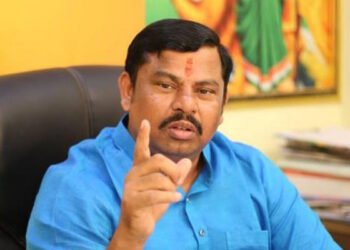
    In a contentious turn of events, Telangana BJP leader T Raja Singh finds himself embroiled in a legal battle following allegations of delivering a hate speech during a rally on Mira Road. The MIRA Bhayandar Vasai Virar (MBVV) police revealed on Wednesday that an FIR has been registered against Singh, accusing him of hurting the religious sentiments of communities through his incendiary rhetoric.


    According to reports from the Indian Express, Singh has been booked under sections 153(A) and 295(A) of the Indian Penal Code. These sections pertain to offenses related to promoting enmity between different groups on grounds of religion, race, place of birth, residence, language, etc., and deliberate and malicious acts intended to outrage religious feelings of any class by insulting its religion or religious beliefs, respectively.


    The genesis of this legal action can be traced back to a rally organized on February 25, during which Singh allegedly made inflammatory remarks targeting specific religious communities. The event organizer, Naresh Nile, has also been implicated in the case, indicating broader accountability for the dissemination of hate speech.


    In explaining the rationale behind filing the FIR, a police officer revealed that they meticulously examined the content of Singh’s speech, seeking legal counsel to ascertain the presence of criminal offenses. Upon confirmation, the authorities proceeded with legal action, underscoring the seriousness with which such matters are addressed.


    This development comes on the heels of a petition submitted to the Bombay High Court, accusing Singh, along with BJP MLA Nitesh Rane and Mira Road legislator Geeta Jain, of delivering hate speeches. The petitioner urged for their prosecution, signaling public outcry against the propagation of divisive rhetoric in political discourse.


    Interestingly, Singh’s rally on Mira Road had initially faced opposition, with authorities refusing permission in light of communal tensions that flared in the area earlier. However, the decision was overturned by the Bombay High Court, contingent upon Singh’s assurance to abstain from hate speech. The zonal Deputy Commissioner of Police (DCP) further secured a written commitment from the Telangana MLA, reaffirming his adherence to these conditions.


    Despite these assurances, reports suggest that Singh’s speech at the rally was characterized by derogatory remarks directed at the Muslim community. During his 40-minute address, he allegedly invoked the legacy of Chhatrapati Shivaji while espousing sentiments advocating for a Hindu Rashtra. Singh purportedly urged attendees to unite against perceived threats such as jihad, conversion, and cow slaughter.


    Moreover, Singh’s discourse extended to calls for the “liberation” of Shivaji’s forts from mosques, which he claimed were unlawfully constructed. This rhetoric, steeped in communal undertones, underscores the volatile nature of political discourse in contemporary India and the potential ramifications of such inflammatory rhetoric.


    Notably, T Raja Singh’s legal woes extend beyond the confines of this particular incident. Reports indicate that he was placed under house arrest in Hyderabad amidst plans to visit Medipally, a locale fraught with communal tensions stemming from recent Holi celebrations.


    The broader implications of Singh’s actions reverberate across the political landscape, raising questions about the boundaries of free speech, the responsibilities of public officials, and the role of religion in shaping public discourse. As India grapples with the complexities of its diverse socio-cultural fabric, instances of hate speech serve as stark reminders of the challenges inherent in fostering communal harmony and social cohesion.


    In response to the allegations leveled against T Raja Singh, the BJP leadership has yet to issue a formal statement. However, the incident has reignited debates surrounding the party’s stance on religious tolerance and its commitment to upholding constitutional principles of secularism.


    As legal proceedings unfold, the case against T Raja Singh serves as a litmus test for India’s democratic institutions and their ability to safeguard the rights and liberties of all citizens. Beyond the immediate legal ramifications, it underscores the imperative for political leaders to exercise restraint and responsibility in their public discourse, lest they contribute to the polarization and division plaguing Indian society.

  • Hindu Attacked in Bengaluru for Playing Hanuman Chalisa

    Hindu Attacked in Bengaluru for Playing Hanuman Chalisa

    Amidst the diverse cultural landscape of Bengaluru, a disturbing incident unfolded when a shopkeeper was allegedly attacked near Siddanna Layout on Sunday for playing Hanuman Chalisa during the time of Azaan. Videos capturing the confrontation between the shopkeeper and a group of youngsters circulated widely on social media, revealing a violent escalation of the situation.


    According to reports, the shopkeeper recounted the harrowing experience, stating, “I was playing Hanuman bhajan. 4-5 people came and said it is time for Azaan and if you play it we will beat you. They beat me and also threatened me that they would stab me with a knife.” The incident left the shopkeeper traumatized and fearing for his safety.


    The gravity of the situation prompted the Bengaluru Police to register an FIR at the Halasuru Gate Police Limit. Assurances were made that the perpetrators would be apprehended swiftly, instilling a sense of hope for justice among the victim and the community at large.


    The incident sparked outrage and condemnation from various quarters, with the Bharatiya Janata Party (BJP) leading the charge against the ruling Congress government in Karnataka. BJP leaders wasted no time in denouncing the incident as a direct consequence of the Congress’ alleged policy of appeasement.


    Leader of Opposition in the Karnataka Assembly, R Ashoka, expressed his dismay over the incident and questioned the stance of the state government regarding the playing of Hanuman Chalisa. He criticized the government’s handling of law and order issues, citing previous incidents as evidence of its failure to maintain peace and security.


    Similarly, Tejasvi Surya, the young BJP leader and Member of Parliament from Bengaluru South, condemned the attack and demanded swift action against the perpetrators. He highlighted the broader implications of the incident, linking it to what he described as the Congress’ appeasement politics and its impact on law enforcement and communal harmony in the state.


    The incident underscored deep-seated tensions and polarizations within the community, raising concerns about religious intolerance and the need for greater social cohesion. It also reignited debates about freedom of expression and religious rights in a pluralistic society like India.


    In response to the BJP’s allegations, the Congress government maintained that it was committed to upholding the rule of law and ensuring justice for all citizens, irrespective of their religious beliefs. Chief Minister Siddaramaiah assured the public that the authorities would leave no stone unturned in bringing the culprits to justice.


    The incident prompted soul-searching among citizens and leaders alike, with many calling for introspection and dialogue to address the underlying grievances and prejudices that fuel such acts of violence. Religious leaders and civil society organizations echoed these sentiments, emphasizing the importance of tolerance, understanding, and respect for diversity in a multicultural society.


    As investigations into the incident continue, there is a growing consensus on the need for collective action to prevent similar incidents from recurring in the future. This includes efforts to promote interfaith dialogue, enhance community policing, and strengthen legal mechanisms to protect the rights and dignity of all citizens.


    Ultimately, the attack on the shopkeeper in Bengaluru serves as a stark reminder of the challenges posed by religious intolerance and communal polarization in contemporary India. It calls for concerted efforts from all stakeholders to build a more inclusive and harmonious society where every individual can live and worship freely without fear of persecution or discrimination.

  • Ashok Chavan Dismisses Rahul Gandhi’s Claims

    Ashok Chavan Dismisses Rahul Gandhi’s Claims

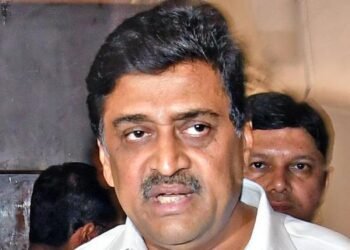
    Former Maharashtra Chief Minister Ashok Chavan’s recent transition from the Indian National Congress to the Bharatiya Janata Party (BJP) has sparked controversy following Rahul Gandhi’s claims about a senior Maharashtra leader’s emotional encounter with Sonia Gandhi. Chavan vehemently denies Gandhi’s assertions, dismissing them as baseless and politically motivated.


    In response to Rahul Gandhi’s statement alleging that a senior Maharashtra leader, who recently defected from the Congress, broke down in front of Sonia Gandhi and expressed fear of imprisonment, Ashok Chavan categorically refuted the claims. He labeled Gandhi’s remarks as a “political stunt” and emphasized that they were factually incorrect. Chavan clarified that he never met Sonia Gandhi in Delhi and criticized the allegations as unsubstantiated and devoid of truth.


    Rahul Gandhi’s comments were made during a rally at Shivaji Park in Mumbai, where he addressed a gathering of prominent leaders from the INDIA alliance. Gandhi’s claims were part of his narrative highlighting the challenges faced by the Congress and the alleged intimidation tactics employed against party members.


    Chavan’s rebuttal underscores the rift within the Congress party and the dynamics of political maneuvering in Maharashtra. His swift defection to the BJP, along with other prominent leaders like Milind Deora and Baba Siddique, reflects the shifting landscape of state politics. Chavan’s decision to join the BJP was marked by a public ceremony attended by top party officials, including Maharashtra Deputy CM Devendra Fadnavis and state BJP president Chandrashekhar Bawankule.


    The controversy surrounding Chavan’s departure from the Congress and subsequent entry into the BJP underscores the intricate dynamics of Indian politics, where personal allegiances and strategic alliances play a crucial role. Chavan’s move highlights the BJP’s efforts to expand its influence in Maharashtra, while also dealing a blow to the Congress party’s prospects in the state.


    Chavan’s denial of Rahul Gandhi’s claims is not only a defense of his own integrity but also a broader statement about the political landscape in Maharashtra. The allegations made by Gandhi shed light on the internal turmoil within the Congress party and the challenges it faces in retaining its members amid mounting pressure from rival factions.


    As the political drama unfolds, Chavan’s journey from the Congress to the BJP serves as a microcosm of the larger power struggles and realignments taking place in Maharashtra. His decision to switch sides underscores the fluidity of Indian politics and the ever-changing alliances that define the political landscape.


    Ashok Chavan’s dismissal of Rahul Gandhi’s claims underscores the complex dynamics of Indian politics, where personal ambitions and strategic calculations often dictate political allegiances. Chavan’s defection from the Congress to the BJP reflects the shifting political landscape in Maharashtra, highlighting the challenges faced by traditional parties in maintaining their stronghold amid growing competition.

  • Delhi CM Arvind Kejriwal Receives Ninth Summons from ED

    Delhi CM Arvind Kejriwal Receives Ninth Summons from ED

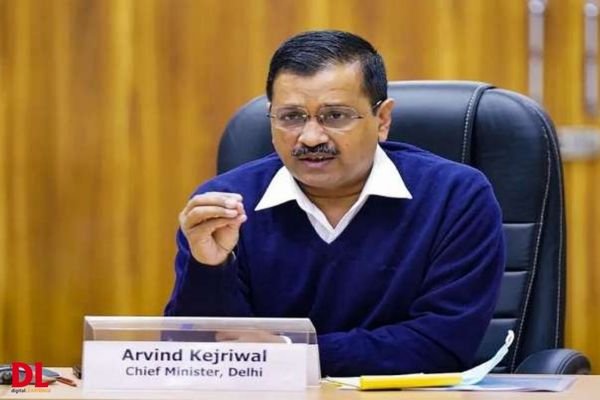
    The Enforcement Directorate (ED) has issued a ninth summons to Delhi Chief Minister Arvind Kejriwal, asking him to appear before the federal agency on March 21 in connection with the excise policy case. This development comes after Kejriwal was granted bail by Delhi’s Rouse Avenue court against arrest for skipping previous summons by the probe agency.


    Kejriwal’s bail was granted on a bond of ₹15,000 and a surety of ₹1 lakh in the money laundering case related to the excise policy. He appeared before the court following a summons issued to him by Additional Chief Metropolitan Magistrate Divya Malhotra, who had directed him to appear before her on March 16 based on two ED complaints in connection with the liquor policy case.


    Addressing a press conference, Delhi Minister Atishi emphasized that Kejriwal’s appearance in court refutes the allegations made by BJP leaders that he was evading legal proceedings. Atishi accused the BJP and Prime Minister Narendra Modi of attempting to jail Kejriwal and hinder his election campaign ahead of the Lok Sabha elections. She criticized their disregard for legal processes and accused them of using government agencies to target political opponents.


    Kejriwal before ninth summons has previously skipped eight summons issued by the Enforcement Directorate, maintaining that the summons were “illegal.” The Aam Aadmi Party (AAP) has accused the Bharatiya Janata Party (BJP) of using government agencies to suppress opposition parties and destabilize governments.


    The Enforcement Directorate by ninth summons aims to record Kejriwal’s statement regarding the excise policy case, focusing on issues such as the formulation of the policy, pre-policy meetings, and allegations of bribery. The excise policy was introduced to rejuvenate Delhi’s liquor business by replacing a sales-volume-based regime with a license fee system and offering discounts and promotions on liquor purchases.


    However, the policy faced controversy after Lieutenant Governor Vinai Kumar Saxena ordered a probe into alleged irregularities, leading to its cancellation. The AAP has accused Saxena’s predecessor, Anil Baijal, of making last-minute changes to the policy that resulted in lower-than-expected revenues and sabotaged its implementation.


    In addition to Kejriwal, two senior AAP leaders, Manish Sisodia and Sanjay Singh, are already under judicial custody in connection with the excise policy case. The case has become a focal point of political tensions between the AAP and the BJP, with both parties accusing each other of corruption and malpractice.


    As the legal proceedings continue, the case highlights the challenges of governance and accountability in the Indian political landscape, with allegations of corruption and misuse of government agencies casting a shadow over the integrity of the democratic process.

  • WB Elections: Battle Lines Drawn Between TMC and BJP

    WB Elections: Battle Lines Drawn Between TMC and BJP

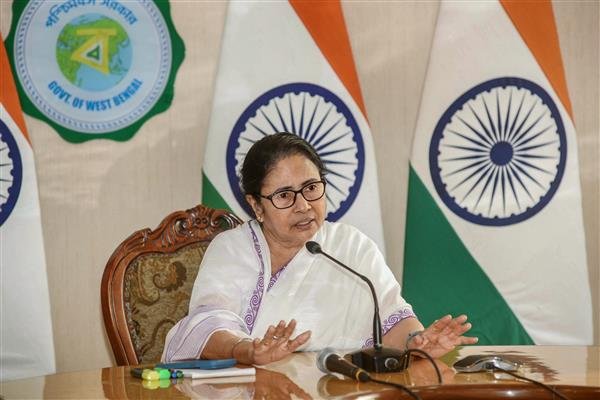
    The battleground for the Lok Sabha elections in West Bengal is set, with the Trinamool Congress (TMC) led by Mamata Banerjee and the Bharatiya Janata Party (BJP) gearing up for a high-stakes political showdown battle. With 42 Lok Sabha seats at stake, West Bengal holds significant electoral importance, making it a crucial battleground for both parties.


    The political landscape in West Bengal has undergone significant shifts in recent years, with the BJP emerging as the principal challenger to the ruling TMC. While the opposition ‘INDIA bloc’ failed to materialize in Bengal, the state Pradesh Congress is still exploring the possibility of forming an alliance with the Left parties, with whom it had partnered during the 2021 state polls. However, an official alliance for the upcoming Lok Sabha elections is yet to be announced.


    In the upcoming elections, the BJP is expected to rely heavily on the popularity and persona of Prime Minister Narendra Modi to woo voters in the state. Meanwhile, the TMC, led by Mamata Banerjee, is seeking to defend its turf and consolidate its position amidst growing opposition from the BJP, hence the battle.


    Several key issues are likely to dominate the electoral discourse in West Bengal:

    • Corruption: Allegations of widespread corruption within the Trinamool ranks have emerged as a potent weapon for the BJP. The party has accused the TMC of indulging in corrupt practices, leading to the arrest of several top TMC leaders on charges ranging from recruitment scams to irregularities in food grain distribution.


    • Sandeshkhali and women voters: The recent violence and protests in Sandeshkhali, coupled with allegations of sexual abuse against TMC leaders, have tarnished the ruling party’s image. Mamata Banerjee, who has enjoyed strong support from women voters, now faces the challenge of addressing these allegations and retaining their trust.


    • The ‘Bohiragoto’ tag: The TMC’s narrative of portraying the BJP as ‘outsiders’ and ‘Bengal-haters’ has been a recurring theme in the state’s political discourse. The BJP, on the other hand, seeks to counter this narrative by emphasizing its commitment to the state’s development and welfare.


    • Central funds: The TMC has accused the central government of withholding funds earmarked for development projects in Bengal, leading to financial distress in rural areas. Mamata Banerjee has pledged to disburse funds from state coffers to address this issue, while challenging the BJP to a debate on the matter.


    • Citizenship Amendment Act (CAA): Mamata Banerjee has vehemently opposed the CAA, accusing the central government of using it as a tool to target immigrants. The BJP, however, sees the CAA as a potential electoral advantage, especially among the Matua community in Bengal.


    • Setting theory: The Left and Congress are likely to revive the theory of a “tacit understanding” between Modi and Mamata, alleging that the central agencies have been lenient in their investigations against TMC leaders. This issue is expected to feature prominently in their campaign.


    In addition to these issues, both parties are likely to focus on other contentious issues such as the misuse of central agencies, law and order, and the politicization of the police and administration in Bengal. As the election campaign heats up, West Bengal is poised for a fierce electoral battle that will shape the state’s political landscape for years to come.

  • PM Modi Expresses Confidence in BJP’s Preparations

    PM Modi Expresses Confidence in BJP’s Preparations

    Prime Minister Narendra Modi’s first reaction to the announcement of the Lok Sabha elections 2024 schedule reflects confidence in the Bharatiya Janata Party’s (BJP) preparations and emphasizes the party’s track record of good governance and service delivery across sectors. In a post on X, PM Modi expressed enthusiasm for the electoral process, highlighting the BJP-NDA’s readiness to engage with voters based on their achievements in governance.


    PM Modi’s remarks underscore the significance of the democratic process, referring to it as the “biggest festival of democracy.” He affirmed the BJP’s readiness for the elections, indicating a robust campaign strategy centered on their performance in governance. This assertion aligns with the party’s focus on highlighting its achievements and initiatives during its tenure in office.


    While addressing the Opposition INDIA bloc, PM Modi criticized the governance failures of the previous regime, citing scams and policy paralysis issues that plagued the country before the BJP came to power. By contrasting the past with the present, PM Modi aims to underscore the transformative changes and progress achieved under his leadership.


    Emphasizing the reach and impact of welfare schemes initiated by his government, PM Modi highlighted the nationwide implementation of developmental programs and the country’s progress in achieving developmental goals. This narrative seeks to showcase the BJP’s commitment to inclusive growth and socio-economic development across all segments of society.


    In a critique of the Opposition, PM Modi characterized them as “rudderless and issueless,” accusing them of resorting to abusive rhetoric and divisive politics. By highlighting the lack of coherent leadership and policy agenda among opposition parties, PM Modi seeks to position the BJP as the preferred choice for governance continuity and stability.


    Looking ahead, PM Modi outlined his vision for the third term, emphasizing the ongoing fight against poverty and corruption and the pursuit of social justice. He articulated ambitions for India to become the third-largest global economy, underscoring the government’s commitment to economic growth and prosperity.


    PM Modi drew inspiration and confidence from the support and blessings of the people, especially marginalized sections like the poor, farmers, youth, and women. He expressed determination to fulfill their aspirations and build a prosperous and self-reliant India. PM Modi concluded with a call for collective action and national unity to realize the vision of a developed and empowered India.


    Overall, PM Modi’s response to the election schedule reflects confidence, optimism, and a forward-looking vision for the country’s future. His message resonates with the BJP’s narrative of progress, governance, and leadership, setting the tone for the party’s campaign in the upcoming elections.

  • Amit Shah Defends Electoral Bonds

    Amit Shah Defends Electoral Bonds

    Union Home Minister Amit Shah’s remarks at the India Today Conclave on Friday shed light on the contentious issue of electoral bonds, emphasizing the government’s stance on the matter. Shah began by acknowledging the Supreme Court’s order on electoral bonds and reiterated the government’s intention behind introducing the scheme, which was to curb the influence of black money in politics. While acknowledging the need for improvement in the electoral bonds system, Shah expressed his belief that scrapping the scheme entirely may not be the most effective solution.


    In his address, Shah highlighted the alleged malpractices prevalent in political funding, particularly the practice of opposition leaders accepting political donations in cash and diverting a significant portion of it for personal gain. He provided an example where a portion of the donation was deposited in the party’s name while the majority of it was pocketed by the individual. Shah specifically mentioned the Congress party’s alleged involvement in such practices over the years, indicating a systemic issue within the political landscape.


    Responding to allegations that the electoral bonds scheme disproportionately benefited the BJP, Shah provided figures to illustrate the distribution of electoral bonds among various political parties. He disclosed that the BJP received approximately ₹6,000 crore out of a total of ₹20,000 crore in electoral bonds. Shah questioned the allocation of the remaining bonds, pointing out that other parties, including the TMC, Congress, BRS, BJD, and DMK, received significant amounts despite having fewer MPs than the BJP. This information was intended to dispel accusations of favoritism towards the BJP in the distribution of electoral bonds.


    Shah’s remarks addressed the ongoing controversies surrounding the electoral bonds scheme, particularly the lack of transparency and the potential for misuse. Critics have raised concerns about the anonymity of donors and the possibility of corporations using the scheme to influence political parties without public scrutiny. The Congress party, in particular, has been vocal in its opposition to the electoral bonds system, alleging that it compromises transparency in political funding.


    The home minister’s speech underscored the government’s commitment to electoral reform while defending the electoral bonds scheme as a mechanism to address the issue of black money in politics. Despite the criticisms and controversies surrounding the scheme, Shah’s remarks sought to justify the government’s position and challenge the narrative of unfair advantage to the BJP. As the debate over electoral funding continues, Shah’s comments provide insights into the government’s perspective and its efforts to address the challenges in the electoral process.

  • Karnataka Deputy CM Denies Bengaluru Water Crisis

    Karnataka Deputy CM Denies Bengaluru Water Crisis

    Karnataka Deputy CM DK Shivakumar’s denial of a water crisis in Bengaluru stands in stark contrast to the daily struggles faced by residents grappling with acute water shortages. Despite Shivakumar’s assurances, numerous reports from various parts of the city paint a picture of escalating water scarcity, causing significant inconvenience and distress to the populace.


    Residents of Bengaluru, particularly those residing in areas like Whitefield, KR Puram, Electronic City, RR Nagar, Kengeri, and CV Raman Nagar, have been enduring severe water scarcity for weeks. The situation has become increasingly dire, with residents reporting symptoms of a looming crisis, including headaches and stomach aches, followed by vomiting.


    In response to these concerns, Deputy CM DK Shivakumar, who also oversees Bengaluru’s development, asserted that there is no water crisis in the city. He downplayed the severity of the situation by stating that only around 7,000 borewells had dried up and that alternative arrangements had been made. However, his reassurances seem at odds with the lived experiences of Bengaluru’s residents, who continue to grapple with water scarcity on a daily basis.


    Deputy CM Shivakumar’s remarks come amid political wrangling, with the Congress leader BK Hariprasad echoing similar sentiments, dismissing claims of a water crisis and accusing the Bharatiya Janata Party (BJP) of playing political games. Shivakumar also refuted allegations that the Congress government was surreptitiously releasing Cauvery river water to Tamil Nadu, attributing such accusations to political maneuvering by the BJP.


    The water scarcity in Bengaluru has prompted residents to adopt various coping mechanisms, ranging from exploring work-from-home options to resorting to alternate-day bathing routines. Even residents in high-rise apartments equipped with water harvesting facilities are relying on water tankers for their daily needs. Additionally, eateries in the city are contemplating the use of disposable cups and plates to mitigate water usage.


    Acknowledging the severity of the situation, the Karnataka government has initiated several measures to address the water crisis. Civic authorities have undertaken efforts to replenish groundwater sources by filling drying lakes with treated water. The Bangalore Water Supply and Sewerage Board (BWSSB) plans to install filter borewells and construct water plants near restored lake beds to provide water after rigorous testing.


    Despite these efforts, the water crisis in Bengaluru remains a pressing concern, with residents continuing to face significant hardships. The discrepancy between official assurances and ground realities underscores the need for proactive and sustainable solutions to address the city’s water woes. Additionally, political bickering only serves to distract from the urgent need for collaborative action to ensure access to clean and adequate water for all residents of Bengaluru.

  • Pakistani Protesters: Arvind Kejriwal Slams BJP Over Support

    Pakistani Protesters: Arvind Kejriwal Slams BJP Over Support

    Delhi Chief Minister Arvind Kejriwal made headlines on Thursday when he criticized the Bharatiya Janata Party (BJP) for allegedly supporting Pakistani refugees who protested outside his residence. The Aam Aadmi Party (AAP) leader’s remarks came in response to demonstrations by Pakistani Hindu refugees protesting against his stance on the implementation of the Citizenship Amendment Act (CAA).


    In a strongly worded post on social media platform X (formerly Twitter), Kejriwal expressed his outrage at the incident. He accused the protesters of causing a disturbance and questioned the BJP’s support for them. Kejriwal emphasized that as the elected Chief Minister of Delhi, he was accountable to the people of the city and would not apologize to individuals, especially those from outside the country.


    The protest outside Kejriwal’s residence occurred amid ongoing tensions surrounding the implementation of the CAA, which has been a contentious issue in Indian politics. The Act aims to provide Indian citizenship to persecuted minorities from neighboring countries, including Hindus, Sikhs, Buddhists, Jains, Parsis, and Christians, who arrived in India before December 31, 2014. However, critics argue that the law discriminates against Muslims and undermines the secular principles of India’s constitution.


    Kejriwal’s comments against the protesters reflect his broader criticism of the CAA and its potential implications. He warned that the Act could lead to an influx of refugees from Pakistan and create social unrest across the country. The Chief Minister accused the BJP of attempting to exploit these refugees for political gain, alleging that the party aimed to secure their votes by supporting their cause.


    This latest salvo from Kejriwal comes in the wake of his previous criticism of the Union Government’s handling of the CAA issue. He had raised concerns about the safety of women in Delhi in the presence of Pakistani migrants from Pakistan and questioned the government’s decision to grant them citizenship. His remarks had triggered a backlash from the BJP and members of the migrant community, who accused him of playing divisive politics.


    In response to Kejriwal’s criticism, Union Home Minister Amit Shah accused him of engaging in “vote-bank politics” and targeting minorities. Shah argued that the refugees mentioned by Kejriwal had already taken refuge in India and were entitled to citizenship under the CAA. He also questioned Kejriwal’s silence on issues related to Bangladeshi infiltrators and Rohingyas, suggesting that the Chief Minister was selectively raising concerns for political gain.


    The exchange between Kejriwal and Shah underscores the deep divisions within Indian politics over the CAA and immigration issues. While the BJP sees the Act as a humanitarian gesture towards persecuted minorities, critics like Kejriwal view it as discriminatory and potentially destabilizing. The issue has become a rallying point for political parties seeking to mobilize support among different communities and voter demographics.


    As the debate over the CAA continues to simmer, leaders like Kejriwal are likely to play a significant role in shaping public opinion and influencing the direction of Indian politics. Their statements and actions will be closely watched as the country grapples with complex issues of identity, citizenship, and social justice.

  • Karnataka Congress Leader Downplays Bengaluru Water Crisis

    Karnataka Congress Leader Downplays Bengaluru Water Crisis

    Amid the ongoing water scarcity issue plaguing Bengaluru, the capital city of Karnataka, there has been a significant debate regarding the severity of the crisis and the appropriate response from political leaders. Karnataka Congress leader MLC BK Hariprasad recently made statements downplaying the seriousness of the water shortage, sparking controversy and raising questions about the state’s readiness to address this pressing issue.


    On March 13, Congress leader BK Hariprasad claimed that there was no serious crisis regarding water scarcity in Bengaluru. He accused the Bharatiya Janata Party (BJP) of attempting to politicize the water situation for their own gains. In a statement shared on social media platform X, Hariprasad stated, “During summers, always we have problems for two months because of the kind of expansion that has taken place that is huge. There is no serious crisis of water, we have borewells, tankers…they (BJP) are trying to play politics out of water, they are speaking about releasing water to Tamil Nadu but that is not our job, Central Water Commission takes that decision…” This statement reflects a perception that the BJP is using the water issue as a political tool rather than addressing the root causes of the problem.


    However, these assertions by Hariprasad have been met with skepticism and criticism from various quarters. Many residents of Bengaluru have expressed their concerns about the worsening water situation in the city. Reports have emerged of people calling for a shift to online work or work-from-home arrangements until the monsoon season arrives.


    Sanjeev, a Bengaluru resident, remarked, “Usually the water crisis used to get solved easily but this time as we can see in the news, this is the time I am hearing about water crisis this much…if we get work from home option, that will be helpful.” Another resident, Anuj, echoed similar sentiments, stating, “We have an acute water shortage right now in Bengaluru and it is very difficult to survive and do our day-to-day chores. I believe that working from home is something that should be implemented for all employees.”


    The severity of the water crisis in Bengaluru has prompted both residents and authorities to take proactive measures. From March to May, Bengaluru typically requires about 8,000 million cubic feet (TMC) of water. However, the current water levels in reservoirs stand at only 34 TMC, highlighting the urgent need for conservation and alternative water sources. To address this challenge, residents have been adopting various water-saving practices, such as using recycled water for washing and cleaning and reducing water usage for non-essential activities.


    In addition to individual efforts, the Karnataka government and the Bangalore Water Supply and Sewerage Board (BWSSB) have implemented several measures to mitigate the water scarcity issue. These measures include banning the use of drinking water in swimming pools, extending registration deadlines for private water tanker owners to increase water supply, and fixing rates for water tankers to prevent exploitation by water mafia. Furthermore, BWSSB has initiated projects to install filter borewells and construct water plants to augment water supply in the city.


    Despite these efforts, challenges remain in effectively managing the water crisis in Bengaluru downplayed by Congress leader. The city’s rapid urbanization and population growth have placed immense strain on existing water resources, exacerbating the problem of water scarcity. Climate change and unpredictable rainfall patterns further compound this issue, making it imperative for authorities to adopt sustainable water management practices and invest in long-term solutions.


    The water scarcity issue in Bengaluru continues to pose significant challenges for residents and policymakers alike. While political leaders engage in debates and accusations, it is essential to prioritize collaborative efforts and pragmatic solutions to address the root causes of the crisis. By promoting water conservation, enhancing infrastructure, and fostering community participation, Bengaluru can work towards ensuring a sustainable and secure water supply for its citizens in the years to come.

  • LJP and BJP Finalize Seat-Sharing Agreement for Bihar

    LJP and BJP Finalize Seat-Sharing Agreement for Bihar

    Lok Janshakti Party (LJP) president Chirag Paswan announced on Wednesday that his party has reached a seat-sharing agreement with the Bharatiya Janata Party (BJP) for the upcoming Lok Sabha elections in Bihar. Paswan made the announcement after a meeting with BJP national president JP Nadda, expressing confidence in the National Democratic Alliance (NDA) and its ability to secure victory in all 40 Lok Sabha seats in Bihar.


    In a post on X (formerly known as Twitter), Chirag Paswan stated, “As a member of the NDA, today in a meeting with BJP National President Hon Shri @jpnadda ji, we have together finalised the seat sharing in Bihar for the ensuing Lok Sabha polls. The same will be announced in due course.” This confirmation indicates the progress made by the NDA alliance in Bihar in terms of seat allocation and electoral strategy.


    Paswan expressed gratitude to BJP leaders, particularly Prime Minister Narendra Modi, for their support and emphasized the strong bond between the LJP and the NDA alliance. He acknowledged PM Modi’s consistent support for him and his late father, Ram Vilas Paswan, and highlighted the enduring friendship between the LJP and the BJP. Paswan also reiterated the NDA’s goal of winning all 40 Lok Sabha seats in Bihar, signaling the alliance’s determination to achieve electoral success in the state.


    According to reports from PTI, sources suggest that the LJP may contest five out of the 40 Lok Sabha seats in Bihar. Paswan’s party is likely to prioritize the Hajipur seat, currently held by his estranged uncle and Union Minister Pashupati Kumar Paras, who leads another faction of the LJP. Paswan views the Hajipur constituency as part of his rightful share due to his father’s longstanding association with it. Ram Vilas Paswan, the founder of LJP and a prominent Dalit leader, represented Hajipur eight times in the Lok Sabha.


    Paswan affirmed that the division of Lok Sabha seats among all NDA parties in Bihar has been finalized and will be formally announced soon. He expressed satisfaction with the seat-sharing arrangement and asserted his ownership over the seats allocated to his party. This statement indicates Paswan’s confidence in securing his party’s electoral interests within the NDA alliance.


    Addressing concerns about potential differences with Bihar Chief Minister Nitish Kumar, who leads the Janata Dal (United) [JD(U)], Paswan emphasized the collective efforts of all NDA constituents towards achieving electoral success. He reiterated the alliance’s shared goal of surpassing 400 seats in the upcoming Lok Sabha elections, underscoring unity and cooperation among NDA partners despite differences or disagreements.


    Overall, Chirag Paswan’s announcement of the seat-sharing agreement between the LJP and the BJP in Bihar reflects progress in alliance negotiations and reinforces the NDA’s commitment to securing victory in the state. With the electoral landscape taking shape, the focus now shifts to campaign strategies and mobilization efforts as parties prepare for the upcoming Lok Sabha elections.