Tag: Bengaluru water crisis

  • Reviving Bengaluru’s Water : The Art of Living Signs a Groundbreaking Tripartite MoU for the City’s Lifeline

    Reviving Bengaluru’s Water : The Art of Living Signs a Groundbreaking Tripartite MoU for the City’s Lifeline

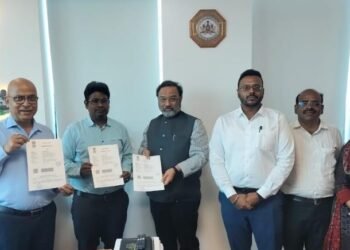
    Bengaluru, a city once renowned for its abundant lakes and natural water systems, is facing an escalating water crisis. Rapid urbanisation, erratic rainfall patterns, and over-extraction of groundwater have pushed the region into a precarious situation. Addressing this urgent challenge, a transformative partnership was forged on the 20th of March between the Rural Development & Panchayat Raj Department (Govt. of Karnataka), ITC Ltd., and The Art of Living Social Projects to rejuvenate the South Pennar River Basin.


    The MoU is set to bring sustainable water conservation and recharge solutions to Bengaluru Urban, Bengaluru Rural, Kolar, and Chikkaballapur. By combining scientific interventions, community participation, and government support, this project aims to revive depleting groundwater levels, enhance water availability, and create long-term rural livelihoods.


    A Multi-Pronged Approach to Water Security

    • Replenishing Groundwater

    One of the core objectives of this initiative is to construct water conservation and recharge structures that capture rainwater and direct it back into the earth. This will restore aquifers, reduce dependence on external water sources, and mitigate the impact of droughts.

    • Scientific Water Management: Managed Aquifer Recharge (MAR)

    Through the Managed Aquifer Recharge (MAR) technique, this project will scientifically enhance groundwater availability. MAR involves systematically directing surface water into underground reservoirs, ensuring that rainwater is stored efficiently and remains accessible even during dry months.

    • Empowering Rural Communities

    Sustainable water management goes hand in hand with economic upliftment. Under this initiative, employment opportunities will be created through MGNREGA (Mahatma Gandhi National Rural Employment Guarantee Act), enabling rural communities to earn livelihoods while actively participating in environmental restoration.

    • Community-Led, Sustainable Impact


    Water conservation is most effective when communities take ownership. This project will focus on capacity building, training local stakeholders, and involving villagers in long-term water stewardship. By encouraging awareness and participation, this initiative ensures that its impact extends far beyond infrastructure – creating a culture of water conservation for generations to come.


    A Model for Sustainable Water Management

    This collaboration between government leadership, corporate responsibility, and water conservation expertise serves as a model for large-scale water conservation efforts. By integrating policy support, scientific advancements, and community-driven action, the South Pennar River Basin rejuvenation is set to secure water for the community while creating a ripple effect of environmental and socio-economic benefits. This initiative holds the potential to inspire more such partnerships across India, ensuring that water – one of our most precious resources – is safeguarded for future generations.


    About The Art of Living Social Projects

    The Art of Living, a global non-profit organisation dedicated to peace, well-being, and humanitarian service founded in 1981 by the world-renowned humanitarian and spiritual leader Gurudev Sri Sri Ravi Shankar, collaborates with various organisations and the Government of India to combat water scarcity through numerous water conservation projects.

  • Holi Celebrations Amidst Bengaluru’s Water Crisis

    Holi Celebrations Amidst Bengaluru’s Water Crisis

    Amidst the ongoing water crisis in Bengaluru, several hotels and resorts in the city have chosen to host rain dance events and pool parties to celebrate the festival of Holi. This decision has sparked controversy as residents of Bengaluru continue to struggle for access to drinking water.


    Despite the scarcity of water plaguing the city, many hotels have begun selling tickets for pool parties scheduled to take place from March 22 onwards. Hotel Leroy, for instance, is advertising the “biggest pool rooftop open-air Holi party 2024,” claiming it to be the largest and longest Holi celebration in Bangalore. Similarly, Lago Palms resort is hosting an “Open Air-Pool Holi Festival,” while Meenakshi Resorts is promoting a “pool rain dance festival” with tickets priced at ₹99. The Jayamahal Palace Hotel is also offering rain dance, Punjabi dhol, unlimited colors, and a Holi party until sunset.


    Meanwhile, the festival of Holi is set to be celebrated across India on March 25. However, the festive atmosphere contrasts sharply with the grim reality faced by many Bengaluru residents as they grapple with the water scarcity crisis.


    Reports from news agency ANI highlight the ongoing struggle for drinking water in Bengaluru, with residents forced to queue up outside RO water plants in the hopes of securing essential water supply. Many residents have expressed frustration over the untimely supply of water and the inadequacy of available resources.


    Shabbir, a local resident, lamented the insufficient water supply, stating that they often need to make multiple visits to check for water availability. With the onset of summer, the situation has worsened, compounded by the delayed arrival of rains and depleted water levels in the Kaveri River.


    Despite these challenges, Karnataka Deputy Chief Minister DK Shivakumar has downplayed the severity of the water crisis in Bengaluru. He asserted that there is no shortage of water in the city and claimed that alternative arrangements have been made for the approximately 7,000 dried borewells. Additionally, Shivakumar assured residents that the government has taken control of water tankers and identified alternative water sources to address the situation.


    The discrepancy between the festive celebrations and the harsh reality of water scarcity underscores the urgent need for sustainable water management practices in Bengaluru. While residents continue to grapple with daily challenges to access potable water, the government’s assurances must be met with concrete actions to alleviate the ongoing crisis and ensure equitable distribution of water resources. As the city navigates through these challenges, collective efforts are essential to address the root causes of water scarcity and secure a sustainable future for all residents of Bengaluru.

  • Anand Mahindra Advocates AC Water Harvesting

    Anand Mahindra Advocates AC Water Harvesting

    The water crisis in Bengaluru has become a pressing issue that requires immediate attention and innovative solutions. Anand Mahindra’s endorsement of AC water harvesting presents a simple yet effective approach to mitigate the impact of water scarcity, especially in urban areas where air conditioners are prevalent.


    In the video shared by Mahindra, the concept of harvesting water from AC units’ condensate drain is demonstrated. This method capitalizes on the fact that air conditioners produce condensate water as a byproduct of the cooling process, which is typically discarded as waste. By redirecting this water into collection tanks, households and businesses can harness a valuable water resource that would otherwise go unused.


    Mahindra’s call for the widespread adoption of AC water harvesting equipment across India highlights the importance of maximizing water efficiency and conservation efforts. In a country where water scarcity is a growing concern, every opportunity to conserve and utilize water resources should be explored and implemented.


    The endorsement of such innovative solutions by prominent figures like Anand Mahindra is crucial in raising awareness and encouraging widespread adoption. By promoting simple and practical methods like AC water harvesting, individuals and communities can contribute to water conservation efforts and alleviate the burden on traditional water sources.


    However, the endorsement of innovative solutions alone is not sufficient to address the underlying issues contributing to Bengaluru’s water crisis. The denial of the water crisis by Karnataka Deputy Chief Minister DK Shivakumar underscores the disconnect between official statements and the ground realities faced by residents.


    While alternative arrangements may have been made for some areas, the pervasive water scarcity experienced by residents in various parts of Bengaluru cannot be overlooked or dismissed. The reliance on private water tankers at exorbitant rates highlights the inadequacy of current water management strategies and the urgent need for comprehensive and sustainable solutions.


    Efforts to address Bengaluru’s water crisis must prioritize long-term solutions that focus on water conservation, infrastructure development, and sustainable management practices. This includes investments in rainwater harvesting, wastewater recycling, groundwater recharge, and the promotion of water-efficient technologies.


    Additionally, there is a need for greater transparency and accountability in water governance to ensure equitable distribution and access to water resources. Public participation and engagement are also essential to foster a culture of water stewardship and collective action towards building a resilient and water-secure future for Bengaluru and beyond.


    While innovative solutions like AC water harvesting offer promising opportunities to alleviate water scarcity, they must be part of a broader strategy that addresses the underlying causes of the crisis. By working together and embracing sustainable practices, we can safeguard our water resources and ensure a better quality of life for current and future generations.

  • Karnataka Deputy CM Denies Bengaluru Water Crisis

    Karnataka Deputy CM Denies Bengaluru Water Crisis

    Karnataka Deputy CM DK Shivakumar’s denial of a water crisis in Bengaluru stands in stark contrast to the daily struggles faced by residents grappling with acute water shortages. Despite Shivakumar’s assurances, numerous reports from various parts of the city paint a picture of escalating water scarcity, causing significant inconvenience and distress to the populace.


    Residents of Bengaluru, particularly those residing in areas like Whitefield, KR Puram, Electronic City, RR Nagar, Kengeri, and CV Raman Nagar, have been enduring severe water scarcity for weeks. The situation has become increasingly dire, with residents reporting symptoms of a looming crisis, including headaches and stomach aches, followed by vomiting.


    In response to these concerns, Deputy CM DK Shivakumar, who also oversees Bengaluru’s development, asserted that there is no water crisis in the city. He downplayed the severity of the situation by stating that only around 7,000 borewells had dried up and that alternative arrangements had been made. However, his reassurances seem at odds with the lived experiences of Bengaluru’s residents, who continue to grapple with water scarcity on a daily basis.


    Deputy CM Shivakumar’s remarks come amid political wrangling, with the Congress leader BK Hariprasad echoing similar sentiments, dismissing claims of a water crisis and accusing the Bharatiya Janata Party (BJP) of playing political games. Shivakumar also refuted allegations that the Congress government was surreptitiously releasing Cauvery river water to Tamil Nadu, attributing such accusations to political maneuvering by the BJP.


    The water scarcity in Bengaluru has prompted residents to adopt various coping mechanisms, ranging from exploring work-from-home options to resorting to alternate-day bathing routines. Even residents in high-rise apartments equipped with water harvesting facilities are relying on water tankers for their daily needs. Additionally, eateries in the city are contemplating the use of disposable cups and plates to mitigate water usage.


    Acknowledging the severity of the situation, the Karnataka government has initiated several measures to address the water crisis. Civic authorities have undertaken efforts to replenish groundwater sources by filling drying lakes with treated water. The Bangalore Water Supply and Sewerage Board (BWSSB) plans to install filter borewells and construct water plants near restored lake beds to provide water after rigorous testing.


    Despite these efforts, the water crisis in Bengaluru remains a pressing concern, with residents continuing to face significant hardships. The discrepancy between official assurances and ground realities underscores the need for proactive and sustainable solutions to address the city’s water woes. Additionally, political bickering only serves to distract from the urgent need for collaborative action to ensure access to clean and adequate water for all residents of Bengaluru.

  • Karnataka Congress Leader Downplays Bengaluru Water Crisis

    Karnataka Congress Leader Downplays Bengaluru Water Crisis

    Amid the ongoing water scarcity issue plaguing Bengaluru, the capital city of Karnataka, there has been a significant debate regarding the severity of the crisis and the appropriate response from political leaders. Karnataka Congress leader MLC BK Hariprasad recently made statements downplaying the seriousness of the water shortage, sparking controversy and raising questions about the state’s readiness to address this pressing issue.


    On March 13, Congress leader BK Hariprasad claimed that there was no serious crisis regarding water scarcity in Bengaluru. He accused the Bharatiya Janata Party (BJP) of attempting to politicize the water situation for their own gains. In a statement shared on social media platform X, Hariprasad stated, “During summers, always we have problems for two months because of the kind of expansion that has taken place that is huge. There is no serious crisis of water, we have borewells, tankers…they (BJP) are trying to play politics out of water, they are speaking about releasing water to Tamil Nadu but that is not our job, Central Water Commission takes that decision…” This statement reflects a perception that the BJP is using the water issue as a political tool rather than addressing the root causes of the problem.


    However, these assertions by Hariprasad have been met with skepticism and criticism from various quarters. Many residents of Bengaluru have expressed their concerns about the worsening water situation in the city. Reports have emerged of people calling for a shift to online work or work-from-home arrangements until the monsoon season arrives.


    Sanjeev, a Bengaluru resident, remarked, “Usually the water crisis used to get solved easily but this time as we can see in the news, this is the time I am hearing about water crisis this much…if we get work from home option, that will be helpful.” Another resident, Anuj, echoed similar sentiments, stating, “We have an acute water shortage right now in Bengaluru and it is very difficult to survive and do our day-to-day chores. I believe that working from home is something that should be implemented for all employees.”


    The severity of the water crisis in Bengaluru has prompted both residents and authorities to take proactive measures. From March to May, Bengaluru typically requires about 8,000 million cubic feet (TMC) of water. However, the current water levels in reservoirs stand at only 34 TMC, highlighting the urgent need for conservation and alternative water sources. To address this challenge, residents have been adopting various water-saving practices, such as using recycled water for washing and cleaning and reducing water usage for non-essential activities.


    In addition to individual efforts, the Karnataka government and the Bangalore Water Supply and Sewerage Board (BWSSB) have implemented several measures to mitigate the water scarcity issue. These measures include banning the use of drinking water in swimming pools, extending registration deadlines for private water tanker owners to increase water supply, and fixing rates for water tankers to prevent exploitation by water mafia. Furthermore, BWSSB has initiated projects to install filter borewells and construct water plants to augment water supply in the city.


    Despite these efforts, challenges remain in effectively managing the water crisis in Bengaluru downplayed by Congress leader. The city’s rapid urbanization and population growth have placed immense strain on existing water resources, exacerbating the problem of water scarcity. Climate change and unpredictable rainfall patterns further compound this issue, making it imperative for authorities to adopt sustainable water management practices and invest in long-term solutions.


    The water scarcity issue in Bengaluru continues to pose significant challenges for residents and policymakers alike. While political leaders engage in debates and accusations, it is essential to prioritize collaborative efforts and pragmatic solutions to address the root causes of the crisis. By promoting water conservation, enhancing infrastructure, and fostering community participation, Bengaluru can work towards ensuring a sustainable and secure water supply for its citizens in the years to come.

  • Water Crisis: Advocating for Remote Work and Education

    Water Crisis: Advocating for Remote Work and Education

    As the water crisis in Bengaluru worsens, the call for adopting an online work and education model similar to the one during the Covid-19 pandemic has gained momentum. Residents of Silicon Valley, as Bengaluru is often referred to, are urging for a switch to remote work and virtual learning until the arrival of the monsoon. With the city already grappling with water scarcity and soaring temperatures, residents believe that implementing remote work and online education can help conserve water and alleviate pressure on both employees and students.


    Karnataka Chief Minister Siddaramaiah has been inundated with requests on social media platforms to make work from home mandatory for IT companies in the Silicon Valley and to allow schools to continue operating online. Residents and various citizen groups argue that if the online work model was successful during the Covid-19 pandemic, it can certainly be effective during the ongoing water crisis.


    Weather enthusiasts in Bengaluru, expressing concern over the scorching hot days and severe water shortage, have urged the government to consider the work from home option until the monsoon arrives. They emphasize that such a mandate would enable many residents to return to their native towns, thereby reducing the demand for water in the city.


    Citizens’ Agenda for Bengaluru highlights the potential benefits of online classes and remote work by stating that allowing students and employees to work from home could lead to a significant population shift away from the city, thus alleviating the pressure on water resources.


    Acknowledging the urgency of the situation, citizens like Amit Chaudhury advocate for government intervention to promote work from home for companies capable of adopting this approach. This, they argue, would help lighten the burden on the city while allowing individuals to relocate to their hometowns temporarily.


    Namma Whitefield, a federation of residents and resident welfare associations, urges the Karnataka government to mandate work from home, especially for the IT sector. They emphasize that this measure would facilitate the return of employees to their hometowns, thereby easing the strain on Bengaluru’s resources.


    The water crisis in Karnataka, exacerbated by poor rainfall in the previous year, has been attributed to the El Nino effect by the Indian Meteorology Department. As summer sets in earlier than usual, both rural villages and urban wards, including those in Bengaluru, are vulnerable to drinking water shortages.


    To address the dire situation, civic authorities have initiated measures such as filling drying lakes with treated water to replenish groundwater sources. However, the scarcity of water remains a pressing issue, particularly as the Krishnaraja Sagar Dam, a vital water source for Bengaluru, faces inadequate water levels due to the onset of summer.


    The adoption of an online work and education model is being advocated as a crucial step to mitigate the impact of the water crisis in Bengaluru. With residents and citizen groups calling for government intervention, the emphasis is on conserving water and reducing the strain on the city’s resources until the arrival of the monsoon.