Tag: accountability

  • EC Publishes Electoral Bonds Data in Compliance

    EC Publishes Electoral Bonds Data in Compliance

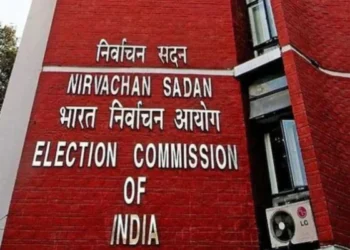
    The Election Commission of India (ECI) took a significant step towards transparency in electoral funding by uploading electoral bonds data on its website, in compliance with the orders of the Supreme Court of India. The State Bank of India (SBI), the designated bank for issuing electoral bonds, provided the data to the election body, which was subsequently made available to the public.


    The decision to publish the electoral bonds data aligns with the ECI’s commitment to transparency and disclosure in the electoral process. The move comes in response to the Supreme Court’s directives issued in the matter of Writ Petition (Civil) No. 880 of 2017. In its statement, the ECI underscored its unwavering support for transparency, emphasizing its consistent stance on the issue throughout the legal proceedings.


    By making the electoral bonds data accessible on its website, the ECI has taken a significant step towards enhancing transparency in electoral funding in compliance with SC. The data provided by the SBI is now available to the public on the ECI’s website, allowing citizens to scrutinize the flow of funds to political parties through electoral bonds.


    The transparency initiative is crucial for promoting accountability and fostering public trust in the electoral process. With access to information about electoral bonds, citizens can better understand the sources of funding for political parties and assess their financial transactions. This transparency not only strengthens democratic principles but also helps prevent the misuse of funds and curb corruption in politics.


    The publication of electoral bonds data marks a significant milestone in India’s journey towards electoral transparency. It reflects the ECI’s commitment to upholding the integrity of the electoral process and ensuring that political parties operate in a transparent manner. By providing citizens with access to crucial information about electoral funding, the ECI empowers them to hold political parties accountable and participate more actively in the democratic process.


    The availability of electoral bonds data on the ECI’s website serves as a valuable resource for researchers, journalists, civil society organizations, and the general public. It allows stakeholders to analyze trends in political financing, track the flow of funds to different political parties, and identify any potential irregularities or discrepancies. This information enables informed public discourse on electoral funding and contributes to greater transparency and accountability in the political sphere.


    Moreover, the publication of electoral bonds data is a significant step towards fulfilling the objectives of electoral reforms. It aligns with the recommendations of various expert committees and civil society organizations advocating for greater transparency in electoral funding. By proactively disclosing information about electoral bonds as per compliance with SC, the ECI sets a precedent for other aspects of electoral finance regulation and strengthens the framework for democratic governance.


    As India continues to strengthen its electoral system and democratic institutions, initiatives like the publication of electoral bonds data play a crucial role in promoting transparency, accountability, and integrity in the political process. The ECI’s commitment to disclosure and transparency sets a positive example for other electoral management bodies around the world and reinforces India’s position as a vibrant democracy committed to upholding democratic values and principles.

  • Rapido Hostage Incident: User tweeted

    Rapido Hostage Incident: User tweeted

    The recent incident involving a Rapido auto-rickshaw driver allegedly holding a passenger hostage has sparked concerns regarding safety measures and accountability within ride-hailing services in Bengaluru. The incident, shared by a social media user named Omang Agarwal, sheds light on the challenges faced by passengers, especially those with vulnerabilities such as health issues or disabilities, when using such services.


    According to Agarwal’s account, he was allegedly held hostage by a Rapido auto-rickshaw driver for hours due to an issue with the UPI payment. Agarwal, who claimed to have a breathing issue and a broken leg, expressed his inability to escape from the situation. The absence of an SOS feature in the Rapido app after the ride had ended further exacerbated the ordeal. Agarwal reported that he was only able to escape after dialing emergency services through the helpline number 100.


    The gravity of the situation is underscored by the fact that Agarwal, with pre-existing health conditions and limited mobility, felt helpless and vulnerable in the face of a potential threat to his safety and well-being. The lack of a robust safety mechanism within the ride-hailing service, especially for emergencies or distress situations, raises questions about the accountability of such platforms in ensuring the security of their passengers.


    Agarwal’s experience highlights the need for ride-hailing companies like Rapido to prioritize passenger safety and implement effective measures to address emergency situations promptly. The absence of a dedicated SOS feature or real-time monitoring system within the app can leave passengers like Agarwal at the mercy of unforeseen circumstances, exposing them to risks such as harassment, assault, or even abduction.


    In response to the incident, Agarwal reached out to Rapido’s support agent for assistance, as evidenced by the screenshots of his conversation with the automated support system. The urgency and desperation conveyed in his messages reflect the severity of the situation and the need for immediate intervention to ensure his safety and well-being.


    Agarwal’s ordeal is not an isolated incident, as similar instances of safety concerns and misconduct involving Rapido drivers have been reported in the past. In July 2023, a Rapido bike driver was arrested by the Bengaluru Police following allegations of sexual harassment made by a woman rider. Such incidents underscore the importance of stringent safety protocols and accountability measures within ride-hailing services to prevent misconduct and ensure passenger security.


    The lack of adequate safety measures within ride-hailing platforms not only poses risks to passengers but also tarnishes the reputation and credibility of these companies. In an era where convenience and accessibility are paramount, passengers must have confidence in the safety and reliability of the services they use. Any lapse in security measures can erode trust and deter passengers from utilizing these platforms, ultimately impacting their viability and sustainability in the long run.


    To address the systemic issues highlighted by Agarwal’s experience and similar incidents, ride-hailing companies like Rapido must take proactive steps to enhance passenger safety. This includes the implementation of robust safety features such as real-time tracking, emergency SOS buttons, and driver background checks to mitigate risks and ensure prompt response to emergencies.


    Moreover, companies should invest in driver training programs to educate and empower drivers to handle emergency situations professionally and responsibly. Regular audits and monitoring of driver conduct can also help identify and address any instances of misconduct or negligence promptly.


    The hostage incident involving Omang Agarwal serves as a wake-up call for ride-hailing companies like Rapido to prioritize passenger safety and implement stringent measures to address emergency situations effectively. By taking proactive steps to enhance safety protocols and accountability mechanisms, these companies can instill confidence among passengers and foster a culture of trust and reliability in their services.

  • Indian Student’s Death: Seattle Officer Faces No Charges

    Indian Student’s Death: Seattle Officer Faces No Charges

    The tragic incident involving the death of Indian student Jaahnavi Kandula, who was struck and killed by Seattle police officer Kevin Dave while responding to an overdose call, has sparked outrage and controversy. Despite the severity of the incident, authorities have announced that Officer Dave will not face criminal charges due to a lack of “sufficient” evidence, as reported by news agency PTI.


    On January 23, 2023, Jaahnavi Kandula, 23, lost her life when Officer Kevin Dave, driving at a speed of 74 mph (119 kmh) on his way to an overdose call, struck her in a crosswalk. The impact was devastating, with Kandula being thrown 100 feet upon being hit by the speeding police patrol vehicle.


    The decision not to pursue criminal charges against Officer Dave was made by the King County Prosecutor’s Office, citing insufficient evidence to prove a criminal case beyond a reasonable doubt. In a statement released by the King County Prosecuting Attorney, Leesa Manion expressed the heartbreaking nature of Kandula’s death and acknowledged its profound impact on communities in King County and beyond. Despite the tragedy, the prosecutor emphasized the need to adhere to the legal standard of proof in criminal cases.


    However, the handling of the case has been marred by controversy, particularly regarding comments made by Officer Daniel Auderer, who was assigned to evaluate whether Officer Dave was impaired at the time of the collision. In bodycam footage released by the Seattle Police Department, Auderer was heard making insensitive remarks about the deadly crash, sparking outrage and eroding public trust in law enforcement.


    In response to Auderer’s comments, which were described as “appalling and deeply troubling” by Prosecutor Leesa Manion, disciplinary actions have been initiated against him. Auderer has been reassigned to a “non-operational position” pending further investigation, with the possibility of facing suspension or termination depending on the outcome of his disciplinary hearing.


    The investigation into the collision determined that the primary cause was the excessive speed at which Officer Dave was traveling, which did not allow sufficient time to detect and avoid the hazard presented by Kandula in the crosswalk. While Officer Dave was responding to a “priority one” call from the Seattle Fire Department, questions remain regarding the activation of his siren and emergency lights, as well as the absence of continuous activation.


    Jaahnavi Kandula, a promising student pursuing her master’s degree at Northeastern University in Seattle, had come to the United States from Bengaluru in 2021 as part of a student exchange program. Her untimely death has cast a spotlight on the need for accountability and reform within law enforcement agencies to prevent similar tragedies from occurring in the future.


    As the investigation continues and disciplinary actions are pursued against Officer Auderer, the memory of Jaahnavi Kandula serves as a poignant reminder of the importance of upholding safety standards and ensuring justice for victims of such incidents.

  • Supreme Court Strikes Down Electoral Bonds Scheme

    Supreme Court Strikes Down Electoral Bonds Scheme

    The Supreme Court’s recent decision to strike down the electoral bonds scheme marks a significant development in India’s electoral landscape, with far-reaching implications for political funding and transparency. The ruling, delivered by a constitutional bench comprising Chief Justice DY Chandrachud and other justices, underscores the court’s commitment to upholding democratic principles and protecting citizens’ rights.


    The electoral bonds scheme, introduced in the 2017 Union Budget by then-Finance Minister Arun Jaitley, was intended to reform political funding by providing a transparent and legitimate mechanism for donations to political parties. However, since its inception, the scheme has been subject to scrutiny and criticism, particularly regarding its lack of transparency and potential for misuse.


    The court’s decision to strike down the electoral bonds scheme stems from its finding that several associated amendments to key laws, including the Representation of the People Act, Income Tax Act, and Companies Act, are unconstitutional. The court held that these amendments violated citizens’ right to information under Article 19(1)(a) of the Constitution, as they enabled anonymous contributions to political parties, thereby undermining transparency and accountability in the electoral process.


    One of the key provisions challenged in the electoral bonds scheme was the anonymity of donors, which critics argued facilitated unchecked corporate influence in politics and opened the door to quid pro quo arrangements. The court concurred with these concerns, noting that the scheme failed to address the risk of corruption and undue influence posed by anonymous donations.


    Furthermore, the court found that the government’s assertion that electoral bonds were necessary to tackle black money in politics was not justified. While the government argued that electoral bonds would help curb illicit cash donations to political parties, the court emphasized that there are other effective mechanisms available for curbing black money, and that the goal of combating corruption did not justify infringing on citizens’ right to information.


    In its unanimous decision, the court directed the State Bank of India, the sole issuer of electoral bonds, to cease issuing bonds and submit details of all bonds purchased since April 12, 2019, to the Election Commission of India (ECI). This directive aims to ensure transparency and accountability by providing the ECI with information on the purchasers of electoral bonds, including the date of purchase, name of the purchaser, and denomination of the bond.


    Moreover, the court ordered that electoral bonds within the validity period but not yet encashed by political parties must be returned to the purchaser, with the issuing bank refunding the amount. This measure seeks to prevent political parties from benefiting from anonymous donations and reinforces the principle of transparency in political funding.


    The court’s ruling is expected to have significant implications for political parties, particularly with general elections on the horizon. It underscores the importance of transparency and accountability in political funding and sends a clear message that the rights of citizens cannot be compromised in the pursuit of electoral reforms.


    In response to the court’s decision, legal experts have noted that while there are no direct legal consequences for political parties regarding previously encashed electoral bonds, valid bonds that have not been encashed must be promptly returned. Additionally, the ruling does not bar political funding altogether but rather eliminates anonymity under the electoral bond scheme, allowing for greater transparency and accountability.


    Looking ahead, the government may explore legal avenues for redressal, such as review or curative petitions, or consider introducing new legislation that aligns with the principles outlined in the court’s decision. However, it is essential that any future reforms prioritize transparency and uphold the integrity of India’s electoral process.


    Overall, the Supreme Court’s decision to strike down the electoral bonds scheme represents a significant victory for democracy and underscores the importance of protecting citizens’ rights in the electoral process. By upholding transparency and accountability, the court has taken a crucial step towards strengthening India’s democratic institutions and safeguarding the integrity of its electoral system.

  • Municipal Corporation of Delhi Launches ‘MCD 311’ App

    Municipal Corporation of Delhi Launches ‘MCD 311’ App

    The Municipal Corporation of Delhi (MCD) has taken a significant step toward empowering its residents by launching the ‘MCD 311’ mobile application. This app offers a user-friendly platform for citizens to actively participate in the maintenance of their city by lodging complaints related to various civil issues. The inauguration of the ‘MCD 311’ app was carried out by Lt Governor Anil Baijal at Raj Niwas.


    The ‘MCD 311’ app has been designed to make it easy for citizens to register their grievances concerning matters such as the illegal dumping of construction debris, improper disposal of municipal solid waste, road potholes, malfunctioning streetlights, and the presence of stray cattle. By providing a digital channel for reporting problems, the app aims to streamline the process, enhance transparency, and expedite resolution.


    A key feature of the ‘MCD 311’ app is the close monitoring of complaints by a consortium of agencies. This consortium includes the Central Agency for Quality Management (CAQM), the Department of Environment (GNCTD), and senior officials within the MCD. Their involvement ensures that complaints are attended to promptly and effectively.


    Comprehensive directives have been issued by the civic body for addressing complaints through the ‘MCD 311’ app. Once a complaint is resolved, officials are required to upload photographs of the site directly onto the app. This practice enhances transparency and accountability in the resolution process.


    The ‘MCD 311’ app also assigns a crucial role to Deputy Commissioners in different zones of Delhi. These officials are tasked with the daily monitoring of complaints received through the app. They are committed to ensuring the prompt resolution of these complaints within a strict deadline of 24 hours. This proactive approach not only expedites the resolution process but also instills confidence among citizens in the effectiveness of their grievances being addressed.


    With the launch of the ‘MCD 311’ app, Delhi is embracing a new era of citizen-centric governance. This initiative places the power to effect change directly in the hands of its residents, fostering a stronger bond between the government and the people it serves. As the app gains traction, it is anticipated to usher in an era of responsive and accountable municipal services, ultimately contributing to the overall improvement of the city’s infrastructure and well-being of its citizens.

  • Bjornar Moxnes Resigns After Shoplifting Incident

    Bjornar Moxnes Resigns After Shoplifting Incident

    The shoplifting incident involving Bjornar Moxnes, the leader of a left-wing party in Norway, has caused a significant stir in the country’s political landscape. The incident took place on June 16 at a duty-free store in Oslo, where CCTV cameras captured him stealing two pairs of Hugo Boss sunglasses.


    The footage shows Bjornar Moxnes trying on the sunglasses and seeking his girlfriend’s opinion on the styles. However, within seconds, he discretely places the sunglasses in his pocket and exits the store without making any attempt to pay for them. Subsequently, on June 30, the police charged him with theft, stating that his actions were aimed at obtaining an unjustified gain for himself or others. He was subsequently fined 3,000 kroner (approximately ₹24,000) for stealing the sunglasses, which were valued at 1,199 kroner (nearly ₹10,000).


    As news of the shoplifting incident went viral, Moxnes found himself facing immense public scrutiny and criticism. In response to the growing pressure, he took sick leave at the beginning of July, hoping to manage the fallout of the incident. However, the matter continued to gain attention, and on July 24, Moxnes decided to confront the issue head-on and admitted to the theft in a candid Facebook post.


    In his post, he expressed deep regret for his actions and acknowledged the grave mistake he had made. He took responsibility for his behavior and stressed the importance of accountability for individuals in positions of power. Recognizing the significance of trust placed in political leaders by the public, he emphasized that they should be held to high standards and be open to scrutiny.


    Following his admission, Moxnes tendered his resignation as the leader of Norway’s Red Party, a position he had held for an impressive 11 years. During his tenure as leader, the party achieved notable success, winning seven seats in Norway’s parliament during the 2021 elections.


    The shoplifting incident involving Moxnes has not only attracted attention within Norway but has also drawn interest from international media outlets. As a prominent figure in the country’s political landscape, his actions have raised questions about the conduct and integrity of public officials. The incident serves as a reminder of the importance of ethical conduct and transparency in politics and highlights the need for public figures to be held accountable for their actions.

  • Netra Jyothi College Distressing Incident

    Netra Jyothi College Distressing Incident

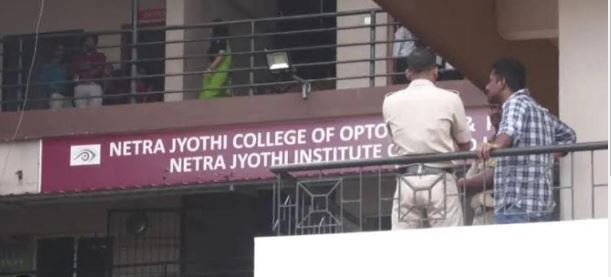
    The incident that unfolded at Netra Jyothi College in Udupi, Karnataka, has drawn attention and concern from all quarters. Three female students, pursuing optometry, found themselves facing suspension after they were allegedly caught filming a fellow student in the restroom. The distressing incident came to light when the victim bravely confided in her friends about the unauthorized filming carried out by the three students named Shabhnaz, Alfiya, and Aleema.


    Promptly responding to the grave matter, the college management took swift action and suspended the students involved in the incident without hesitation. Their commitment to addressing the issue immediately speaks to the institution’s dedication to the safety and well-being of its students.


    In their defense, the three suspended students claimed that their intended targets were other girls, and the victim was filmed accidentally. Supposedly, they deleted the video in front of the victim, attempting to rectify their wrongful actions. However, the victim’s friends took it upon themselves to inform the college management, leading to the filing of an FIR against the accused at the Malpe police station in Udupi.


    In an effort to aid the ongoing investigation, the college authorities responsibly handed over the mobile phones used for the recording to the police for forensic examination. Even though the victim initially hesitated to file a police complaint, the college stepped up and ensured that the authorities were informed about the incident, helping to establish a solid foundation for the legal process.


    Adding to the distress, a morphed version of the video was allegedly uploaded on a YouTube channel, posing a severe threat to the victim’s reputation and emotional well-being. Consequently, the Karnataka Police charged the college authorities with failing to provide the necessary details and evidence relating to the incident, prompting them to be more vigilant in securing sensitive information.


    The incident’s gravity has transcended into the political realm, with the BJP announcing a state-wide protest, demanding the arrest of the three Muslim students allegedly involved in filming a Hindu girl. However, it is essential to prioritize the victim’s well-being and ensure that justice is served through a fair and impartial investigation.


    The incident at Netra Jyothi College highlights the urgent need for educational institutions to place a robust focus on privacy and safety measures within their premises. It serves as a reminder to educational authorities across the country to take proactive steps in creating a secure environment for students. By fostering an atmosphere of respect, empathy, and stringent adherence to rules and regulations, institutions can instill a sense of confidence among students and ensure their protection. The incident acts as a call for collective action in safeguarding the dignity and security of students and upholding the values of inclusivity and respect within the educational landscape.