Tag: Uber

  • Noida Man Receives Rs. 7.66 Crore Uber Bill for ₹26 Auto Ride

    Noida Man Receives Rs. 7.66 Crore Uber Bill for ₹26 Auto Ride

    The peculiar incident of a man from Noida, Uttar Pradesh, receiving a mind-boggling Uber bill of ₹7.66 crore for a ₹26 auto ride has sparked widespread attention and humor on social media platforms. The viral video, shared by Ashish Mishra on Twitter, showcased the incredulous moment when Deepak, a regular Uber customer, discovered the astronomical fare on his app.


    In the video, Deepak can be heard confirming the exorbitant amount he received in the Uber bill, which stood at ₹7,66,83,762, excluding Goods and Services Tax (GST). The breakdown of the bill revealed that ₹1,67,74,647 was charged as the “Trip fare,” while an astonishing ₹5,99,09189 was attributed to the waiting time cost. Despite a nominal promotional discount of ₹75, the total fare remained staggering.


    The humorous reactions on social media further amplified the absurdity of the situation. Some users jokingly speculated if Deepak had traveled from Mars, given the astronomical fare, while others quipped that even a lunar mission wouldn’t incur such expenses. The irony of the situation was not lost on netizens, with comparisons drawn to the magnitude of financial scandals and corruption.


    Amidst the jest and disbelief, the underlying question remained: How did such an exorbitant fare come to be? While billing errors are not unheard of, the sheer magnitude of this discrepancy raised eyebrows and generated curiosity among online audiences. Despite the apparent incredulity, the incident prompted discussions on the reliability of digital payment systems and the need for vigilance while using online services.


    The incident also shed light on the role of technology in modern transportation and the reliance on ride-hailing platforms like Uber for everyday commuting. While these platforms offer convenience and accessibility, they are not immune to glitches or technical malfunctions, as evidenced by this incident. The viral video served as a reminder of the potential pitfalls of digital transactions and the importance of double-checking invoices and receipts for accuracy.


    Furthermore, the episode underscored the power of social media in amplifying and disseminating unusual occurrences. Within moments of Ashish Mishra sharing the video, it garnered widespread attention and became a trending topic on various platforms. The collective amusement and astonishment expressed by users reflected the internet’s ability to transform mundane incidents into viral sensations.


    As the video continued to circulate online, speculation arose regarding the authenticity of the fare and whether it was a genuine billing error or a staged prank. While some questioned the plausibility of such an exorbitant charge for a simple auto ride, others remained skeptical, citing previous instances of elaborate hoaxes and internet pranks.


    Despite the ambiguity surrounding the incident, it served as fodder for online banter and lighthearted amusement. Netizens shared memes, jokes, and witty remarks, turning a bizarre billing error into a source of entertainment. The incident also prompted discussions on the intricacies of digital transactions, billing discrepancies, and the need for enhanced consumer protection measures in the digital age.


    The viral saga of the ₹7.66 crore Uber bill for a ₹26 auto ride captured the imagination of online audiences and sparked a wave of humor and incredulity. While the authenticity of the incident remains uncertain, it highlighted the potential risks and pitfalls of digital transactions and the power of social media in shaping public discourse. As the internet continues to be a platform for sharing and consuming content, even the most bizarre incidents can become overnight sensations, uniting people in laughter and amusement.

  • Bengaluru Techie Describes ‘Bad Experience’ with Uber Driver

    Bengaluru Techie Describes ‘Bad Experience’ with Uber Driver

    On a Saturday evening in Bengaluru, a techie had an unpleasant experience with an Uber cab driver, prompting him to share his ordeal on social media. In a post on X (formerly Twitter), user @striver_79 recounted how he and his friend were left stranded in the middle of the road during a 1.5-hour journey after an altercation with the driver.


    According to the user’s account, the trouble began when they noticed that the cab driver was continuously talking on the phone on loudspeaker mode. After enduring the noise for 30 minutes, they politely requested the driver to use headphones or speak later. However, their request was met with verbal abuse, and the driver demanded that they exit the vehicle, citing discomfort with riding with them.


    Expressing his disappointment, the techie described it as his first bad experience in Bengaluru. The incident unfolded when they booked an Uber for a journey with an estimated duration of 1.5 hours. However, the driver’s behavior soured the experience, leading to their premature ejection from the cab.


    Promptly, other netizens chimed in, sharing their own encounters with Uber drivers. One user even managed to identify the driver based on the description provided by the original poster. The collective sentiment echoed the frustration of dealing with unprofessional behavior from cab drivers, ranging from incessant phone calls to the refusal to switch on the air conditioning.


    In response to the outcry, Uber India acknowledged the incident and assured the affected user that such behavior was unacceptable. They pledged to prioritize safety and requested the user to provide their registered Uber account contact details for further investigation by their safety team.


    The incident shed light on the challenges faced by passengers when using ride-sharing services like Uber. While these platforms offer convenience and affordability, instances of driver misconduct or negligence can mar the overall experience and compromise passenger safety.


    The techie’s experience highlighted the importance of addressing issues related to driver behavior and ensuring adherence to service standards. Customers expect a certain level of professionalism and courtesy from drivers, and incidents like these erode trust in the platform and can deter users from utilizing such services in the future.


    Moreover, the incident underscored the need for effective communication channels between passengers and service providers. Prompt and responsive customer support is essential for addressing grievances and resolving disputes in a timely manner. By offering a platform for users to voice their concerns and facilitating swift action, companies like Uber can enhance customer satisfaction and loyalty.


    Additionally, the incident sparked a broader conversation about the quality of service provided by ride-sharing companies. While these platforms have revolutionized transportation and made commuting more convenient, issues such as driver behavior, vehicle maintenance, and adherence to safety protocols remain areas of concern.


    In light of these challenges, there is a growing demand for stricter regulations and oversight to ensure the safety and well-being of passengers. Government authorities and regulatory bodies play a crucial role in enforcing standards and holding companies accountable for lapses in service delivery.


    Furthermore, incidents like these highlight the importance of empowering passengers with the knowledge and tools to protect themselves. Educating users about their rights, safety features within the app, and how to report incidents can empower them to navigate challenging situations effectively.


    Ultimately, the incident with techie serves as a reminder that while technology has transformed the way we travel, ensuring a safe and reliable experience requires collaboration between service providers, regulatory authorities, and passengers themselves. By addressing issues proactively and fostering a culture of accountability, companies like Uber can continue to improve the quality and safety of their services.

  • Anand Mahindra Praises Uber CEO Dara Khosrowshahi’s

    Anand Mahindra Praises Uber CEO Dara Khosrowshahi’s

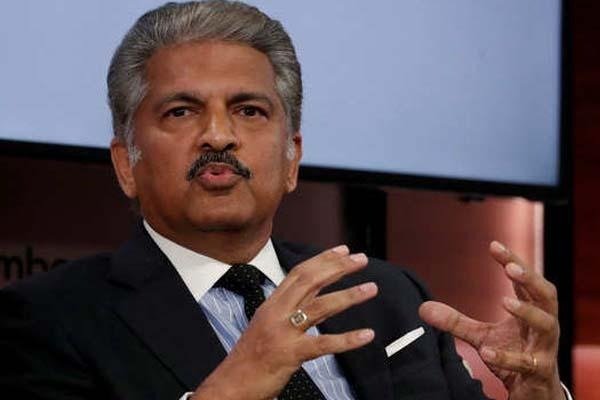
    The recent meeting between Mahindra Group Chairman Anand Mahindra and Uber CEO Dara Khosrowshahi has sparked discussions about leadership, corporate strategy, and the trajectory of Uber’s success. Mahindra’s praise for Khosrowshahi’s leadership, coupled with hints of potential collaborations between Uber and the Adani Group, reflects the dynamic landscape of business relationships and opportunities in India.


    Mahindra’s admiration for Khosrowshahi’s leadership journey began with skepticism but transformed into admiration as he witnessed Uber’s remarkable growth and profitability. Khosrowshahi’s tenure at Uber, which began shortly before their initial meeting at Davos, has been characterized by strategic decisions and a disciplined corporate culture that has propelled the company to solid profitability and a market capitalization of around $170 billion. Mahindra’s acknowledgment of Khosrowshahi’s Midas touch underscores the significance of effective leadership in driving organizational success, especially in challenging and rapidly evolving industries like ride-hailing.


    The potential collaborations between Uber and the Adani Group further highlight the opportunities for synergies between established conglomerates and innovative tech companies. Billionaire Gautam Adani’s meeting with Dara Khosrowshahi signals a mutual interest in exploring partnerships that leverage Uber’s technology and the Adani Group’s extensive reach and resources. Such collaborations have the potential to drive innovation, create value, and contribute to India’s growth story by addressing mobility needs and advancing digital commerce.


    Uber’s recent engagements in India, including discussions with key stakeholders and government officials, reflect its commitment to the Indian market and its efforts to leverage the country’s digital infrastructure for growth. The memorandum of understanding (MoU) signed between Uber and the Open Network for Digital Commerce (ONDC) underscores Uber’s strategic focus on expanding its mobility offerings and enhancing accessibility for Indian consumers. By collaborating with ONDC, Uber aims to provide reliable, safe, and affordable rides to a broader segment of the Indian population, contributing to inclusive growth and economic empowerment.


    Khosrowshahi’s discussions with prominent figures like Infosys Chairman Nandan Nilekani, Commerce Minister Piyush Goyal, External Affairs Minister S Jaishankar, and NITI Aayog Vice Chairman Suman Bery highlight the breadth and depth of Uber’s engagement with India’s business and government leaders. These interactions provide insights into Uber’s vision for India’s growth and its commitment to addressing societal challenges through innovative solutions. Topics ranging from sustainable mobility to economic empowerment underscore Uber’s multifaceted approach to creating value and driving positive change in India.


    Overall, the meeting between Anand Mahindra and Dara Khosrowshahi, along with Uber’s engagements with other stakeholders in India, reflect the collaborative spirit and entrepreneurial energy that define the country’s business landscape. As Uber continues to expand its presence and partnerships in India, it is poised to play a significant role in shaping the future of mobility and digital commerce in the country. The convergence of traditional business leaders like Mahindra and emerging tech disruptors like Uber signals a new era of collaboration and innovation that promises to drive sustainable growth and prosperity in India and beyond.