Tag: Transparency

  • Supreme Court’s Heated Exchange Over Electoral Bonds Case

    Supreme Court’s Heated Exchange Over Electoral Bonds Case

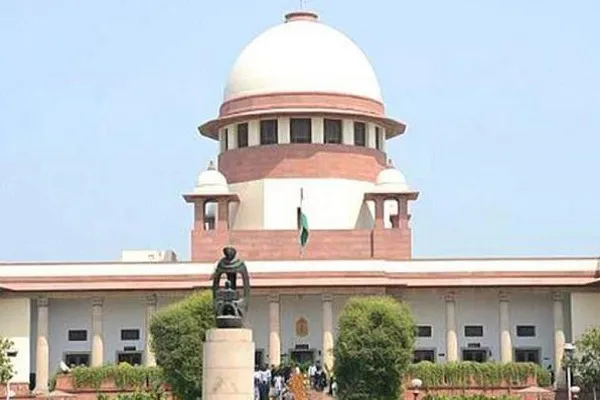
    The Supreme Court’s hearing on the electoral bonds case took a dramatic turn on Monday, as Chief Justice of India (CJI) DY Chandrachud engaged in a heated argument with Advocate Mathews Nedumpara. The case pertained to the disclosure of electoral bond numbers, with the court seeking a response from the State Bank of India (SBI) regarding the transparency of these transactions. The five-judge Constitution bench, comprising CJI Chandrachud and Justices Sanjiv Khanna, BR Gavai, JB Pardiwala, and Manoj Misra, presided over the proceedings.


    During the hearing, CJI Chandrachud admonished Supreme Court Bar Association (SCBA) President Advocate Adish Aggarwala for what he perceived as interference in the electoral bonds case. Aggarwala had reportedly sent a letter seeking a suo motu review of the Electoral Bonds judgment, which drew the ire of the Chief Justice. Additionally, Advocate Mathews Nedumpara argued that the electoral bonds case was not justiciable and constituted a policy matter beyond the court’s purview. Despite attempts by the judges to express their disagreement, Nedumpara continued to speak over them and raised his voice, leading to a tense atmosphere in the courtroom.


    In a video of the proceedings shared by Live Today, CJI DY Chandrachud can be heard reprimanding Nedumpara, instructing him not to shout and to follow proper procedures for filing applications. Despite the Chief Justice’s instructions, Nedumpara persisted, prompting Justice BR Gavai to intervene, accusing him of obstructing the administration of justice.


    Meanwhile, CJI Chandrachud addressed Adish Aggarwala directly, cautioning him against making further appeals before the bench. The Chief Justice dismissed Aggarwala’s attempts to mention his letter, stating that such actions were publicity-related and not conducive to the proceedings.


    The electoral bonds case has been a subject of contention since the Supreme Court’s decision to scrap the Electoral Bond Scheme on February 15. The court also directed the SBI and the Election Commission of India (ECI) to disclose details of donors and political parties that received funding through electoral bonds. Introduced in 2017, the scheme allowed individuals to make anonymous donations to political parties of their choice, raising concerns about transparency and accountability in political financing.


    In response to the court’s directives, the SBI was instructed to provide complete disclosure of all details related to electoral bonds, including alpha-numeric unique numbers and serial numbers. The court emphasized that the SBI should not selectively disclose information and must comply with its orders in full. Chief Justice Chandrachud stressed the importance of transparency in electoral funding and called on the SBI to act candidly and fairly in disclosing all relevant details.


    The Supreme Court’s ruling also addressed the issue of electoral bond numbers, emphasizing the need for comprehensive disclosure. The court stated that there should be no doubt regarding the SBI’s obligation to disclose all relevant information, including alphanumeric codes assigned to each bond. This information would enable the correlation of electoral bond donors with recipient parties, enhancing transparency in political funding.


    Furthermore, the Supreme Court rejected the government’s claim that its verdict on electoral bonds was being misused and misinterpreted on social media. Chief Justice Chandrachud reaffirmed the court’s commitment to upholding the rule of law and emphasized that judges operate within the framework of the Constitution. The court reiterated its role in ensuring governance based on the rule of law and pledged to hold accountable those responsible for any violations.


    As part of its ruling, the Supreme Court set a deadline for the SBI chairman to submit an affidavit confirming full compliance with the court’s directives. Additionally, the Election Commission of India was instructed to upload details of electoral bond transactions promptly upon receiving the data from the SBI. These measures aimed to enhance transparency and accountability in political financing, addressing concerns about the influence of undisclosed donations on the electoral process.


    The Supreme Court’s hearing on the electoral bonds case underscored the importance of transparency and accountability in political funding. The heated exchanges between the bench and the advocates reflected the contentious nature of the issue and the stakes involved in ensuring fair and transparent elections. As the case progresses, the court’s rulings will shape the future of political financing in India, setting important precedents for electoral transparency and accountability.

  • Amit Shah Defends Electoral Bonds

    Amit Shah Defends Electoral Bonds

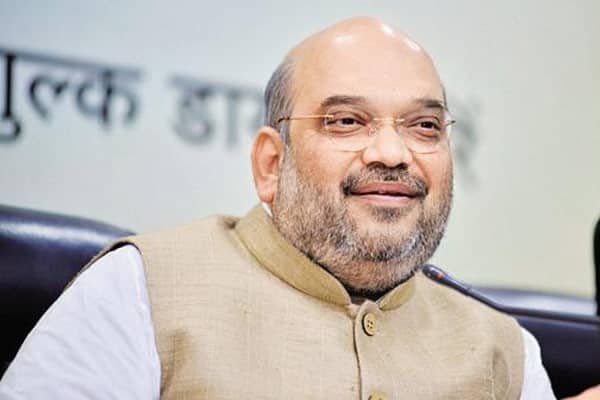
    Union Home Minister Amit Shah’s remarks at the India Today Conclave on Friday shed light on the contentious issue of electoral bonds, emphasizing the government’s stance on the matter. Shah began by acknowledging the Supreme Court’s order on electoral bonds and reiterated the government’s intention behind introducing the scheme, which was to curb the influence of black money in politics. While acknowledging the need for improvement in the electoral bonds system, Shah expressed his belief that scrapping the scheme entirely may not be the most effective solution.


    In his address, Shah highlighted the alleged malpractices prevalent in political funding, particularly the practice of opposition leaders accepting political donations in cash and diverting a significant portion of it for personal gain. He provided an example where a portion of the donation was deposited in the party’s name while the majority of it was pocketed by the individual. Shah specifically mentioned the Congress party’s alleged involvement in such practices over the years, indicating a systemic issue within the political landscape.


    Responding to allegations that the electoral bonds scheme disproportionately benefited the BJP, Shah provided figures to illustrate the distribution of electoral bonds among various political parties. He disclosed that the BJP received approximately ₹6,000 crore out of a total of ₹20,000 crore in electoral bonds. Shah questioned the allocation of the remaining bonds, pointing out that other parties, including the TMC, Congress, BRS, BJD, and DMK, received significant amounts despite having fewer MPs than the BJP. This information was intended to dispel accusations of favoritism towards the BJP in the distribution of electoral bonds.


    Shah’s remarks addressed the ongoing controversies surrounding the electoral bonds scheme, particularly the lack of transparency and the potential for misuse. Critics have raised concerns about the anonymity of donors and the possibility of corporations using the scheme to influence political parties without public scrutiny. The Congress party, in particular, has been vocal in its opposition to the electoral bonds system, alleging that it compromises transparency in political funding.


    The home minister’s speech underscored the government’s commitment to electoral reform while defending the electoral bonds scheme as a mechanism to address the issue of black money in politics. Despite the criticisms and controversies surrounding the scheme, Shah’s remarks sought to justify the government’s position and challenge the narrative of unfair advantage to the BJP. As the debate over electoral funding continues, Shah’s comments provide insights into the government’s perspective and its efforts to address the challenges in the electoral process.

  • EC Seeks Modification in Supreme Court Judgment

    EC Seeks Modification in Supreme Court Judgment

    The Election Commission of India (ECI) has taken a significant step toward enhancing transparency in political funding by seeking a modification of the Supreme Court judgment in the electoral bonds case. This move comes on the heels of the ECI uploading details of electoral bonds issued to political parties on its website, marking a pivotal moment in the ongoing debate over electoral finance reform in India.


    In its application to the Supreme Court, the ECI has requested the return of sealed cover documents previously furnished to the court. The poll body clarified that it had not retained any copies of these documents to maintain confidentiality. The ECI’s objective is to ensure the secure handling of sensitive information while complying with the court’s directives regarding electoral bonds.


    The Supreme Court’s scrutiny of the electoral bonds scheme stems from concerns about transparency and accountability in political funding. By directing the State Bank of India (SBI) to provide details of electoral bonds to the ECI, the court aims to shed light on the flow of funds to political parties through this mechanism. Additionally, the court instructed the ECI to disclose electoral bonds data by March 13, prompting the recent actions by the poll body.


    The ECI’s decision to upload electoral bonds data on its website signifies a significant step toward promoting transparency in political financing. This move aligns with the broader efforts to enhance accountability and integrity in the electoral process. By making this information publicly accessible, the ECI aims to foster greater awareness and scrutiny of political funding practices.


    However, the process has not been without its challenges. The ECI’s application for modification of the Supreme Court judgment underscores the complexities involved in handling sensitive financial data while ensuring compliance with legal requirements. The poll body’s request for the return of sealed documents reflects its commitment to upholding confidentiality standards while fulfilling its obligations to the court.


    The Supreme Court’s directives regarding electoral bonds have prompted a series of actions aimed at increasing transparency in political funding. The SBI’s submission of electoral bonds data to the ECI and subsequent publication on the ECI’s website represent significant milestones in this process. The availability of this information allows for greater scrutiny of political finance practices and holds political parties accountable for their funding sources.


    The electoral bonds scheme, introduced as a means of promoting transparency in political funding, has been a subject of debate since its inception. While proponents argue that it provides a mechanism for legitimate and transparent political donations, critics raise concerns about its potential for misuse and lack of transparency. The Supreme Court’s intervention in the matter reflects the judiciary’s commitment to upholding democratic principles and ensuring fairness in the electoral process.


    The ECI’s role in overseeing political finance is crucial in safeguarding the integrity of elections and promoting public trust in the electoral process. By seeking modifications to the Supreme Court judgment, the ECI demonstrates its commitment to fulfilling its mandate while navigating complex legal and procedural challenges. Ultimately, the goal is to ensure transparency, accountability, and fairness in political funding, thereby strengthening the foundations of democracy.


    The Election Commission of India’s efforts to enhance transparency in political funding through the electoral bonds case underscore the importance of accountability and integrity in the electoral process. By seeking modification to the Supreme Court judgment and publishing electoral bonds data, the ECI aims to promote greater transparency and scrutiny of political finance practices. These initiatives represent important steps toward strengthening democratic norms and upholding the principles of fairness and transparency in elections.

  • EC Publishes Electoral Bonds Data in Compliance

    EC Publishes Electoral Bonds Data in Compliance

    The Election Commission of India (ECI) took a significant step towards transparency in electoral funding by uploading electoral bonds data on its website, in compliance with the orders of the Supreme Court of India. The State Bank of India (SBI), the designated bank for issuing electoral bonds, provided the data to the election body, which was subsequently made available to the public.


    The decision to publish the electoral bonds data aligns with the ECI’s commitment to transparency and disclosure in the electoral process. The move comes in response to the Supreme Court’s directives issued in the matter of Writ Petition (Civil) No. 880 of 2017. In its statement, the ECI underscored its unwavering support for transparency, emphasizing its consistent stance on the issue throughout the legal proceedings.


    By making the electoral bonds data accessible on its website, the ECI has taken a significant step towards enhancing transparency in electoral funding in compliance with SC. The data provided by the SBI is now available to the public on the ECI’s website, allowing citizens to scrutinize the flow of funds to political parties through electoral bonds.


    The transparency initiative is crucial for promoting accountability and fostering public trust in the electoral process. With access to information about electoral bonds, citizens can better understand the sources of funding for political parties and assess their financial transactions. This transparency not only strengthens democratic principles but also helps prevent the misuse of funds and curb corruption in politics.


    The publication of electoral bonds data marks a significant milestone in India’s journey towards electoral transparency. It reflects the ECI’s commitment to upholding the integrity of the electoral process and ensuring that political parties operate in a transparent manner. By providing citizens with access to crucial information about electoral funding, the ECI empowers them to hold political parties accountable and participate more actively in the democratic process.


    The availability of electoral bonds data on the ECI’s website serves as a valuable resource for researchers, journalists, civil society organizations, and the general public. It allows stakeholders to analyze trends in political financing, track the flow of funds to different political parties, and identify any potential irregularities or discrepancies. This information enables informed public discourse on electoral funding and contributes to greater transparency and accountability in the political sphere.


    Moreover, the publication of electoral bonds data is a significant step towards fulfilling the objectives of electoral reforms. It aligns with the recommendations of various expert committees and civil society organizations advocating for greater transparency in electoral funding. By proactively disclosing information about electoral bonds as per compliance with SC, the ECI sets a precedent for other aspects of electoral finance regulation and strengthens the framework for democratic governance.


    As India continues to strengthen its electoral system and democratic institutions, initiatives like the publication of electoral bonds data play a crucial role in promoting transparency, accountability, and integrity in the political process. The ECI’s commitment to disclosure and transparency sets a positive example for other electoral management bodies around the world and reinforces India’s position as a vibrant democracy committed to upholding democratic values and principles.

  • CEC Assures Disclosure of Electoral Bond Details

    CEC Assures Disclosure of Electoral Bond Details

    Chief Election Commissioner (CEC) Rajiv Kumar recently provided assurance that the Election Commission will disclose all details regarding electoral bonds following the submission of information by the State Bank of India (SBI). Speaking at a press conference, Kumar stated that the SBI had submitted electoral bond details to the Election Commission on March 12, as directed by the Supreme Court.


    The Supreme Court had mandated the SBI to furnish details of electoral bonds to the Election Commission by March 12. In response to this directive, the SBI chairman filed an affidavit affirming the submission of data pertaining to bonds purchased and redeemed between April 12, 2019, and February 15, 2024. This development comes after the Supreme Court invalidated the Centre’s Electoral Bonds Scheme in February, which allowed for anonymous funding to political parties. The court had ordered the SBI to cease issuing Electoral Bonds immediately and to provide details about each bond encashed by political parties.


    During the press conference, CEC Rajiv Kumar emphasized the Election Commission’s commitment to transparency. He highlighted the Commission’s stance in favor of disclosure, stating that transparency has always been a priority for the Election Commission, both in its operations and in the electoral process conducted by district magistrates. Kumar reiterated the Commission’s dedication to disclosing information to the public and voters.


    The Electoral Bonds Scheme had faced criticism due to concerns about transparency and accountability in political funding. The Supreme Court’s decision to strike down the scheme underscored the importance of transparency in political finance. With the submission of electoral bond details to the Election Commission, there is an expectation of greater transparency in the funding of political parties.


    The SBI’s affidavit revealed significant information regarding electoral bond transactions. According to the affidavit, a total of 22,217 bonds were purchased between April 1, 2019, and February 15, 2024. Additionally, the affidavit disclosed that 18,871 bonds were purchased and 20,421 bonds were redeemed from April 12, 2019, to February 15, 2024. These figures provide insight into the volume and activity of electoral bond transactions during the specified period.


    However, the SBI’s request for an extension of the deadline for disclosing electoral bond details was denied by the Supreme Court. The court dismissed the bank’s application seeking an extension until June 30, emphasizing the importance of timely disclosure. As a result, the SBI was required to provide the information by March 12, aligning with the court’s directive.


    The disclosure of electoral bond details is expected to shed light on the flow of funds to political parties and enhance transparency in the electoral process. By making this information publicly available, stakeholders, including voters and civil society organizations, can scrutinize political financing practices and hold parties accountable. Transparency in political funding is essential for upholding the integrity of democratic elections and ensuring that the interests of citizens are safeguarded.


    The Supreme Court’s decision to strike down the Electoral Bonds Scheme and mandate the disclosure of bond details reflects a commitment to strengthening democratic norms and principles. It underscores the judiciary’s role in upholding transparency and accountability in governance. Moving forward, the Election Commission’s disclosure of electoral bond details will contribute to fostering greater trust and confidence in the electoral process.


    The assurance provided by CEC Rajiv Kumar regarding the disclosure of electoral bond details, coupled with the submission of information by the SBI, marks a significant step towards enhancing transparency in political funding. The disclosure of bond transactions will enable stakeholders to monitor the flow of funds to political parties and uphold the principles of accountability and integrity in democratic governance.

  • Controversy Surrounding Edited Royal Family Photo

    Controversy Surrounding Edited Royal Family Photo

    Amidst a flurry of speculation and rumors surrounding the whereabouts of Catherine, the Duchess of Cambridge, an edited family photo of the British Royal family added fuel to the fire, prompting an apology from the Princess of Wales herself. Catherine, formerly known as Kate Middleton, has been conspicuously absent from public view for nearly two months following abdominal surgery in early January. The edited photo, shared on the official Kensington Palace Twitter account over the Mother’s Day weekend, depicted the Princess of Wales posing with her three children. However, keen-eyed observers quickly noticed discrepancies in the image, leading to its eventual removal by wire agencies such as AFP, Getty, the Associated Press, and Reuters.


    In response to the controversy, Kensington Palace issued a statement via Twitter, expressing regret for any confusion caused by the edited photograph. The post acknowledged that, like many amateur photographers, experimentation with editing techniques occasionally occurs, but emphasized that the intention was not to deceive. Instead, the Princess of Wales extended her apologies and hoped that everyone celebrating Mother’s Day had a joyful experience.


    The incident sparked widespread discussion and scrutiny on social media platforms, with netizens dissecting the image for inconsistencies. One of the primary points of contention was the misalignment of Princess Charlotte’s left hand with the sleeve of her cardigan, a detail that raised suspicions about the photo’s authenticity. As speculation surrounding Middleton’s absence intensified, the errors in the edited image only served to amplify the public’s curiosity about her condition and whereabouts.


    The controversy surrounding the edited family photo underscored the intense public interest in the British Royal family and the scrutiny that accompanies their every move. With Catherine being a prominent figure within the royal household, her prolonged absence from public engagements and the subsequent dissemination of an edited image raised questions about transparency and authenticity in royal communications. While the intention behind the edited photo may have been innocuous, its dissemination without proper context or clarification exacerbated the situation, fueling rumors and speculation.


    In today’s digital age, where images can be easily manipulated and disseminated across various media platforms, maintaining trust and credibility is paramount, especially for high-profile individuals such as members of the royal family. The incident serves as a reminder of the importance of accuracy and transparency in public communications, particularly when dealing with sensitive or contentious issues. Moving forward, it is essential for royal communications teams to exercise caution and diligence in their handling of visual content to avoid unintentional misinterpretation or misinformation.


    As the controversy surrounding the edited family photo subsides, attention will likely return to Catherine’s recovery and eventual return to public duties. The incident serves as a cautionary tale about the potential pitfalls of digital media and the need for vigilance in navigating the complexities of modern communication. Ultimately, the Princess of Wales’ apology acknowledges the misstep and reaffirms the royal family’s commitment to integrity and accountability in their interactions with the public.

  • SBI Misses Supreme Court Deadline on Electoral Bonds Disclosure

    SBI Misses Supreme Court Deadline on Electoral Bonds Disclosure

    The State Bank of India (SBI) has failed to comply with the Supreme Court’s directive to disclose information regarding electoral bonds encashed by political parties as of March 6, according to a report by PTI.


    Despite requesting an extension until June 30 to disclose the details, the plea made by SBI has not yet been scheduled for a hearing by the apex court. The bank cited the time-consuming process of retrieving information from various sources and matching data between silos as reasons for the delay.


    As per sources, SBI has not shared any details with the Election Commission of India (EC) as required by the Supreme Court’s order on February 15. The EC was directed to publish the disclosed information on its official website by March 13.


    However, an Election Commission spokesperson declined to provide any information or comments on the matter, as reported by PTI.


    The Supreme Court had instructed SBI to cease issuing electoral bonds immediately following its January verdict and set March 6 as the deadline for furnishing the requested details.


    The details to be provided by SBI will include information on each electoral bond encashed by political parties, including the date of encashment and the denomination of the electoral bond.


    In its verdict on February 15, the Supreme Court struck down the electoral bonds scheme, which allows for anonymous funding to political parties, deeming it unconstitutional. A five-judge Constitution bench, led by Chief Justice DY Chandrachud, delivered unanimous verdicts on pleas challenging the scheme.


    The court ruled that the electoral bonds scheme infringed upon the Right to Information and freedom of speech and expression under Article 19(1)(a) of the Constitution. It emphasized that there are alternative methods to fulfill the purpose of electoral funding without compromising the right to information.


    Furthermore, the bench highlighted concerns regarding the close nexus between money and politics, stating that financial contributions to political parties could lead to quid pro quo arrangements, potentially favoring the party in power.


    Overall, the Supreme Court’s decision to strike down the electoral bonds scheme reflects its commitment to upholding democratic principles and transparency in political funding. The failure of SBI to comply with the court’s directive underscores the challenges in ensuring accountability and integrity in electoral processes.

  • EC Issues Directives for Transparent and Inclusive Elections

    EC Issues Directives for Transparent and Inclusive Elections

    The Election Commission of India (ECI) has taken significant steps to ensure free, fair, and transparent elections in West Bengal for the upcoming Lok Sabha polls scheduled for April or May this year. Issuing a series of directions to District Magistrates (DM) and Superintendents of Police (SP), the commission emphasized the importance of impartiality, transparency, and accessibility to all parties, ensuring a level playing field for candidates and voters alike. The commission reiterated its commitment to maintaining a zero-tolerance policy towards any form of violence in democracy, emphasizing the need to prevent intimidation or threats to voters and candidates.


    In its directive, the ECI emphasized the principle of transparency in granting permissions for grounds and meeting places, advocating the “First In First Out” principle to ensure fairness in the process. Chief Election Commissioner Rajiv Kumar, during a review of poll preparedness in West Bengal, announced the establishment of polling stations entirely managed by women. This move aims to promote gender equality and empowerment, setting an example for the society that women are equal stakeholders in the electoral process.


    Furthermore, the commission highlighted the inclusion of persons with disabilities (PwD) in the electoral process by establishing polling stations staffed entirely by individuals with disabilities. This initiative seeks to underscore the importance of inclusivity and accessibility in elections, demonstrating that every citizen, irrespective of their abilities, has the right to participate in the democratic process.


    With over 7.58 crore electors in West Bengal, including a significant number of female electors, the commission outlined its plan to set up more than 80,000 polling stations across the state, with an average of 943 voters per polling station. Over 75% of these polling stations will be located in rural areas, reflecting the commission’s commitment to ensuring equitable access to voting facilities across diverse geographical regions.


    To encourage voter turnout and promote inclusivity, the commission announced that over a thousand polling stations will be entirely managed by women, while 24 polling stations will be staffed by persons with disabilities. Additionally, the commission emphasized the need for a coordinated approach with enforcement agencies to curb the influence of money and muscle power in elections, particularly through stringent vigilance on interstate and international borders.


    In parallel efforts, Chief Election Commissioner Rajiv Kumar also reviewed the election preparedness in Uttar Pradesh, emphasizing the importance of increasing voter participation and ensuring transparent elections. The commission announced the launch of three new mobile applications to facilitate voter engagement and complaint redressal, enabling voters to report instances of inducements, distribution of liquor, and misuse of money during elections directly to the Election Commission.


    Through the Voter Helpline app, voters can access transparent essential information, while the Know Your Candidate app provides comprehensive details about candidates contesting in the elections. These initiatives underscore the commission’s commitment to leveraging technology for enhancing voter participation and transparency in the electoral process, ensuring that every citizen can exercise their democratic rights freely and fairly.

  • SBI Seeks Extension to Provide Electoral Bond Data

    SBI Seeks Extension to Provide Electoral Bond Data

    The State Bank of India (SBI) has requested additional time to provide the Election Commission of India (ECI) with data regarding electoral bonds. This development follows a recent verdict by the Supreme Court of India, which declared the electoral bonds scheme null and void. The scheme, introduced in 2018, allowed for anonymous funding to political parties, raising concerns about transparency and accountability in political funding.


    In its ruling, the Supreme Court directed SBI to disclose details of each electoral bond encashed by political parties to the Election Commission by March 6. The court emphasized the importance of transparency in political funding and the need for political parties to disclose information about their sources of funding.


    The electoral bonds scheme had been contentious since its inception. While the government argued that it was aimed at bringing transparency and curbing black money in political funding, critics raised concerns about the anonymity of donors and the potential for misuse of the system. The Supreme Court’s verdict came in response to a petition challenging the constitutional validity of the scheme.


    The court held that the electoral bonds scheme violated the constitutional right to freedom of speech and expression and the right to information. The bench, led by Chief Justice DY Chandrachud, noted that the scheme did not achieve its stated objectives and instead undermined transparency in political funding.


    Following the court’s directive, SBI, which serves as the authorized bank for issuing electoral bonds, is now required to provide detailed information about the electoral bonds encashed by political parties. This information includes the date of encashment and the denomination of each electoral bond.


    The decision to annul the electoral bonds scheme is significant as it reflects the judiciary’s commitment to upholding transparency and accountability in the electoral process. Political parties play a crucial role in a democratic society, and their funding sources should be open to public scrutiny to ensure fairness and integrity in elections.


    The Supreme Court’s verdict has been welcomed by transparency advocates and civil society organizations, who have long called for greater transparency in political funding. They argue that anonymous donations undermine the democratic process and create opportunities for corruption and undue influence.


    However, some political parties and government officials have expressed reservations about the court’s decision. They argue that the electoral bonds scheme was intended to encourage legitimate political donations and prevent the flow of black money into the political system. They also contend that the annulment of the scheme could have unintended consequences for political funding and campaign financing.


    In response to the Supreme Court’s ruling, SBI has sought additional time to compile and provide the necessary data to the Election Commission. The bank faces the challenge of sorting through a large volume of transactions and ensuring accuracy and completeness in the information provided.


    The Election Commission, on its part, is expected to review the data provided by SBI and take appropriate action to ensure compliance with electoral laws and regulations. The commission plays a crucial role in overseeing the conduct of elections and enforcing transparency and accountability standards.


    Overall, the annulment of the electoral bonds scheme represents a significant step towards strengthening transparency and accountability in political funding. By requiring political parties to disclose details of their funding sources, the Supreme Court’s decision promotes greater openness and fairness in the electoral process.

  • Supreme Court Strikes Down Electoral Bonds Scheme

    Supreme Court Strikes Down Electoral Bonds Scheme

    The Supreme Court’s recent decision to strike down the electoral bonds scheme marks a significant development in India’s electoral landscape, with far-reaching implications for political funding and transparency. The ruling, delivered by a constitutional bench comprising Chief Justice DY Chandrachud and other justices, underscores the court’s commitment to upholding democratic principles and protecting citizens’ rights.


    The electoral bonds scheme, introduced in the 2017 Union Budget by then-Finance Minister Arun Jaitley, was intended to reform political funding by providing a transparent and legitimate mechanism for donations to political parties. However, since its inception, the scheme has been subject to scrutiny and criticism, particularly regarding its lack of transparency and potential for misuse.


    The court’s decision to strike down the electoral bonds scheme stems from its finding that several associated amendments to key laws, including the Representation of the People Act, Income Tax Act, and Companies Act, are unconstitutional. The court held that these amendments violated citizens’ right to information under Article 19(1)(a) of the Constitution, as they enabled anonymous contributions to political parties, thereby undermining transparency and accountability in the electoral process.


    One of the key provisions challenged in the electoral bonds scheme was the anonymity of donors, which critics argued facilitated unchecked corporate influence in politics and opened the door to quid pro quo arrangements. The court concurred with these concerns, noting that the scheme failed to address the risk of corruption and undue influence posed by anonymous donations.


    Furthermore, the court found that the government’s assertion that electoral bonds were necessary to tackle black money in politics was not justified. While the government argued that electoral bonds would help curb illicit cash donations to political parties, the court emphasized that there are other effective mechanisms available for curbing black money, and that the goal of combating corruption did not justify infringing on citizens’ right to information.


    In its unanimous decision, the court directed the State Bank of India, the sole issuer of electoral bonds, to cease issuing bonds and submit details of all bonds purchased since April 12, 2019, to the Election Commission of India (ECI). This directive aims to ensure transparency and accountability by providing the ECI with information on the purchasers of electoral bonds, including the date of purchase, name of the purchaser, and denomination of the bond.


    Moreover, the court ordered that electoral bonds within the validity period but not yet encashed by political parties must be returned to the purchaser, with the issuing bank refunding the amount. This measure seeks to prevent political parties from benefiting from anonymous donations and reinforces the principle of transparency in political funding.


    The court’s ruling is expected to have significant implications for political parties, particularly with general elections on the horizon. It underscores the importance of transparency and accountability in political funding and sends a clear message that the rights of citizens cannot be compromised in the pursuit of electoral reforms.


    In response to the court’s decision, legal experts have noted that while there are no direct legal consequences for political parties regarding previously encashed electoral bonds, valid bonds that have not been encashed must be promptly returned. Additionally, the ruling does not bar political funding altogether but rather eliminates anonymity under the electoral bond scheme, allowing for greater transparency and accountability.


    Looking ahead, the government may explore legal avenues for redressal, such as review or curative petitions, or consider introducing new legislation that aligns with the principles outlined in the court’s decision. However, it is essential that any future reforms prioritize transparency and uphold the integrity of India’s electoral process.


    Overall, the Supreme Court’s decision to strike down the electoral bonds scheme represents a significant victory for democracy and underscores the importance of protecting citizens’ rights in the electoral process. By upholding transparency and accountability, the court has taken a crucial step towards strengthening India’s democratic institutions and safeguarding the integrity of its electoral system.

  • Controversy: Profit Margins On Roger Federer’s ‘On’ Shoes

    Controversy: Profit Margins On Roger Federer’s ‘On’ Shoes

    On, the Swiss running shoe brand, is facing controversy over the profit margins of its products, particularly the stark difference between the production cost in Vietnam and the sales price in Switzerland. The scrutiny comes in the wake of a study conducted by Swiss consumer magazine K-Tipp, which analyzed customs data for 30 On products, revealing substantial markups. One of the highlighted models, “The Roger Advantage,” created in collaboration with Swiss tennis star Roger Federer, costs On 17.86 Swiss francs ($20.50) to produce in Vietnam but is sold online for 190 francs ($218) in Switzerland.


    While high markups are not uncommon in the sports shoe industry, the profit margin reported by On has drawn attention and criticism. K-Tipp noted that On’s profit margin is considerably higher than that of competitors like Adidas and Puma. On, a brand known for its high-performance sports shoes with “run on clouds” soles, was listed on the New York Stock Exchange in 2021 and boasts Federer among its shareholders.


    The company, which had a turnover of 1.2 billion Swiss francs in 2022, declined to provide detailed comments on the specific figures but asserted that the information published by K-Tipp contained inaccuracies. In an email response to media inquiries, On stated, “We do not disclose or comment on commercially sensitive or confidential information. However, we would like to point out that the figures published in the media last week contained inaccurate information.”


    K-Tipp’s investigation has sparked discussions in Switzerland, where Roger Federer is a prominent sports figure. The study has prompted questions about equitable value distribution and sustainable business practices. Oliver Cassen, spokesperson for the NGO Public Eye, commented on the issue, stating, “Sustainable management consists of equitably sharing the fruits of value creation. If the profit margin of a brand company is so much larger than the margin of shoe factories, then the balance is not good.” Public Eye regularly publishes reports on working conditions in the fashion and clothing industry, emphasizing ethical and social considerations.


    On was founded in 2010 by Swiss ironman champion Olivier Bernhard, who collaborated with an engineer from the Swiss Federal Institute of Technology in Zurich to develop a shock absorption system for running shoes. The brand gained popularity for its innovative technology and has since become a significant player in the global sports footwear market.


    The controversy surrounding On’s profit margins highlights broader issues in the fashion and sportswear industry, where transparency, fair labor practices, and sustainable business models are increasingly scrutinized by consumers and advocacy groups. Brands are facing growing expectations from consumers who seek not only quality and innovation in products but also ethical and responsible business practices.


    In recent years, there has been a broader industry shift toward sustainability, with many brands adopting environmentally friendly practices and addressing concerns related to supply chain transparency and fair labor practices. Consumers are increasingly conscious of the social and environmental impact of their purchasing decisions, prompting brands to integrate sustainability into their core values.


    The On controversy comes at a time when the fashion and sportswear industry is navigating a complex landscape of consumer expectations, regulatory scrutiny, and the need to balance profitability with responsible business practices. Brands that can successfully align their operations with ethical and sustainable principles are likely to gain favor with consumers, while those facing controversies may find themselves under increased pressure to address concerns and adapt their practices.


    As discussions around On’s profit margins continue, it remains to be seen how the brand will respond and whether this controversy will lead to changes in the industry’s approach to pricing, transparency, and sustainability.