Tag: RBI

  • Fintech Sector Urges Self-Regulation Amid Rising Tensions

    Fintech Sector Urges Self-Regulation Amid Rising Tensions

    In the dynamic landscape of financial technology (fintech), the relationship between industry players and regulatory authorities like the Reserve Bank of India (RBI) has come under scrutiny. Recent events, particularly actions taken against Paytm Payments Bank, have stirred tensions within the fintech sector and prompted discussions on the importance of self-regulation.


    The escalation of tensions between the RBI and certain industry stakeholders has highlighted the need for mutual trust and cooperation to ensure the stability and integrity of the financial system. Experts believe that self-regulation within the fintech sector could be a key solution to avoiding conflicts and fostering a productive relationship with regulatory authorities.


    The recent actions taken against Paytm Payments Bank have raised concerns within the fintech industry about the regulatory environment and its impact on sectoral growth. Some fintech firms have expressed their support by reaching out to the finance minister and RBI governor, underscoring the importance of regulatory clarity and consistency.


    Two self-regulatory organizations (SROs) within the fintech sector, namely the Digital Lenders Association of India (DLAI) and the Fintech Association for Consumer Empowerment (FACE), have emerged as key stakeholders in addressing regulatory challenges. While these organizations lack enforcement powers, they play a crucial role in promoting industry best practices and compliance with regulatory norms.


    DLAI, which represents a significant portion of fintech firms, maintains a code of conduct and works to standardize norms within the sector. Despite the absence of enforcement powers, DLAI hopes to gain regulatory approval for its self-regulatory initiatives in the near future, thereby enhancing its legitimacy and credibility.


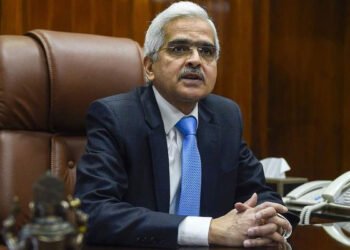
    The RBI has been vocal about the importance of self-regulation within the fintech sector and has encouraged industry players to establish SROs. Governor Shaktikanta Das has emphasized the need for fintech firms to evolve industry best practices and standards to protect consumers and promote ethical business practices.


    In line with RBI’s recommendations, both DLAI and FACE have implemented oversight mechanisms for their members. These mechanisms involve monitoring members’ activities and identifying deficiencies in customer protection norms, such as consent, disclosures, and complaint resolution. By leveraging customer complaint data and industry insights, these organizations strive to address customer challenges and promote industry-wide compliance.


    Despite the challenges posed by regulatory scrutiny, the fintech sector continues to experience significant growth and innovation. In the third quarter of FY24, FACE members disbursed loans amounting to ₹35,999 crore, a substantial increase from the previous year. This growth underscores the importance of fostering a regulatory environment that balances innovation with consumer protection and market integrity.


    Looking ahead, industry stakeholders must continue to collaborate with regulatory authorities to address regulatory challenges and promote responsible innovation. By embracing self-regulation and adhering to industry best practices, fintech firms can build trust with regulators and contribute to the sustainable growth of the sector.


    The fintech sector faces regulatory challenges that require proactive and collaborative efforts from industry players and regulatory authorities. Self-regulation has emerged as a viable solution to avoid conflicts and foster trust between regulators and fintech firms. By working together to establish industry best practices and standards, the fintech sector can navigate regulatory complexities and continue to drive innovation and growth in the financial services industry.

  • Indian Residents Flock to Gold Bonds Despite Record High Prices

    Indian Residents Flock to Gold Bonds Despite Record High Prices

    In a remarkable display of investor confidence, Indian residents have continued to flock to gold bonds despite the metal reaching record high prices during this fiscal year. Data from the Reserve Bank of India (RBI) reveals that in the latest issuance last month, residents subscribed to a staggering 12.78 tonnes of bonds, amounting to ₹8,008.38 crore or $966 million. This figure represents the highest-ever subscription amount since the inception of gold bond issuances over eight years ago.


    The issue price for these bonds was set at a record high of ₹6,263 per gram. Despite the steep price, consumer appetite for these bonds, which serve as an alternative to holding physical gold, remained strong. In fact, data shows that during the fiscal year 2023-24, residents subscribed to a total of 44.33 tonnes of gold bonds, marking the highest volume in any fiscal year to date.


    The surge in demand for gold bonds comes amidst a backdrop of soaring gold prices in the spot market. Gold prices hit a record high of ₹63,480 per 10 grams (ex-GST) as international markets began factoring in expectations of an interest rate cut in the United States. Surendra Mehta, the national secretary of the India Bullion & Jewellers Association, noted that the high prices had somewhat dampened demand for physical gold.


    Despite the challenging market conditions, the fiscal year 2023-24 saw a significant increase in the volume and value of gold bond issuances. The 44.33 tonnes subscribed during this period accounted for 31% of the outstanding bonds totaling 141.88 tonnes. In terms of value, the bonds amounted to ₹27,032 crore, with the current fiscal year contributing 38% to the cumulative value of issuances, which stands at ₹71,284 crore.


    Experts attribute the rising demand for gold bonds to several factors. Nilesh Shah, Managing Director of Kotak Mahindra AMC, pointed out that the tax-free returns, along with the added benefit of interest and the elimination of storage costs and risks, have been driving investors towards gold bonds. Additionally, Nirav Karkera, the head of research at Fisdom, highlighted gold’s appeal as an asset class and its role in diversification. He emphasized that gold bonds offer an efficient and effective means of exposure to the asset, especially considering the reasonably positive outlook for gold over the medium term.


    Investors in gold bonds stand to benefit not only from potential capital appreciation as gold prices rise but also from the added advantage of receiving 2.5% simple interest on the issue price of the bond, payable semi-annually. Furthermore, the capital gains from these bonds are tax-free, while the interest earned is added to the investor’s income and taxed accordingly.


    It’s worth noting that gold bonds come with a lock-in period of eight years, although early redemption is permitted after the fifth year on coupon payment dates. The RBI acts as the issuer of these bonds on behalf of the government, and they are made available for purchase through various channels, including nationalized banks, scheduled private and foreign banks, designated post offices, and recognized stock exchanges like the BSE and NSE.


    Overall, the strong demand for gold bonds among Indian residents underscores their confidence in gold as a valuable investment asset, even in the face of challenging market conditions and record-high prices. With their attractive features and tax benefits, gold bonds continue to attract investors looking to diversify their portfolios and safeguard their wealth against economic uncertainties.

  • RBI Approves Interoperable Net Banking Payments

    RBI Approves Interoperable Net Banking Payments

    The Reserve Bank of India (RBI) has taken a significant step towards enhancing the interoperability of digital payments by approving an interoperable system for net banking transactions. This move is expected to streamline online payments for customers and merchants, facilitating quicker settlement of funds and eliminating the need for individual tie-ups between banks and payment aggregators.


    RBI Governor Shaktikanta Das announced the approval for implementing an interoperable payment system to NPCI Bharat BillPay Ltd. This system will allow customers to pay businesses through net banking, regardless of whether their banks and the merchants’ payment aggregators are integrated. Currently, net banking transactions lack interoperability, requiring banks to have bilateral arrangements with each payment aggregator servicing different online merchants.


    Payment aggregators play a crucial role in facilitating digital payments between consumers and businesses. With 18 online payment aggregators authorized by RBI, including prominent names like Razorpay, Amazon Pay, and Google Pay, the digital payments landscape in India has seen rapid growth.


    Interoperable net banking payments will function similarly to a clearinghouse, enabling the settlement of internet banking transactions between customers and merchants without the need for individual tie-ups. This streamlined process will enhance efficiency and convenience for both parties involved in the transaction.


    Under the existing system, if a customer’s bank is not integrated with a particular payment aggregator, the bank’s name would not appear as an option for net banking payments. This limitation creates hurdles for seamless transactions and delays in payment settlement.


    Governor Das highlighted the challenges associated with the current system, emphasizing the difficulty for banks to integrate with multiple payment aggregators and the lack of standardized rules for transactions. The delays and settlement risks associated with these transactions underscore the need for an interoperable payment system for internet banking transactions.


    Internet banking remains one of the oldest and preferred channels for online merchant payments, handling various transactions such as income tax payments, insurance premiums, mutual fund payments, and e-commerce transactions. The introduction of interoperable net banking payments aligns with RBI’s Payments Vision 2025, aiming to address bottlenecks and enhance the efficiency of digital payments in India.


    Experts believe that this move will particularly benefit smaller payment aggregators that may not have established tie-ups with a wide range of banks. By leveling the playing field, smaller aggregators will have greater access to banking networks, promoting competition and innovation in the digital payments ecosystem.


    Overall, the approval of interoperable net banking payments represents a significant milestone in India’s digital payments journey, paving the way for greater convenience, efficiency, and inclusivity in online transactions.

  • RBI Announces Measures for Seamless UPI Payments

    RBI Announces Measures for Seamless UPI Payments

    The Reserve Bank of India (RBI) recently announced a series of measures to ensure the continuity of seamless digital payments through the @paytm handle operated by Paytm Payments Bank beyond the 15th of March deadline. This decision comes amidst concerns regarding the halt of further credits to accounts and wallets of the bank’s customers after the specified date.


    One of the key directives issued by the RBI involves instructing the National Payments Corporation of India (NPCI) to review One97 Communication’s (OCL) request to become a Third Party Application Provider (TPAP) for the Unified Payments Interface (UPI) channel on the Paytm app. This move aims to enable Paytm to continue offering UPI services to its customers even if they are required to migrate from Paytm Payments Bank to other banks.


    In its press release, the RBI highlighted the importance of a seamless migration process for existing @paytm UPI handle users. It suggested that if NPCI grants TPAP status to OCL, the migration should be carried out smoothly to a new set of banks to avoid any disruptions. Furthermore, no new users should be added by the TPAP until all existing users are successfully migrated to the new handle.


    It’s essential to note that payment service providers (PSPs) must obtain a TPAP license from NPCI to operate UPI services and facilitate merchant transactions. Currently, 22 entities, including Amazon Pay, Google Pay, Mobikwik, PhonePe, and WhatsApp, hold a TPAP license. However, Paytm is not classified as a TPAP due to its UPI transactions being routed through Paytm Payments Bank.


    To address concentration risk concerns, the RBI directed NPCI to certify four to five banks as payment service provider banks capable of handling high volume UPI transactions to partner with Paytm. This aligns with NPCI norms aimed at minimizing concentration risk in payment ecosystems. Additionally, merchants using Paytm QR codes may witness settlement accounts being opened with one or more PSP banks other than Paytm Payments Bank.


    The RBI reiterated that customers with underlying accounts or wallets with Paytm Payments Bank should make alternative arrangements with other banks well before the 15th of March deadline. Similarly, holders of FASTag and National Common Mobility Cards (NCMC) issued by Paytm Payments Bank have been advised to make alternative arrangements before the deadline.


    With the RBI’s directive to Paytm Payments Bank to wind down operations and close its nodal accounts by the 15th of March, obtaining a TPAP license becomes crucial for Paytm to sustain its operations. There are concerns that the RBI may revoke the payments bank license once customers and merchants have migrated to other platforms or linked their accounts to other banks. It’s worth mentioning that the regulator had previously rejected Paytm’s request for a payment aggregator license.


    Last week, the RBI instructed One97 Communications to transfer its nodal accounts to Axis Bank from Paytm Payments Bank. This move enables the company to continue operating Paytm QR, Soundbox, and card machines even after the 15th of March deadline, ensuring minimal disruption to its services.

  • RBI Directs Card Network to Halt Payments

    RBI Directs Card Network to Halt Payments

    The Reserve Bank of India (RBI) has taken significant action by instructing a card network, whose name was not disclosed, to pause payments under an arrangement that facilitated businesses to make card payments to entities that typically do not accept such transactions. This move comes as part of the RBI’s efforts to regulate and ensure compliance within the payment ecosystem in India.


    In a statement posted on its website, the RBI highlighted its awareness of a specific arrangement within a card network that allowed businesses to conduct card payments through certain intermediaries to entities that were not equipped to accept card payments. While the RBI did not explicitly name the card network involved, Visa, one of the major players in the payment industry, acknowledged receiving communication from the RBI on February 8 regarding the role of business payment solution providers (BPSPs) in commercial payments.


    Visa’s spokesperson mentioned that the communication received from the RBI appeared to be an industry-wide request for information and included a directive to halt all BPSP transactions. This directive was in line with the RBI’s efforts to scrutinize and address potential issues within the payment system.


    The RBI elaborated on the unauthorized arrangement, stating that intermediaries were accepting card payments from corporates for commercial purposes and transferring the funds to recipients who did not accept card payments. This process involved using Immediate Payment Service (IMPS), Real-Time Gross Settlement (RTGS), and National Electronic Fund Transfer (NEFT) for fund remittance.


    Upon closer examination, the RBI determined that this arrangement qualified as a payment system under the provisions of the Payment and Settlement Systems (PSS) Act, 2007. However, the arrangement had not obtained the necessary authorization under Section 4 of the PSS Act. This lack of authorization raised concerns about compliance with regulatory requirements and the potential risks associated with unauthorized payment systems.


    Furthermore, the RBI identified several other issues with the payment mechanism. For instance, the intermediary pooling large sums of money into an account not designated under the PSS Act posed risks to the integrity of the financial system. Additionally, transactions processed under this arrangement did not comply with the originator and beneficiary information requirements outlined in the master direction on know your customer (KYC) issued by the RBI.


    In response to these findings, the RBI advised the card network to halt all such arrangements until further orders. It clarified that the directive did not impose restrictions on the normal usage of business credit cards. The RBI emphasized its commitment to ensuring the integrity and stability of the payment system and stated that the matter was under detailed examination.


    This action by the RBI underscores the importance of regulatory oversight in the financial sector, particularly in payment systems where compliance and security are paramount. By addressing potential risks and unauthorized activities, the RBI aims to maintain trust and confidence in India’s financial infrastructure.


    Moving forward, it is likely that the RBI will continue to monitor and regulate payment systems to prevent unauthorized activities and ensure compliance with regulatory requirements. This proactive approach is essential for safeguarding the integrity of India’s financial system and promoting a secure and efficient payment ecosystem for businesses and consumers alike.

  • Congress Questions ED’s Inaction on Paytm Payments Bank

    Congress Questions ED’s Inaction on Paytm Payments Bank

    Congress spokesperson Supriya Shrinate has raised questions about the Enforcement Directorate’s (ED) inaction against Paytm Payments Bank, a subsidiary of fintech firm Paytm, despite negative observations by the Reserve Bank of India (RBI). Shrinate highlighted the long-standing association between the founder of Paytm Payments Bank, Vijay Shekhar Sharma, and Prime Minister Narendra Modi, questioning the ED’s silence on the matter.


    “What is the Centre’s stand on the issue? Why did the Paytm Payments Bank get a long rope for the past seven years? The founder of Paytm Payments Bank is a bhakt of PM (Narendra) Modi, gets selfies with him and publishes ads in the PM’s favour,” said Shrinate in a statement to news agency ANI.


    She further raised concerns about the ED’s inaction despite serious charges by the RBI against Paytm Payments Bank. The RBI has reportedly restricted the bank, and it is anticipated that the operating license might be cancelled as early as next month. Shrinate questioned the silence of investigative agencies when allegations are leveled against associates of PM Modi.


    “The RBI has restricted Paytm Payments Bank, and there will be no existence of it after February 29…There are very serious charges leveled by the RBI. The irregularities started in 2017…Why is the CBI silent when the RBI talks about money laundering in this case?” questioned Shrinate.


    The regulatory filing by Paytm clarified that neither the parent company One97 Communications nor its founder Vijay Shekhar Sharma is facing an ED probe. Paytm emphasized its compliance with Indian laws and cooperation with authorities during past inquiries.


    “We would like to set the record straight and deny any involvement in anti-money laundering activities. We have and continue to abide by Indian laws and take regulatory orders with utmost seriousness,” stated Paytm in the regulatory filing.


    Meanwhile, a Bloomberg report has suggested that the RBI is contemplating the cancellation of Paytm Payments Bank’s operating license. The potential action comes after the February 29 deadline, beyond which the Paytm subsidiary cannot accept new deposits. The reported violations include the alleged misuse of customer documentation rules and non-disclosure of material transactions.


    As the regulatory scrutiny intensifies, Paytm finds itself at the center of a growing controversy, with political and financial implications. The ED’s response to the concerns raised by the Congress and the RBI’s potential actions will likely determine the future course of events for Paytm Payments Bank.

  • RBI Issues Caution Against KYC Fraud

    RBI Issues Caution Against KYC Fraud

    The Reserve Bank of India (RBI) has once again issued a warning, urging the public to remain vigilant and exercise caution to avoid falling victim to frauds disguised as KYC (Know Your Customer) updates. This caution comes in response to continuing incidents of customers being targeted by scams related to KYC.


    The modus operandi of such frauds typically involves customers receiving unsolicited communications, including phone calls, SMS (short messaging service), and emails. Through these channels, victims are manipulated into disclosing personal information, account details, or installing unverified apps. The RBI emphasizes that these fraudulent messages often create a false sense of urgency, threatening account suspension or closure for non-compliance, leading individuals to divulge sensitive personal or account access details. This, in turn, enables scammers to gain unauthorized entry into accounts, resulting in fraudulent transactions.


    In the case of financial cyber frauds, the RBI advises individuals to promptly lodge a complaint on the national cybercrime reporting portal or through the cybercrime helpline.


    To safeguard against KYC frauds, the RBI provides a set of dos and don’ts, emphasizing the following measures:


    • Direct Confirmation: When receiving any request for KYC updation, individuals should directly contact the bank or financial institution for confirmation. Obtaining the contact number or customer care phone number of the financial institution only through its official website is crucial.


    • Immediate Reporting: Individuals should inform their bank or financial institution immediately in case of any cyber fraud incident. It is advisable to enquire with the bank branch to ascertain available modes/options for updating KYC details.


    • Avoid Sharing Sensitive Information: Never share account login details, card information, PINs, passwords, OTPs, or KYC documents with unknown parties or unverified organizations.


    The RBI’s caution and guidelines aim to empower individuals to recognize and protect themselves from fraudulent attempts. By staying informed and following best practices, the public can contribute to creating a safer digital environment.

  • RBI Scrutinizes Risks and Warns Against Crypto Mania

    RBI Scrutinizes Risks and Warns Against Crypto Mania

    RBI Governor Shaktikanta Das has indicated that the Reserve Bank of India is closely scrutinizing the risks associated with model-based algorithm lending, particularly in the context of unsecured loans. He noted that while the banking sector currently remains resilient and robust, there is a need to moderate the exuberance in unsecured loans.


    The Governor highlighted that some financial institutions, including banks and NBFCs, lacked the bandwidth to diligently examine loan proposals, especially those relying on model-based lending. Das stressed the importance of robust models and algorithms, emphasizing that banks and financial entities should analyze and address possible risks associated with their lending practices.


    Regarding the recent surge in unsecured loans, Das mentioned the exuberance and fear of missing out (FOMO) that led to a rush in capitalizing on the opportunity. He expressed concerns about the sustainability of such loan growth if not moderated. The governor emphasized that the responsibility lies with banks and NBFCs to assess the robustness of their models and algorithms, considering the changing ground realities.


    On the topic of cryptocurrency, Das reiterated the Reserve Bank of India’s (RBI) unchanged position, regardless of global developments. He highlighted the speculative nature of cryptocurrencies, warning about the risks associated with investing in them. Das drew parallels with historical examples like the tulip mania in the Netherlands, suggesting that the world, particularly emerging market economies, cannot afford a crypto mania with potentially similar outcomes.


    Regarding the mutual fund industry’s overseas investment limit, Das acknowledged that the industry has been requesting an increase from the existing $7 billion limit set in 2008. However, he indicated that the timing of such a decision would depend on various factors, including the recent pressures on the rupee exchange rate and the broader economic context.


    Governor Shaktikanta Das outlined the RBI’s concerns regarding model-based algorithm lending and the need for financial institutions to assess and address potential risks. He reiterated the central bank’s cautious stance on cryptocurrencies, emphasizing the speculative nature and associated risks. Additionally, Das acknowledged the mutual fund industry’s request for an increase in the overseas investment limit, hinting that the decision would depend on the right timing in the economic context.

  • Economy: Industrial Output Slows, Inflation Jumps

    Economy: Industrial Output Slows, Inflation Jumps

    Toward the end of the year, the Indian economy faced a dual challenge with a slowdown in industrial output growth and a surge in inflation, according to data released on Friday. Industrial output growth hit an eight-month low of 2.4% in November, indicating a cooling momentum in manufacturing. Simultaneously, the consumer price index (CPI)-based inflation rose to 5.69% in December, marking its fastest pace in four months.


    In November, factory output growth slowed down, with a notable contraction in capital goods production, reflecting a decline in fixed investments. The manufacturing sector reported a 1.2% annual growth, while consumer durables production contracted by 5.4%. The Index of Industrial Production (IIP) rose by 7.6% in November, reflecting a mixed performance across different sectors.


    The inflation data for December revealed an uptick in CPI-based inflation to 5.69%, up from 5.55% the previous month. Food inflation, a significant component of the overall consumer price basket, rose to 9.53% in December, contributing to the overall inflationary pressures. The government had implemented supply-side measures earlier to address high inflation, including releasing cereal stocks and managing imports and exports of essential commodities.


    Despite the elevated inflation levels, the Reserve Bank of India (RBI) maintained a cautious stance on interest rates, signaling potential measures by the government to curb rising prices. The December CPI inflation remained higher than the RBI’s target of 4% but stayed within its tolerance range of 2-6% for the fourth consecutive month.


    The industrial output growth slowdown in November comes after a period of expansion, with a growth rate of 6.4% in the April-November period of the fiscal year. This expansion was slightly above the 5.5% figure reported in the same period the previous year. However, the monthly growth rate in November was the slowest in the April-November 2023 period.


    The Indian economy’s performance in the first half of the fiscal year showcased robust growth, driven by strong domestic consumption and investment. Private Final Consumption Expenditure (PFCE) grew by 4.5%, with its share in GDP increasing to 60.4%. The finance ministry’s first advance estimates projected India’s growth at 7.3% for FY24.


    International agencies, including the International Monetary Fund (IMF) and the World Bank, have raised their growth projections for the Indian economy. Despite challenges such as slowing global growth and consumption, India’s economic outlook remains positive, supported by sustained investment growth and output in manufacturing, construction, and certain services.


    As the Indian economy faces headwinds, policymakers are likely to closely monitor both industrial output and inflation trends to implement measures that maintain economic stability and address emerging challenges.

  • RBI Revokes License of Shankarrao Pujari Bank

    RBI Revokes License of Shankarrao Pujari Bank

    The Reserve Bank of India (RBI) has taken decisive action by canceling the license of Shankarrao Pujari Nutan Nagari Sahakari Bank Limited, based in Kolhapur. The apex bank has directed the co-operative bank to cease all banking activities with immediate effect, effective from the close of business on December 4, 2023.


    The RBI highlighted that the decision was prompted by the bank’s inadequate capital and earning prospects, leading to non-compliance with the provisions of Section 11(1) and Section 22 (3) (d) read with Section 56 of the Banking Regulation Act, 1949. The co-operative bank has also failed to adhere to certain sections of the Banking Regulation Act, 1949.


    According to the RBI, allowing Shankarrao Pujari Nutan Nagari Sahakari Bank to continue its banking business would adversely affect public interest, as the bank’s current financial position raises concerns about its ability to repay depositors in full.


    In the event of liquidation, the RBI assured depositors that every account holder would be entitled to receive a deposit insurance claim amount for their deposits, up to a monetary ceiling of ₹5,00,000 from the Deposit Insurance and Credit Guarantee Corporation (DICGC), in accordance with the DICGC Act, 1961. As per the bank’s data, 99.85% of depositors are eligible to receive the full amount of their deposits from DICGC.


    The RBI disclosed that as of July 24, DICGC had already disbursed ₹41.60 crore of the total insured deposits under the provisions of Section 18A of the DICGC Act, 1961. This payment was made based on the willingness expressed by the concerned depositors of the bank.


    As part of the regulatory measures, the RBI has directed the Commissioner for Cooperation and Registrar Cooperative Societies, Maharashtra, to issue an order for the winding-up of the bank and appoint a liquidator to oversee the process.


    This action against Shankarrao Pujari Nutan Nagari Sahakari Bank comes on the same day the RBI imposed monetary penalties on four other co-operative banks – Jijamata Mahila Sahakari Bank Ltd, Shri Laxmikrupa Urban Co-operative Bank Ltd, The Konark Urban Cooperative Bank Ltd, and The Chembur Nagarik Sahakari Bank Ltd – for regulatory compliance deficiencies. These coordinated regulatory moves emphasize the central bank’s commitment to maintaining the integrity and stability of the banking sector in India.

  • RBI Penalizes Four Co-operative Banks for Regulatory Deficiency

    RBI Penalizes Four Co-operative Banks for Regulatory Deficiency

    The Reserve Bank of India (RBI) has taken regulatory action by imposing monetary penalties on four co-operative banks for deficiencies in regulatory compliance. The banks facing penalties are Jijamata Mahila Sahakari Bank Ltd, Shri Laxmikrupa Urban Co-operative Bank Ltd, The Konark Urban Cooperative Bank Ltd, and The Chembur Nagarik Sahakari Bank Ltd.


    Jijamata Mahila Sahakari Bank Ltd:

    A monetary penalty of ₹4.00 lakh has been imposed on Jijamata Mahila Sahakari Bank Limited, Pune. The penalty is related to non-compliance with RBI directions on ‘Reserve Bank of India – Know Your Customer (KYC) Direction, 2016,’ and ‘Frauds in UCBs: Changes in Monitoring and Reporting Mechanism.’ The bank failed to conduct periodic reviews of risk categorization of accounts and did not report a fraud to RBI within the stipulated timeline.


    Shri Laxmikrupa Urban Co-operative Bank Ltd:

    Shri Laxmikrupa Urban Co-operative Bank Limited, Pune, faces a monetary penalty of ₹1.00 lakh for non-compliance with RBI directions on ‘Reserve Bank of India – Know Your Customer (KYC) Direction, 2016.’ The bank did not conduct periodic reviews of the risk categorization of its customers.


    The Konark Urban Cooperative Bank Ltd:

    The RBI imposed a monetary penalty of ₹1.00 lakh on The Konark Urban Cooperative Bank Ltd., Ulhasnagar. This penalty is for non-compliance with the directions issued by RBI on ‘Maintenance of Deposit Accounts – Primary (Urban) Co-operative Banks.’ The bank had imposed fixed penal charges for the shortfall in maintaining the minimum balance in savings bank accounts.


    The Chembur Nagarik Sahakari Bank Ltd:

    The Chembur Nagarik Sahakari Bank Ltd., Mumbai, has been penalized with ₹1.00 lakh for non-compliance with RBI directions on ‘Maintenance of Deposit Accounts – Primary (Urban) Co-operative Banks.’ The bank had imposed fixed penal charges for the shortfall in maintaining the minimum balance in savings bank accounts without proportionate charges and had failed to notify customers about applicable penal charges.


    The RBI clarified that these penalties are based on deficiencies in regulatory compliance and are not intended to pronounce upon the validity of any transaction or agreement entered into by the banks with their customers. The penalties are imposed under certain provisions of the Banking Regulation Act, 1949.