Tag: Production Capacity

  • Toyota Kirloskar to Invest ₹3,300 Crore in Setting 3rd Plant

    Toyota Kirloskar to Invest ₹3,300 Crore in Setting 3rd Plant

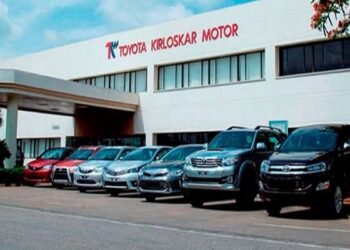
    In a strategic move to expand its manufacturing capabilities and stay at the forefront of the automotive industry, Toyota Kirloskar Motor (TKM) has announced plans to invest ₹3,300 crore in setting up its third plant in Bidadi, Karnataka. The investment aligns with the company’s vision to enhance production capacity and introduce future-ready technologies.


    The new plant, slated to begin production by 2026, will be an extension of Toyota Kirloskar Motor’s existing facility at Bidadi, near Bengaluru. The current Bidadi facility houses two units with a combined installed production capacity of up to 3.42 lakh units annually. The addition of the third plant will significantly bolster TKM’s manufacturing capabilities, providing an annual capacity of 1 lakh units in two shifts.


    Vikram Gulati, Executive Vice President & Country Head of Toyota Kirloskar Motor, stated that the new plant, besides producing the popular multi-utility vehicle Innova HyCross, will be “future-ready.” Gulati emphasized the company’s commitment to adapting to various fuel technologies and staying at the forefront of technological advancements in the automotive sector.


    “I believe, we are as a company future-ready, both in terms of access to technology, access to well-accepted products across various powertrains, as also access to the ability to bring these products to market,” Gulati affirmed.


    The strategic location of the new plant within the existing Bidadi facility allows TKM to leverage the infrastructure already in place, facilitating a seamless integration process. Gulati also highlighted the flexibility of production lines in the automotive industry, emphasizing that it doesn’t take much to adapt existing lines for the introduction of new powertrains.


    “It does take a bit of doing, but it’s not really a huge barrier, in my opinion. So that makes us ready and flexible in terms of any of the powertrains going forward. And I’m sure the new plant is going to be much more advanced and much more future-ready,” Gulati added.


    When questioned about whether the third plant will incorporate provisions for producing new technology vehicles, such as electric vehicles (EVs), Gulati acknowledged the importance of staying ahead in the rapidly evolving automotive landscape. However, he maintained that it is too early to provide specific details about the inclusion of EV production in the new facility.


    Toyota Kirloskar Motor’s investment in the new plant reflects its strategic focus on staying abreast of emerging technologies and market demands. The automotive industry is witnessing a significant shift towards electric and alternative fuel vehicles, and manufacturers are gearing up to meet the evolving needs of consumers.


    The automotive giant has consistently demonstrated its commitment to sustainability and innovation. The investment in the third plant aligns with Toyota’s global initiatives to enhance its product lineup with electrified and environmentally friendly options. While specifics about the new technologies that the third plant will accommodate remain undisclosed, the commitment to being “future-ready” underscores Toyota Kirloskar Motor’s proactive approach to technological advancements in the automotive sector.


    Toyota Kirloskar Motor’s ambitious investment in its third plant in Bidadi represents a significant step towards expanding production capacities and staying adaptable to emerging technologies. As the automotive industry undergoes rapid transformations, manufacturers like TKM are positioning themselves strategically to lead the way in providing innovative and sustainable mobility solutions.

  • Maruti Suzuki to Expand Product Range and Production Capacity

    Maruti Suzuki to Expand Product Range and Production Capacity

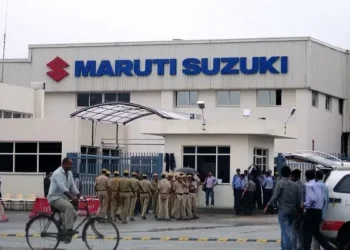
    Maruti Suzuki, India’s leading automaker, has announced plans for a significant expansion of its product range and production capacity. In a recent regulatory filing, the company unveiled its vision to increase its product offerings from the existing 17 models to an impressive 28. Additionally, Maruti Suzuki aims to expand its total production capacity to a remarkable 40 lakh (4 million) units per annum by the fiscal year 2030-31.


    The automaker’s roadmap for growth includes a substantial investment, with an estimated capital expenditure (capex) of approximately ₹1.25 lakh crore, expected to be spread over the next several years. This capex will be vital to support the company’s ambitious expansion plans.


    Maruti Suzuki India stated, “The regular capex in the existing plants at Gurgaon, Manesar, and Gujarat will continue. The amount in 2022-23 was around ₹7,500 crore. Total capex till 2030-31 could be as much as ₹1.25 lakh crore.” This investment will be crucial in modernizing and scaling up their manufacturing capabilities.


    The company is prepared to allocate around ₹45,000 crores to create the necessary production capacity for an additional 2 million units, considering current costs and allowing for some cost escalation. In line with their expansion strategy, they also recognize the need to strengthen the infrastructure for exporting a larger volume of vehicles and increasing production line flexibility, which will require additional capex.


    Maruti Suzuki is not only focusing on conventional Internal Combustion Engine (ICE) cars but is also gearing up for the electric vehicle (EV) and SUV segments. To this end, they plan to invest in the development of 10-11 new models with different fuel options. The production of EVs and SUVs will necessitate substantial capex.


    Furthermore, the automaker acknowledges the financial implications of a payout of over ₹12,500 crore for Suzuki Motor Corporation (SMC) shares in Suzuki Motor Gujarat (SMG). This could affect their profits, earnings per share (EPS), and dividend payments while potentially creating a cash shortage.


    In preparation for their expansion, Maruti Suzuki recognizes the need to establish an extensive sales, service, and spare parts infrastructure to cater to almost double the domestic sales volumes. This infrastructure will also play a critical role in supporting their export ambitions.


    In August of the current year, Maruti Suzuki’s board approved the issuance of shares on a preferential basis to SMC as part of the acquisition of a 100% stake in SMG. Following this acquisition, Suzuki Motor Gujarat (SMG) will become a wholly-owned subsidiary of the company.


    The decision to terminate the contract manufacturing agreement with SMG and acquire shares of SMC reflects Maruti Suzuki’s commitment to its expansion strategy and vision for the future of the Indian automotive industry.

  • Toyota Plans to Build Third Car Plant in India

    Toyota Plans to Build Third Car Plant in India

    Toyota Motor Corporation is gearing up to build a third car manufacturing facility in India, marking its first expansion in production capacity in the country in over a decade. This move comes as a result of Toyota’s partnership with Suzuki Motor Corporation, which has significantly increased domestic sales volumes for both Japanese automakers. Here are the key details:


    Plant Capacity: According to sources with direct knowledge of Toyota’s plans, the new plant is expected to have an initial production capacity of 80,000-120,000 vehicles per year, with the potential to expand to approximately 200,000 units over time. This proposed capacity expansion would increase Toyota’s existing manufacturing capacity in India by as much as 30%, as the company currently produces around 400,000 units annually in the country.


    New SUV Development: Toyota has initiated the development of a new sport utility vehicle (SUV) specifically designed for the Indian market. This SUV is scheduled for launch in early 2026 and is expected to serve as a flagship product for the new factory.


    Maruti Suzuki Collaboration: Toyota’s India sales have surged due to its global partnership with Maruti Suzuki, a leading automaker in India. Under this partnership, both companies take certain vehicles originally developed by their partner, make modifications, and sell them under their respective brands to fill gaps in their product portfolios. This collaboration has been particularly successful, with cars like the Glanza hatchback and Urban Cruiser Hyryder SUV, originally from Maruti Suzuki, now accounting for 40% of Toyota’s India sales.


    Production Capacity Target: Toyota’s expansion in India is part of the company’s broader strategy to increase its production capacity to 500,000 vehicles per year by the end of the decade, including the models it will supply to Suzuki as part of their partnership.


    New C-Segment SUV: Toyota is currently working on the development of a new C-segment SUV, codenamed 340D. This SUV will bridge the gap between its mid-sized Urban Cruiser Hyryder and the larger Innova Hycross multi-purpose vehicle. It is expected to launch in early 2026 with an annual production target of 60,000 units.


    Mini Land Cruiser: Toyota is also exploring the possibility of introducing a “mini” Land Cruiser in India. However, the automaker has not made a final decision on this model, and it is not forecasting significant sales. If Toyota proceeds with the project, it would involve importing parts for assembly in India.


    Toyota’s decision to build a third car plant in India underscores the company’s commitment to expanding its presence in one of the world’s largest automotive markets. The successful partnership with Maruti Suzuki and the development of new models, including an India-specific SUV, are key elements of Toyota’s growth strategy in the country.