Tag: Power Generation

  • South Africa Powers Up: World’s Largest Solar Battery

    South Africa Powers Up: World’s Largest Solar Battery

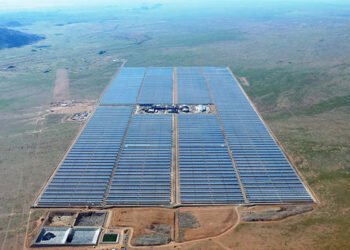
    In December, South Africa commenced the use of the world’s largest solar battery, providing a much-needed solution to the country’s persistent electricity challenges and rationing by Eskom, its primary electricity supplier. Statec, the country’s largest player in the solar energy market, announced that its solar battery storage system became operational in mid-December, contributing power to Eskom’s grid. The hybrid solar and battery facility is located in the Northern Cape province, known for its abundant sunlight throughout the year. Here are ten key aspects of the world’s largest solar battery project:


    • Scale of the Project: Statec has established three plants in the Northern Cape region, covering a vast expanse of 879 hectares and stretching 10 kilometers from north to south. Collectively, these plants boast a combined solar capacity of 540 MW, with the massive solar battery system capable of delivering up to 225 MW of power to the grid.


    • Workforce and Installation: The project involved a workforce of over 2,600 individuals who spent nearly 18 months installing close to one million photovoltaic modules.


    • Cabling Distance: To facilitate the extensive project, the Statec team utilized an astonishing 9,000 kilometers of cabling, a distance equivalent to the span between South Africa and Norway.


    • Battery Unit Dimensions: To grasp the scale of the facility, each of the 456 battery units is comparable in size to a shipping container, weighing approximately 3,000 kilograms.


    • Hybrid Solar and Battery Storage: Statec’s project is recognized as one of the world’s pioneering and largest hybrid solar and battery storage facilities.


    • Power Purchase Agreement: Electricity generated from the facility is sold to Eskom through a 20-year power purchase agreement, reflecting concessions made by the South African government to address the challenges posed by load shedding in recent years.


    • Government’s Solar Power Plans: South Africa aims to achieve more than 8 GW of solar power by 2030, aligning with global efforts to transition towards renewable energy sources.


    • Existing Statec Solar Capacity: Statec already operates over 448 MW of solar power in various locations across South Africa, further contributing to the country’s renewable energy goals.


    • Mogobe (Ferrum) Battery Energy Storage Project: Statec has been selected as the preferred bidder for the government’s Mogobe (Ferrum) battery energy storage project. This additional project will add 103 MW of capacity and 412 MWh of storage under the Battery Energy Storage Independent Power Producer Procurement Programme.


    • Impact and Significance: The operationalization of the world’s largest solar battery in South Africa signifies a crucial step in enhancing the country’s energy resilience and transitioning towards a more sustainable and reliable power supply. The project’s scale, technological advancements, and integration of solar and battery storage underscore the potential for renewable energy solutions to address the pressing challenges associated with conventional power sources.


    As South Africa continues to grapple with electricity issues, the deployment of the world’s largest solar energy source stands as a testament to the transformative power of renewable energy in mitigating energy-related challenges and fostering a more sustainable future.

  • India to Add 80 GW of Coal-Powered Generation Capacity

    India to Add 80 GW of Coal-Powered Generation Capacity

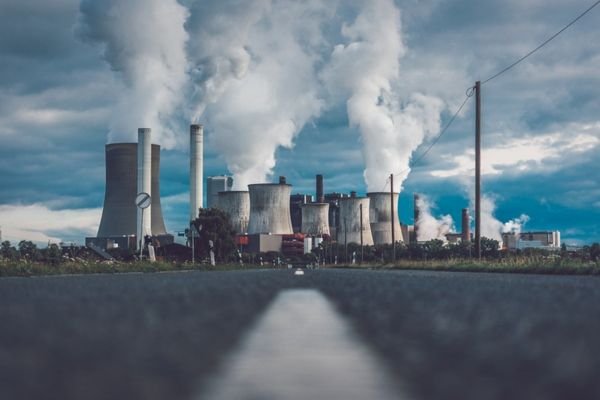
    India, the world’s second-largest coal producer, has outlined plans to bolster its coal-powered generation capacity significantly, with a target to add at least 80 gigawatts (GW) by 2031-32. This decision, disclosed during a recent review meeting by Union power minister Raj Kumar Singh, underscores India’s ongoing reliance on coal despite its ambitious renewable energy goals.


    As of now, 27 GW of the proposed capacity is already under construction, and an additional 55 to 60 GW is in the planning stages. India’s current power generation landscape heavily leans on coal, constituting over half of the country’s existing capacity of 425.406 GW. The move to enhance coal capacity comes amid a notable surge in power demand, reaching a new peak of 239.9 GW on 1 September, surpassing earlier projections.


    Singh, in a statement, emphasized the critical need for round-the-clock power availability to support India’s economic growth. While acknowledging the focus on renewable energy, he stated, “This power cannot be achieved by renewable energy sources alone. Since nuclear capacity cannot be added at a rapid pace, we have to add coal-based thermal capacity for meeting our energy needs.”


    Despite being a significant coal consumer, India has committed to ambitious renewable energy targets. The country aims to add 50 GW of green energy capacity annually, with a broader goal of achieving 500 GW from renewable sources by 2030. India’s updated Nationally Determined Contribution (NDC) to the United Nations Framework Convention for Climate Change pledges to derive 50% of power capacity from non-fossil fuel sources by the end of this decade.


    Singh addressed the premature dismissal of thermal energy a few years ago, emphasizing its continued relevance until energy storage becomes cost-effective for uninterrupted supply through renewables. India’s dependence on coal aligns with the challenges posed by non-solar hours and unexpected weather events affecting renewable energy production.


    Pankaj Agarwal, the union power secretary, highlighted the imperative need for an additional 80,000 MW of capacity by 2031-32 to meet base load requirements. He cited the potential challenges during non-solar hours, especially considering the substantial power demand growth and weather-related incidents, such as those experienced in August.


    India’s dual commitment to expanding coal capacity while advancing renewable energy reflects the complex balancing act required to ensure energy security, economic growth, and environmental sustainability. The country grapples with meeting the rising demand for power while navigating the transition toward cleaner and more sustainable energy sources. The success of India’s energy strategy hinges on effectively managing this dual commitment and leveraging the strengths of both conventional and renewable energy sources.

  • Indian Ministry of Coal Asserts Adequate Coal Supply

    Indian Ministry of Coal Asserts Adequate Coal Supply

    The Indian Ministry of Coal has assured the nation that there is an ample supply of coal for thermal power plants (TPPs) despite recent mandates for coal blending. According to the ministry, coal dispatch to the power sector has seen a significant increase of 5.8%, reaching 324.50 million metric tons in the current fiscal year. This growth is attributed to the efficient coal supply to TPPs and the strong coal stock position at various pitheads across the country. Thermal power generation has also experienced a notable increase of 6.58% from April to August 2023 when compared to the same period in the previous year, resulting in a total of 517.34 billion units of electricity.


    As of August 31, the overall coal stock position, which includes mines, thermal power plants, and transit locations, stood at a substantial 86 million metric tons. This figure represents a notable increase from the 68.76 million metric tons reported during the previous year. Furthermore, the pithead coal stock at Coal India Limited reached 45.33 million metric tons, indicating a significant year-on-year growth of 45.66%.


    This statement from the Indian Ministry of Coal comes in the wake of the Ministry of Power’s directive to power generating companies to blend 4% imported coal until March 2024 due to shortfalls in domestic coal supply. Despite efforts to boost domestic coal supply in the first quarter of FY24, shortfalls persisted. To bridge the gap between coal consumption and the receipt of domestic coal, the import of coal became necessary to prevent coal stock levels from reaching critical lows.


    The Ministry of Coal’s announcement underscores the government’s commitment to ensuring a stable and reliable power supply in the country. While challenges remain, including the need for coal blending, the efforts to maintain adequate coal supplies to TPPs and steadily increase thermal power generation reflect a proactive approach to addressing energy needs and mitigating potential disruptions in the power sector.

  • India Boosts Coal Usage to Counter Power Shortages

    India Boosts Coal Usage to Counter Power Shortages

    India has ramped up its utilization of coal for electricity generation as it faces increased power demand and reduced hydroelectricity output due to the driest August on record, according to Reuters reports. Typically, India experiences its peak electricity demand in May when soaring temperatures prompt people to use air-conditioners, but it’s unusual for demand to spike in August, especially when the monsoon season is underway.


    The dry August resulted in a record surge in power generation, reaching 162.7 billion kilowatt hours (units), as per data from Grid India, the federal grid operator, analyzed by Reuters.


    Coal’s contribution to power output climbed to 66.7% in August, marking its highest level in six years. In contrast, hydropower’s share of overall output plummeted to 14.8%, down from 18.1% during the same period last year.


    The Indian government has repeatedly defended its use of coal by emphasizing lower per capita emissions compared to wealthier nations and the growth of renewable energy.


    Data from the government indicates that power plants have cut coal imports by 24% during the first four months of the fiscal year ending in March 2024. This reduction is attributed to a 10.7% increase in production by the state-run company Coal India. These lower imports have contributed to the depressed global thermal coal prices seen in recent months.


    Power analytics firm EMA Solutions highlighted the challenges facing India’s energy supply. The firm noted that the poor monsoon in August, along with a sudden drop in wind generation, exacerbated the already stressed supply situation. Peak demand in India reached a record 243.9 gigawatts on August 31, exceeding available capacity by 7.3 gigawatts, according to Grid India data.


    Coal’s share in power output has climbed to 74.2% in the first eight months of the year, compared to 72.9% during the same period in the previous year, signaling a potential third consecutive annual increase. Meanwhile, the hydroelectric share has declined from 10.9% to 9.2%.


    India previously aimed to install 175 gigawatts of renewable energy by 2022 but fell short of this target. The country now plans to boost non-fossil capacity to 500 gigawatts by 2030, encompassing solar, wind, nuclear, hydropower, and bio-power. Achieving this target will require an annual addition of over 43 gigawatts of non-fossil capacity, nearly three times the average for the past two years.