Tag: PLI scheme

  • Union Ministry Aims for Certification of All PLI Scheme Applicants

    Union Ministry Aims for Certification of All PLI Scheme Applicants

    The Union Ministry of Heavy Industries is actively working towards ensuring that all 85 applicants under the production-linked incentive (PLI) scheme for advanced automotive technologies receive approval certification against the scheme’s domestic value-addition (DVA) criteria by July 2024. The PLI scheme, aimed at promoting advanced automotive technologies, requires participants to demonstrate a minimum of 50% domestic value addition in their products and supply chains to qualify for incentives.


    Kamran Rizvi, the secretary of the Union Ministry of Heavy Industries, expressed confidence in the proper implementation of the PLI scheme and stated that the ministry is targeting the certification of all 85 applicants by July 2024. This initiative aims to boost the automotive sector by encouraging investments in advanced technologies, fostering innovation, and increasing domestic manufacturing.


    The PLI scheme covers both original equipment manufacturers (OEMs) and automotive component suppliers. As part of the certification process, applicants need to prove a minimum of 50% domestic value addition in their products and supply chains. This stringent assessment is conducted by government-affiliated testing agencies, such as the Automotive Research Association of India (ARAI), which are monitored by the Comptroller and Auditor General of India to ensure adherence to the scheme’s rules and requirements.


    While eight OEMs have applied for DVA certification for 39 products, approvals have been granted for 22 products by three OEMs, and 11 certifications are still in process. Similarly, 25 product approvals are under process for DVA certification by automotive component suppliers, though no approval has been granted so far.


    The ministry’s additional secretary, Hanif Qureshi, indicated that a meeting of component applicants is likely to be called soon to facilitate DVA applications for automotive suppliers that have not yet secured any DVA certifications. This move aims to streamline the certification process and support those automotive companies that are yet to receive DVA certifications.


    Suman Mishra, the CEO of Mahindra Last Mile Mobility, emphasized the need for the government to finalize the standard operating procedure (SOP) for claiming incentives. The ministry has outlined its intention to commence the disbursal of incentives under the scheme in the fiscal year 2024-25. The incentives will be awarded based on evidence of actual sales and audits of investments made in advanced automotive technologies.


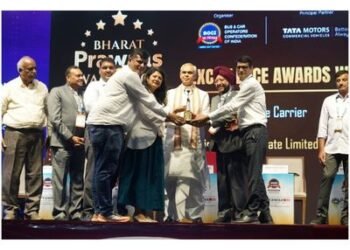
    The PLI scheme plays a crucial role in promoting the adoption of advanced automotive technologies, including electric powertrains. Tata Motors and Mahindra & Mahindra have already received localization certifications from ARAI for a range of products with electric powertrains, showcasing the scheme’s impact on encouraging innovation in the electric vehicle segment.


    However, the certification process has presented challenges for many companies, with complexities in the application process and the need for detailed data of local sourcing at various tiers of the supply chain. IFCI, a project management agency, has been appointed to oversee the scheme’s implementation, and a standard operating procedure (SOP) for DVA has been released to guide the beneficiaries.


    As part of monitoring and ensuring compliance, the government conducts periodic visits to the manufacturing plants of approved beneficiary companies and undertakes quarterly reviews of the scheme’s progress. The PLI scheme is designed to strengthen the automotive sector, enhance domestic manufacturing capabilities, and position India as a hub for advanced automotive technologies.

  • Indian Telecom Companies Invest ₹2,419 Crore Under PLI Scheme

    Indian Telecom Companies Invest ₹2,419 Crore Under PLI Scheme

    India’s Telecom Minister, Ashwini Vaishnaw, announced that telecom companies have invested ₹2,419 crore (approximately $320 million) in the country under the production-linked incentive (PLI) scheme, resulting in the employment of 17,753 people. He made this announcement during the virtual inauguration of a production line for manufacturing 4G and 5G connectivity modules and data cards at domestic firm VVDN Technologies.


    Vaishnaw stated that the telecom sector had achieved a significant milestone with PLI-supported companies making substantial investments. He highlighted key figures related to this initiative, including total investment, sales generated, exports, and employment. The minister also praised the success of the “Make in India” initiative, emphasizing the importance of local manufacturing and its alignment with Prime Minister Narendra Modi’s vision.


    Additionally, Vaishnaw emphasized the quality and global acceptance of Indian-made telecom equipment. He noted that products manufactured in India are exported to countries such as the United States, European nations, and Japan, highlighting the high standards and quality of these products.


    Regarding 5G technology, Vaishnaw mentioned that India had launched 5G last year, and within a short period, the country had become the third-largest ecosystem for 5G in the world. He commended the rapid progress and the country’s contribution to the global 5G landscape.


    Looking ahead, Vaishnaw mentioned that India is actively working on the development and standardization of 6G technology. He noted that the International Telecommunication Union (ITU) has accepted India’s inputs in the standardization of 6G, and the country aims to position itself as a leading contributor to the 6G journey.


    The Indian government’s PLI scheme has played a crucial role in attracting investments, promoting local manufacturing, and fostering growth in various sectors, including telecommunications. The scheme offers financial incentives to companies for manufacturing specified goods in India, with the aim of boosting domestic production, creating jobs, and enhancing exports. The success of this initiative is aligned with the Indian government’s broader “Make in India” campaign, which aims to promote self-reliance and domestic manufacturing across sectors.

  • Government Delays Licensing Mandate for Laptop Imports

    Government Delays Licensing Mandate for Laptop Imports

    In a late-night decision, the Indian government announced a delay in the licensing mandate for importing laptops, tablets, and personal computers by almost three months. The new mandate, which requires a valid license for restricted imports, will be effective from 1st November. Until then, import consignments can be cleared without a license for restricted imports, providing companies with a much-needed breather.


    The government’s decision to impose import restrictions on laptops, tablets, and specific types of computers was triggered by security concerns and the desire to promote domestic manufacturing. The move also aims to curb inbound shipments from countries like China and Korea, allowing the government to closely monitor the sources of these products.


    The import restrictions come as India emphasizes electronics manufacturing as a critical area for future growth. The country hopes to attract investments from global giants seeking to diversify their operations beyond China. Under the PLI 2.0 IT hardware scheme, 44 companies have already registered, with two more filing their applications by July 31, 2023. The government has set August 30, 2023, as the deadline for companies to submit applications. Notably, HP is among the companies that have already applied under the PLI scheme.


    The government’s move is expected to encourage domestic manufacturing and lead to lower hardware prices for consumers. By promoting local production, India aims to reduce its reliance on imports and strengthen its electronics manufacturing ecosystem. The Directorate General of Foreign Trade (DGFT) has prepared a portal for companies and traders to apply online for the required licenses.


    Companies can apply for licenses for one year and may do so multiple times. Multiple units can also apply for licenses, further facilitating the manufacturing process. The government’s strategic focus on domestic manufacturing is in line with its vision of India becoming a global electronics manufacturing hub.


    Overall, the delay in the licensing mandate offers companies additional time to comply with the new regulations and apply for the necessary licenses. This measure aligns with the government’s commitment to promoting domestic manufacturing, fostering innovation, and enhancing the country’s self-reliance in the electronics sector.