Tag: Narcotics Control Bureau

  • DMK Denies Links with Accused in Drug Trafficking Case

    DMK Denies Links with Accused in Drug Trafficking Case

    Tamil Nadu Law Minister and DMK leader S. Regupathy vehemently denied any links between his party and Jaffer Sadiq, the prime accused in an international drug trafficking case under investigation by the Narcotics Control Bureau (NCB). The DMK issued a stern warning of legal action against anyone attempting to associate Sadiq with the party or its leaders.


    Speaking to reporters, Minister Regupathy emphasized that the DMK had not received any financial contributions from Sadiq, dispelling any notion of association between the two parties. He criticized the Bharatiya Janata Party (BJP) government for allegedly orchestrating efforts to tarnish the DMK’s reputation through the misuse of investigative agencies such as the Enforcement Directorate, Income Tax Department, and Central Bureau of Investigation.


    Regupathy accused the NCB Deputy Director General Gyaneshwar Singh of prematurely holding a press conference about Sadiq’s arrest before the completion of the investigation. He alleged that this was a deliberate attempt to smear the DMK’s image and gain political advantage for the BJP ahead of the upcoming Lok Sabha polls.


    Highlighting the swift actions taken by the DMK government against drug peddling since assuming office in 2021, Regupathy reiterated that the people of Tamil Nadu were aware of the BJP’s motives. He criticized the previous AIADMK regime for allegedly neglecting cases like the sale of banned gutkha, suggesting that the BJP’s focus on targeting the DMK was politically motivated.


    Regupathy questioned the NCB’s delay in arresting Sadiq despite issuing a lookout notice on February 15, noting that Sadiq had attended a public event in Chennai on February 21. He accused the BJP advocate, who represented Sadiq in a 2013 NCB case, of colluding with the AIADMK government to secure Sadiq’s acquittal.


    Responding to concerns about Sadiq’s membership in the DMK despite his past involvement in legal cases, Regupathy clarified that the party had over two crore members, making it impractical to vet each applicant’s background thoroughly. However, he emphasized that the DMK promptly expelled members upon learning of any wrongdoing.


    Regupathy dismissed suggestions that Sadiq’s arrest was politically motivated, asserting that the DMK had already expelled him from the party before his arrest. He accused the BJP-led Centre of fabricating false allegations against the DMK to gain political mileage ahead of the elections.


    Asserting Tamil Nadu’s zero tolerance for drug trafficking, Regupathy criticized the NCB for holding a press conference on an ongoing investigation. He mocked AIADMK chief Edappadi K. Palaniswami’s visit to the Governor over the issue, suggesting that the former Chief Minister should acknowledge his party’s failure to act on the 2013 case against Sadiq.


    DMK Rajya Sabha MP and senior advocate P. Wilson warned of civil and criminal prosecution against anyone attempting to link the party or its leaders to the NCB case involving Sadiq.

  • Tamil Film Producer Allegedly Masterminds Drug Racket

    Tamil Film Producer Allegedly Masterminds Drug Racket

    In a startling revelation, a Tamil film producer stands accused of orchestrating a sophisticated drug racket, which allegedly raked in nearly ₹2,000 crore over a span of just three years. The operation, which involved smuggling pseudoephedrine, a key chemical used in the production of methamphetamine or crystal meth, has caught the attention of law enforcement agencies both in India and abroad.


    The Narcotics Control Bureau (NCB) was tipped off by customs authorities in New Zealand and the police in Australia about large quantities of pseudoephedrine being shipped to these countries. The chemical was cleverly concealed within desiccated coconut powder or health mixes, a tactic employed to evade detection.


    Upon receiving intelligence from the US Drug Enforcement Administration (DEA) that the shipments originated from Delhi, a joint operation was launched by the Delhi Police Special Cell and the NCB. Months of meticulous surveillance eventually led the authorities to a godown in West Delhi’s Basai Darapur area, where members of the drug syndicate were apprehended in the act of concealing pseudoephedrine within a multigrain food mix.


    During the raid, three members of the gang were arrested, and a significant haul of 50 kg of pseudoephedrine was seized. Subsequent interrogation of the detainees, who hailed from Tamil Nadu, revealed the staggering scale of their operation. It was disclosed that the syndicate had successfully dispatched 45 consignments over the past three years, totaling a whopping 3,500 kg of pseudoephedrine. This cache of contraband was estimated to be valued at over ₹2,000 crore in the international drug market.


    However, the mastermind behind this elaborate drug trafficking network, identified as a Tamil film producer, remains at large. Law enforcement agencies are actively pursuing leads to apprehend the kingpin and dismantle the entire syndicate. The hunt for the producer-turned-drug lord underscores the gravity of the situation and the imperative to bring the perpetrators to justice.


    The ramifications of such a colossal drug racket extend beyond national borders. The NCB has collaborated with authorities in New Zealand and Australia to apprehend individuals involved in receiving the illicit consignments in those countries. This international cooperation highlights the global nature of the drug trade and the necessity for coordinated efforts to combat its proliferation.


    The case serves as a stark reminder of the insidious nexus between crime and entertainment industries. The alleged involvement of a film producer in such illicit activities underscores the need for heightened vigilance and stringent enforcement measures. It raises questions about the extent of criminal infiltration in seemingly legitimate sectors and the challenges faced by law enforcement in combating sophisticated transnational criminal networks.


    Furthermore, the revelation sheds light on the lucrative nature of the drug trade, with methamphetamine fetching exorbitant prices in international markets. The staggering profits derived from illicit drug trafficking serve as a powerful incentive for criminal elements to engage in such nefarious activities, despite the grave risks involved.


    The Tamil film producer’s alleged involvement in a ₹2,000 crore drug racket underscores the pervasive threat posed by organized crime and the imperative for robust law enforcement measures to safeguard society. The case serves as a wake-up call for authorities to remain vigilant and proactive in combating the scourge of drug trafficking and its associated criminal networks.

  • Sameer Wankhede Faces Money Laundering Probe

    Sameer Wankhede Faces Money Laundering Probe

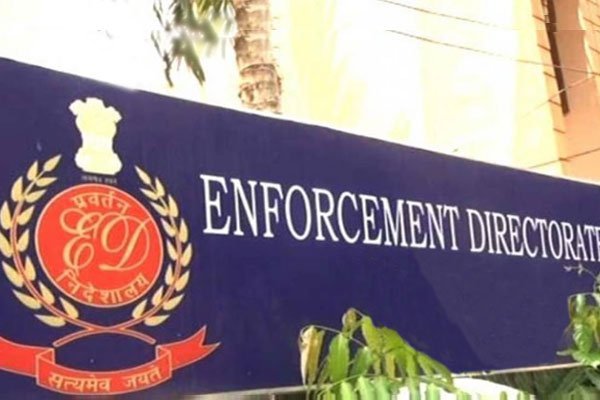
    The Enforcement Directorate (ED) has taken a significant step in the ongoing saga surrounding former Mumbai Narcotics Control Bureau (NCB) zonal director Sameer Wankhede. On Saturday, the ED registered a case against Wankhede and initiated an investigation into allegations of money laundering against him. Additionally, three NCB officers have been summoned by the ED for questioning in connection with the case.


    This development comes in the wake of serious allegations leveled against Wankhede last year. The Central Bureau of Investigation (CBI) had booked Wankhede for allegedly demanding a hefty bribe of ₹25 crore to refrain from implicating Bollywood actor Shah Rukh Khan’s son, Aryan Khan, in a drug-related case. The CBI revealed that a deal had been struck for ₹18 crore and raised concerns about Wankhede’s assets not being commensurate with his known sources of income.


    The charges against Wankhede and other NCB officials include criminal conspiracy and extortion, in addition to bribery charges under the Prevention of Corruption Act. The CBI’s complaint stemmed from allegations within the NCB itself, further complicating the matter. Moreover, the FIR copy highlighted discrepancies in Wankhede’s expenditures during foreign trips, casting doubt on his financial integrity.


    In response to these allegations, Wankhede has vehemently denied any wrongdoing, asserting that he is being targeted unfairly for his patriotism. The former NCB official gained notoriety for his role in raiding Cordelia Cruise and arresting Aryan Khan on October 2, 2021, in connection with an alleged drug case. However, despite the NCB filing a charge sheet against 14 individuals involved in the incident, Aryan Khan was exonerated of any wrongdoing.


    Seeking recourse from legal avenues, Wankhede, a 2008-batch Indian Revenue Service (IRS) officer of the Customs and Indirect Taxes cadre, has approached the Bombay High Court to secure protection against any coercive actions by the ED. The unfolding events surrounding Wankhede underscore the intricate complexities of law enforcement and the judiciary in India, particularly within the high-stakes realm of celebrity scandals and allegations of corruption.


    As investigations by multiple agencies continue to unfold, the case against Sameer Wankhede remains a focal point of scrutiny and debate. With each new revelation, the public’s perception of law enforcement agencies and their officers hangs in the balance, highlighting the critical importance of accountability and transparency in upholding the rule of law.