Tag: Mutual Fund

  • ETF vs Mutual Funds : Key Differences Every Investor Should Know

    ETF vs Mutual Funds : Key Differences Every Investor Should Know

    ETF Funds Vs Mutual Funds : When it comes to investing, two popular options are Exchange-Traded Funds (ETFs) and Mutual Funds. Both can help you grow your money, but they work in different ways. Understanding these differences is important for making smart investment choices. Here, we’ll break down what ETFs and mutual funds are, how they differ, and what you need to consider as an investor.


    What are mutual funds:

    Mutual funds pool money from many investors to buy a variety of stocks, bonds, or other securities. A professional manager oversees the fund and makes decisions about where to invest. Mutual funds are bought and sold at the end of the trading day at a price known as the Net Asset Value (NAV). This price reflects the total value of all the funds assets divided by the number of shares outstanding.


    What are ETFs :

    Exchange-Traded Funds (ETFs) also pool money from multiple investors, but they are traded on stock exchanges like individual stocks. This means you can buy and sell ETFs throughout the trading day at market prices, which may differ from their NAV. ETF funds can track specific indexes, such as the Nifty 50, or focus on specific sectors, commodities, or regions. This flexibility makes them a popular choice among investors looking to diversify their portfolios.


    Key differences between ETFs and mutual funds

    Trading and liquidity: ETFs provide real-time trading options on stock exchanges, making them very liquid. ETFs can be bought and sold throughout the trading day at current market prices. Additionally, ETFs have an indicative NAV (iNAV) that is updated frequently during the day. In contrast, mutual funds are valued at the end of the day based on their NAV, which might differ from intra-day prices.

    Cost structure: ETFs generally have lower expense ratios because they are passively managed. On the other hand, actively managed mutual funds tend to have higher fees due to costs associated with research, analysis, distribution and management.

    Investment approach: ETFs track a specific index, which offers transparency and reduced risk. In contrast, actively managed mutual funds rely on the decisions made by fund managers, which can potentially yield higher returns but also carry greater risk.

    Investing process: To invest in an ETF, you need a DEMAT account. In comparison, mutual funds can be purchased through a mutual fund house, a distributor, or an aggregator.


    Despite their different operational methods, ETFs and mutual funds share the common goal of providing investors with professionally managed, diversified investment options:

    Diversified structure: Both ETFs and mutual funds give investors access to a diverse portfolio of assets, helping to spread risk across various holdings.

    Professional management: Whether through the passive tracking of an index in ETFs or the active strategies of mutual fund managers, both investment vehicles benefit from the expertise of financial professionals.

    Variety: There is a wide range of ETFs and mutual funds available, catering to various investor preferences.


    Considerations for investors: Choosing between ETFs and mutual funds

    Both ETFs and mutual funds come with their own unique benefits. ETFs might attract investors looking for low-cost, passive exposure to specific market segments, along with the ability to trade throughout the day. On the other hand, mutual funds may be suited for those who appreciate active management and aim to outperform benchmark indices over the long term.


    ETFs: Flexibility and trading

    ETFs provide investors with flexibility and the opportunity for real-time trading. If you value the ability to buy and sell during market hours to take advantage of price fluctuations, ETFs could be a great option. Additionally, their passive management style typically results in lower expense ratios, making them cost-effective for long-term investors.


    Mutual Funds: Professional expertise and active management

    Mutual funds, particularly actively managed ones, appeal to those who prefer to rely on professional fund managers to handle their investments. These experts use their market knowledge and insights to make informed buy and sell decisions on behalf of investors.


    Your choice will ultimately depend on your financial goals, risk tolerance, investment horizon, and liquidity needs.

    Risk tolerance: Actively managed mutual funds may carry higher risks in the pursuit of generating alpha (outperforming the benchmark index). Conversely, ETFs, with their passive strategy, might be more appropriate for those looking to align their investments with overall market trends.

    Investment style: If you prefer real-time trading options, an ETF might be the better fit for you.


    Conclusion

    Both ETFs and mutual funds can be valuable tools for building your investment portfolio. Understanding their differences can help you make informed choices that align with your financial goals. Whether you choose ETFs, mutual funds, or a combination of both, the key is to stay informed and make decisions that suit your individual needs. *Mutual Fund investments are subject to market risks, read all scheme related documents carefully.

  • Six reasons why you can consider investing in mutual funds through SIPs this financial year

    Six reasons why you can consider investing in mutual funds through SIPs this financial year

    Convenient and affordable investing, risk mitigation and the potential for long-term wealth creations are just some of the reasons why Systematic Investment Plans or SIPs have gained traction among investors in recent years.


    Invest in SIP this financial year

    As of February 2024, the number of SIP accounts in India rose to 8.2 crore, according to the Association of Mutual Funds in India. The quantum of SIP investments nearly doubled between Financial Year 2018-19 and FY 23-24, rising from Rs 92,693 crore to Rs 1,79,948 crore.


    SIPs are an increasingly popular investment vehicle for mutual funds, making financial market investments accessible even to laypersons. As FY 2024-25 approaches, here are some reasons why investors could consider adding SIP investments to their annual as well as long-term financial plan.


    1. To make investing simple : Lack of financial expertise, along with the risk of volatility, are among the biggest deterrents to financial market investments. Mutual funds, however, aim to open the market to novice investors by giving them access to a diversified and professionally managed portfolio at an affordable amount. SIPs further add to this ease of investment. Investors can set aside a set amount at pre-determined intervals – often monthly – into a scheme of their choice. The minimum instalment amount ranges from Rs 100 to Rs 500 in many schemes. After a one-time application process, the amount is debited from the investor’s bank account on schedule. You can invest for a fixed duration or stay invested until your financial goal has been reached or you need that money. You can also pause your investments or change your SIP amount.


    2. To encourage discipline : By facilitating investments on autopilot, SIPs assist in cultivating a habit of setting aside money every month. Over time, even small but regular investments have the potential to generate inflation-beating returns and build wealth. When planning your investments, estimate the potential size of your corpus based on your instalment size, expected returns and investment horizon.


    3. To benefit from diversification : An important investment strategy to mitigate risks and manage market volatility is portfolio diversification. A diversified portfolio invests in multiple assets and asset classes to tap into different market movements and reduce the impact of each individual asset on the basket. It can be challenging and expensive for an investor to independently create a diversified portfolio. However, with an SIP in a mutual fund, investors can achieve such diversification even with a modest instalment thanks to a professionally planned portfolio purchased with a pooled investment. Moreover, there are several types of mutual fund schemes in the market, investing in debt instruments, equity as well as some other asset classes. An investor can choose a suitable scheme based on their investment horizon and risk appetite, preferably after consulting a financial advisor.


    4. To manage volatility : One of the key risk mitigation strategies of SIP investments is rupee cost averaging. A fixed amount of money is regularly invested, regardless of market conditions. As a result, investors buy more mutual fund units when the Net Asset Value or NAV is low and fewer units when it is high. Over time, this reduces the average per-unit cost of your investment, thereby increasing potential gains. Moreover, it helps leverage volatility by purchasing more units when prices are low and fewer when the market is on a high, without investors needing to independently time the market. Additionally, an SIP encourages you to ignore brief periods of volatility if you have a long investment horizon, over which markets tend to stabilise. However, no mutual fund investment is risk-free and returns or capital safety are not guaranteed.


    5. To tap into compounding : The returns on mutual fund investments are earned on a compounding basis, which means that the returns are reinvested and further returns are generated on it. Over time, this has the potential for exponential growth. This is what gives even small SIP instalments the potential to build wealth over a long investment horizon.


    6. For tax benefits : SIPs in equity linked savings schemes or ELSS offer tax benefits. An ELSS is a mutual fund that invests primarily in equity or stocks. They have a lock-in period of three years and you can claim tax exemption for up to Rs. 1.5 lakh of the investment amount under Section 80C of the Income Tax Act. This is only applicable to those who have opted for the old tax regime.


    Conclusion : SIP investments may be a suitable addition to your financial plan and strategy in the upcoming financial year. Through small but consistent investments, they have the potential to build wealth over time and mitigate some of the risks associated with market volatility. You must note, however, that all mutual fund investments are subject to market risk and no investment strategy is fool-proof.

    *Mutual Fund investments are subject to market risks, read all scheme related documents carefully.

  • Understanding the Role of Large and Mid Cap Funds in a Diversified Portfolio

    Understanding the Role of Large and Mid Cap Funds in a Diversified Portfolio

    Diversifying your investment portfolio is a smart move, and mutual funds offer a convenient way to achieve that diversification. Within the realm of mutual funds, there are various categories, each serving a specific purpose. One such category that plays a crucial role in diversification is the large and mid cap fund.


    Large and mid cap funds

    Large and mid cap funds are distinct from large cap funds and mid cap funds. The ‘large’ and ‘mid’ in their name refer to the types of companies they invest in-large and mid-sized companies. Lets delve into the specifics of these funds and understand their role in a diversified portfolio.


    Defining Large and Mid Cap Funds

    Large and mid cap funds are a category of mutual funds that invest in a mix of large-cap and mid-cap companies. As per SEBI’s categorization, large cap companies are those that constitute the top 100 companies in terms of market capitalization. On the other hand, mid-cap companies represent companies from 101-250 in terms of market capitalization. By combining these two segments, large and mid cap funds aim to strike a balance between relative stability and growth potential. The Fund mandate is to invest minimum 35% in both large cap companies and in mid cap companies.


    Understanding diversification

    Diversification is the practice of spreading investments across various asset classes to reduce the impact of poor performance in any single investment. The rationale is simple: not putting all your eggs in one basket. Large and mid cap funds contribute to this strategy by encompassing two distinct segments of the market-large-cap stocks and mid-cap stocks.


    Bridging relative stability and growth

    Relative stability from large caps : Large-cap stocks bring relative stability to the portfolio. These are established companies with a proven track record, and their larger market capitalization provides a certain level of resilience. Including large caps acts as a stabilizing force, especially during turbulent market conditions.


    Growth potential from mid caps : The inclusion of mid-cap stocks adds a dose of growth potential. Mid-sized companies, while carrying a higher degree of risk, also offer greater room for expansion. Their agility and innovation can lead to potential capital appreciation. Integrating mid caps into the portfolio adds a growth element, potentially enhancing overall returns.


    The diversification impact

    Risk mitigation : Large and mid cap funds inherently mitigate risk by distributing investments across two market segments. The diversity shields the portfolio from extreme volatility in either large or mid cap stocks. While large caps provide a stability factor on a relative basis, mid caps introduce an element of risk that can be balanced by the relative stability of larger companies.


    Sectoral exposure : Diversification extends beyond company size; large and mid cap funds often span various sectors. This further reduces risk as it minimizes exposure to the performance of a single industry. A well-diversified portfolio, facilitated by these funds, is better positioned to withstand sector-specific downturns.


    Market conditions adaptability : Large and mid cap funds exhibit adaptability to different market conditions. During bullish phases, mid caps may outperform, contributing to overall portfolio growth. In bearish markets, the relative stability offered by large caps can act as a buffer, mitigating potential losses. This adaptability enhances the resilience of the portfolio.


    Practical considerations for investors

    Risk assessment : Investors must assess their risk tolerance before embracing large and mid cap funds. While these funds contribute to diversification, they dont eliminate market risk entirely. Understanding and accepting the risk profile is crucial for informed decision-making.


    Time horizon : The investment horizon plays a vital role in the effectiveness of diversification. Large and mid cap funds, with their mix of relative stability and growth potential, can be suitable for investors with a medium to long-term outlook. Short-term investors may need to carefully evaluate their risk appetite.


    Portfolio allocation : Allocating the right proportion of large and mid cap funds within the portfolio is key. The suitable mix depends on individual financial goals, risk tolerance, and overall investment strategy. Seeking guidance from a financial advisor ensures a tailored approach.


    Conclusion

    Large and mid cap funds, with their combination of relative stability and growth potential, play a pivotal role in diversifying an investment portfolio. By encompassing both large-cap and mid-cap stocks, these funds provide a well-rounded approach to managing risk. Investors looking to diversify their portfolios against market uncertainties should consider the strategic inclusion of large and mid cap funds.

    *Mutual Fund investments are subject to market risks, read all scheme related documents carefully.

  • Nifty 50 ETF : Features, Benefits and Why Should You Invest in it

    Nifty 50 ETF : Features, Benefits and Why Should You Invest in it

    Nifty 50 Exchange-Traded Fund (ETF) stands as a good investment option for those seeking exposure to the Indian stock markets top-performing companies. Lets have a look at the key features, benefits, and reasons why it could be a strategic addition to your investment portfolio.


    Understanding Nifty 50 ETF

    The Nifty 50 is a stock market index comprising 50 of the largest and most liquid companies listed on the National Stock Exchange of India (NSE). An ETF based on the Nifty 50 index, like any other ETF, is a basket of securities that tracks the performance of the underlying index, subject to tracking error. Essentially, investing in a Nifty 50 ETF allows you to own a slice of the entire index without having to individually purchase each stock.


    Key features

    Diversification : Nifty 50 ETFs offer instant diversification by including stocks from various sectors, reducing the impact of poor performance in any single stock.

    Liquidity : Being listed on the exchange, Nifty 50 ETFs provide liquidity, allowing investors to buy or sell units at market prices during trading hours.

    Low expense ratio : ETFs typically have lower expense ratios compared to actively managed funds, making them cost-effective for investors.


    Benefits of investing in Nifty 50 ETF

    Market Exposure : Nifty 50 ETFs mirror the performance of the broader market, offering investors exposure to some of the most prominent companies in India.

    Cost-efficiency : With lower expense ratios and minimal fund management involvement, Nifty 50 ETFs can be a cost-effective investment option.

    Passive investment strategy : Nifty 50 ETFs follow a passive investment strategy, replicating the indexs composition. This approach aligns with a long-term investment perspective.

    Risk mitigation : Diversification across sectors and stocks helps in spreading risk, mitigating the impact of poor performance from individual stocks.


    Why invest in Nifty 50 ETF

    Relatively stable returns : Historically, the Nifty 50 has shown stability and resilience, making it a suitable choice for conservative investors seeking steady returns.

    Ease of Trading : Nifty 50 ETFs can be bought or sold on the exchange, providing flexibility and ease of trading compared to investing directly in individual stocks.

    Benchmark Performance : Nifty 50 ETFs serve as a benchmark for market performance, making them a valuable tool for investors assessing the overall health of the Indian stock market.


    In conclusion, the Nifty 50 ETF presents a strategic opportunity for investors looking to participate in Indias economic growth with the advantages of diversification, liquidity, and cost-efficiency. Before investing, its essential to conduct thorough research, assess your risk tolerance, and consider consulting with a financial advisor to align your investment goals with this ETF.

    *Mutual Fund investments are subject to market risks, read all scheme related documents carefully.

  • How Can you Make Optimal Use of Flexi Cap Fund for Different Life Stages

    How Can you Make Optimal Use of Flexi Cap Fund for Different Life Stages

    Investing wisely is crucial at every stage of life. Flexi cap funds, with their flexibility and potential for growth, can play a significant role in securing your financial future. Lets explore how you can make optimal use of flexi cap funds tailored to various life stages.


    Early career and accumulation phase

    As you embark on your career journey, consider allocating a portion of your savings to flexi cap funds. These funds invest in a mix of large, mid, and small-cap stocks, providing a balanced approach to risk and return. During the accumulation phase, the flexibility of these funds allows you to adapt to market changes and seize opportunities for growth.


    Family planning and mid-career

    As you plan to start a family and progress in your career, financial responsibilities increase. Flexi cap funds offer the advantage of adjusting the portfolio as your goals evolve. Consider a diversified approach, focusing on both relative stability and growth. This helps balance potential risks while harnessing the long-term growth potential of mid and small-cap stocks.


    Childrens education and late career

    With your childrens education on the horizon, its time to reassess your investment strategy. Flexi cap funds can be a suitable choice, allowing you to align your portfolio with your childs educational needs. The flexibility enables you to shift towards more stable assets as the time for funding education approaches, reducing exposure to market volatility.


    Approaching retirement

    As retirement looms, preserving wealth becomes a priority. Flexi cap funds, with their adaptable nature, allow you to gradually shift towards more conservative investments. Balancing the portfolio with a mix of large-cap stocks and debt instruments can provide relative stability while still offering the potential for modest growth, helping secure your retirement corpus.


    Post-retirement and wealth distribution

    Entering the post-retirement phase requires a shift from accumulation to distribution. Flexi cap funds can be tailored to generate regular income while minimizing risk. Consider a blend of stocks and debt instruments to create a reliable income stream. Periodically reassess and adjust your portfolio based on your changing financial needs in this phase of life.


    Legacy planning and wealth transfer

    For those focused on leaving a legacy, flexi cap funds offer the flexibility needed for effective wealth transfer. By strategically adjusting the portfolio to include a mix of assets, you can optimize returns and minimize tax implications for your heirs. Regular reviews with financial advisors ensure your legacy plan aligns with your goals.


    Conclusion

    Flexi cap funds provide a versatile investment option across various life stages. Whether youre starting your career, raising a family, planning for education, retiring, or considering legacy planning, the adaptability of these funds can help navigate the complexities of financial planning. Remember to periodically reassess and reallocate based on your evolving financial goals. Consult with a financial advisor to ensure your investment strategy aligns with your unique life journey. Incorporating flexi cap funds into your financial plan can bring a balance of relative stability and growth, offering a path to a more stable and prosperous future.

    *Mutual Fund investments are subject to market risks, read all scheme related documents carefully.

  • Understanding Nifty Bank ETF : Why Should You Invest in it

    Understanding Nifty Bank ETF : Why Should You Invest in it

    Bank Exchange-Traded Funds (ETFs) have emerged as suitable investment options, gathering attention from savvy investors seeking exposure to the financial sector. These specialized funds offer a unique way to invest in the banking industry, providing several advantages and diversification benefits. In this article, we’ll have a look at the nuances of Nifty Bank ETFs and explore why you should consider incorporating them into your investment portfolio.


    What is a Nifty Bank ETF

    A Nifty Bank ETF is a type of exchange-traded fund that focuses on tracking the performance of the Nifty Bank Index, which represents the banking sector of the National Stock Exchange. These funds typically include shares of various banks, ranging from large multinational institutions to regional and specialized banks. By investing in a Nifty Bank ETF, investors gain exposure to the overall health and performance of the banking industry.


    Diversification and risk mitigation

    One of the primary reasons to consider investing in Nifty Bank ETFs is diversification. These funds hold a diversified portfolio of bank stocks, spreading the investment across different companies, subsectors, and geographical regions. This diversification helps mitigate the impact of poor performance from any individual bank, as gains from well-performing banks can offset losses from underperformers. Consequently, investors enjoy a more balanced and stable investment approach, reducing the overall portfolio risk.


    Market representation and economic indicators

    Bank ETFs are often considered barometers of economic health. The banking sector plays a pivotal role in economic activities, and its performance is closely tied to broader economic trends. Investing in a Nifty Bank ETF allows investors to gain exposure to economic indicators, as the sectors performance reflects the overall economic health. For instance, during periods of economic growth, banks tend to benefit from increased lending and financial activities.


    Income generation through dividends

    Many banks are known for offering dividend yields, making Nifty Bank ETFs a suitable choice for income-seeking investors. Banks, traditionally, distribute a portion of their profits to shareholders in the form of dividends. By investing in a Nifty Bank ETF, investors can tap into this income stream without having to select individual bank stocks. This income can provide a reliable source of cash flow and contribute to the overall return on investment. You must note that for trading in ETFs, a demat account is a must.


    Liquidity and flexibility

    Nifty Bank ETFs trade on National Stock Exchange, providing investors with liquidity and flexibility in buying and selling shares. The ability to trade throughout market hours at market prices adds to the convenience for investors. Additionally, the intraday trading feature allows for swift adjustments to investment strategies based on market conditions.


    Cost-Efficiency and Accessibility

    Nifty Bank ETFs often have lower expense ratios compared to actively managed funds. The passive management approach, where the fund aims to replicate the performance of a specific index, results in reduced management fees. This cost-efficiency translates into relatively better returns for investors. Furthermore, Nifty Bank ETFs are accessible to a wide range of investors, from individual retail investors to institutional players, providing an inclusive investment option for those seeking exposure to the banking sector.


    Risks to Consider

    While Nifty Bank ETFs offer numerous advantages, its crucial to be aware of potential risks. The banking sector can be sensitive to economic downturns, interest rate fluctuations, and regulatory changes. Investors should carefully assess market conditions and conduct due diligence before investing in Bank ETFs.


    Conclusion

    Investing in ETFs presents a strategic opportunity to gain exposure to the dynamic and influential banking sector. The diversification, income generation potential, liquidity, and cost-efficiency make these funds an attractive choice for investors with varying risk appetites. However, as with any investment, thorough research and consideration of individual financial goals are paramount. By understanding the nuances of Nifty Bank ETFs, investors can make informed decisions that align with their overall investment strategy and financial objectives.

    *Mutual Fund investments are subject to market risks, read all scheme related documents carefully.

  • Key insights for successful financial planning

    Key insights for successful financial planning

    As we step into the new year, its crucial to set ourselves up for financial well-being. Financial planning isn’t just for the experts; its something everyone can and should do. Here are some important points to guide you through the process of financial planning.


    Financial Planning

    Assess your current financial situation : Before diving into the future, take a moment to understand your present finances. List your income sources, monthly expenses, debts, and savings. This will help you lay the foundation of your financial plan.


    Set clear financial goals : What do you want to achieve financially in 2024 Whether its saving for a vacation, paying off debt, or building an emergency fund, having clear goals will help you stay focused and motivated.


    Create a budget : A budget is like a roadmap for your money. Allocate specific amounts to essential expenses, savings, and discretionary spending. Stick to your budget to avoid unnecessary financial stress.


    Emergency fund : Consider building or reinforcing your emergency fund. This fund acts as a safety net, providing financial security in unexpected situations. Aim for three to six months worth of living expenses.


    Importance of investments : Investing is a powerful tool for wealth creation. Explore various investment options based on your risk tolerance and financial goals. Diversifying your investments can help mitigate risks. You can consider investing in mutual funds to build wealth gradually.


    Mutual funds pool money from multiple investors to invest in a diversified portfolio of stocks, bonds, or other securities. They offer a convenient way for individuals to access professional portfolio management.


    Systematic Investment Plan (SIP) : An SIP helps you regularly invest a fixed amount at predefined intervals in your preferred mutual fund scheme. It helps in disciplined investing, reduces the impact of market volatility, and harnesses the power of compounding. SIP investments provide a disciplined approach to investing, allowing you to benefit from the markets ups and downs without trying to time it. It can be a good option for those looking to start investing with smaller amounts regularly.


    Consider starting an SIP : To generate long term capital appreciation by investing predominantly in equity and equity related instruments across market capitalization. However, there is no assurance that the investment objective of the scheme will be achieved.


    Tax planning : Understand the tax implications of your financial decisions. Utilize tax-saving instruments such as Equity-Linked Savings Schemes (ELSS), Public Provident Fund (PPF), or National Pension System (NPS) to optimize your tax liabilities. Also, keep track of your investments and submit proofs to your employer for tax benefits. This step is crucial to ensure you receive the tax deductions you are entitled to and avoid unnecessary tax burdens.


    Regularly review your finances : Financial planning isnt a one-time task. Set aside time periodically to review your financial plan. Assess whether you are on track to meet your goals and make adjustments as needed.


    In conclusion, financial planning is about making intentional choices with your money to achieve your desired future. By assessing your current situation, setting clear goals, and making informed investment decisions, you can pave the way for a more secure financial future in 2024 and beyond. Remember, the key is consistency and adaptability as you navigate the ever-changing financial landscape.


    *Mutual Fund investments are subject to market risks, read all scheme related documents carefully.

  • Is it the right time to invest in a balanced advantage fund

    Is it the right time to invest in a balanced advantage fund

    In todays ever-changing financial world, investing your hard-earned money requires careful consideration. One option gaining attention is the balanced advantage fund. Lets break down whether its the right time to start your investment in balanced advantage fund.


    Right time to invest in balanced advantage fund : Understanding balanced advantage funds

    Balanced advantage funds are a type of mutual fund that aims to maintain a balance between risk and return. These funds dynamically allocate between equity and debt instruments, adjusting based on market conditions. In simple terms, they try to navigate the markets ups and downs, offering a smoother investment experience for investors.


    Market conditions

    Before deciding to invest, its crucial to assess the current market conditions. If the market is volatile or uncertain, balanced advantage funds can be a suitable choice. Their ability to adjust the allocation between stocks and bonds can provide relative stability in unpredictable times.


    Benefits of balanced advantage funds

    Risk management : These funds aim to manage risk by adjusting the mix of assets, reducing exposure to equities during market downturns.


    Steady returns : The dynamic allocation strategy seeks to capture market opportunities, potentially providing steady returns over the long term.


    Diversification : Balanced advantage funds spread investments across asset classes, reducing the impact of poor performance in any single category.


    Suitable for all investors : Whether youre a seasoned investor or just starting out, these funds offer a balanced approach suitable for various risk appetites.


    Consider your financial goals : Evaluate your financial goals before investing in a balanced advantage fund. If youre looking for stable returns with a high level of risk, balanced advantage funds could align well with your objectives. However, if youre seeking high-risk, high-reward opportunities, other investment avenues might be more suitable.


    Market timing : While attempting to time the market perfectly is challenging, assessing the overall economic climate is essential. If economic indicators suggest stability or potential growth, it might be a favourable time to consider balanced advantage funds. However, always remember that predicting market movements with certainty is impossible.


    Long-term vs. Short-term view : Balanced advantage funds are essentially designed for the long haul. If you have a short-term investment horizon, these funds might not be an ideal fit. Patience is key when expecting returns from a balanced approach that adapts to market conditions over time.


    Risks involved : Like any investment, balanced Advantage Funds come with risks. Market fluctuations, interest rate changes, and economic downturns can impact their performance. Its crucial to be aware of these risks and invest accordingly.


    Consult with a financial advisor : Before making any investment decisions, it’s advisable to consult with a financial advisor. They can assess your individual financial situation, risk tolerance, and goals to provide personalized advice.


    Conclusion : When it comes to investments, theres no one-size-fits-all solution. Balanced advantage funds offer a middle ground for those seeking a mix of stability and growth. The right time to invest depends on your financial goals, risk tolerance, and the broader economic landscape. Take the time to analyse these factors and consider seeking professional guidance to make an informed decision.

    *Mutual Fund Investments are subject to market risks, read all scheme related documents carefully.

  • Can a Balanced Advantage Fund Help you Withstand Market Volatility

    Can a Balanced Advantage Fund Help you Withstand Market Volatility

    A Balanced Advantage Fund (BAF) is a hybrid mutual fund scheme that dynamically manages its portfolio between equity and debt depending on market conditions. These funds aim to optimize the return potential by dynamically shifting between asset classes based on market opportunities.


    Balanced Advantage Fund : BAFs have the flexibility to invest majorly in equity, debt or have balanced exposure to both, depending on the fund managers view of the prevailing conditions. This dynamic allocation ability seeks to potentially generate returns in different market conditions, making them suitable for investment through all economic cycles.


    How can balanced advantage funds help in a volatile market

    Traditional asset allocation approaches involve maintaining fixed percentages of equity and debt exposure no matter the market condition. For example, an aggressive hybrid fund may be mandated to allocate 65% in equity and 35% in debt at all times.


    However, market cycles are never static and different asset classes behave differently during economic ups and downs. A BAF does not have to adhere to rigid allocation percentages. This helps balanced advantage funds to capitalize on opportunities and manage risks effectively through different market phases.


    Balanced advantage fund investment benefits

    All season performance

    By adapting to changing market conditions, BAFs aim to deliver returns in bull as well as bear phases. When equity markets are booming, the funds equity exposure helps capture the upside. During downturns, debt holdings help cushion losses.


    This adaptive, flexible investment approach makes BAFs suitable for long term investment goals. Investors need not worry about market fluctuations and can stay invested throughout without attempting to time their entry and exit.


    Downside mitigation

    Since BAFs can quickly increase debt exposure during volatile phases, investors gain a certain measure of downside mitigation from sharp equity market corrections. Debt acts as a risk balancer, complementing the relatively higher return potential of equities over the long run.


    This benefits risk-averse investors who wish to participate in equity markets but do not want to take on high volatility. BAFs seek to offer a balance of upside potential and reasonable downside buffers.


    Flexible asset allocation

    Professional fund managers continuously monitor market trends and adjust allocations for optimal risk-adjusted returns. The active allocation approach is more cost-effective compared to individuals separately investing in multiple funds and frequently switching between them based on their views.


    Diversification benefits

    Combining both debt and equity in a dynamically managed way offers better diversification than pure play funds. Different asset classes have varying return correlations and tenors of market cycles. Mixing them based on opportunities can enhance the risk-adjusted return potential over the long term compared to concentrating on a single asset.


    How do BAFs overcome the limitations of other hybrid schemes

    While traditional hybrid funds also invest in equity and debt, their allocation constraints mean they often fail to adapt to extreme market movements.


    Aggressive hybrid funds

    Aggressive hybrid funds have high equity allocation limits ranging from 65-80% which aim to generate equity-like returns. However, during steep corrections they cannot quickly ramp up debt holdings and may decline sharply.


    Conservative hybrid funds

    On the other hand, conservative hybrid funds with 10-25% equity mandates cannot meaningfully participate in bull markets. Their lower equity caps may prevent fund managers from maximizing the upside potential when markets are surging.


    Fixed income funds

    Debt schemes like liquid and short-term income funds focus more on mitigating impact of volatility than capital appreciation.


    BAFs overcome these limitations through more flexible equity-debt rebalancing parameters. Their dynamic, unconstrained approach allows the optimization of returns in all types of market environments. Therefore, BAFs can be considered an ‘all-weather’ long term investment choice suitable across economic phases.


    Keys to choosing a suitable BAF

    While BAFs provide tremendous flexibility, not all schemes utilize this ability to the fullest. Some parameters to evaluate the various options are:

    Track the fund manager’s record in effectively navigating different markets

    Extent of allocation shifts between equity and debt over past 5-10 years

    Consistency and success of returns across bull/bear phases

    Low portfolio churn, expense ratios and entry/exit loads

    Experienced fund management team with proven success


    Investors must evaluate the long-term return delivery instead of short-term fluctuations to identify BAFs that can possibly serve as all-season funds over different economic cycles. An evaluation of quantitative as well as qualitative parameters is advisable before selecting the investment vehicle.


    Conclusion

    Their adaptive, flexible approach makes BAFs suitable not just for long term goals but also to meet any financial needs throughout varying economic conditions. Hence, these schemes can be considered deserving of the label – ‘all-season funds’. For investors seeking returns across market environments, a carefully chosen BAF can effectively serve as a robust, long term investment avenue.

    * Mutual Fund investments are subject to market risks, read all scheme related documents carefully.

  • Should you consider opting for a balanced advantage fund

    Should you consider opting for a balanced advantage fund

    In the world of investing, it is wise to follow the principle of buying low and selling high. However, our decisions are often influenced more by emotions like fear and greed than by rational thinking. Indeed, emotional trading can lead to hasty decisions, potentially resulting in financial losses. But what if there was a way to counter these emotions Enter the balanced advantage fund, a dynamic investment vehicle designed to adapt and re-balance asset allocation based on market conditions.


    Balanced Advantage Fund : Let’s take a closer look at how these funds work

    The importance of asset allocation :

    To understand balanced advantage funds, it is crucial to understand the importance of asset allocation. Asset allocation is the strategy of dividing your investments among different asset classes like equity (stocks) and debt (bonds). Proper allocation can help investors manage risks and optimise the return potential. Diversifying across assets can ensure that when one asset class is underperforming, another may be doing well, balancing out the overall portfolio performance.


    How do balanced advantage funds work :

    Balanced advantage funds are unique because they dynamically adjust the allocation between equity and debt based on market valuations. In most cases, when equities are expensive, the fund reduces exposure, and when they are reasonably priced, the fund increases it. This automated approach helps reduce human emotional biases from the investment process.


    Why consider a balanced advantage fund :

    Balanced advantage funds have emerged as a popular choice among investors for several reasons.

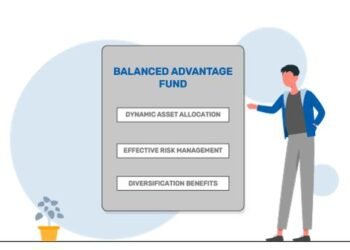
    Dynamic asset allocation: A unique feature of balanced advantage funds is their ability to dynamically shift between asset classes, such as equities and debt. Markets are ever-changing, and static asset allocation might not always be optimal. The adaptability of balanced advantage funds ensures that they remain aligned with current market conditions. Fund managers make use of various metrics and valuation models to determine market conditions. For instance, when the Price-to-Earnings (P/E) ratio of a market is high, it might suggest that equities are overvalued. Conversely, when the P/E ratio is low, equities might be undervalued. Using such indicators, fund managers adjust the asset allocation.


    Effective risk management: By adjusting the ratio of equity to debt based on market conditions, balanced advantage funds can reduce potential downturn risks during volatile market phases. Conversely, they can capture some part of the upside during bullish phases, offering a dual advantage.


    Diversification benefits: The inherent design of these funds ensures diversification across asset classes. Therefore, the underperformance of one asset can be potentially offset by the performance of another if the other asset class is performing, leading to a relatively stable investment experience over the long term.


    Potential for returns: With the capability to switch between asset classes based on valuations, balanced advantage funds can position themselves to capitalise on opportunities in both equity and debt markets. Moreover, the dynamic nature of these funds can lead to relatively consistent returns over the long term. While no investment can guarantee returns, the methodology behind balanced advantage funds is designed to smooth out the highs and lows of the market, leading to steadier growth over the long term.


    Managing emotional investing: One of the biggest challenges individual investors face is making objective decisions that are free from emotional biases. Balanced advantage funds, with their data-driven strategies, aim to make rational decisions based on metrics and valuations rather than emotions.


    What is an effective balanced advantage fund

    An effective balanced advantage fund blends the potential for returns with appropriate risk management. The focus is not just on the returns, but also on how those returns are achieved. When evaluating an effective balanced advantage fund, investors should consider factors like consistency, risk-adjusted performance, and the strategy and experience of the fund manager.


    Conclusion

    Balanced advantage funds offer a dynamic approach to investing, helping investors navigate the unpredictable nature of markets with a combination of equity and debt. By relying on data-driven strategies, these funds aim to overcome the emotional biases that often hinder investment success. Whether you are just starting out or are an experienced investor, balanced advantage funds can offer you a fulfilling investment experience that combines both relative stability and growth potential.

    * Mutual Fund investments are subject to market risks, read all scheme related documents carefully.

  • 6 Strategies to Build Wealth with Mutual Funds

    6 Strategies to Build Wealth with Mutual Funds

    Mutual funds are a popular method for wealth creation in financial investing. By combining multiple schemes, investors can access a professionally managed and diversified portfolio. Here, we aim to guide readers through the mutual fund wealth creation path by introducing six strategies to achieve your financial goals.


    Understanding mutual funds

    Mutual funds are financial instruments that pool various individuals’ money into assets like shares and bonds. These portfolios are professionally managed by fund managers who invest in securities aligned with investors’ objectives. Mutual funds offer benefits such as diversification, low minimum investment requirements, liquidity, cost reduction, regulated systems, and tax benefits. The following are the six strategies for easing the ways for mutual fund wealth creation.


    Strategy 1: Diversification

    Diversification is a risk management strategy of investing in various forms of securities within a portfolio. Diversification spreads risks beyond individual investments, offering the potential for better long-term results.


    While diversification may lessen the risk and volatility of asset price fluctuations, it is crucial to note that risk cannot be eliminated. Striking an ideal balance between risk and return is key to a stable long term investing strategy.


    Strategy 2: Regular investments (SIPs)

    When it comes to mutual funds, SIPs (Systematic Investment Plans) have become a popular option for Indian investors. They involve making equal monthly payments until an agreed-upon sum is reached. This approach encourages prudent investing despite market changes.


    Strategy 3: Long-term investment

    Long-term investment is a crucial strategy for mutual funds, as it increases the potential gain and return rate over time. Historical market data shows an increasing trend in equities over prolonged periods. This makes long-term investments a crucial tool for wealth creation.


    The significance of long-term mutual fund investments is shown by the industrys expanding AUM (Assets Under Management) and positive net inflows into equity schemes surpassing ₹46 lakh crore, as per AMFI. The industrys expansion and strong net inflows into equity schemes demonstrate the potential for considerable growth.


    Strategy 4: Balanced portfolio

    A balanced portfolio aims to balance risks and achieve desired returns. It diversifies assets into different classes based on an investors risk tolerance and objectives. Common asset classes include equity, bonds, and cash-equivalent securities. Equity usually offers relatively better return potential, while fixed income provides relative stability. Cash equivalents offer limited growth options and can help soften downside risk due to market shocks.
    Mutual funds offer different options for different risk appetites. This allows investors to select mutual funds with compatible risks and returns. Professional management of these funds includes portfolio allocation and rebalancing.


    Strategy 5: Reinvestment

    Reinvesting involves using income from investments in mutual funds and is crucial for long-term wealth creation. This method uses compound interest and has the potential to increase an investors total holdings. The compounding effect becomes stronger over time as dividends from securities or interest income from debt securities continue to enhance the investment.


    Strategy 6: Regular portfolio review

    Portfolio reviews and re-balancing are crucial for maintaining risk levels and optimizing performance. This is especially important for mutual funds, given their diversified nature.


    To review your portfolio, consider the following reviewing techniques:

    Frequent observation

    Evaluating asset allocation

    Checking fund performance

    Considering tax implications

    Selecting a systematic re-balancing approach


    For risk management, diversification across businesses, regions, and asset types is essential. Regular assessments can help realign portfolios with long-term objectives and risk tolerance. On the other hand, re-balancing can help identify funds that are under-performing or over-performing. This allows for adjustments to capitalize on growth opportunities or reduce losses.


    By adhering to these principles, investors can harness the full potential of mutual funds for long-term financial success. However, before making any investment decisions, it is recommended that you do your research and consult a financial advisor. All investments are subject to market risks, but consulting a financial advisor can help make the right choice and minimize losses.


    This document should not be treated as endorsement of the views/opinions or as investment advice. This document should not be construed as a research report or a recommendation to buy or sell any security. This document is for information purpose only and should not be construed as a promise on minimum returns or safeguard of capital.


    This document alone is not sufficient and should not be used for the development or implementation of an investment strategy. The recipient should note and understand that the information provided above may not contain all the material aspects relevant for making an investment decision. Investors are advised to consult their own investment advisor before making any investment decision in light of their risk appetite, investment goals and horizon. This information is subject to change without any prior notice.