Tag: Innovation

  • Anticipation Builds for India’s Interim Budget 2024

    Anticipation Builds for India’s Interim Budget 2024

    As India eagerly awaits the interim budget for 2024, industry experts in the fields of research and development (R&D), healthcare, and pharmaceuticals are voicing their expectations for increased allocations in these crucial sectors. Finance Minister Nirmala Sitharaman is set to present the budget on February 1, and stakeholders anticipate a strong focus on fostering innovation and addressing the dynamic healthcare needs of the country.


    Vibcare Pharma CEO Siddharth Singhal emphasized the significance of government support for the pharmaceutical and healthcare sector. He highlighted the need for increased funding in areas critical to the industry, such as regulatory reforms and healthcare funding. Singhal stated, “The budget’s emphasis on research and development offers us an exceptional chance to innovate.” He expressed hope for the government to align its policies with the mission of introducing better and more cost-effective medicines to cater to India’s evolving healthcare landscape.


    Singhal also emphasized the transformative opportunity presented by the budget, envisioning growth in innovation, sustainability, and global competitiveness for the pharmaceutical industry. The industry’s current valuation stands at approximately $50 billion, with ambitious growth targets of $120 billion to $130 billion by 2030 and a staggering $450 billion by 2047, according to government estimates.


    Healthium Medtech CEO and MD Anish Bafna underscored India’s potential to become a global hub for the medtech sector. He called for a collaborative action plan involving public-private partnerships to drive expansion, growth, investment opportunities, and technological innovation in the healthcare sector during the fiscal year 2024-25. Bafna emphasized the importance of conducive policies to support local manufacturing and facilitate faster accessibility of new medical devices for patients and healthcare providers.


    Dr. Joy Shah, founder of Beagle Lasers, highlighted the expected focus on strengthening the availability of quality healthcare, especially in rural areas. He anticipated changes in the GST tariff and services covered under healthcare, with a potential strengthening of import regulations to reduce the influx of imported medical equipment. Dr. Shah emphasized the importance of creating a conducive environment for local manufacturers to thrive, aligning with the “Make in India” initiative and contributing to enhanced employment opportunities and healthcare service quality.


    VarcoLeg Care CEO Veeky Ganguly expressed anticipation for policy measures that simplify the adoption of health technologies. Streamlined regulatory processes and incentives for healthcare providers to embrace digital solutions were cited as potential measures that would benefit the industry and contribute to a more patient-centric healthcare approach.


    Vikram Thaploo, CEO- Telehealth, Apollo Hospitals Enterprises Limited, emphasized the need for increased funding to boost domestic manufacturing of medical equipment. Thaploo looked forward to potential changes in GST tariffs and services covered under healthcare, expecting measures to strengthen import regulations and create an environment conducive to the growth of indigenous manufacturers. He urged the government to prioritize investments in public health infrastructure, primary healthcare facilities, essential medicines, and the expansion of Production-Linked Incentive (PLI) schemes to cover advanced digital technologies like Generative AI.


    As the Union Budget 2024-25 approaches, the healthcare industry’s collective optimism is centered around the hope that the government’s fiscal measures will pave the way for enhanced innovation, accessibility, and growth in India’s crucial healthcare sectors. The budget, with general elections on the horizon, is expected to strike a delicate balance between fiscal prudence and populist measures.

  • India Inks Key Agreements with UAE and Czech Republic

    India Inks Key Agreements with UAE and Czech Republic

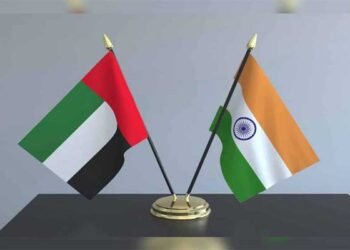
    India has inked several bilateral cooperation agreements with the United Arab Emirates (UAE) and the Czech Republic during the Vibrant Gujarat summit. The agreements cover various sectors, showcasing the diverse areas of collaboration that India is fostering with these nations.


    With the UAE, the agreements span healthcare, the development of food parks, and renewable energy. The healthcare sector is likely to witness enhanced collaboration, contributing to the overall well-being of both nations. Furthermore, the development of food parks aligns with the I2U2 partnership involving India, Israel, the UAE, and the United States, aiming to bolster the food and agriculture sectors. The focus on renewable energy, particularly green hydrogen and solar power, highlights the commitment to sustainable practices and combating climate change. The ongoing discussions about grid interconnectivity suggest a shared vision for a robust and interconnected energy landscape.


    The presence of UAE President Mohamed bin Zayed Al Nahyan as the chief guest at the summit underscores the significance of the India-UAE relationship. The foreign secretary emphasized the transformative nature of the India-UAE relationship, and the $2 billion investment pledge by the UAE in 2022 for the development of food parks demonstrates the tangible economic impact of this collaboration.


    In addition to agreements in the healthcare sector and renewable energy, a logistics cooperation pact between the government of Gujarat and Dubai-based logistics firm DP World adds another dimension to the bilateral ties, focusing on enhancing logistical capabilities and infrastructure.


    Simultaneously, India and the Czech Republic have entered into a strategic partnership on innovation. This partnership aims to foster collaboration in various sectors, including startups and innovation, cybersecurity, digital domains, artificial intelligence, defense, nuclear energy, and the circular economy. This signifies a commitment to technological advancement, research, and development across diverse fields, contributing to economic growth and shared expertise.


    Prime Minister Narendra Modi’s meeting with leaders from Mozambique and Timor-Leste further highlights India’s engagement with nations beyond the Middle East and Europe. These interactions serve as platforms for discussing potential areas of cooperation, strengthening diplomatic ties, and exploring avenues for mutual growth.


    The Vibrant Gujarat summit has provided a platform for India to deepen its partnerships with the UAE and the Czech Republic across multiple sectors. The agreements reflect the countries’ shared commitment to innovation, sustainability, and economic development. As India continues to engage with diverse nations, these collaborations contribute to the nation’s standing on the global stage and promote mutual prosperity.

  • Kerala Government to Establish Graphene Production Facility

    Kerala Government to Establish Graphene Production Facility

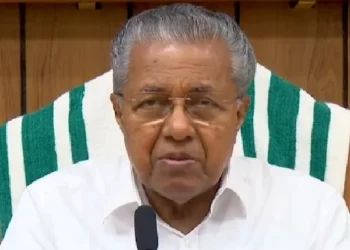
    The Kerala government, under the leadership of Chief Minister Pinarayi Vijayan, is embarking on a pioneering journey to establish a cutting-edge graphene production facility in the state. This ambitious project, valued at ₹237 crore, is set to harness the extraordinary electrical and electronic properties of graphene, often referred to as a “wonder material.”


    Graphene, recognized as the thinnest and strongest material globally, is celebrated for its exceptional attributes, including unparalleled electrical conductivity, chemical stability, transparency, and a substantial surface area. These characteristics make it a material of immense interest for a wide range of applications, from electronics to advanced materials.


    The state government’s decision to set up the graphene production facility was made during a cabinet meeting presided over by Chief Minister Pinarayi Vijayan. The project will operate under a public-private partnership model, fostering innovation and development while optimizing resource allocation. The total cost of this initiative is estimated at ₹237 crore, with the Kerala Digital University leading the implementation efforts.


    The Kerala Digital University will spearhead this project and has been authorized to prepare an initial proposal to secure loans from the Kerala Infrastructure Investment Fund Board (KIIFB). Moreover, the university will initiate a global expression of interest to identify private partners willing to contribute to this groundbreaking venture.


    KINFRA (Kerala Industrial Infrastructure Development Corporation) will play a pivotal role in infrastructure development for the graphene production facility. As a designated special purpose vehicle, KINFRA will leverage its expertise to ensure the smooth execution of the project.


    The government’s vision for a graphene ecosystem, as outlined in the 2022-23 budget, aims to stimulate advancements in material technologies. This ecosystem envisions a robust research and development framework, including the India Innovation Centre for Graphene. Although still in its initial stages, this research and development center will focus on the technological advancements enabled by graphene-based materials.


    In preparation for this forward-looking initiative, a managing committee will be formed, bringing together representatives from the Industries and IT Departments, as well as KINFRA. Their collective efforts will guide the development of the graphene production facility, ensuring that it aligns with the state’s goals and objectives.


    Additionally, the Chief Minister’s Office (CMO) shared that a middle-level graphene production unit is in the process of being established. This unit will serve as a pivotal step in realizing the potential of graphene, transforming it from a scientific curiosity into an industrially viable material with numerous applications.


    In other significant decisions, the cabinet has allocated an additional government guarantee of ₹100 crore to the Kerala State Backward Classes Development Corporation. This funding will support the extensive implementation of schemes under the National Safai Karmacharis Finance and Development Corporation, reflecting the government’s commitment to inclusive development and welfare.


    Kerala’s investment in graphene production underscores its commitment to fostering innovation and economic growth. By harnessing the remarkable properties of graphene, the state is positioning itself at the forefront of cutting-edge technology and materials, promising a brighter future for industries and research.

  • Distributors Raise Concerns Over Low-Priced FMCG Packs

    Distributors Raise Concerns Over Low-Priced FMCG Packs

    The All India Consumer Products Distributors’ Federation (AICPDF), a representative body for fast-moving consumer goods (FMCG) distributors, has raised concerns regarding the proliferation of low-priced packs of various consumer goods such as biscuits, noodles, chips, soap, and shampoo. These concerns are related to supply chain disruptions and the impact on storage spaces, particularly at small mom-and-pop stores.


    In response to heightened competition and declining household budgets due to inflation, large companies in the FMCG sector have been ramping up innovations and introducing more price options for various product categories. These efforts aim to offer consumers more affordable choices. However, the rapid introduction of low-priced stock-keeping units (SKUs) has raised concerns about the efficiency and viability of distribution networks.


    Dhairyashil Patil, National President of AICPDF, highlighted the challenges posed by the introduction of numerous low-priced SKUs by FMCG companies. He explained that companies were expanding their offerings with more price points and variants, often with varying grammages across SKUs. This approach, while potentially beneficial for market expansion, places an additional burden on existing infrastructure and resources within distribution networks, affecting their efficiency.


    Previously, companies typically rolled out limited low-priced packs with a few price points, such as ₹2, ₹5, ₹10, or ₹15. However, the recent trend is to introduce a more extensive range of price points and variants. This has led to concerns about inventory management, as distributors need to stock these various SKUs for retailers who are also facing challenges related to storage space.


    One significant issue arising from the proliferation of SKUs is the potential increase in transportation costs. Distributors may incur higher expenses due to the need to transport a wider range of products. Moreover, managing inventory effectively becomes increasingly challenging, particularly given the limited storage space available. Retailers are also becoming hesitant to stock a growing number of SKUs due to rising complexity and the potential for consumer confusion.


    To address these challenges, AICPDF members recently met with the Ministry of Public Distribution to propose standardizing packaging and categorizing products into four classes: entry pack, small pack, medium pack, and large pack. This classification system is intended to simplify inventory management, reduce complexity for retailers, and eliminate confusion arising from multiple SKUs at similar price ranges.


    The proliferation of low-priced packs in the FMCG sector reflects the industry’s efforts to cater to diverse consumer needs while remaining competitive. However, it also underscores the importance of effective supply chain management and collaboration between distributors, retailers, and manufacturers to navigate the evolving landscape of consumer preferences and affordability.

  • Anand Mahindra Applauds RBI’s Innovation in Frictionless Credit

    Anand Mahindra Applauds RBI’s Innovation in Frictionless Credit

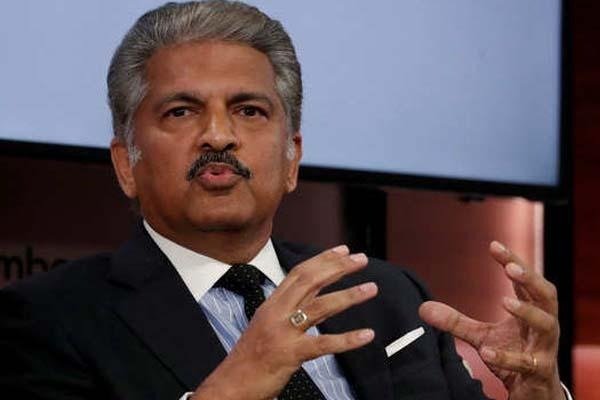
    Anand Mahindra, the Chairman of the Mahindra Group and a prominent Indian entrepreneur, has expressed his admiration for the Reserve Bank of India (RBI) and its latest innovation, the Public Tech Platform for Frictionless Credit (PTPFC). In a recent tweet, Mahindra commended the RBI’s efforts to streamline and enhance the loan application process.


    The PTPFC is a pilot project developed by the Reserve Bank Innovation Hub, a wholly-owned subsidiary of the RBI. Its primary objective is to create a seamless connection between borrowers and lenders, particularly targeting individuals seeking small loans. This platform is designed to facilitate the hassle-free disbursement of non-collateral-based loans for various purposes, including Micro, Small, and Medium Enterprises (MSMEs), Kisan Credit Card loans up to ₹1.6 lakh, dairy loans, personal loans, and home loans.


    Anand Mahindra shared his perspective on the innovation after attending an RBI board meeting in Indore, where he witnessed a demonstration of the PTPFC. He described the platform as a potential game-changer in the credit delivery mechanism for rural customers.


    In his tweet, Mahindra stated, “Sometimes, you feel you’ve been privileged to get a front-row seat to a Social & Technological disruption. At the RBI board meeting in Indore last Saturday, we were given a demonstration of the Reserve Bank’s Public Tech Platform for Frictionless Credit (PTPFC) pilot project. This could revolutionize the credit delivery mechanism to rural customers by integrating a plethora of KYC processes & documents and reducing the time taken to grant a loan from days to just a few minutes.”


    One of the significant advantages of the PTPFC is its open platform design, accessible to all banks interested in using it. This open application programming interface (API) platform allows digital identity authorities such as central and state government entities, credit information companies, and banks to share information, expediting the data collection process for loan approvals. This automation not only reduces manual work but also enhances transparency, scalability, and efficiency, ultimately benefiting both borrowers and lenders.


    Mahindra concluded his tweet by applauding the RBI and India for taking a digital leadership position in financial innovation. The PTPFC has the potential to transform lending processes, especially in underserved rural areas, by making credit more accessible and efficient.

  • B20 India: Common Regulatory Framework for Generative AI

    B20 India: Common Regulatory Framework for Generative AI

    As part of the B20 India Summit’s initiatives to foster digital transformation and innovation, a key recommendation has emerged from its leadership to develop a common regulatory framework for generative artificial intelligence (AI). N. Chandrasekaran, Chairman of Tata Sons and Chairperson of B20 India, highlighted this important proposal during a press conference ahead of the three-day B20 India Summit.


    Chandrasekaran emphasized the significance of adopting AI on a broad scale as a key objective of the summit. He noted that generative AI holds substantial potential, but it also requires a regulatory framework to ensure responsible use while nurturing innovation. He added that finding a balance is crucial—enabling innovation without stifling its progress through over-regulation.


    Highlighting India’s experience in establishing a digital public infrastructure, Chandrasekaran expressed optimism about India’s role in contributing to the development of this regulatory framework.


    B20, the business forum of the G20, has been organized around nine themes and seven task forces, each addressing the needs of the global economy, society, and the global south. The task forces have focused on digital transformation, resilient global supply chains, financing sustainability transitions, economic recovery policies for micro, small, and medium enterprises, skilling and inclusivity of women, skilling for technological changes, integration of environmental sustainability guidelines (ESG) in businesses, and the integration of the African continent.


    The summit aims to present its recommendations and reports during its duration from August 25 to 27. Chandrasekaran underlined the importance of resilience in the global supply chain, especially in sectors such as electronics, high-tech manufacturing, and defense. While acknowledging the need for regulatory oversight, he stressed that an approach of collaboration and innovation should be adopted rather than approaching AI regulations with a pessimistic outlook.


    The B20 India leadership, through its more than 54 recommendations and over 170 policy actions, seeks to drive meaningful changes across various sectors. The summit’s reports and recommendations are expected to be released starting from August 25, further contributing to discussions on innovation, sustainability, and resilience in a rapidly evolving global landscape.

  • Mahindra Unveils New Brand Identity “Born Electric EVs”

    Mahindra Unveils New Brand Identity “Born Electric EVs”

    In a significant move towards embracing a sustainable future, Mahindra & Mahindra, a prominent player in the automobile industry, has unveiled a fresh brand identity for their electric vehicle category, termed “Born Electric EVs” (BEVs). This new umbrella will encompass a range of electric vehicle models, including XUV.e, Thar.e, Scorpio.e, and Bolero.e.


    With a dedicated focus on electric mobility, Mahindra & Mahindra is making strides towards establishing an Electric EVs factory in the Chakan area near Pune. This state-of-the-art facility is anticipated to have the capacity to produce approximately 200,000 electric Sport Utility Vehicles (SUVs) annually, and it is projected to be operational by the following year. The company’s ambitious plans also extend to the creation of a battery assembly plant, which will provide the crucial power source for their electric vehicles. The first electric vehicle from this new initiative is expected to roll out from the Chakan facility in the coming year.


    The automaker emphasizes that this fresh visual identity stands as a representation of quality and innovation for prospective electric vehicle buyers. It embodies a fusion of pioneering engineering, advanced technology, and a commitment to environmental stewardship, presenting an enticing choice for individuals inclined towards a sustainable and eco-conscious future. This symbol encapsulates Mahindra’s vision to lead the electric vehicle revolution by offering a unique value proposition that resonates with modern consumers who prioritize both innovation and ecological responsibility.


    Veejay Nakra, President of the Automotive Sector at Mahindra & Mahindra Ltd., stated that the new visual identity embodies the company’s global vision of “Infinite Possibilities,” signifying their electric vehicle range’s energy, design, and technological excellence. This identity is reinforced by a new anthem titled “Le Chalaang,” which mirrors the visual identity’s essence and resonates with environmentally conscious customers.


    Pratap Bose, Chief Design Officer at Mahindra & Mahindra, described the new visual identity as an exploration of diverse dimensions, showcasing the brand’s global electric range. The symbol encompasses the constant flow of energy, racing heritage, and intelligent sustainability powered by a fusion of science and creativity.


    This new initiative demonstrates Mahindra & Mahindra’s dedication to pioneering sustainable solutions in the automotive industry and presents a forward-facing, distinctive, and enjoyable brand identity that aligns with their electric vehicle aspirations.